Artwork
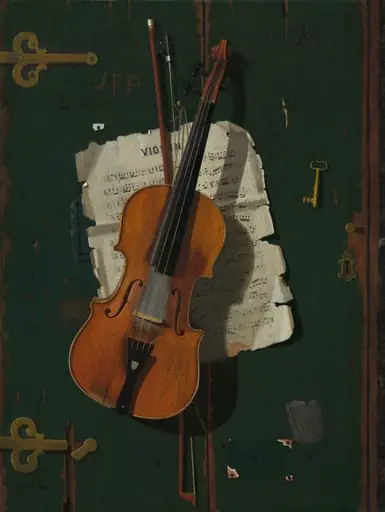
The Old Cremona
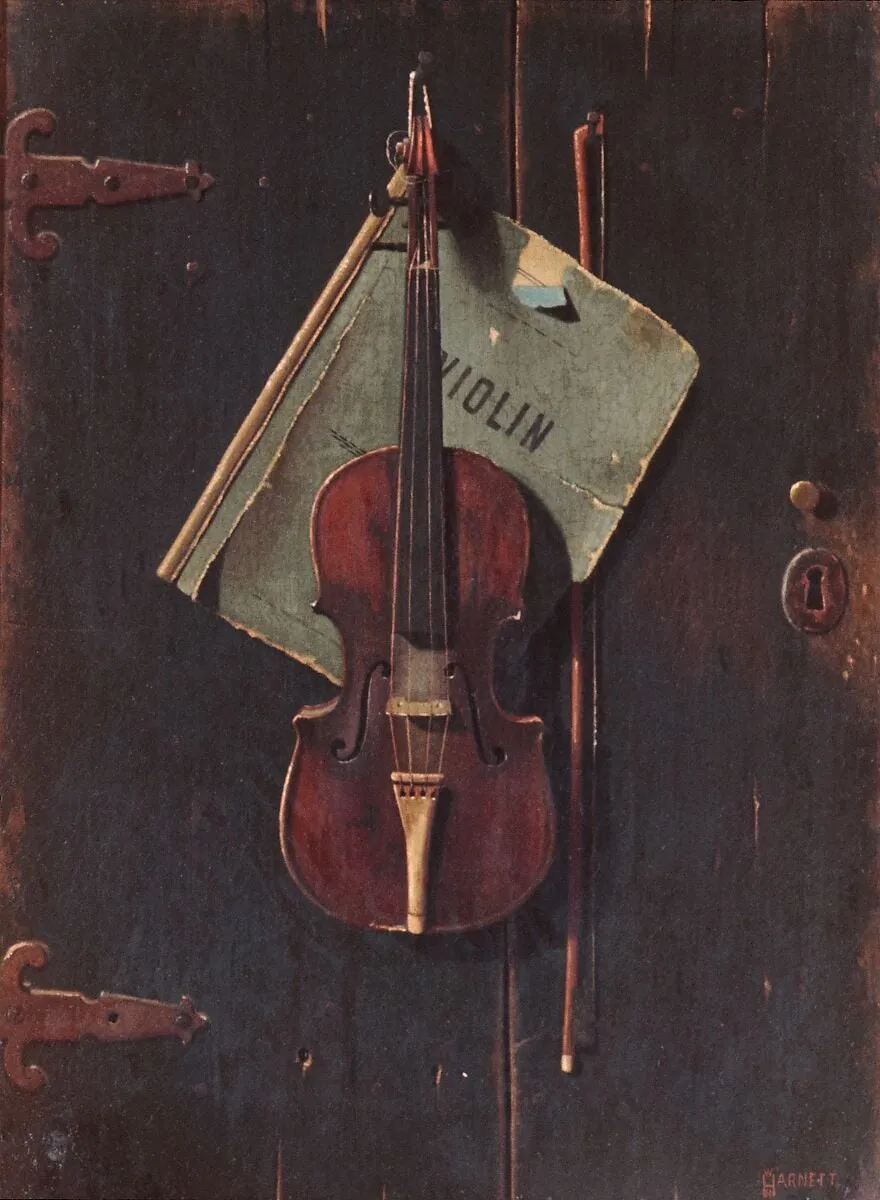
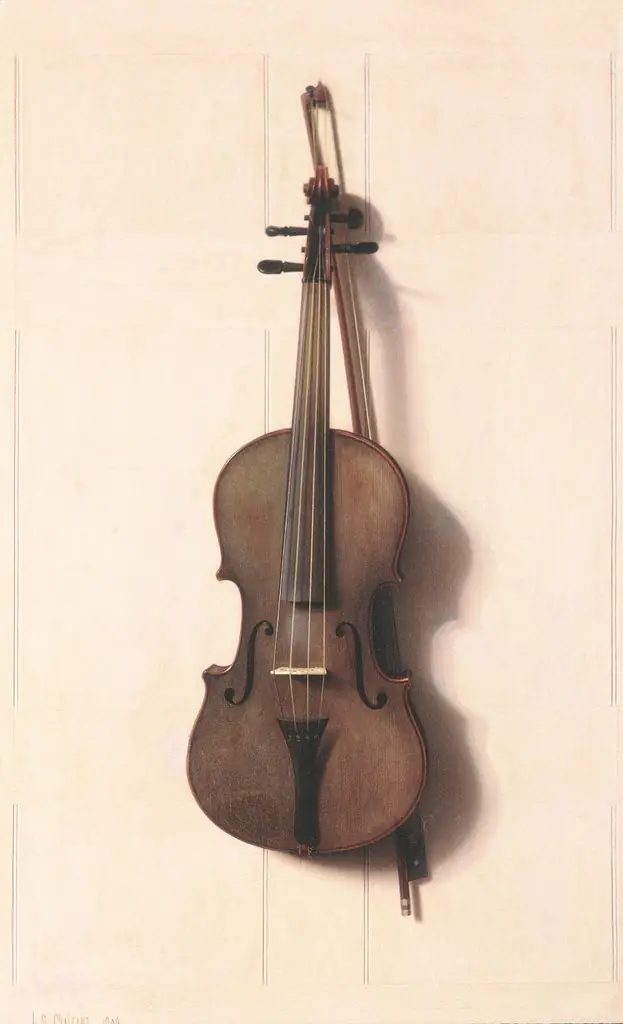
The Old Cremona is an oil painting by the American Impressionist artist John F. Peto. It dates from 1888 and is held in the collection of the Metropolitan Museum of Art. John F.
About this work
Overview
John F. Peto’s oil on canvas, *The Old Cremona*, dates to circa 1888. The painting presents a solitary violin affixed to a plain wooden wall, its strings slack and its surface coated with a fine layer of dust. The work exemplifies Peto’s dedication to trompe‑l’œil, a technique that seeks to deceive the viewer into perceiving painted objects as three‑dimensional reality.
Subject & Meaning
The lone violin, rendered with worn edges and subtle shadows, functions as a study of everyday materiality. By choosing a commonplace musical instrument, Peto invites contemplation of the passage of time and the quiet presence of objects that linger unnoticed in domestic spaces.
Technique & Style
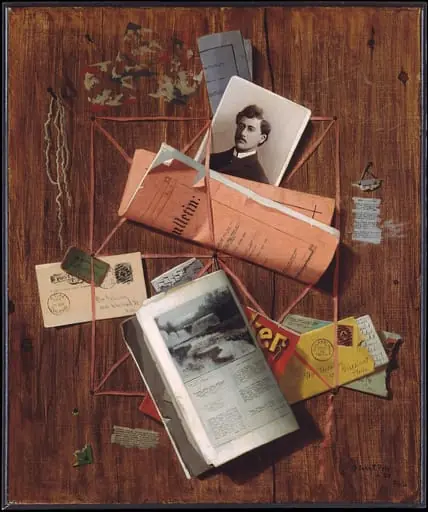
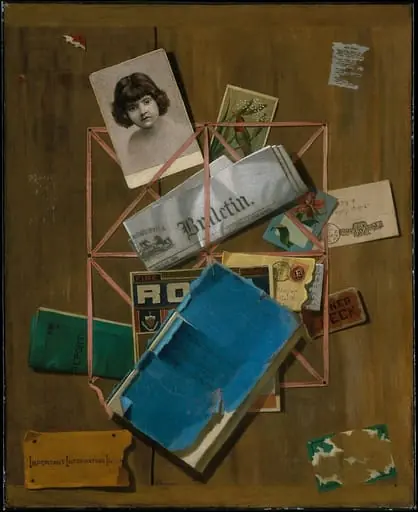
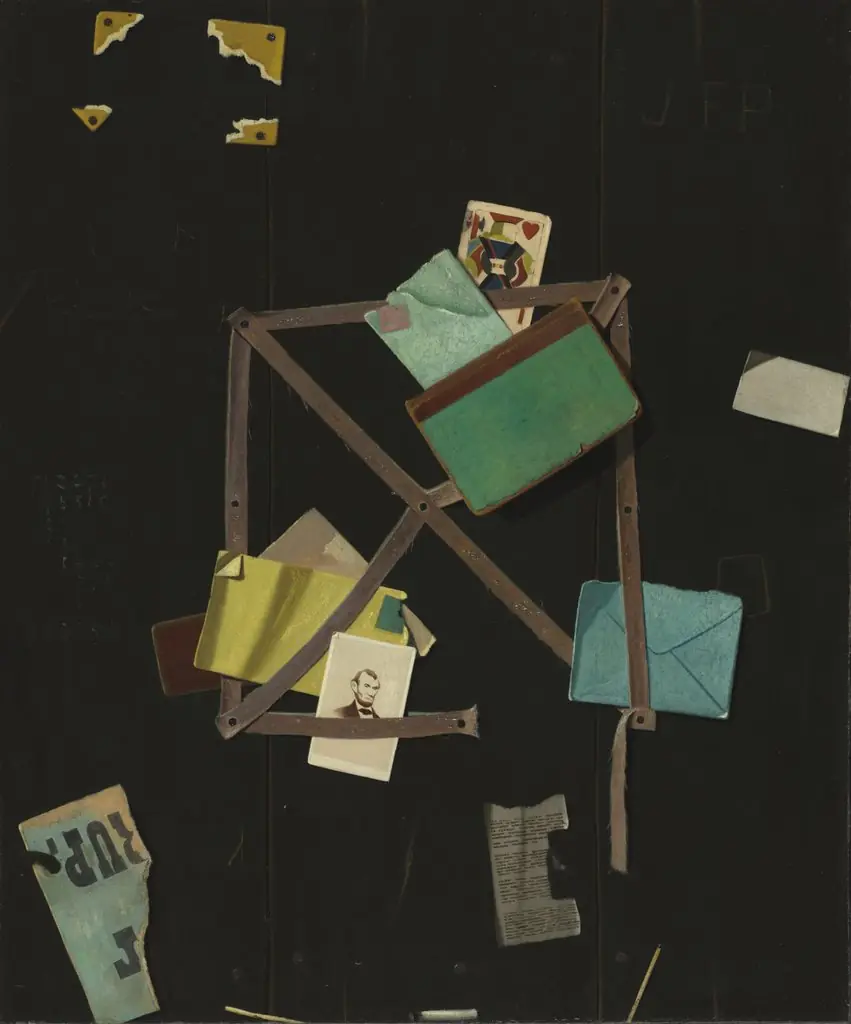
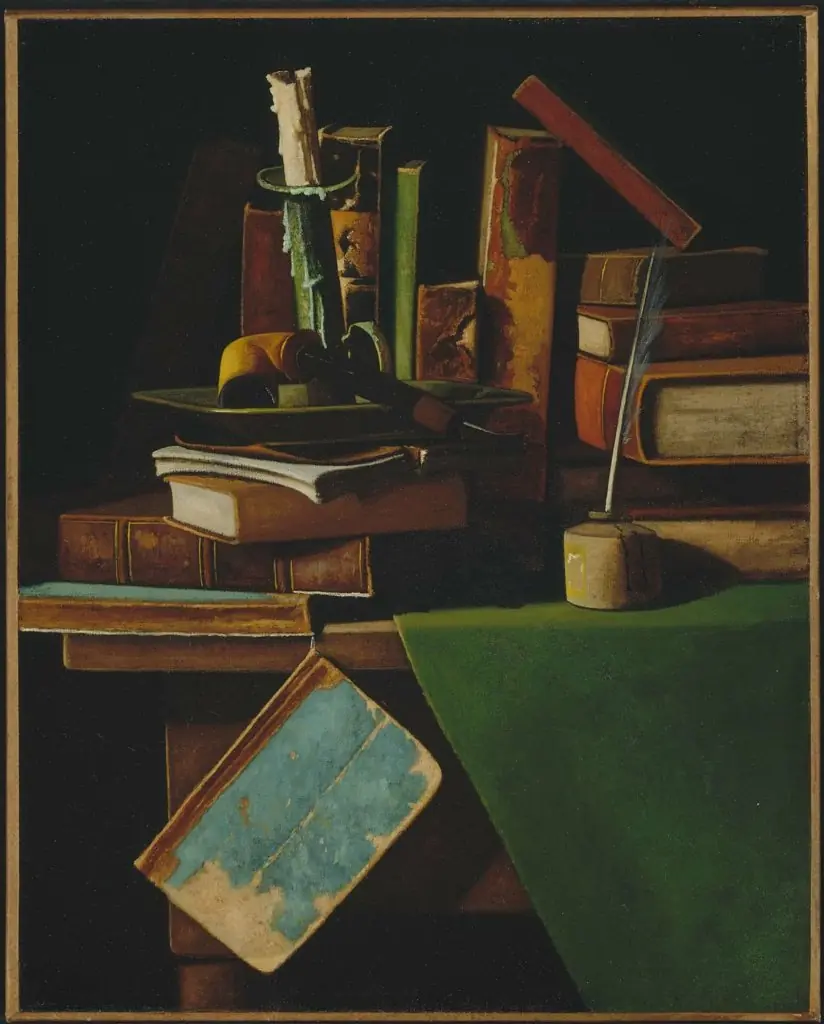
Executed in the realist tradition of American trompe‑l’œil, the painting relies on meticulous brushwork, precise rendering of texture, and careful manipulation of light. The subtle gradations of tone and the convincing depiction of dust and loosened strings create an illusion of depth that challenges the eye.
History & Provenance
Peto, a relatively obscure figure during his lifetime, produced *The Old Cremona* amid a period when American artists were exploring Impressionist influences. Decades after his death, his work was reassessed and placed alongside that of William Harnett, leading to renewed scholarly interest and museum acquisition.
Context
The painting emerged during the late nineteenth‑century American fascination with realism and the visual trickery of trompe‑l’œil. While European Impressionism emphasized fleeting light, American practitioners like Peto combined that sensibility with a meticulous, almost photographic attention to ordinary objects.
Artist & collection

Artist
John Frederick Peto (May 21, 1854 – November 23, 1907) was an American trompe-l'œil ("fool the eye") painter who was long forgotten until his paintings were rediscovered along with those of fellow trompe-l'œil artist William Harnett.