Artwork
The Teign near Drewsteignton, Devonshire
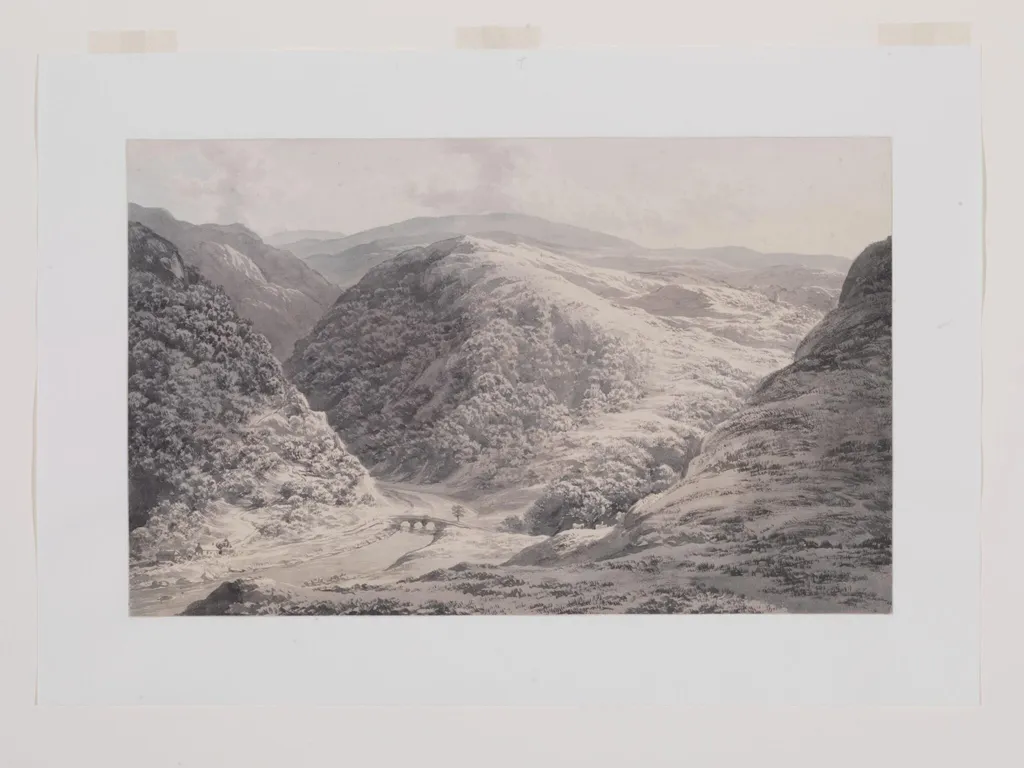
The Teign near Drewsteignton, Devonshire is a watercolor work on paper by the Romanticist artist John Glover. It dates from 1829 and is held in the collection of the Victoria and Albert Museum.
About this work
Overview
Painted in 1829, this watercolour by John Glover captures a quiet stretch of the River Teign near Drewsteignton in Devonshire.
Painted in 1829, this watercolour by John Glover captures a quiet stretch of the River Teign near Drewsteignton in Devonshire. The work is inscribed with its title, artist’s signature, and date, affirming its origin. Though later misattributed as a Lake District scene at its 1890 Christie’s sale, its topography aligns with the rolling hills and meandering watercourse characteristic of this part of southwest England.
Subject & Meaning
The composition centers on a gentle river winding through a secluded valley, flanked by undulating hills and dense vegetation. There is no human presence, emphasizing the land’s quiet autonomy. The scene conveys a sense of stillness and continuity, reflecting Glover’s interest in unaltered natural environments rather than dramatic or romanticized vistas.
Technique & Style
Glover employed transparent watercolour washes to build subtle gradations of green, ochre, and grey, capturing the softness of foliage and the texture of earth. Delicate brushwork defines tree branches and riverbanks, while controlled contrasts of light and shadow suggest depth without heavy modeling. The technique favors atmospheric suggestion over detail, aligning with early 19th-century British watercolour traditions.
History & Provenance
The work remained in private hands until its 1890 auction at Christie’s, where it was incorrectly catalogued as depicting a Lake District subject. Its true location was later confirmed through topographical comparison and Glover’s known travels in Devon. The painting’s inscription helped anchor its authenticity despite the earlier misidentification.
Context
Glover painted this during a period when British artists increasingly turned to local landscapes as subjects worthy of serious study. While contemporaries favored alpine drama, Glover focused on the understated beauty of southern England’s river valleys, contributing to a growing appreciation for regional topography over idealized foreign scenery.
Legacy
This watercolour exemplifies Glover’s quiet, observant approach to landscape, distinct from the more theatrical styles of his peers. It remains a representative example of his Devonshire studies, valued for its fidelity to place and restrained aesthetic. Its preservation offers insight into how 19th-century artists documented the English countryside with precision and calm.
Artist & collection
Artist
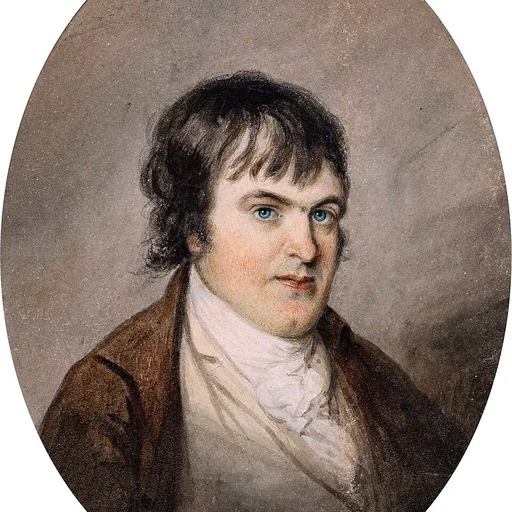
John Glover (18 February 1767 – 9 December 1849) was an English-born artist. In later life he migrated to Van Diemen’s Land and became a pastoralist during the early colonial period. He has been dubbed "the father of…

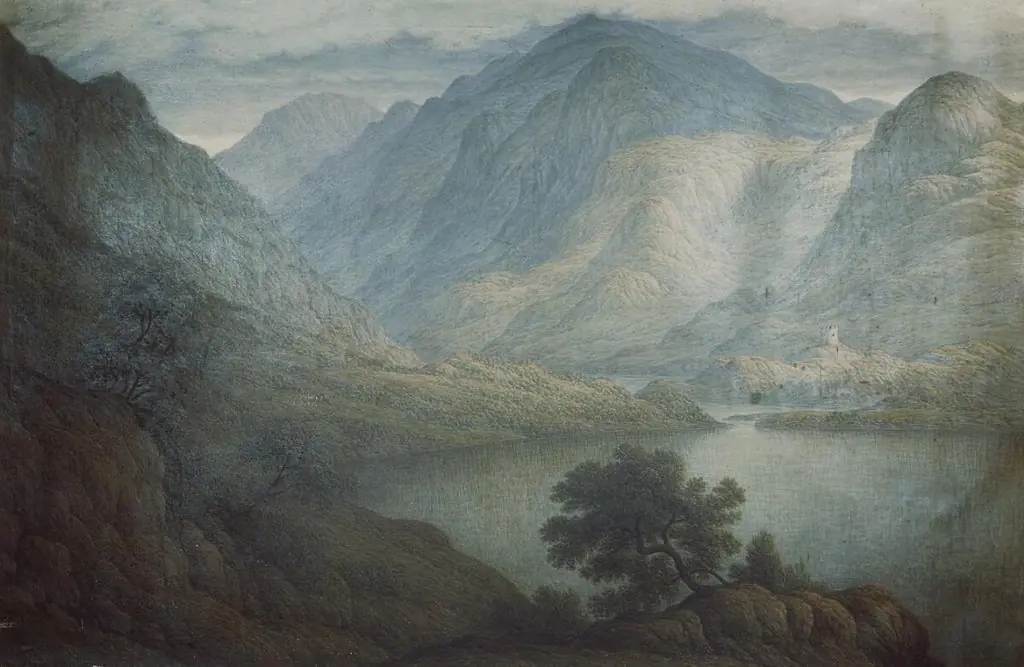
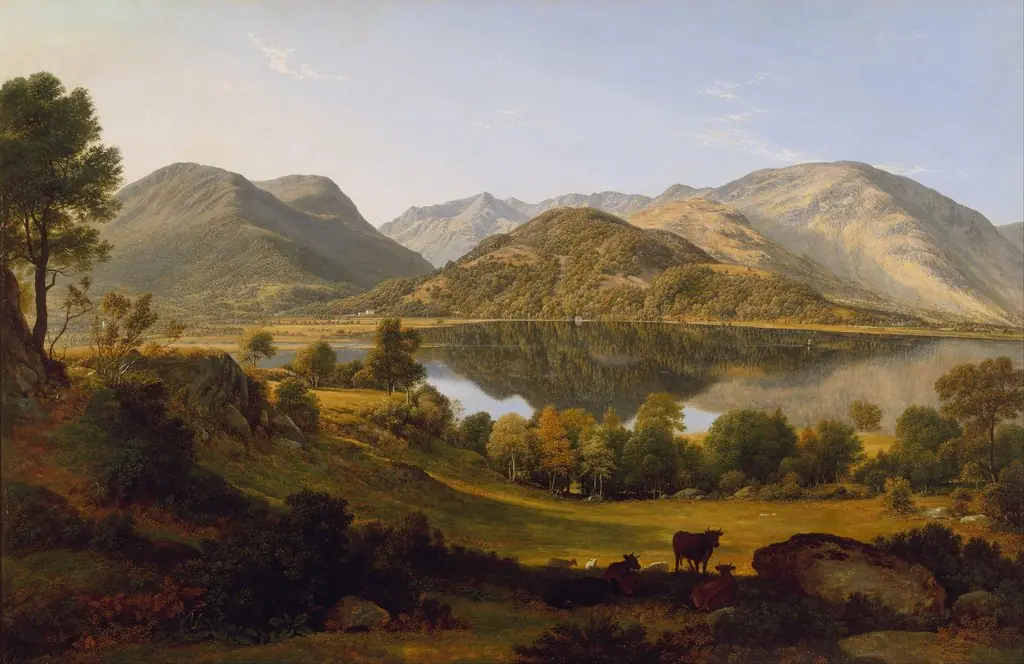
 View in Borrowdale.
 Civitella di Subiaco
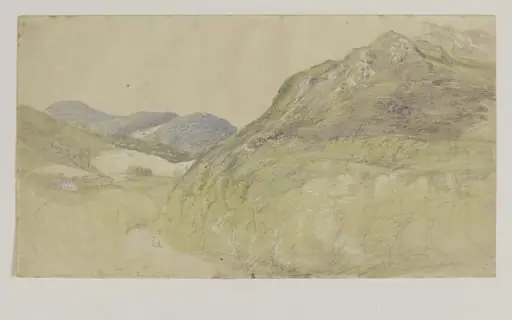 Near the Travellers Rest Inn, Dolgelly
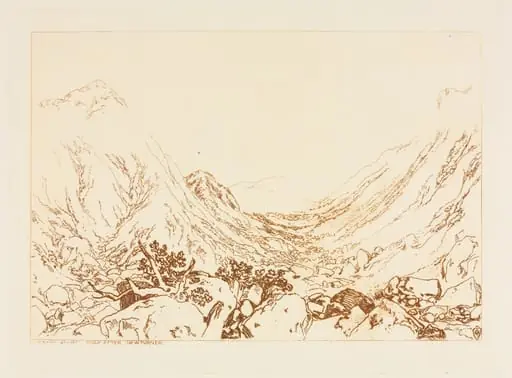 Ben Arthur, Scotland
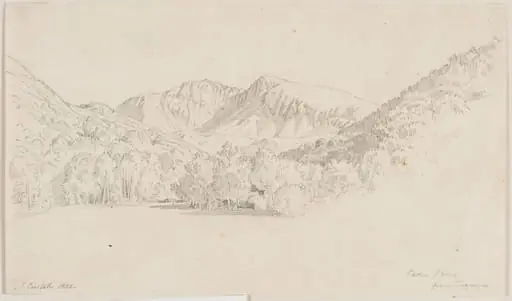 View of Cader Idris, Merioneth
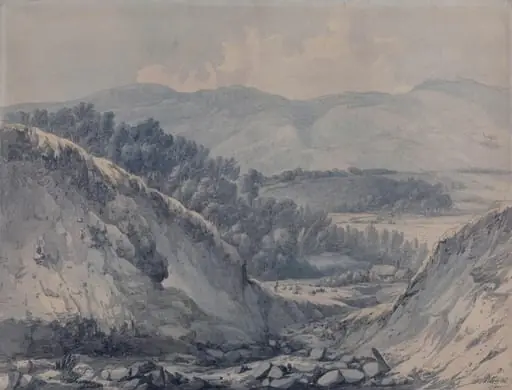 Near Dolgelly
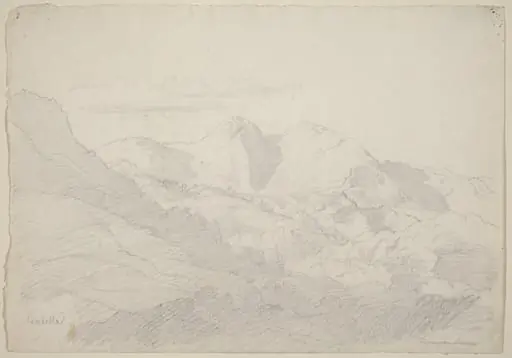 The Sabine Hills and Rocca Santo Stefano Seen from Civitella
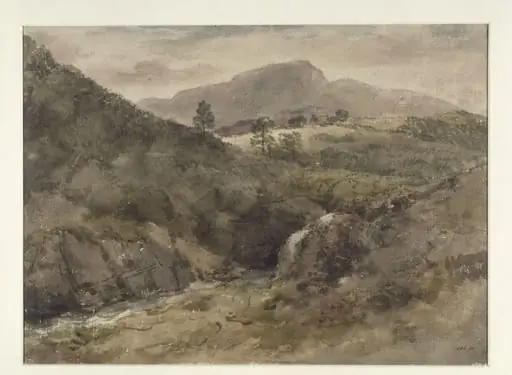 View in the Lake District
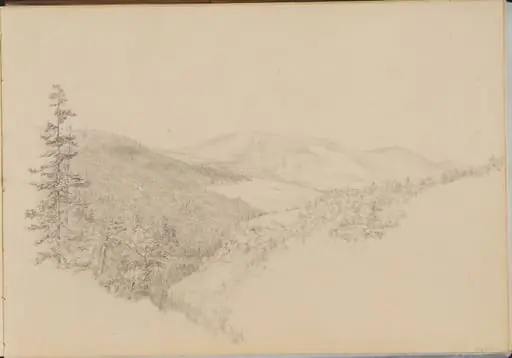 Kauterskill Clove (from Sketchbook of Landscape and Animal Subjects)
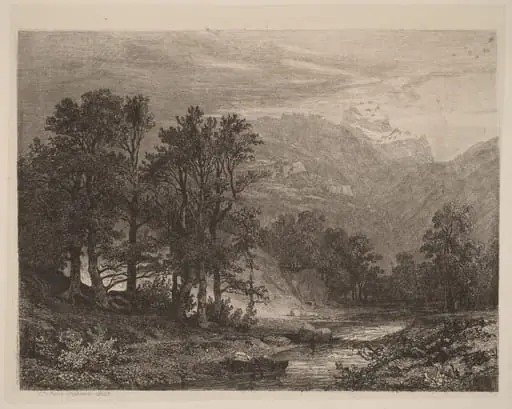 Mountain Stream
 Oeuvres de A. Calame: No. 52
 View in the Pass of Llanberis, Wales