Artwork
The seven sisters of Tottenham
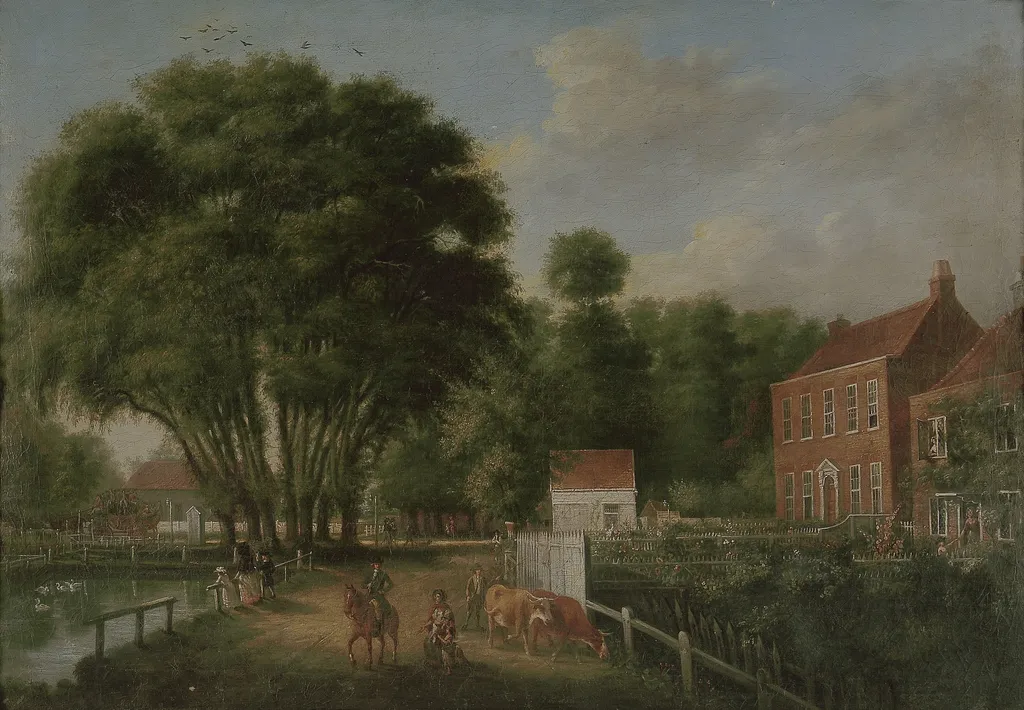
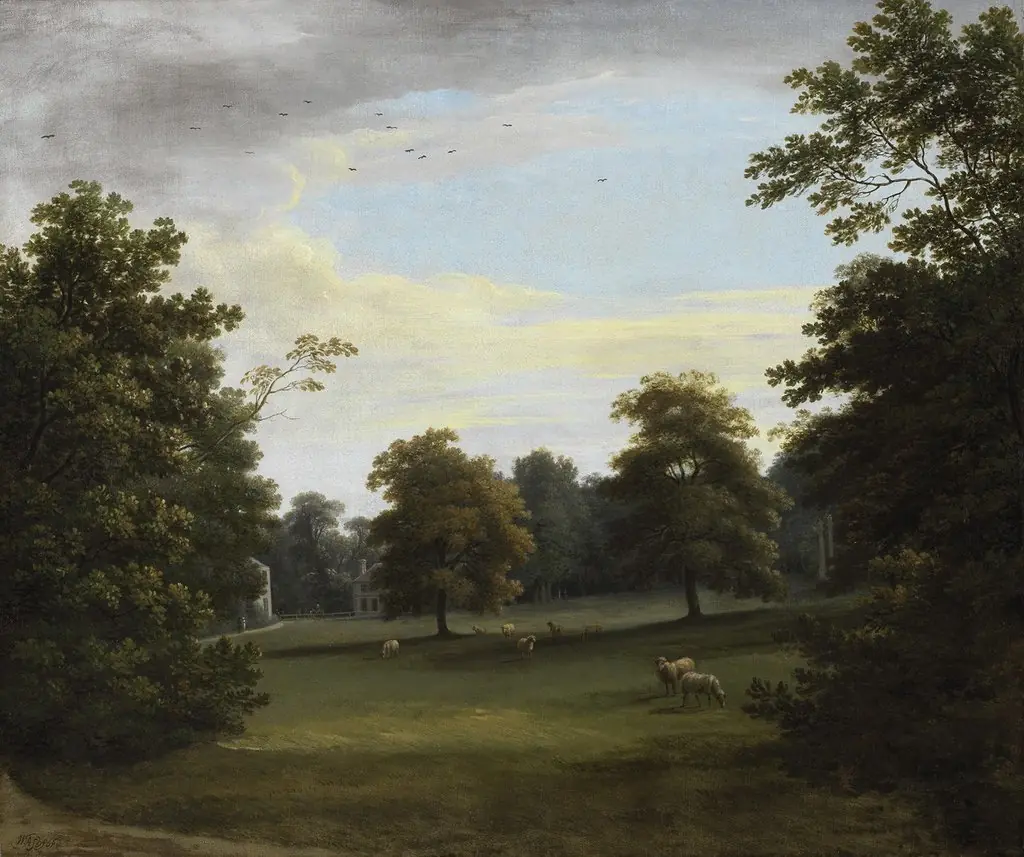
The seven sisters of Tottenham is an oil painting by the British Romanticist artist John Greenwood. It is held in the collection of the Museum of New Zealand Te Papa Tongarewa.
About this work
Overview
Painted in 1796 by John Greenwood, this oil on canvas work portrays a quiet rural scene in Tottenham, England. The composition centers on a large, spreading tree and a red brick house, surrounded by figures and livestock in a tranquil, unidealized setting. The painting reflects domestic life in late 18th-century England, rendered with a calm, observational tone rather than dramatic emphasis.
Subject & Meaning
The title, 'The Seven Sisters of Tottenham,' may refer to a local landmark or family, though its exact significance remains unconfirmed.
The scene captures ordinary rural activity: people gather near a fence, while a horse and cow graze peacefully nearby. No single narrative dominates; instead, the painting conveys the rhythm of daily life. The title, 'The Seven Sisters of Tottenham,' may refer to a local landmark or family, though its exact significance remains unconfirmed. The work emphasizes quiet continuity rather than event or symbolism.
Technique & Style
Greenwood employed soft, warm brushwork and muted earth tones to evoke a sense of stillness. The tree’s dense foliage contrasts with the solid brick structure of the house, creating visual balance. Light falls gently across the landscape, enhancing the atmosphere of late afternoon. The brushstrokes are deliberate but unobtrusive, favoring naturalism over stylization, typical of provincial British painting of the period.
History & Provenance
The painting was created in England in 1796 and later entered the collection of the Museum of New Zealand Te Papa Tongarewa. Its journey from rural Essex to New Zealand is undocumented in public records, suggesting it may have been acquired through private collection or colonial-era transfer. No exhibition history or contemporary reviews from its time are known.
Context
Produced during a period of agricultural change and urban expansion in England, the painting offers a glimpse into rural life before industrialization fully transformed the countryside. Greenwood, a lesser-known artist, worked outside major artistic centers, and his work reflects local traditions rather than academic trends. The scene’s simplicity aligns with the growing interest in everyday subjects among provincial painters.
Legacy
The painting remains a quiet example of 18th-century British domestic landscape painting. While not widely studied or reproduced, it contributes to the understanding of non-elite visual culture of the time. Its presence in a New Zealand museum underscores the global dispersal of colonial-era art, offering insight into how regional works entered international collections.
Own this work as a print
Artist & collection


Museum
Museum of New Zealand Te Papa Tongarewa
Continue through works from the same source collection.
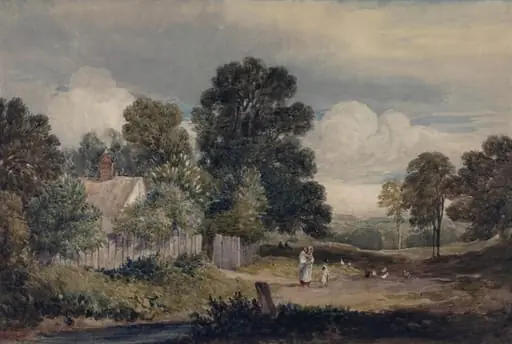 Cottage near Norwood
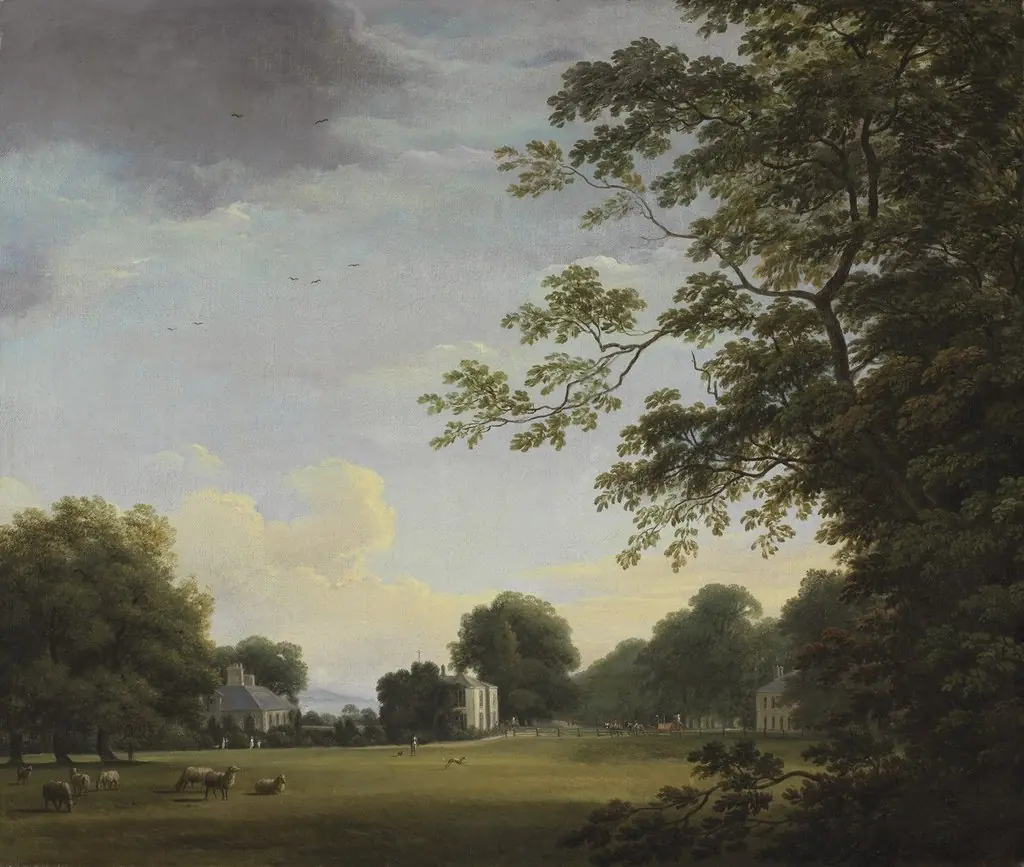 View in Mount Merrion Park
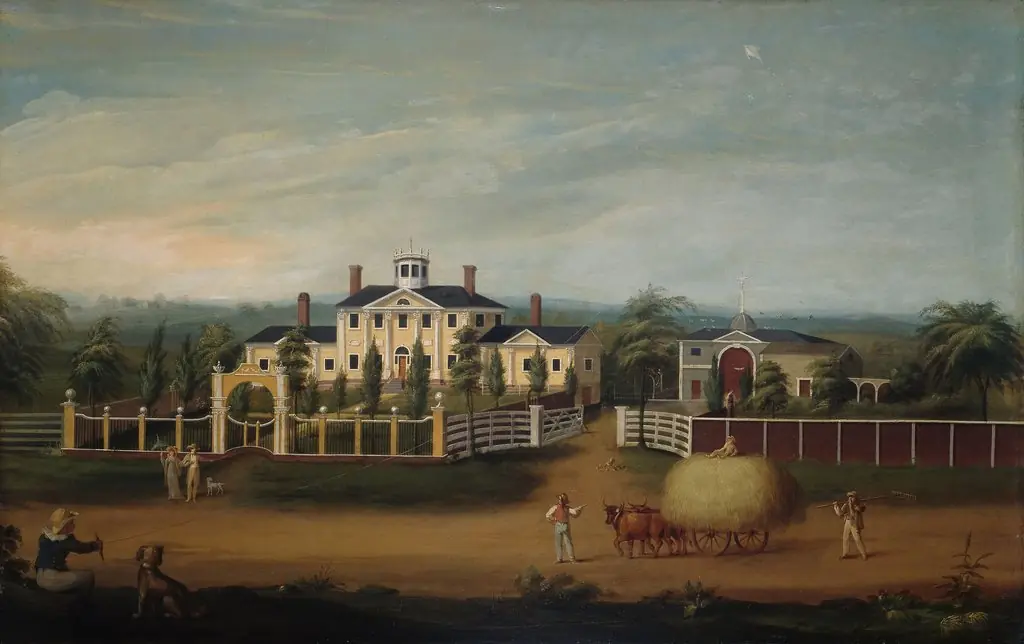 New England Country Seat
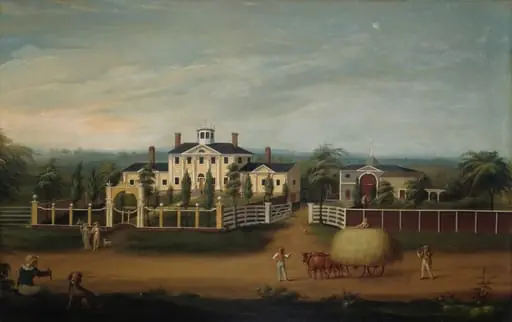 New England Country Seat
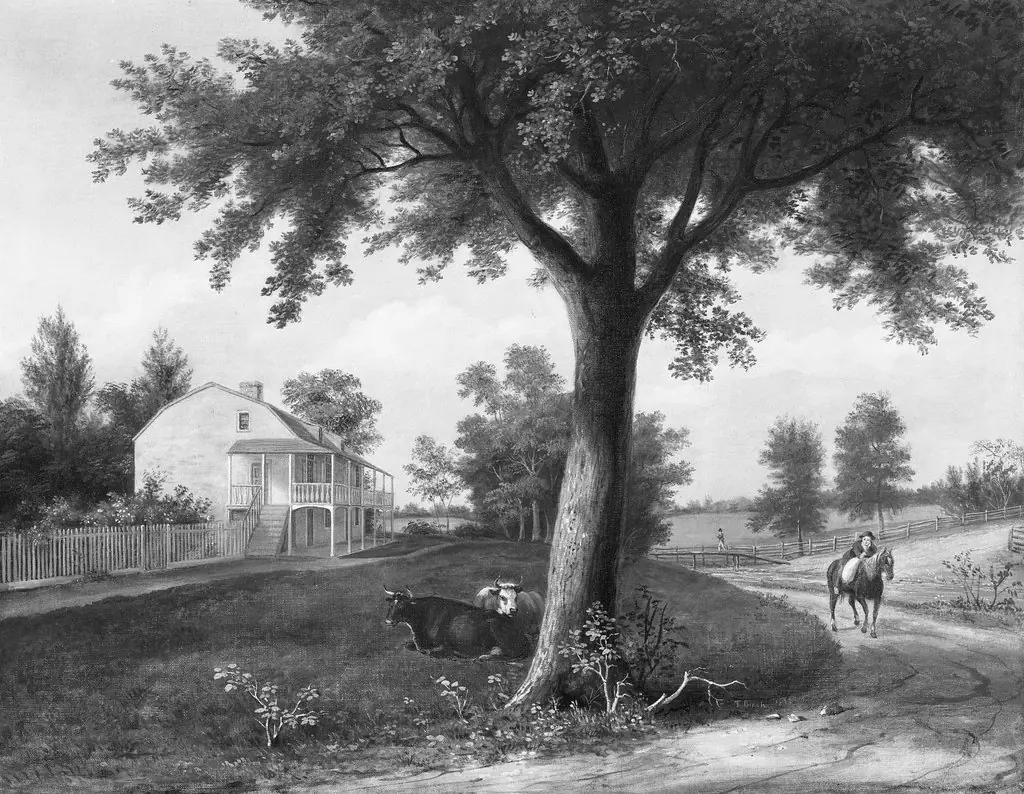 Milford, North Wales, Pennsylvania
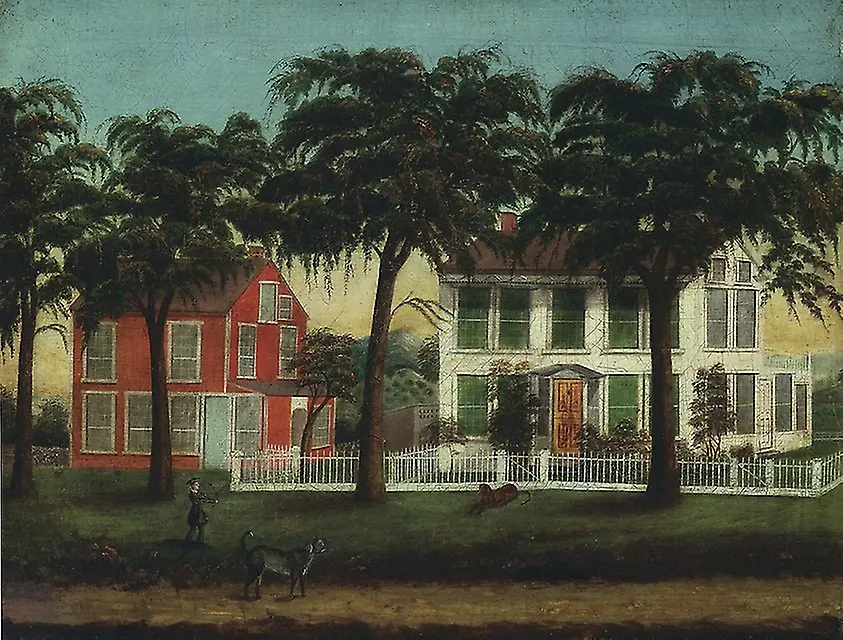 Houses on the Fox River, Illinois
 Houses on the Fox River, Illinois
 Easton Park
 View of the Nieuwe Gracht near the Bolwerk, Haarlem
 View of Pibwrwen
 View of the Village of Eemnes
 View in Mount Merrion Park