Artwork
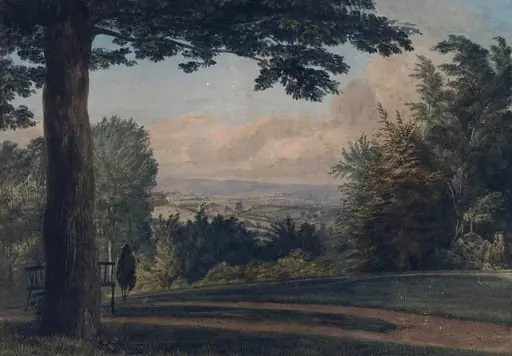
View in Mount Merrion Park
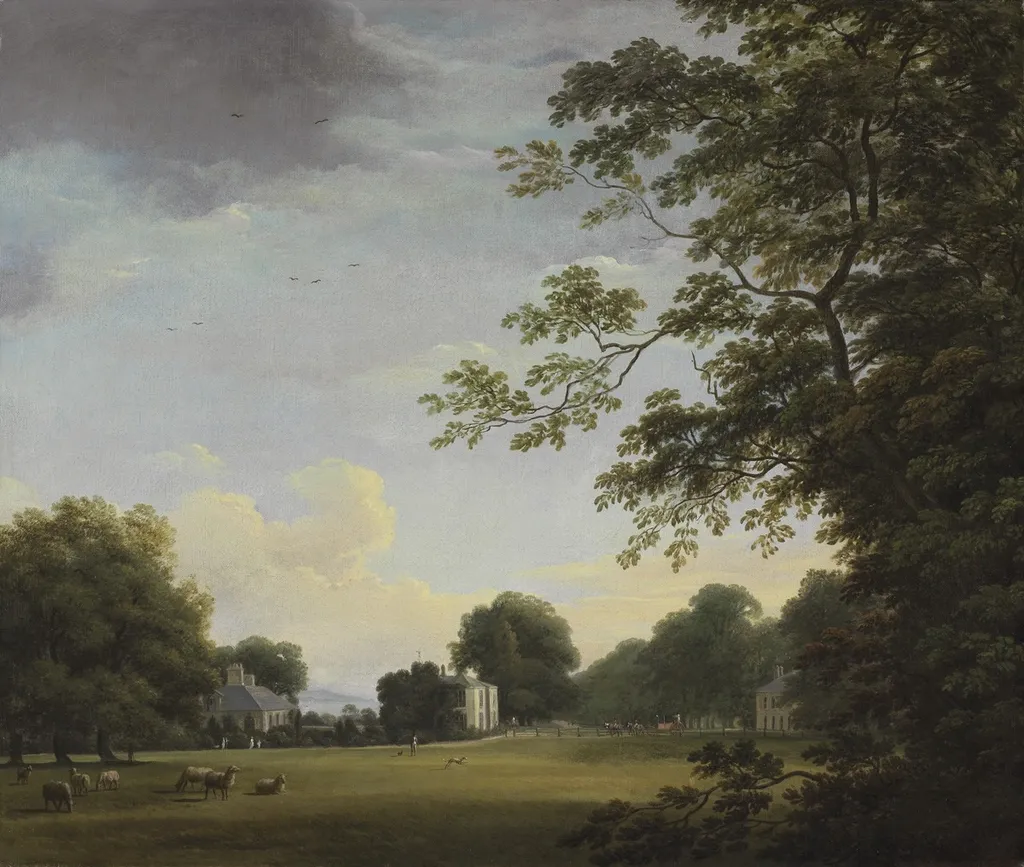
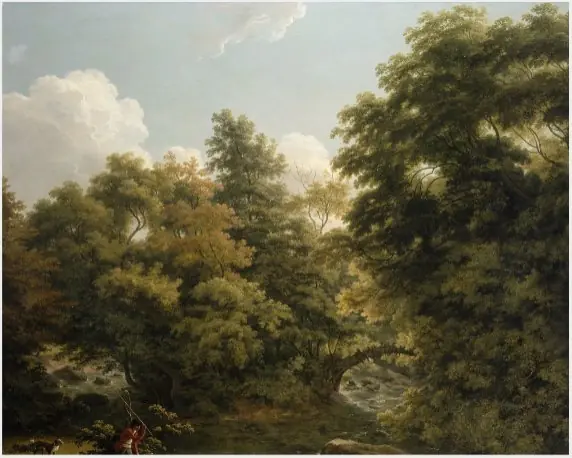
View in Mount Merrion Park is an oil painting by the British Romanticist artist William Ashford. It dates from 1806 and is held in the collection of the Fitzwilliam Museum.
About this work
Overview
View in Mount Merrion Park is an 1806 oil painting by William Ashford, created for the 4th Earl FitzWilliam. It depicts a serene landscape within the park, featuring a prominent house, trees, a grassy field, and figures in the foreground.
Subject & Meaning
The painting captures a tranquil scene of everyday life and natural beauty in Mount Merrion Park. The inclusion of people and animals amidst the landscape suggests a harmony between human presence and nature.
Technique & Style
Ashford employed warm, sunset hues and skillful manipulation of light and shadow to create depth and a peaceful atmosphere, characteristic of the British Romanticism movement.
History & Provenance
Commissioned by the 4th Earl FitzWilliam, the painting is now part of the Fitzwilliam Museum's collection. Ashford, an English-born artist who settled in Ireland, was a key figure in Irish art institutions.
Context
Part of a broader series of landscape views, this work reflects Ashford's transition from still-life to landscape painting, a shift he made in 1772. It aligns with the aesthetic values of British Romanticism.
Legacy
As a leading artist in Ireland and founder-president of the Royal Hibernian Academy, Ashford's work, including *View in Mount Merrion Park*, contributed to the development of Irish artistic identity in the early 19th century.
Artist & collection
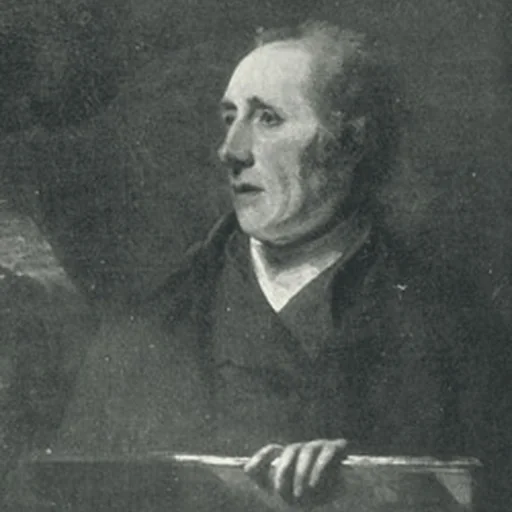
Artist
William Ashford (1746 – 17 April 1824) was an English painter who worked exclusively in Ireland, where he lived from the age of 18, having initially gone there to take up a post with the Ordnance Office.

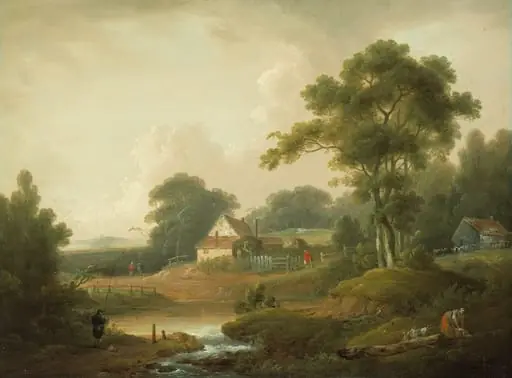
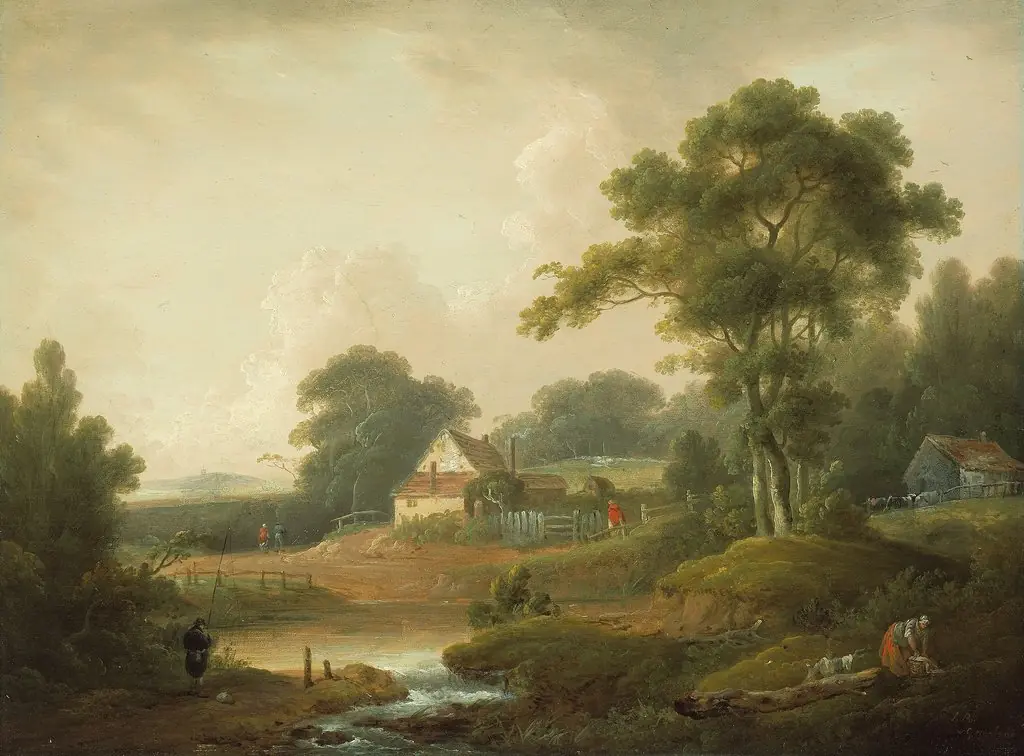
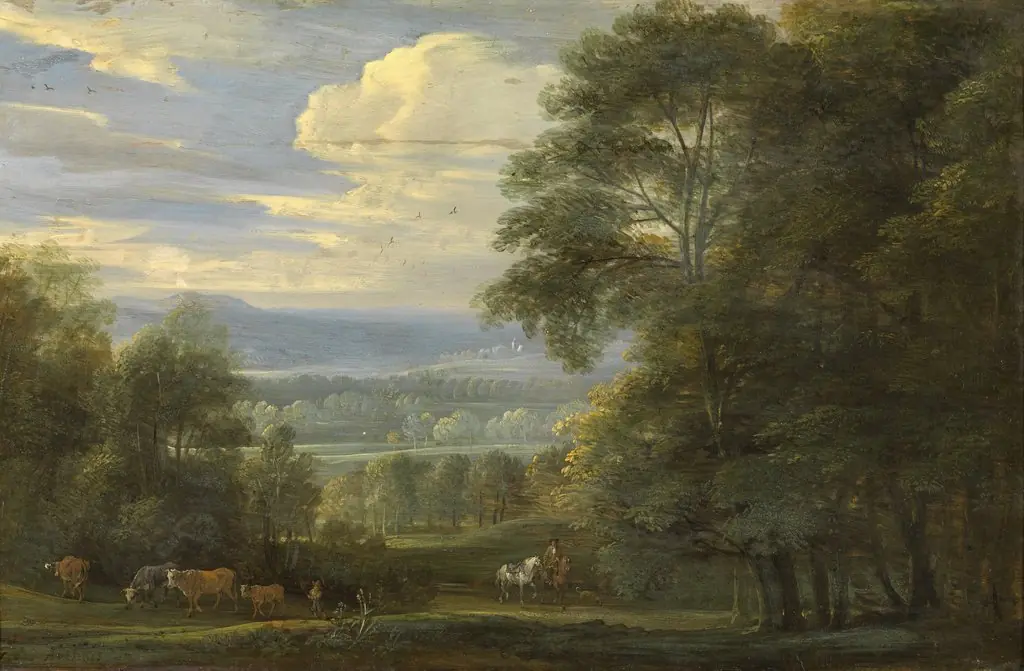
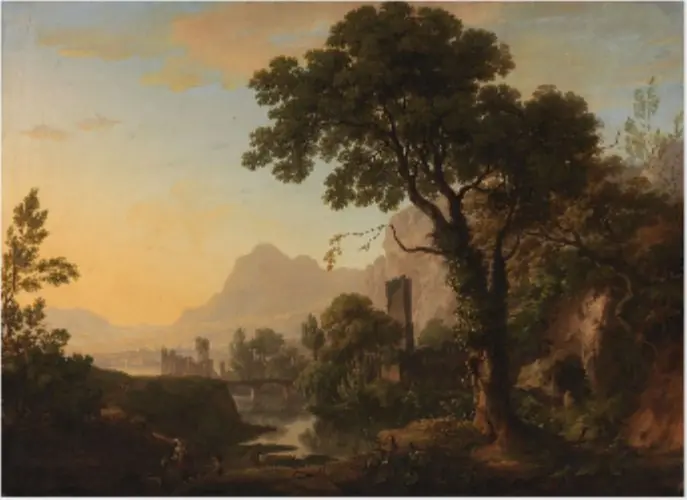 An Idyllic Landscape
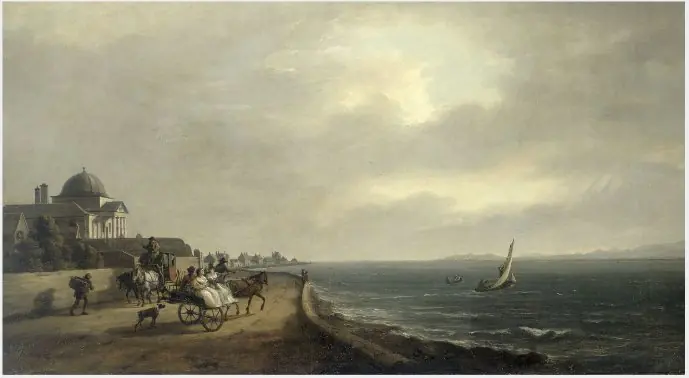 The Royal Charter School, Clontarf, County Dublin
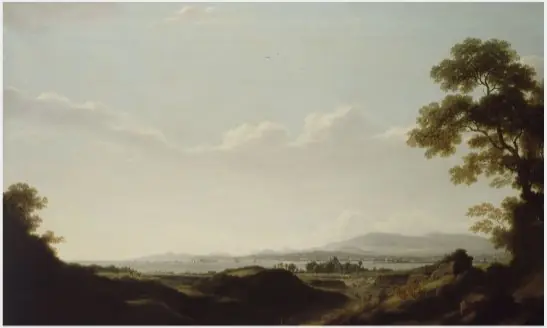 A View of Dublin from Clontarf
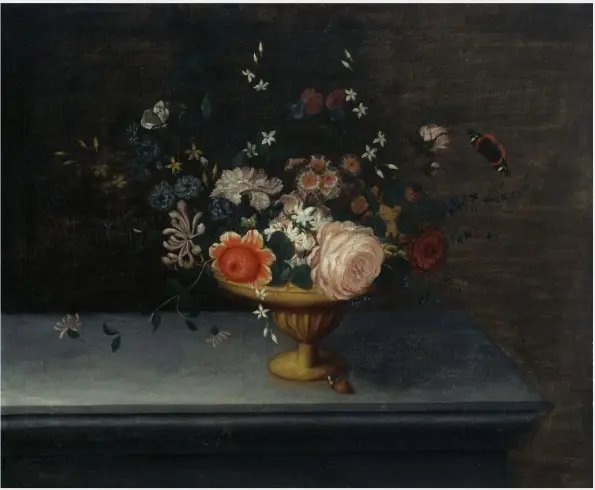 A Group of Flowers
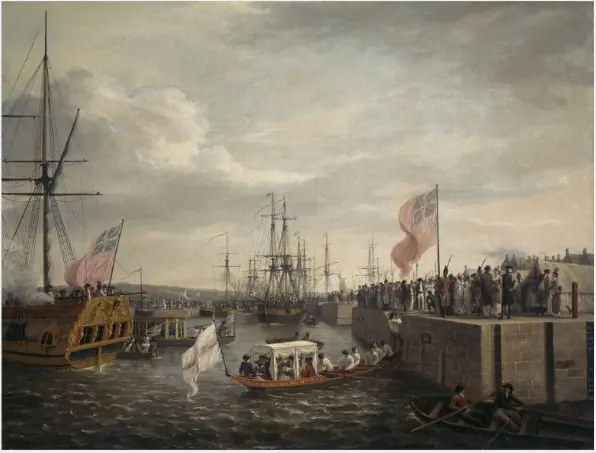 Opening of the Ringsend Docks, Dublin, 23 April 1796, with Lord Camden Conferring Knighthood on Mr John Macartney
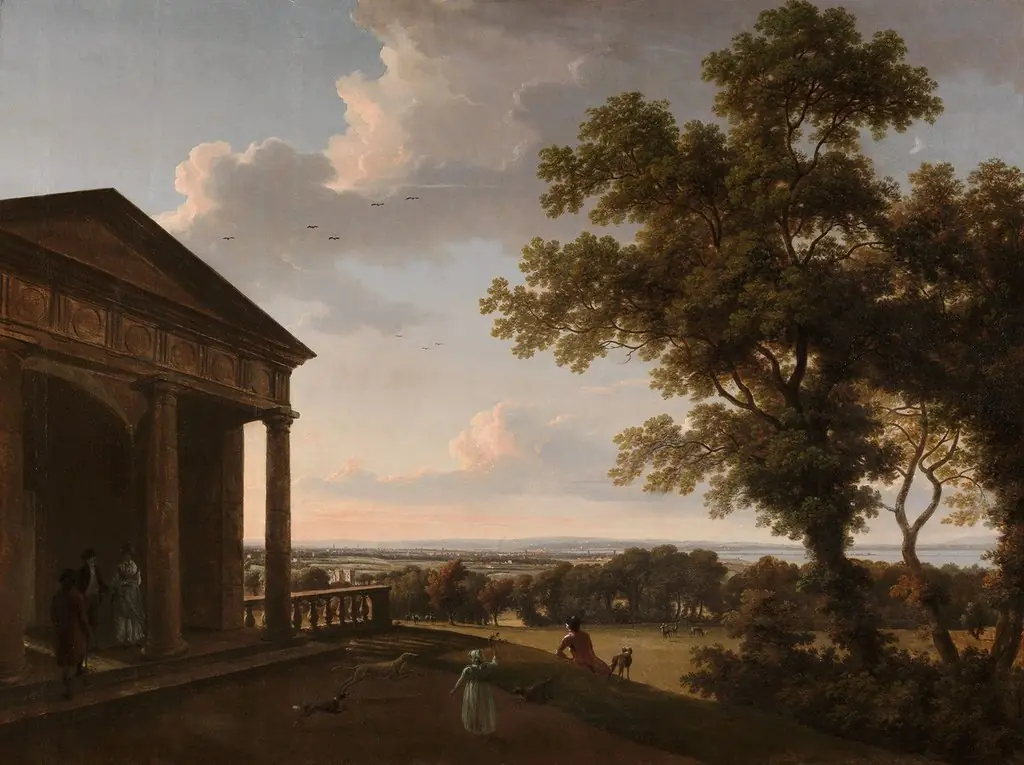 View in Mount Merrion Park (1804)
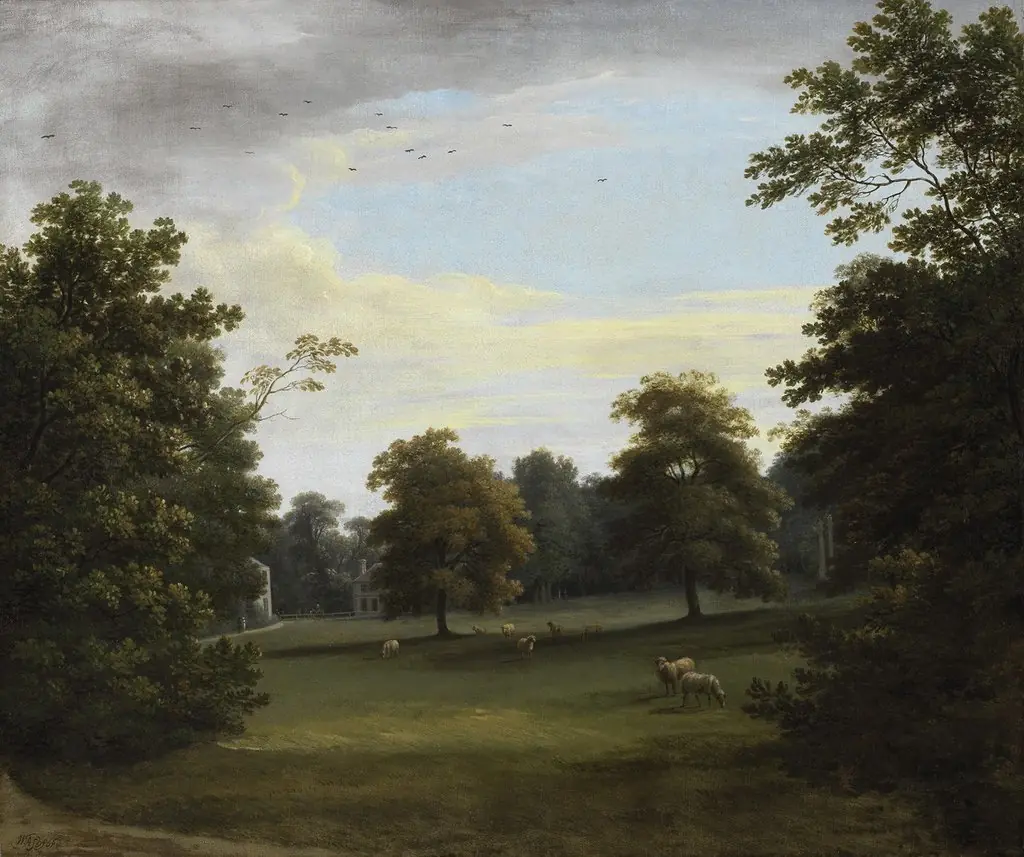 View in Mount Merrion Park
 The River in the Demesne at Charleville