Artwork
View of the Village of Eemnes
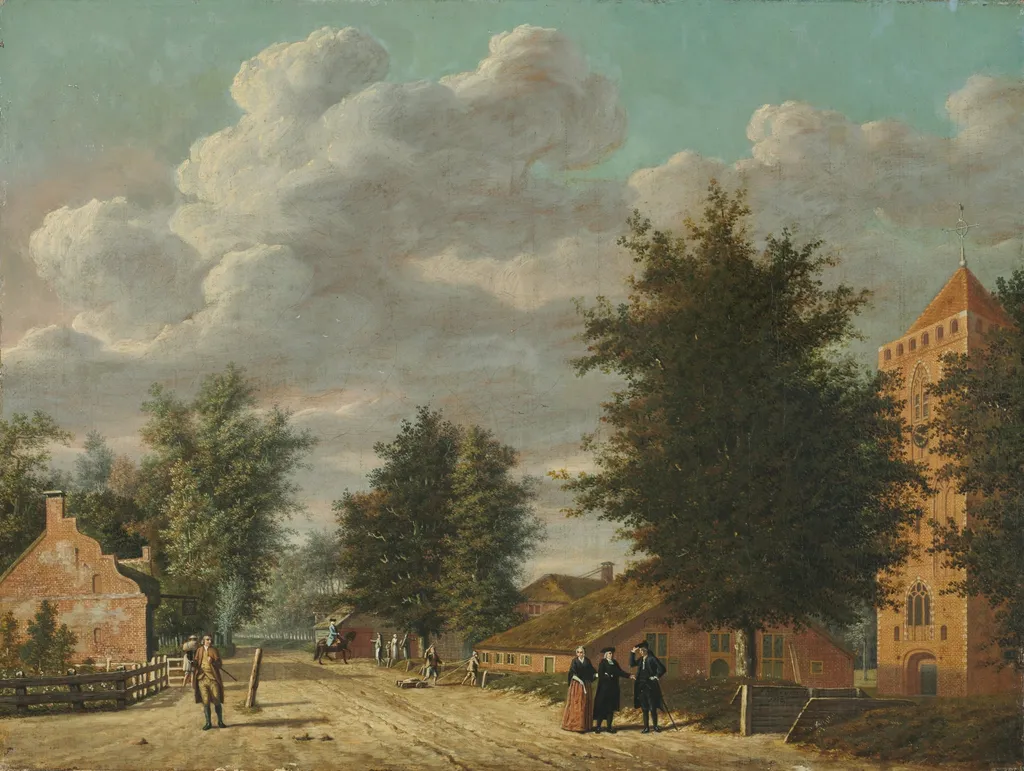
View of the Village of Eemnes is an unspecified painting by the Rococo painting artist Jordanus Hoorn. It dates from 1778 and is held in the collection of the Cleveland Museum of Art.
About this work
Overview
Painted in 1778 by Jordanus Hoorn, this work depicts the Dutch village of Eemnes in a calm, observational style.
Painted in 1778 by Jordanus Hoorn, this work depicts the Dutch village of Eemnes in a calm, observational style. It captures a quiet rural scene with modest brick structures, a prominent church tower, and a winding dirt path. The composition is grounded in everyday life, avoiding dramatic gestures in favor of subtle atmospheric detail. The painting is part of the collection at The Cleveland Museum of Art.
Subject & Meaning
The scene presents an unidealized view of village life, emphasizing routine rather than spectacle. Figures move along the road—some on foot, others on horseback—suggesting daily activity without narrative focus. The church tower anchors the composition, hinting at communal structure, while the natural elements frame human presence as part of a larger, tranquil landscape. There is no overt symbolism; meaning arises from quiet observation.
Technique & Style
Hoorn employs soft, diffused lighting to render the textures of brick, foliage, and cloud cover with quiet realism. Brushwork is restrained, avoiding sharp outlines in favor of gentle transitions between light and shadow. Warm tones in the architecture and trees contrast with the cool blue sky, enhancing spatial depth. The handling of light suggests an awareness of naturalism, influenced by Dutch landscape traditions of the previous century.
History & Provenance
Created in 1778, the painting remained within Dutch artistic circles before entering the collection of The Cleveland Museum of Art. Its documented history is limited, but its style aligns with regional Dutch topographical paintings of the late 18th century. No significant alterations or restorations are publicly recorded, and it has been consistently attributed to Hoorn since its acquisition.
Context
During the late 1700s, Dutch artists increasingly turned to local landscapes as subjects, moving away from grand historical or mythological themes. Eemnes, a modest village near Utrecht, was typical of the rural settings favored by regional painters. Hoorn’s work reflects this trend, valuing accuracy and serenity over embellishment, mirroring broader Enlightenment-era interests in observable reality.
Legacy
Though not widely known outside regional art histories, Hoorn’s painting contributes to the understanding of Dutch landscape painting in the late 18th century. It exemplifies how smaller communities were documented with quiet dignity, preserving a visual record of everyday life before industrialization. The work remains a quiet testament to the value placed on local scenery in Dutch artistic practice.
Own this work as a print
Artist & collection

Artist
Jordanus Hoorn (1753–1833) was a painter and drawing teacher from the Netherlands.

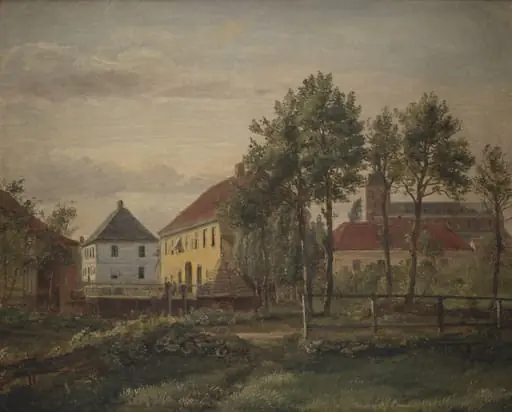 A Mill in Odense
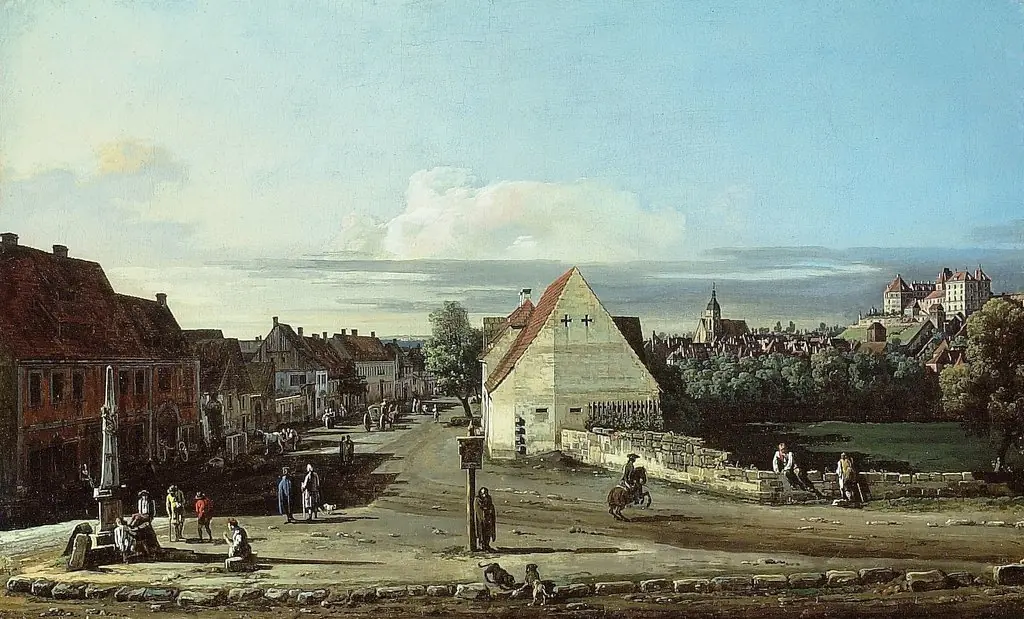 View of Pirna, from Sonnestein Castle
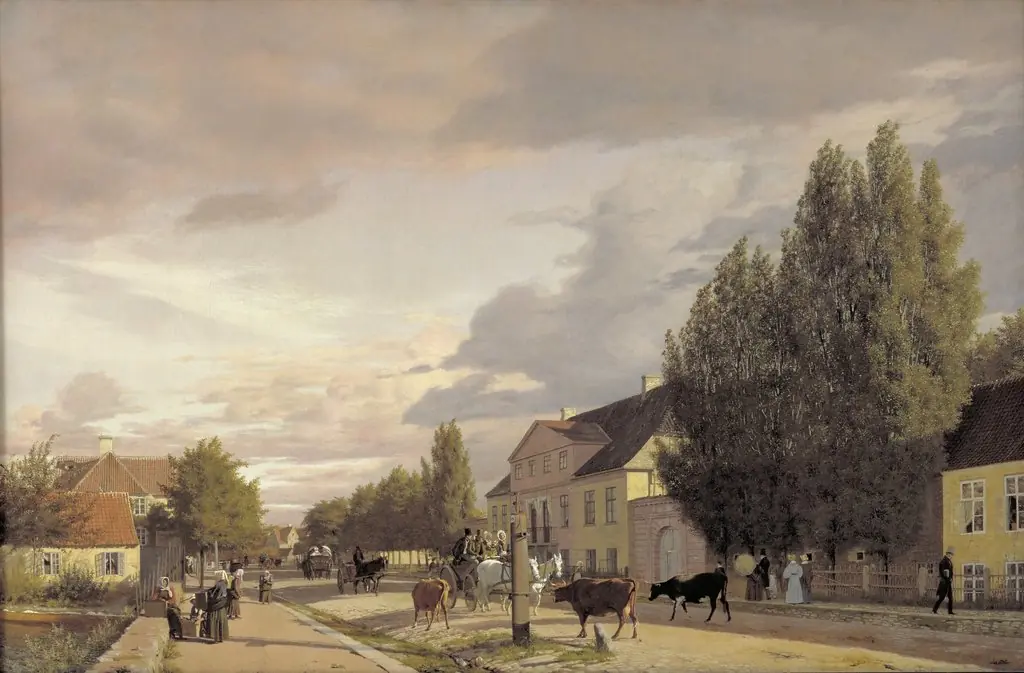 View of a Street in Østerbro outside Copenhagen. Morning Light
 View of Pirna with the Fortress of Sonnenstein
 Farm in Merksem
 Landscape with a Farm
 View of Engelholm at Præstø in Zealand
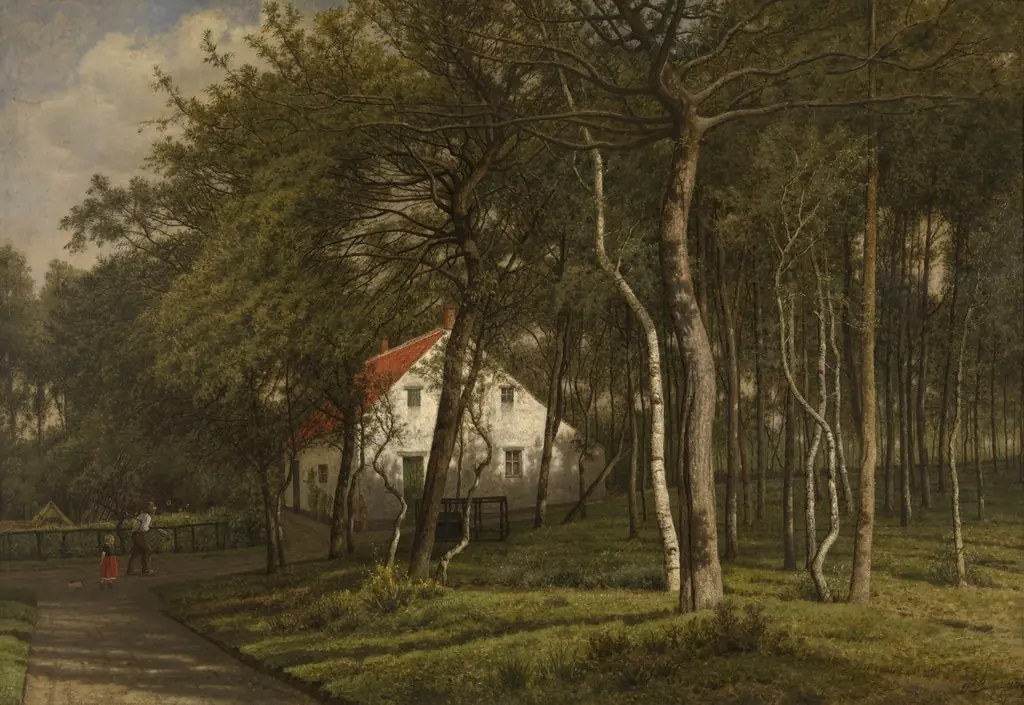 A Forester Cottage in Putte
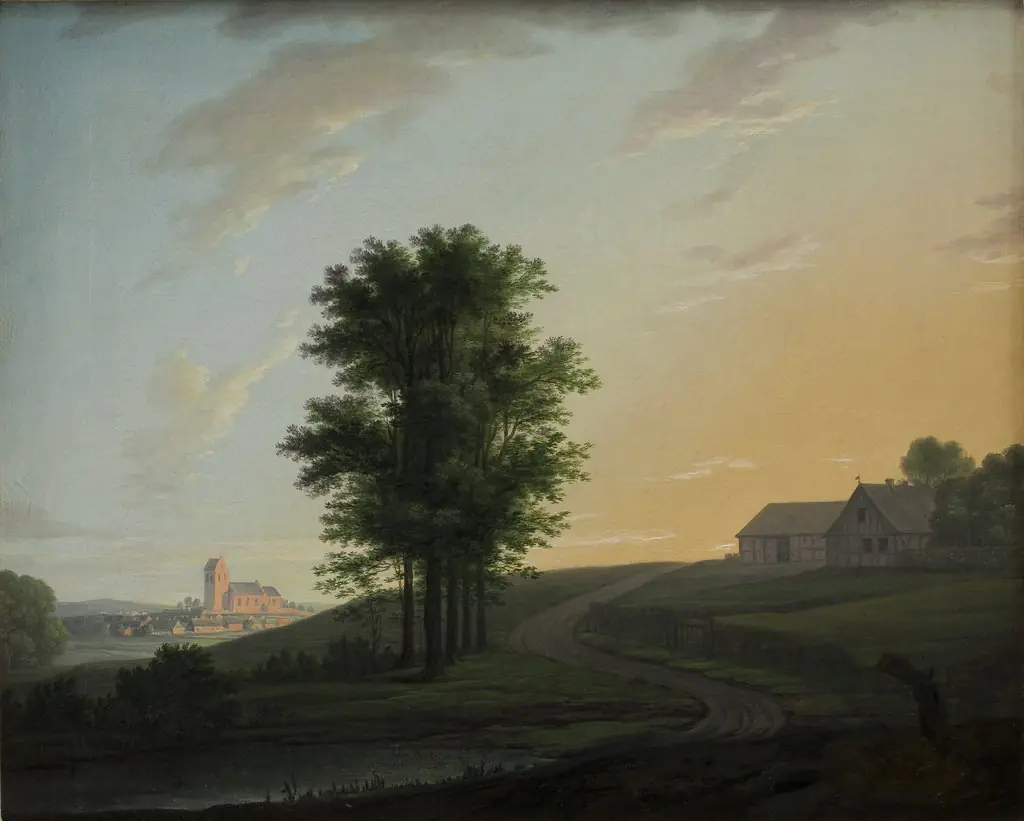 Evening Landscape near Gentofte, North of Copenhagen
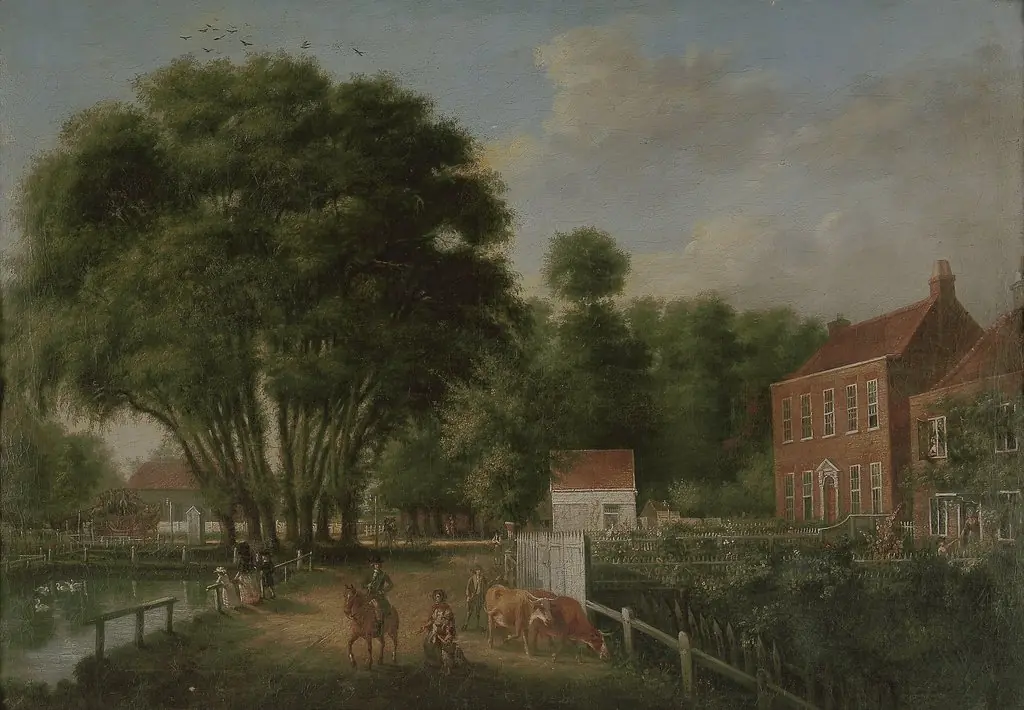 The seven sisters of Tottenham