Artwork
Portrait of Count George Spencer (2nd) (1758-1834)
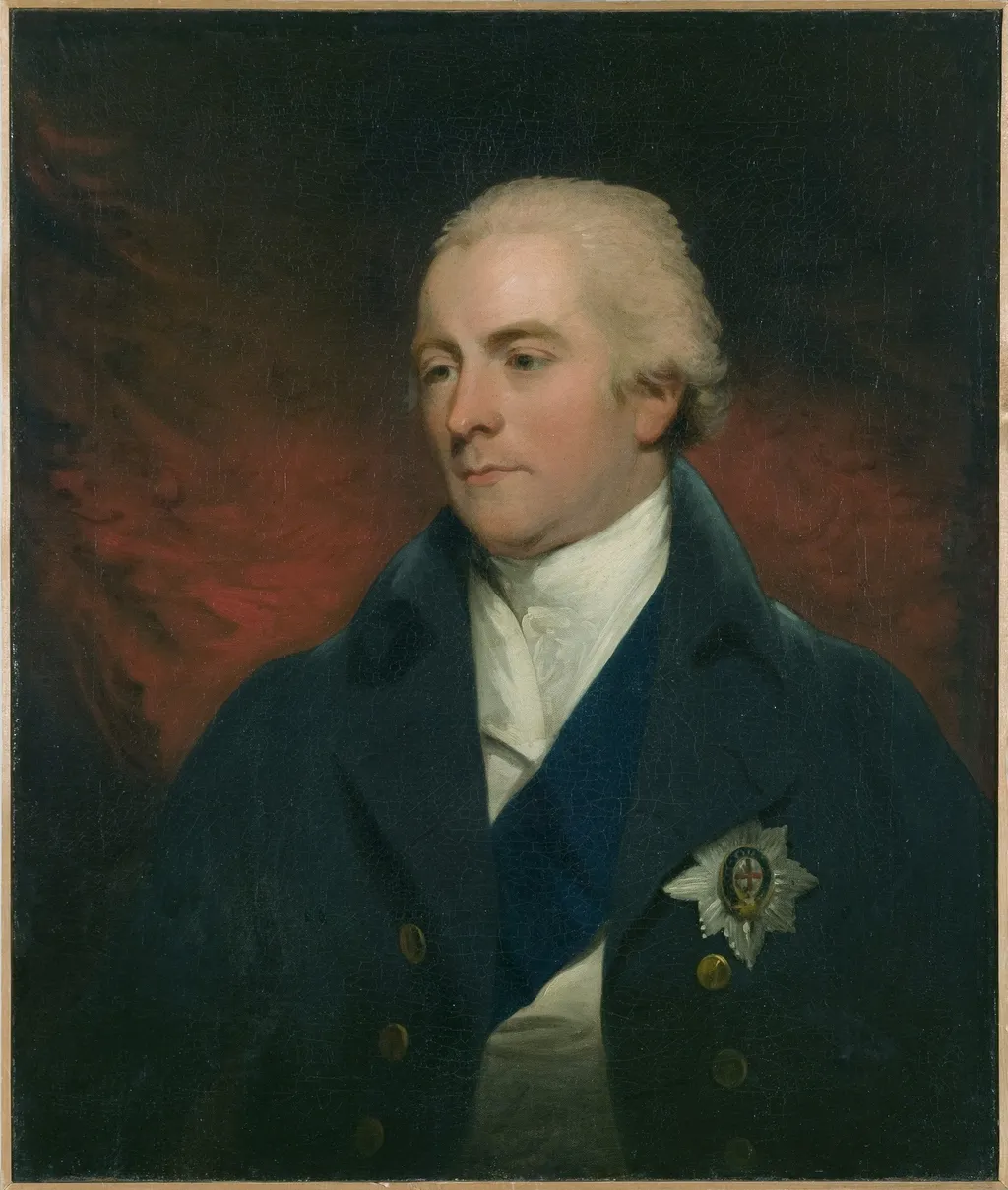
Portrait of Count George Spencer (2nd) (1758-1834) is an oil painting by John Hoppner. It dates from 1802 and is held in the collection of the Hermitage Museum.
About this work
Overview
It reflects the conventions of late 18th-century British portraiture, emphasizing status through refined dress and composed demeanor.
Painted in 1802 by John Hoppner, this oil portrait depicts George Spencer, the 2nd Earl Spencer, a British nobleman and politician. The work is part of the State Hermitage Museum’s collection in Saint Petersburg. It reflects the conventions of late 18th-century British portraiture, emphasizing status through refined dress and composed demeanor. Hoppner, known for his elegant renderings of aristocracy, captures Spencer with restrained formality.
Subject & Meaning
George Spencer, a prominent figure in British political life, is portrayed with quiet authority. His attire—dark blue coat with gold buttons, crisp white shirt, and a lapel flower—signals aristocratic identity without ostentation. The flower, likely a symbolic gesture, may reference personal taste or political affiliation. The somber background isolates the figure, reinforcing his dignity and social standing without narrative distraction.
Technique & Style
Hoppner employs smooth brushwork and subtle tonal transitions to render fabric and skin with naturalistic precision. The dark red and black background enhances the contrast of Spencer’s light shirt and metallic buttons, drawing focus to his face and posture. The painting adheres to the academic tradition of the period, favoring clarity and balance over dramatic flair, typical of Hoppner’s approach to aristocratic subjects.
History & Provenance
Commissioned during Spencer’s active years in public life, the portrait entered the Hermitage collection in the 19th century, likely through diplomatic or royal channels. Its presence in Russia suggests cross-cultural appreciation of British portraiture among European elites. The painting has remained in the museum’s holdings since at least the early 1800s, with no documented changes in ownership since its acquisition.
Context
Created during the Napoleonic Wars, the portrait reflects a moment when British aristocracy sought to project stability and continuity. Hoppner’s style, influenced by Reynolds and Gainsborough, aligned with the era’s preference for dignified representation. Spencer’s role as a Whig politician and patron of the arts made him a fitting subject for such a portrait, embodying the cultural values of his class.
Legacy
The portrait stands as a representative example of Hoppner’s contribution to British portraiture, though less widely known than works by his contemporaries. Its preservation in the Hermitage underscores the international circulation of British elite imagery. While not revolutionary in technique, it remains a quiet testament to the visual language of aristocratic identity in early 19th-century Europe.
Artist & collection

Artist
John Hoppner (4 April 1758 – 23 January 1810) was an English painter, much influenced by Joshua Reynolds, who achieved fame as a colourist.

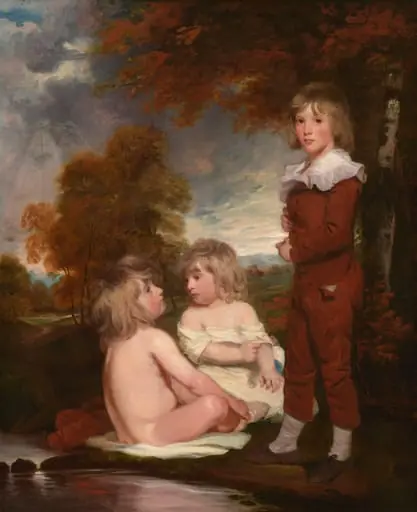 The Hoppner Children
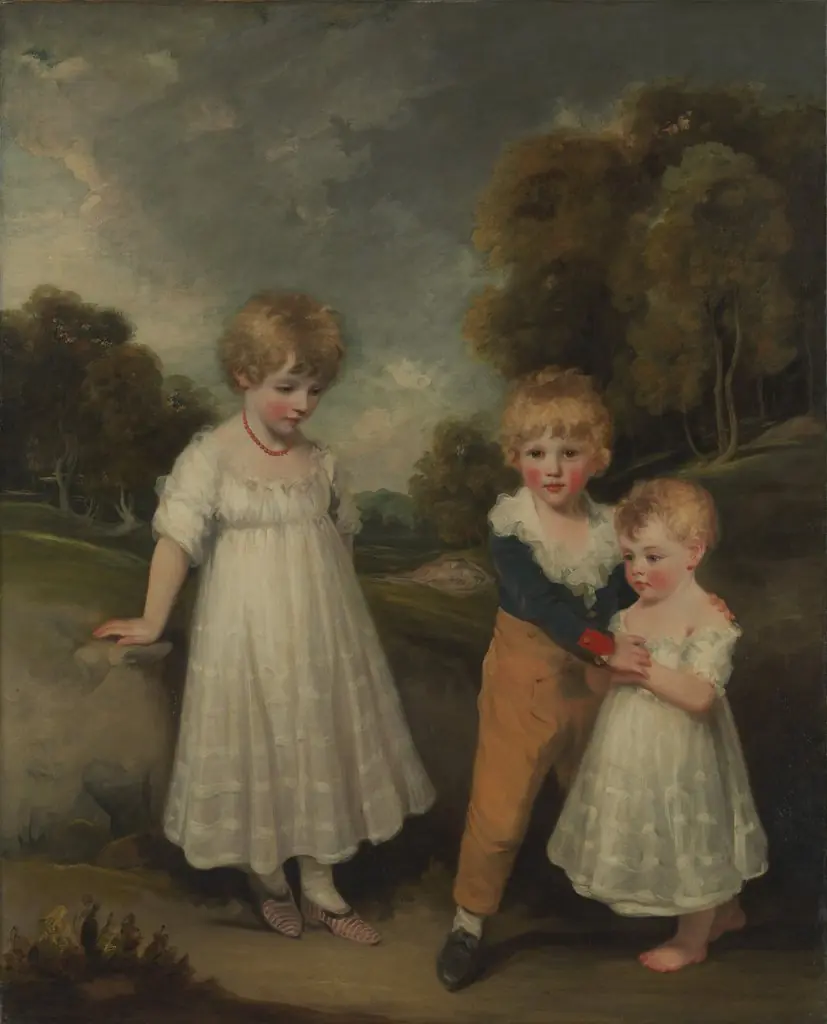 The Sackville Children
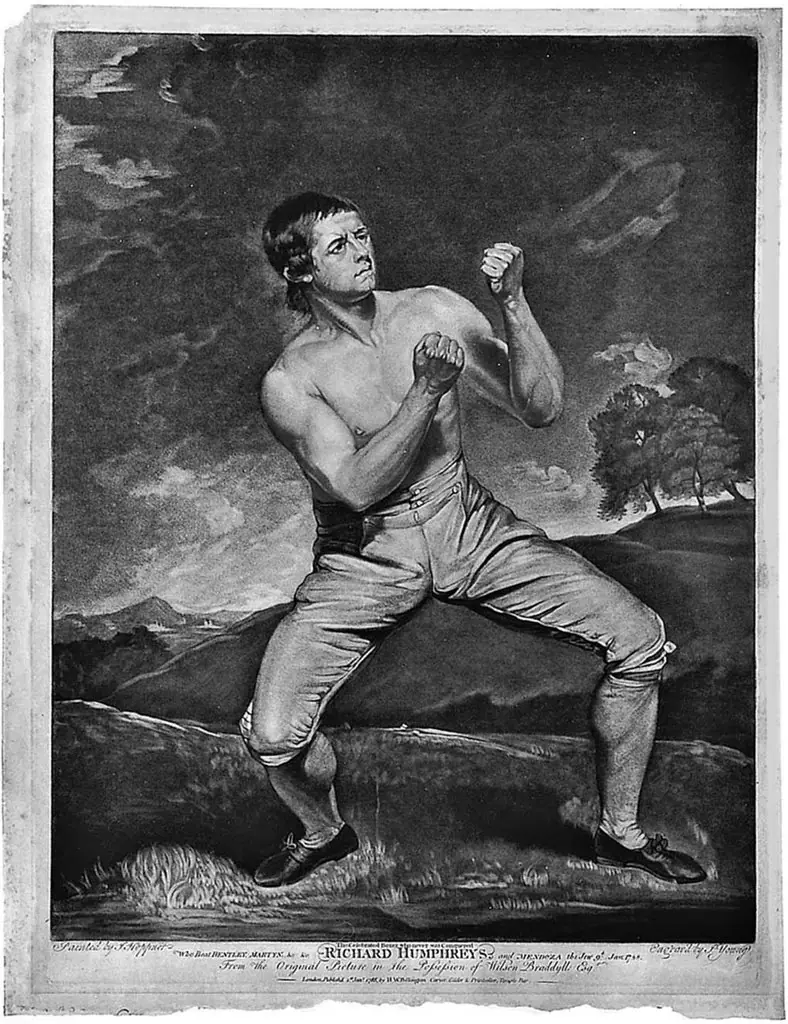 Richard Humphreys, the Boxer
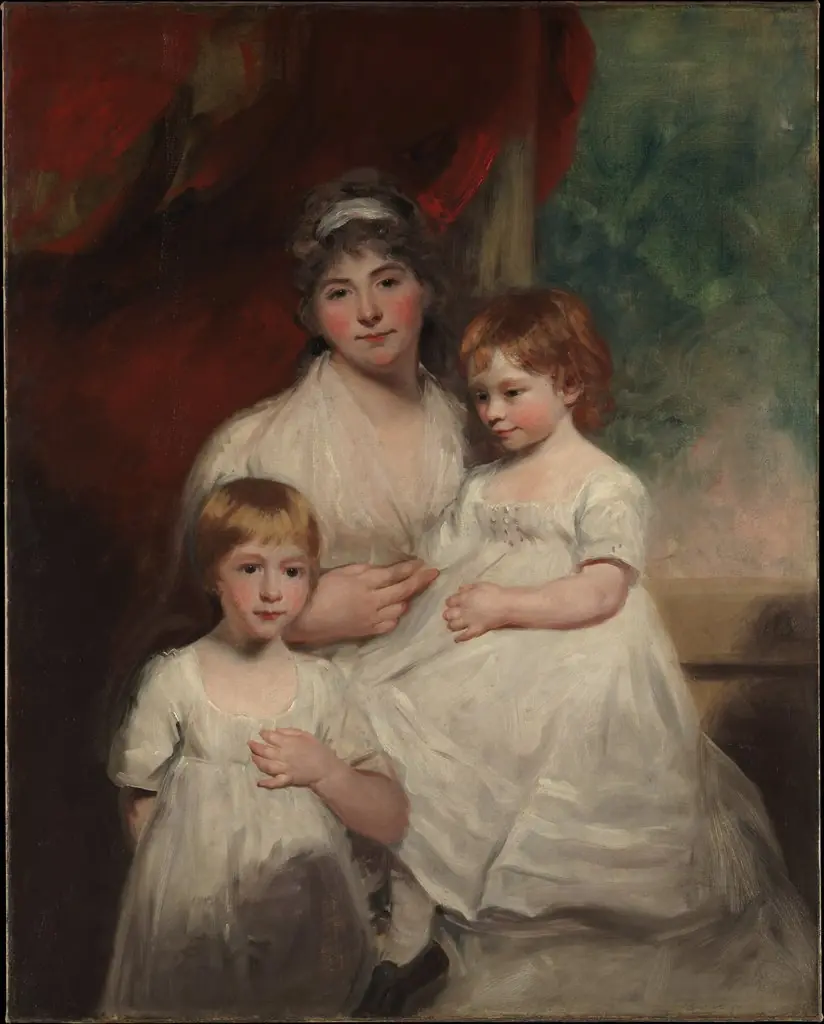 Mrs. John Garden (Ann Garden, 1769–1842) and Her Children, John (1796–1854) and Ann Margaret (born 1793)
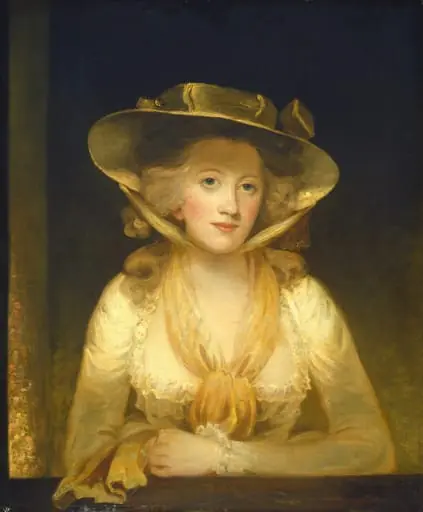 Lady Cunliffe
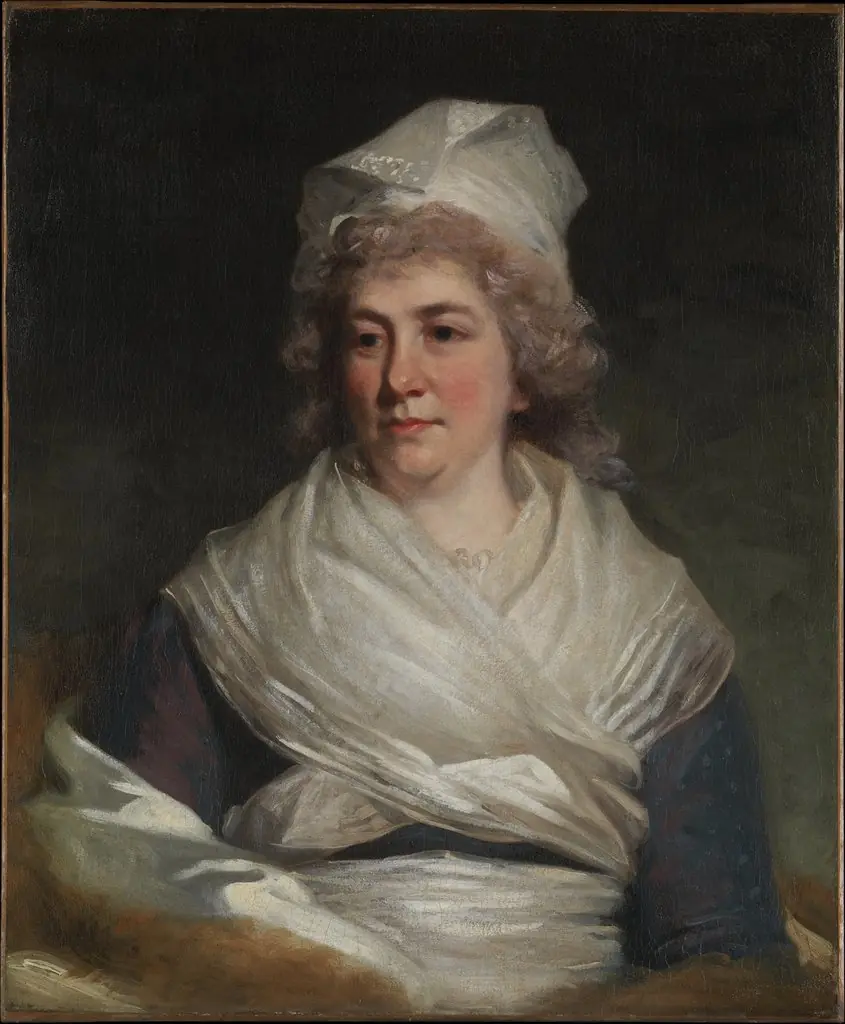 Mrs. Richard Bache (Sarah Franklin, 1743–1808)
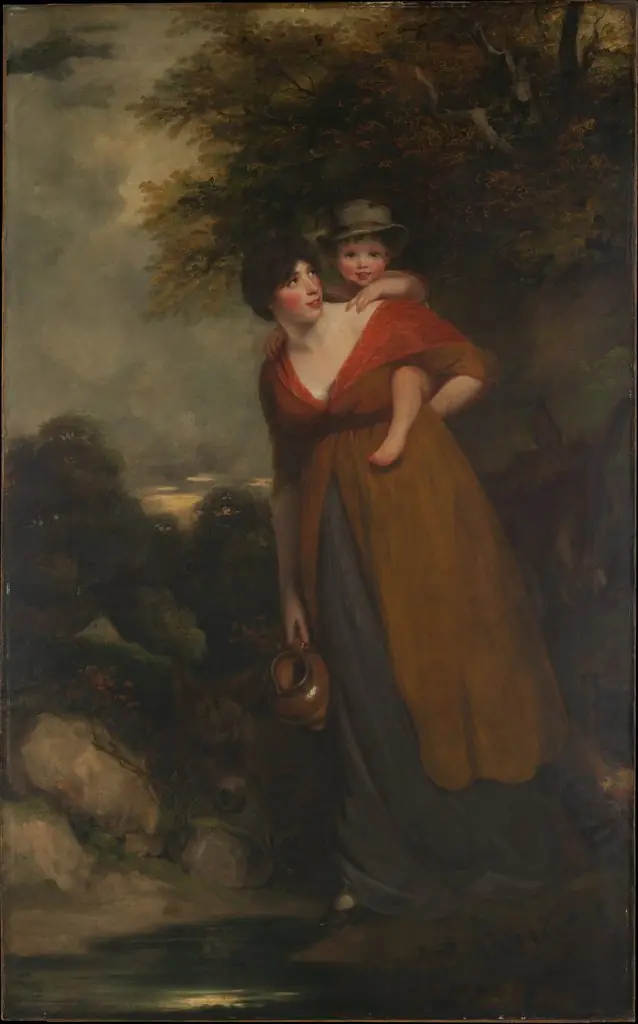 Mrs. Richard Brinsley Sheridan (Hester Jane Ogle, 1775/76–1817) and Her Son (Charles Brinsley Sheridan, 1796–1843)
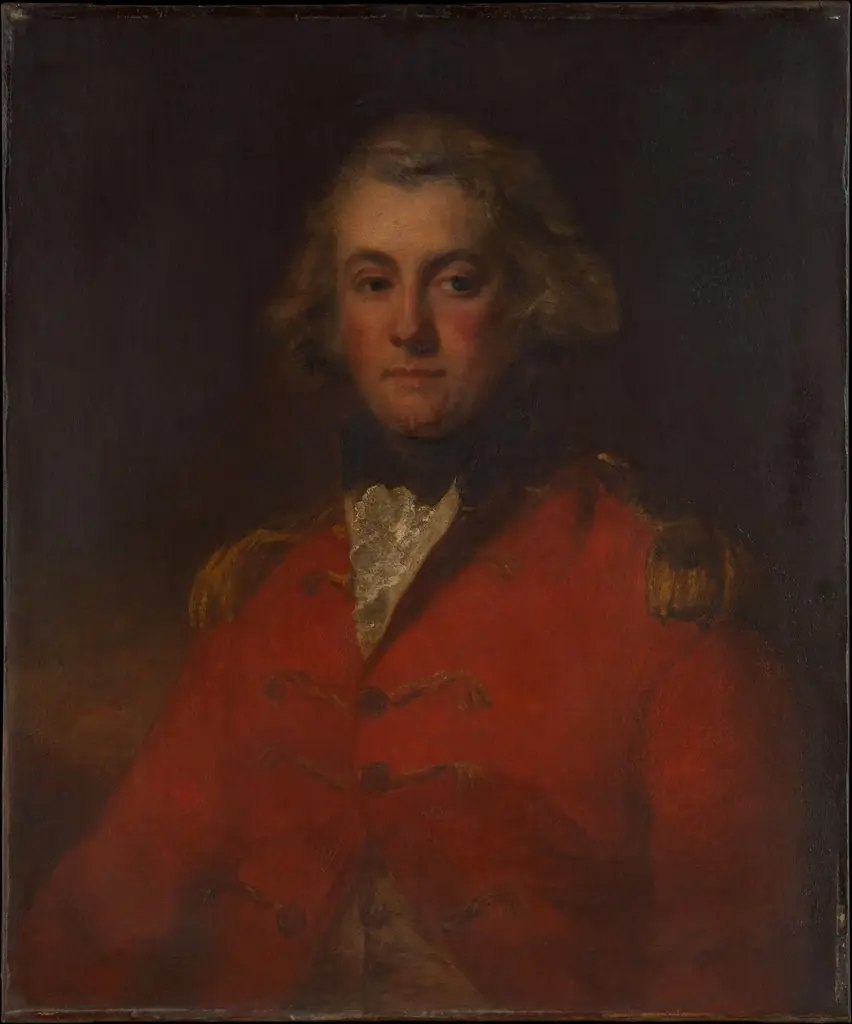 Major Thomas Pechell (1753–1826)
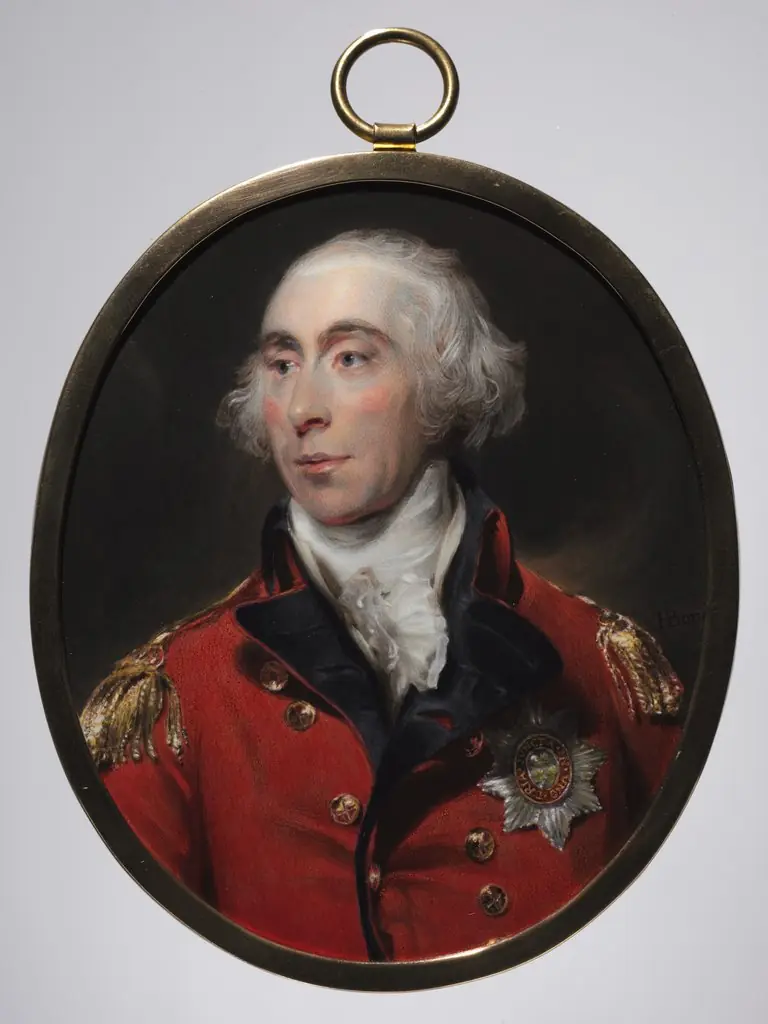 Portrait of General Sir Charles Grey, later 1st Earl Grey
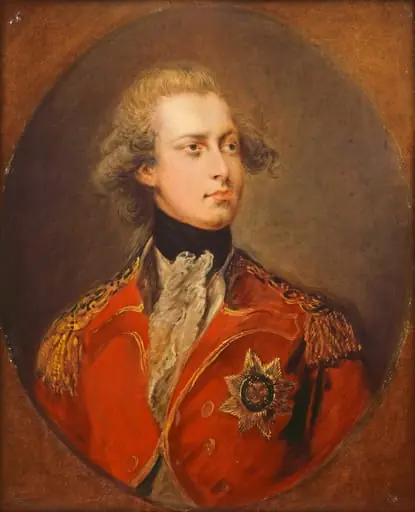 George IV as Prince of Wales
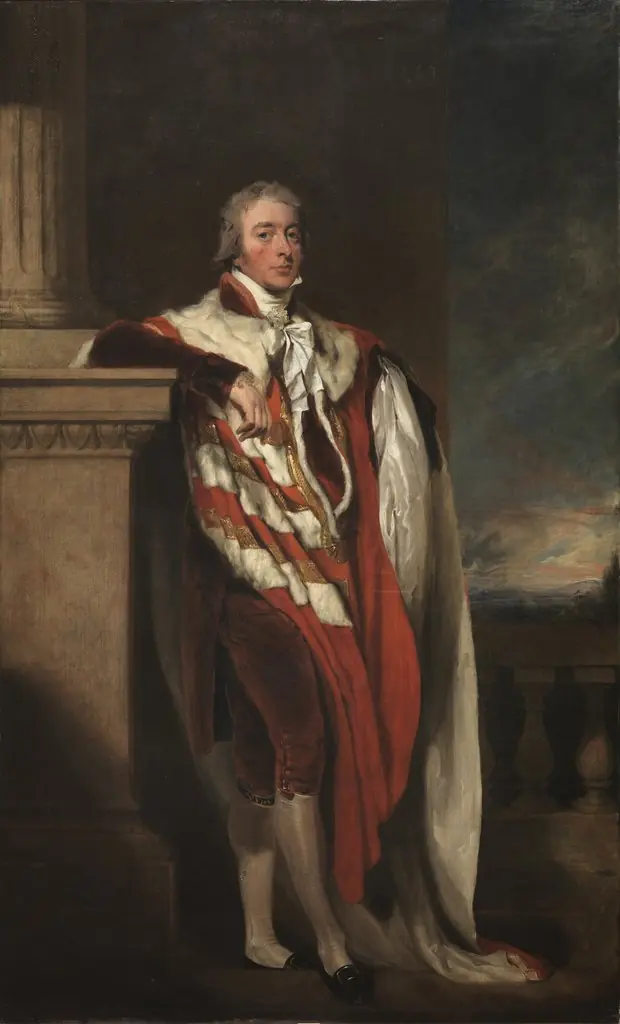 John Fane, 10th Earl of Westmoreland
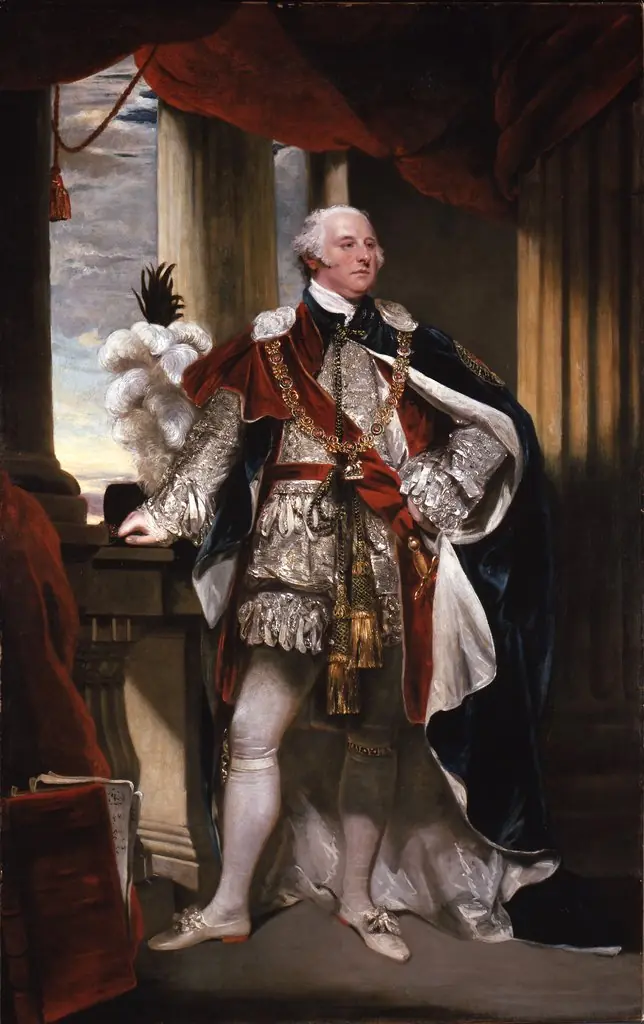 John Jeffreys Pratt, Second Earl and First Marquis Camden as Knight of the Order of the Garter
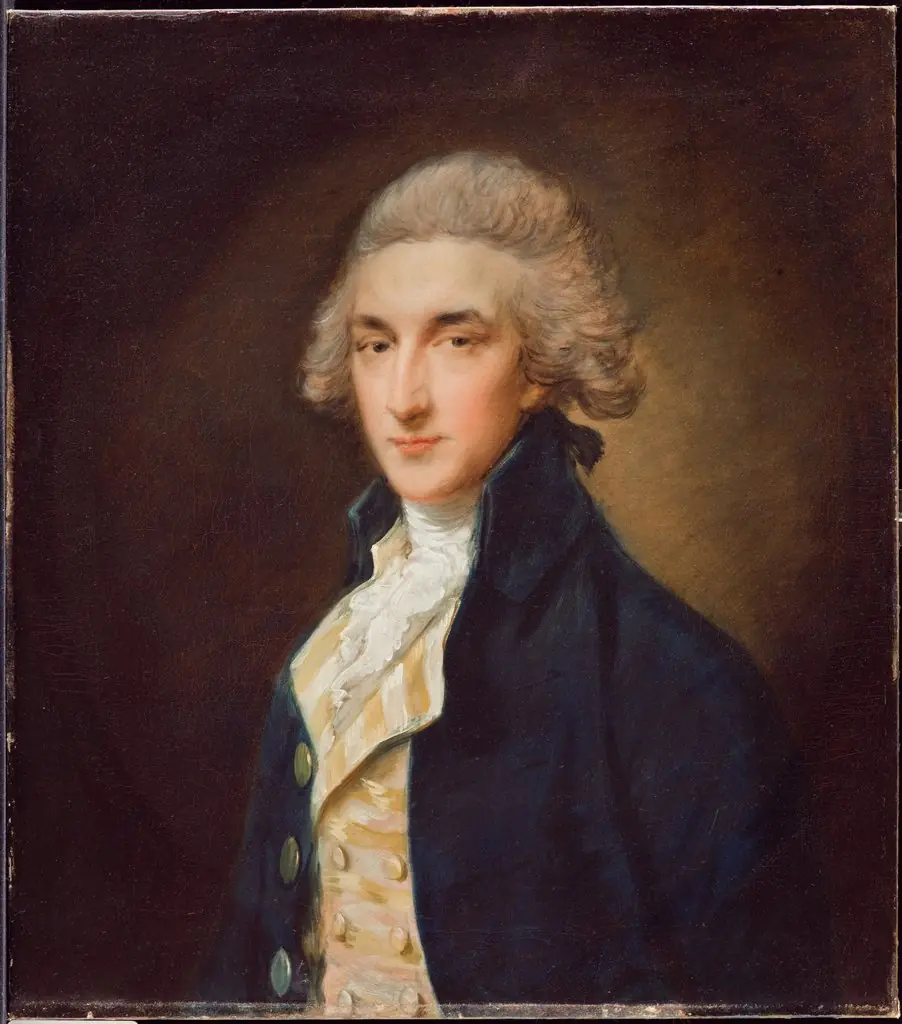 Sir John Edward Swinburne
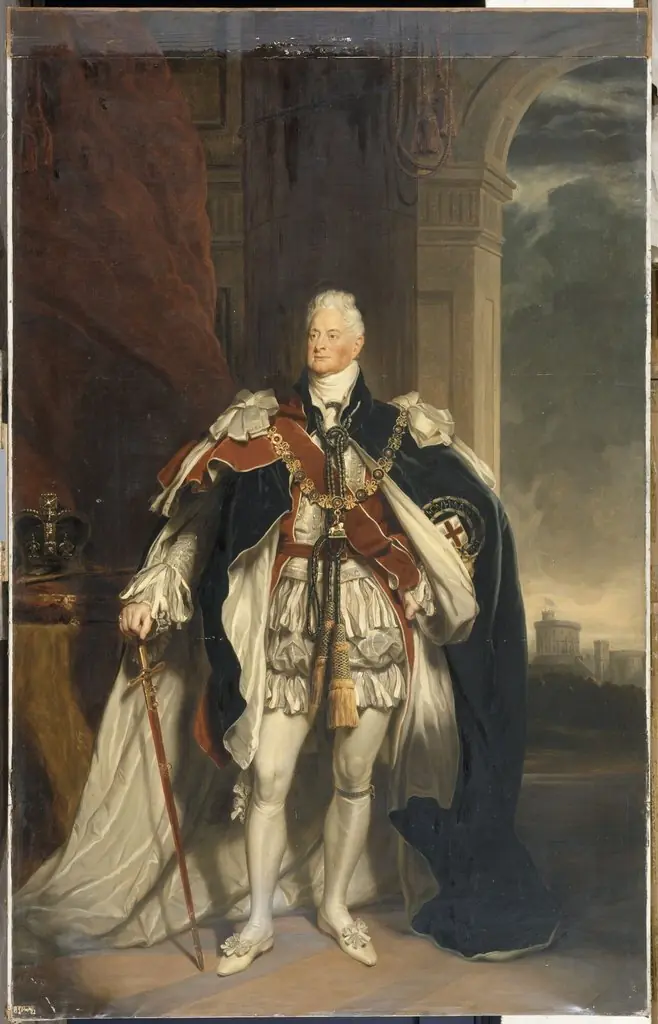 William IV, King of England (1765–1837)
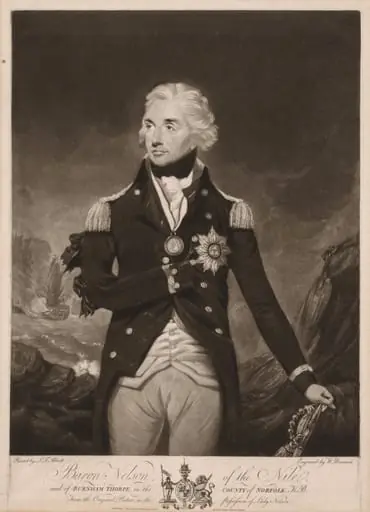 Horatio Nelson
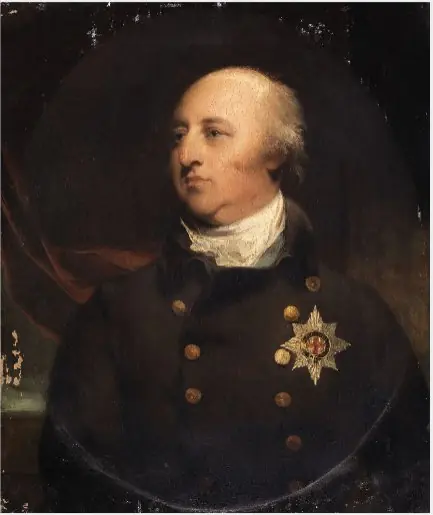 Portrait of John Jeffreys Pratt, Marquess of Camden (1759-1840)
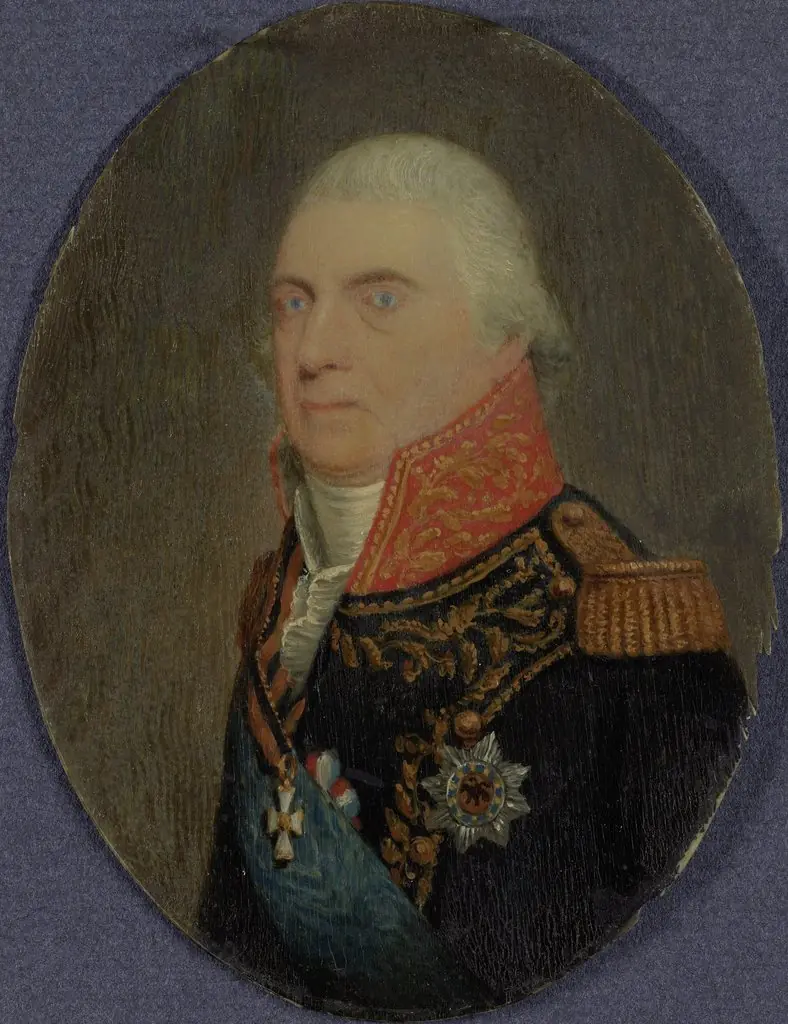 Jan Hendrik van Kinsbergen (1735-1819). Vice-admiraal, buitengewoon maarschalk der Hollandse zeemacht
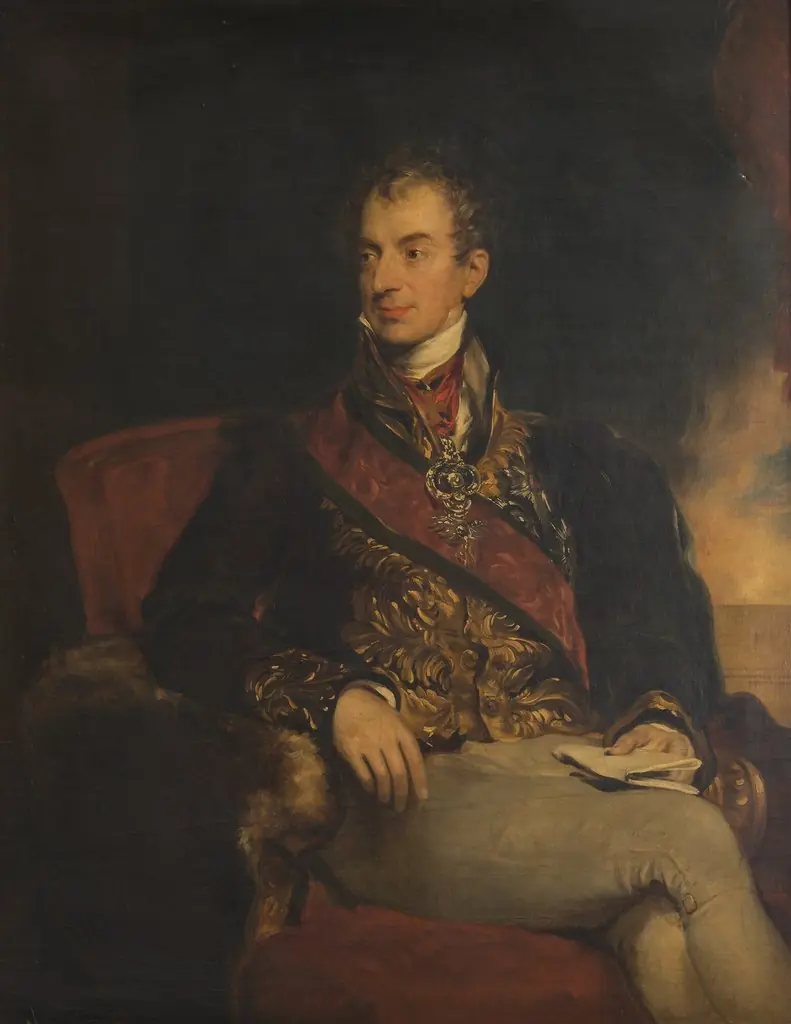 Portrait of Metternich
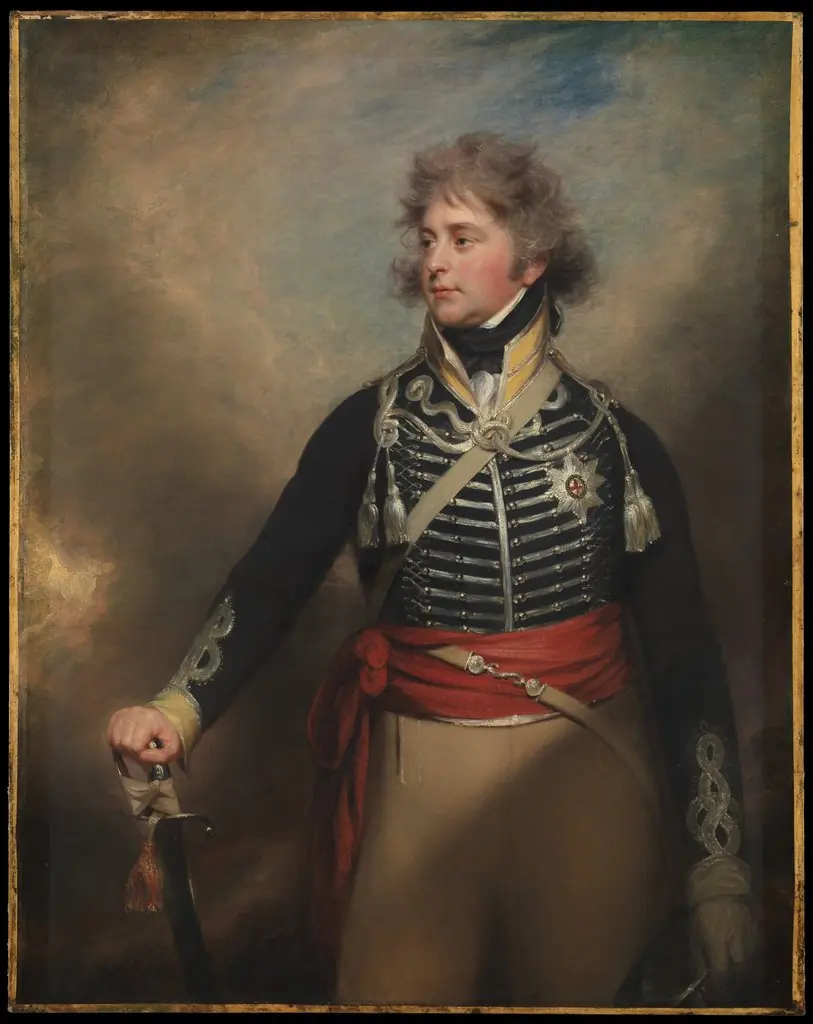 George IV (1762–1830), When Prince of Wales
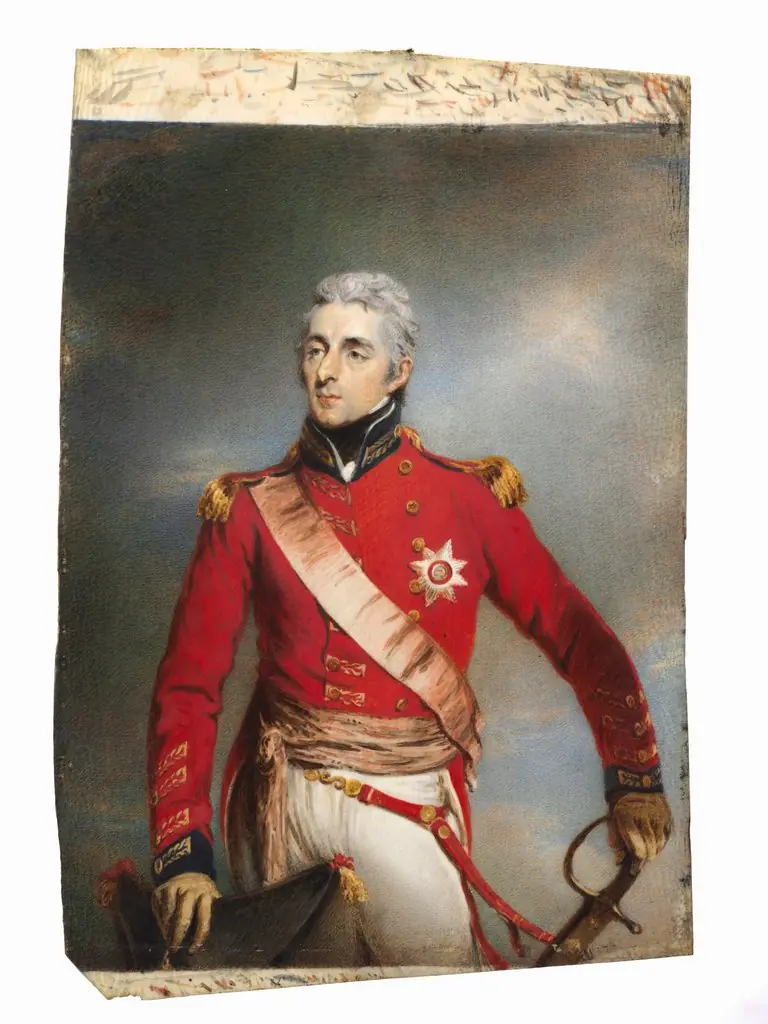 Portrait of Arthur Wellesley, later 1st Duke of Wellington