Artwork
John Fane, 10th Earl of Westmoreland
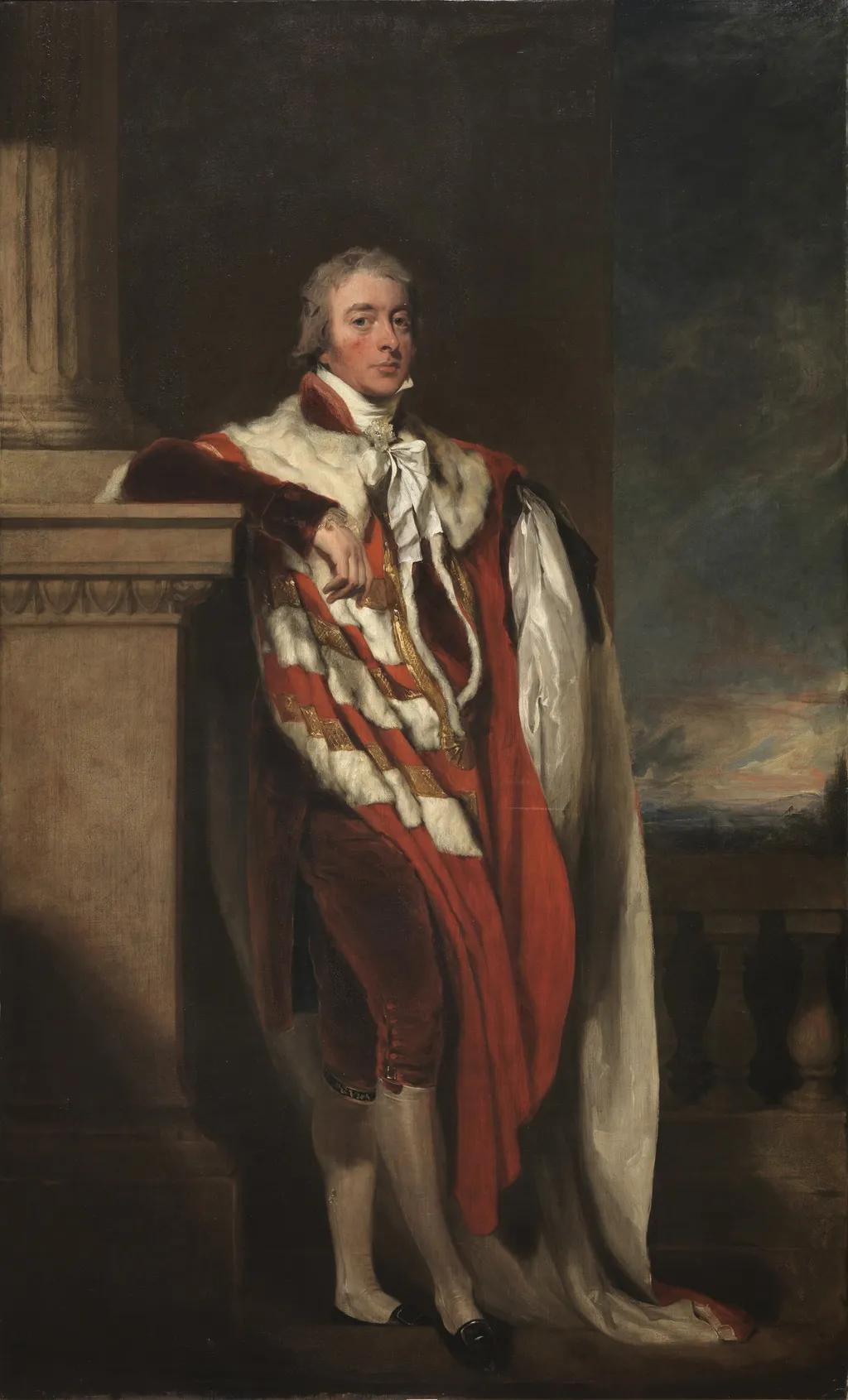
John Fane, 10th Earl of Westmoreland is an oil painting by Thomas Lawrence. It dates from 1806 and is held in the collection of the Museo del Prado.
About this work
Overview
Painted in 1806 by Thomas Lawrence, this oil portrait captures John Fane, the 10th Earl of Westmoreland, a prominent Tory statesman of the early 19th century. The work presents the subject in formal attire, positioned with classical poise against a stone column. It is now held in the Prado Museum in Madrid, acquired in 1955, reflecting its international recognition beyond British collections.
Subject & Meaning
His composed stance and refined demeanor convey the dignity expected of a peer in public service, rather than personal charisma or action.
John Fane, Earl of Westmoreland, held key governmental roles including Lord Privy Seal during the administrations of William Pitt the Younger and the Regency era. The portrait emphasizes his status through ceremonial robes of the House of Lords, suggesting authority and continuity. His composed stance and refined demeanor convey the dignity expected of a peer in public service, rather than personal charisma or action.
Technique & Style
Lawrence employs rich textures and layered brushwork to render the velvet, silk, and stone surfaces with tactile precision. The deep background isolates the figure, enhancing the three-dimensionality of his form. Subtle contrasts between the crimson robes and pale linen, along with gilded accents, draw attention to the subject’s posture and facial expression, characteristic of Lawrence’s refined Regency portraiture.
History & Provenance
Commissioned during Westmoreland’s tenure in government, the portrait remained in family hands until the mid-20th century. It entered the Prado’s collection in 1955, likely through acquisition from a private sale. Its presence in Spain reflects broader 19th- and 20th-century patterns of British aristocratic art entering continental institutions, often via collectors or diplomatic channels.
Context
Painted during the Regency period, the portrait aligns with a tradition of British elite portraiture that fused neoclassical ideals with aristocratic identity. Lawrence, as Principal Painter to the King, was central to this genre. The pose and setting echo Roman statuary, reinforcing the Earl’s role as a custodian of tradition amid political change in post-Napoleonic Europe.
Legacy
The portrait endures as a representative example of Lawrence’s mature style and the visual language of British political nobility. While not widely exhibited, its inclusion in the Prado underscores its significance as a cross-cultural artifact of early 19th-century elite representation, preserving the aesthetic and social codes of its time.
Own this work as a print
Artist & collection
Artist
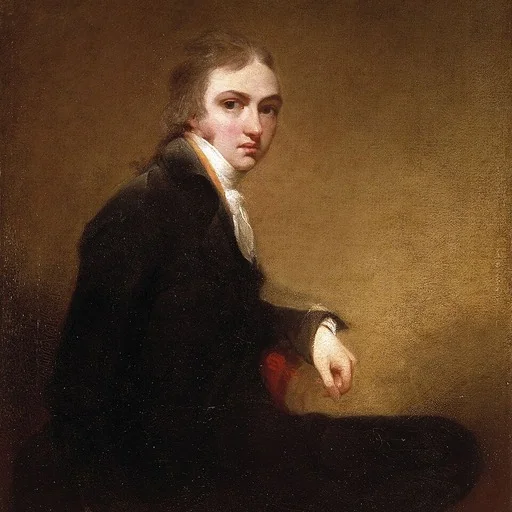
Sir Thomas Lawrence (13 April 1769 – 7 January 1830) was an English painter who served as the fourth president of the Royal Academy.

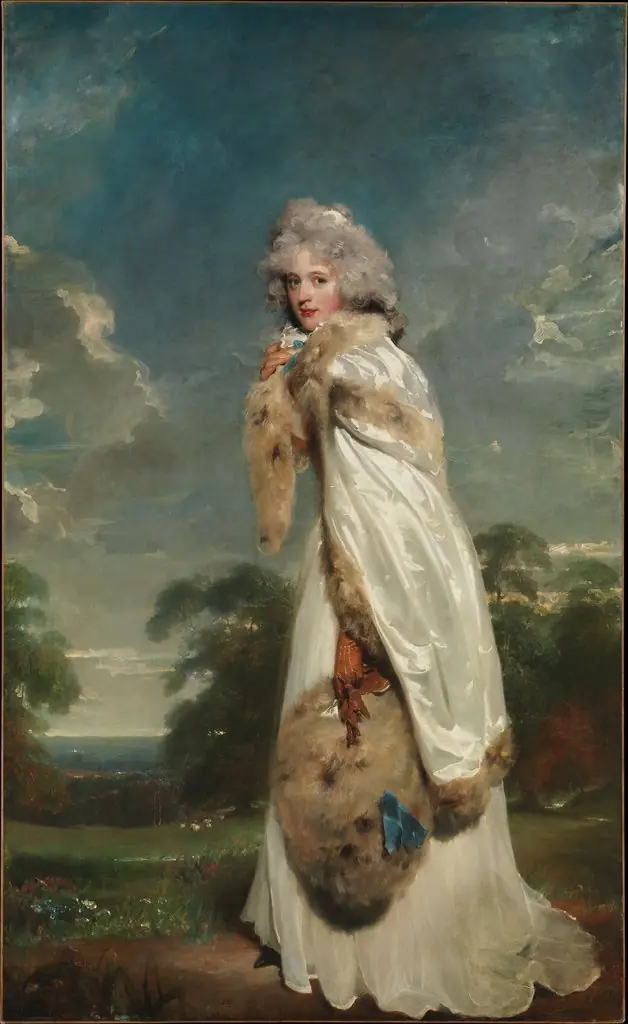 Elizabeth Farren (born about 1759, died 1829), Later Countess of Derby
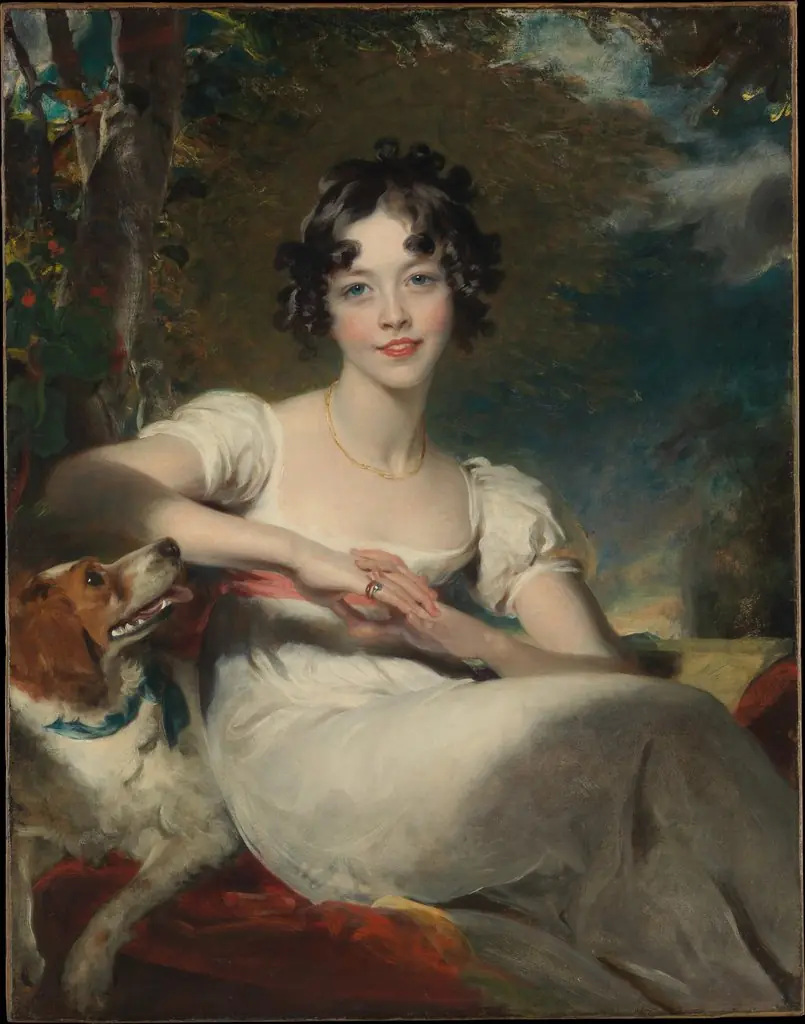 Lady Maria Conyngham (died 1843)
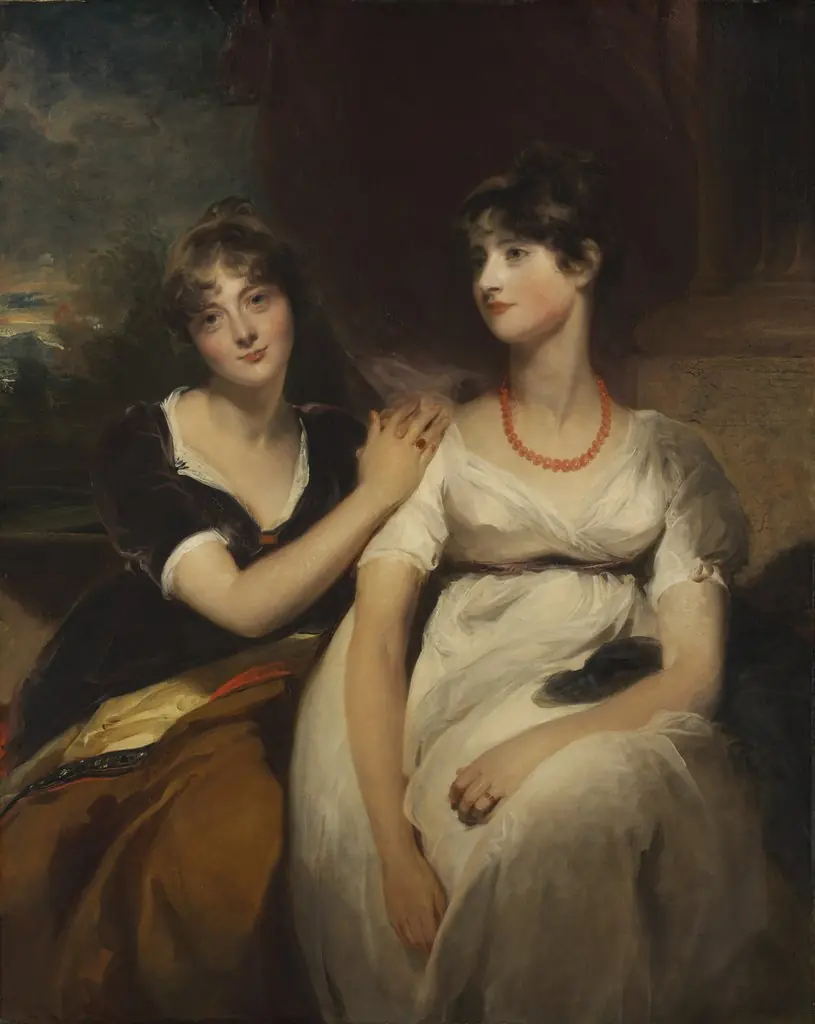 Portrait of Charlotte and Sarah Carteret-Hardy
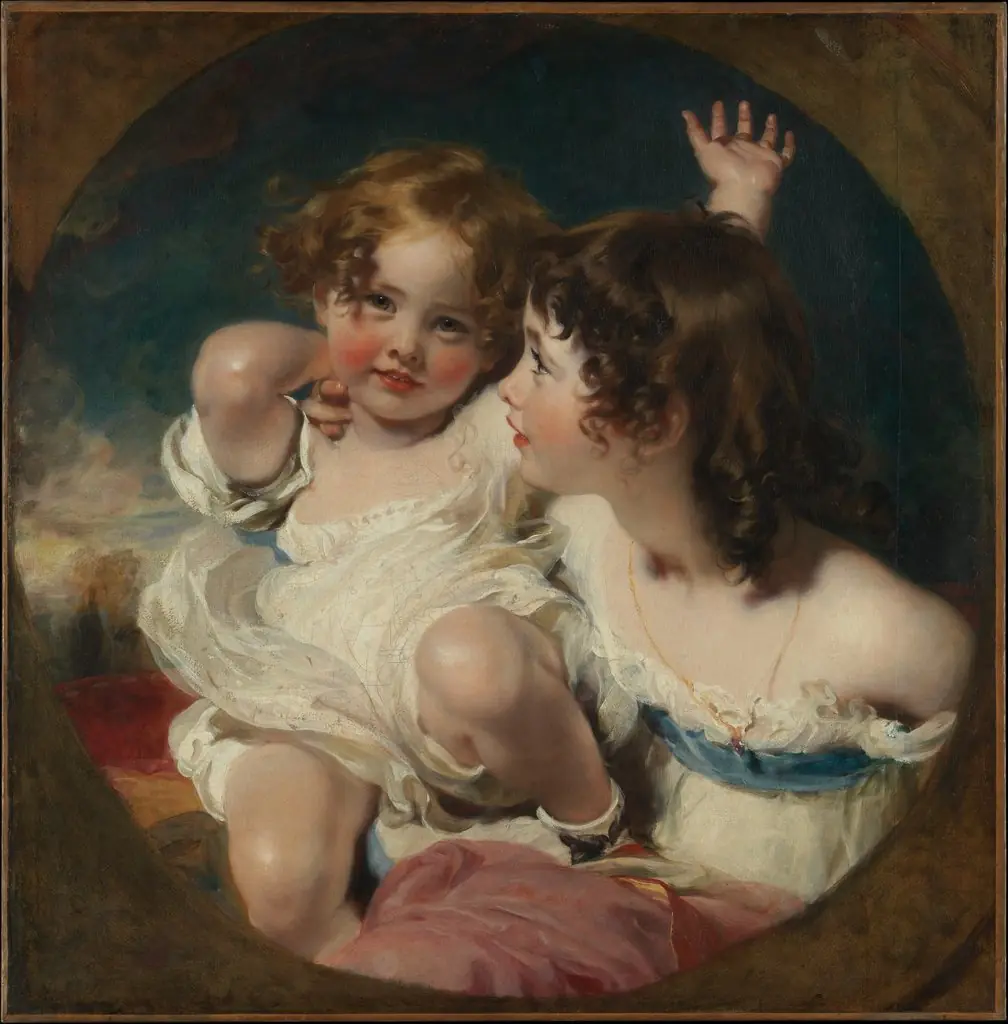 The Calmady Children (Emily, 1818–?1906, and Laura Anne, 1820–1894)
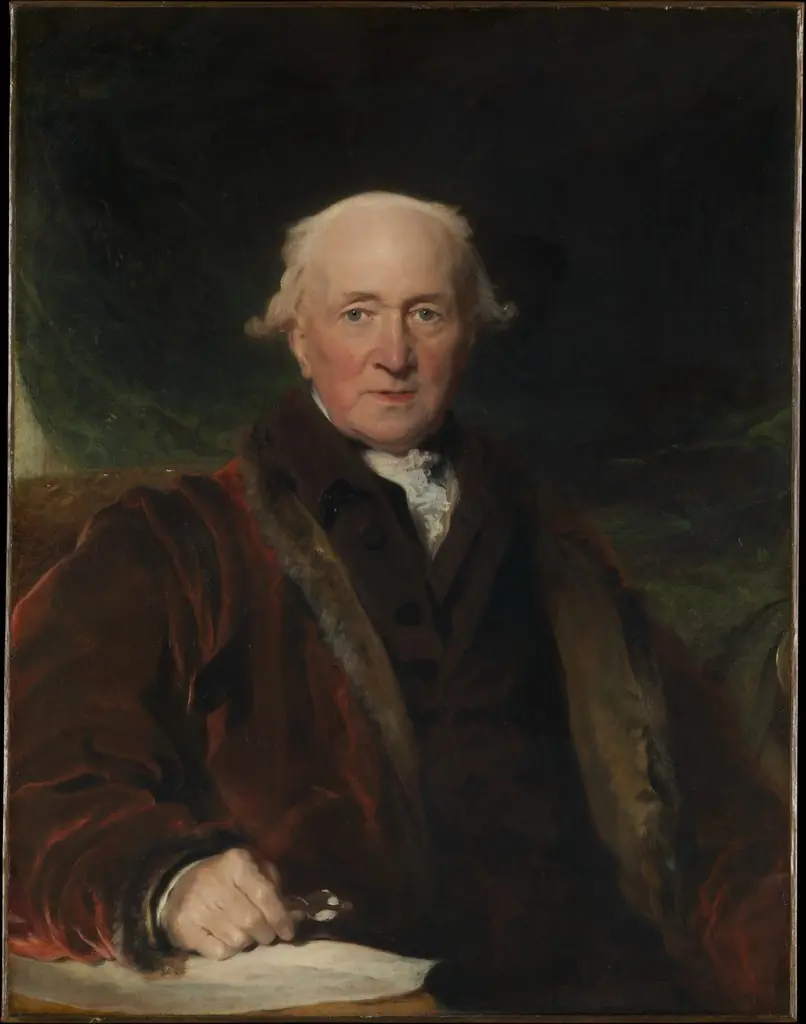 John Julius Angerstein (1736–1823)
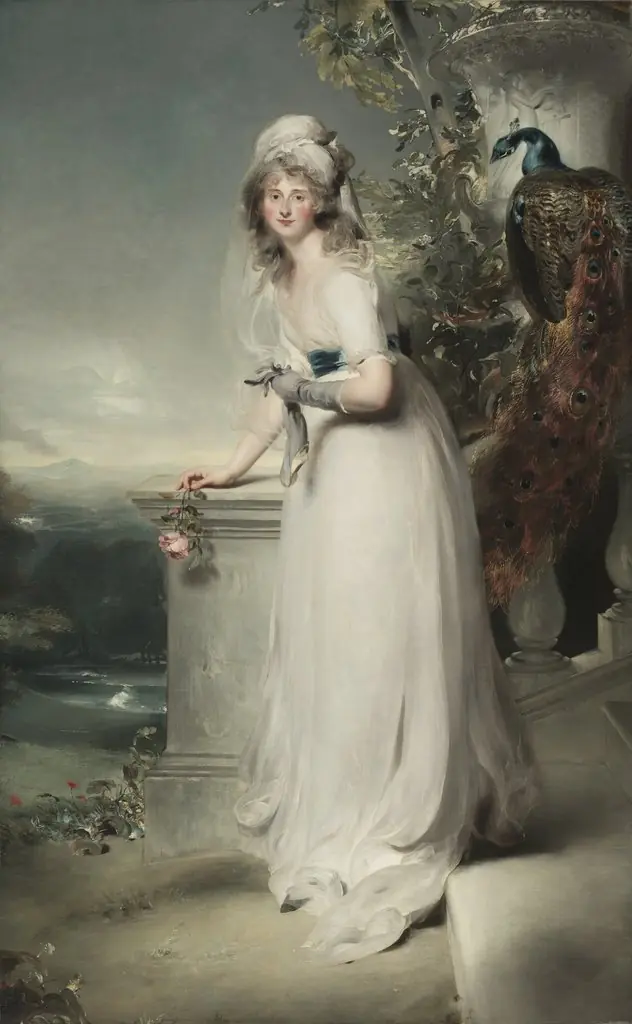 Portrait of Catherine Grey, Lady Manners
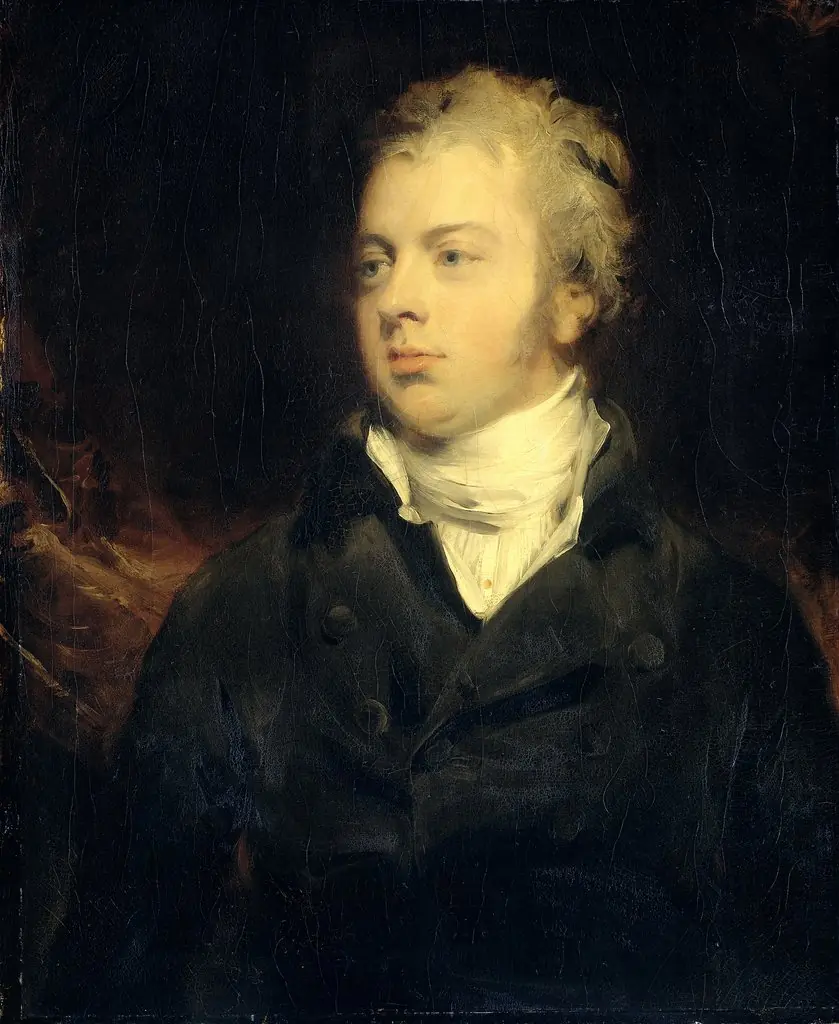 Portrait of Willem Ferdinand Mogge Muilman, President of the Dutch Central Bank
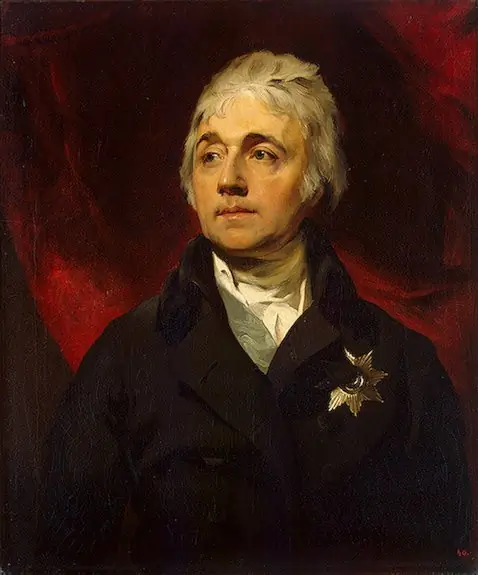 Portrait of Count Semyon Vorontsov (1744-1832)
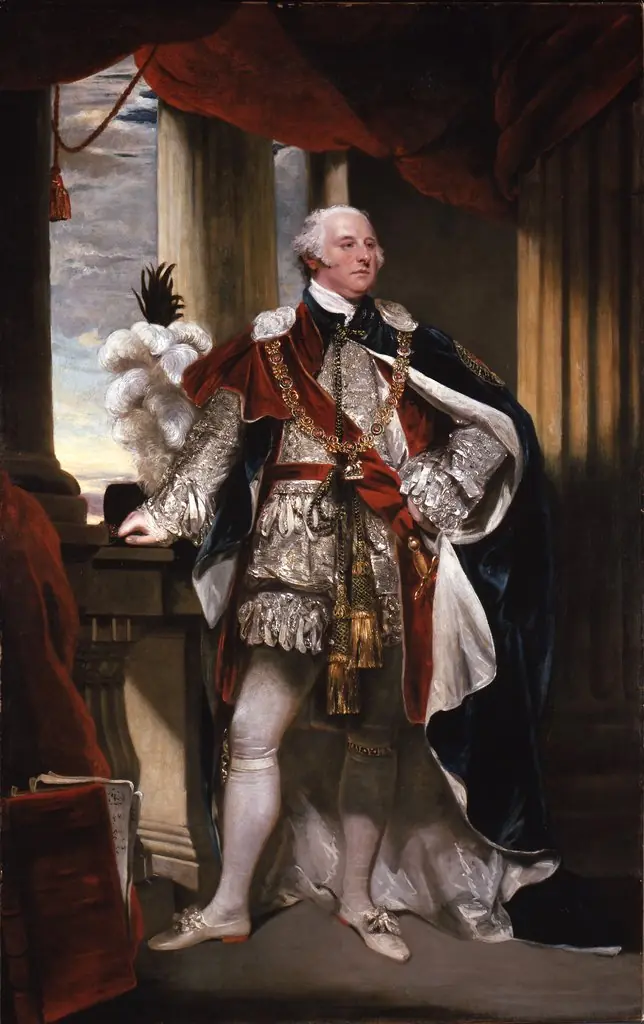 John Jeffreys Pratt, Second Earl and First Marquis Camden as Knight of the Order of the Garter
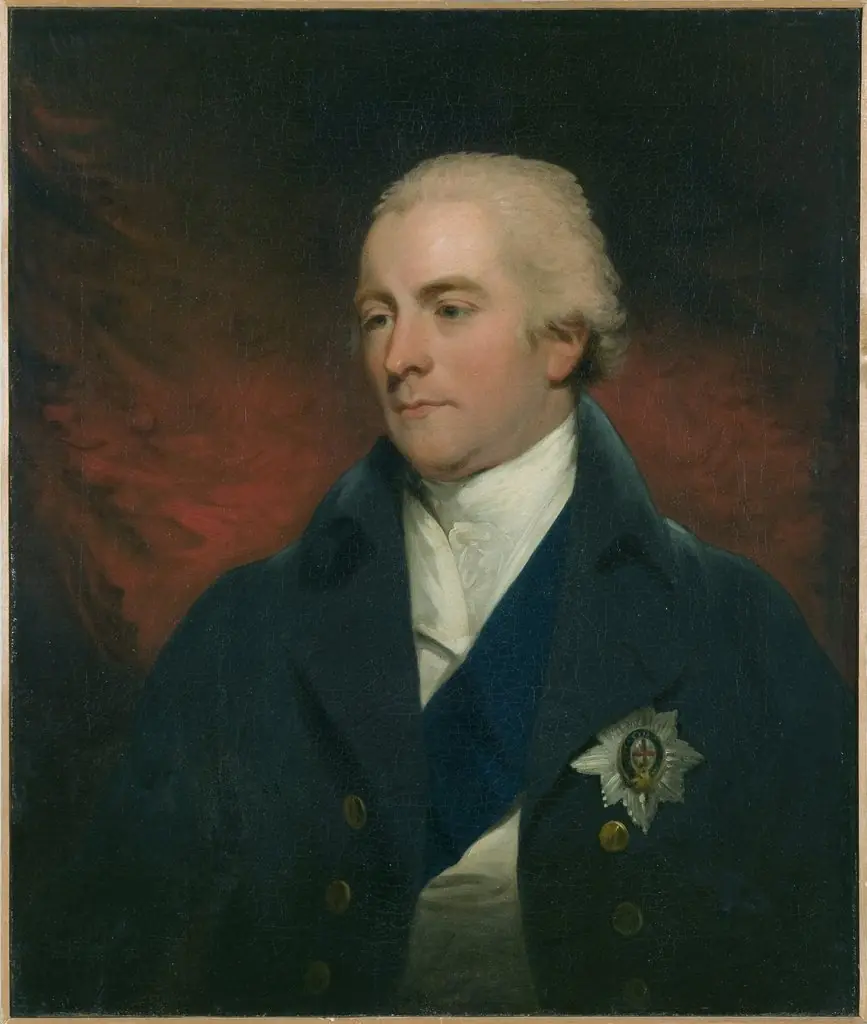 Portrait of Count George Spencer (2nd) (1758-1834)
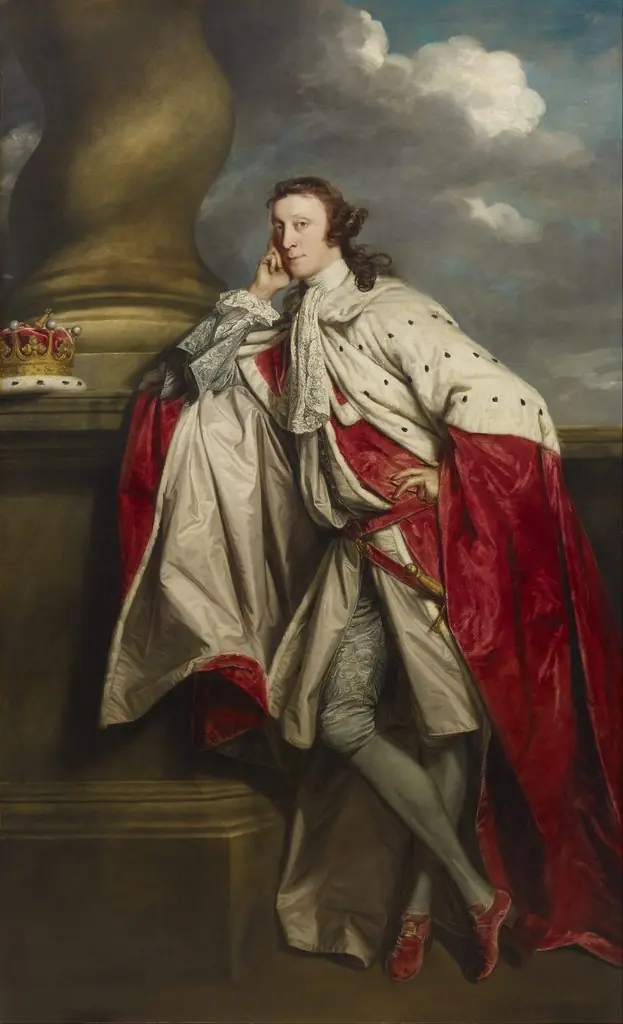 James Maitland, 7th Earl of Lauderdale
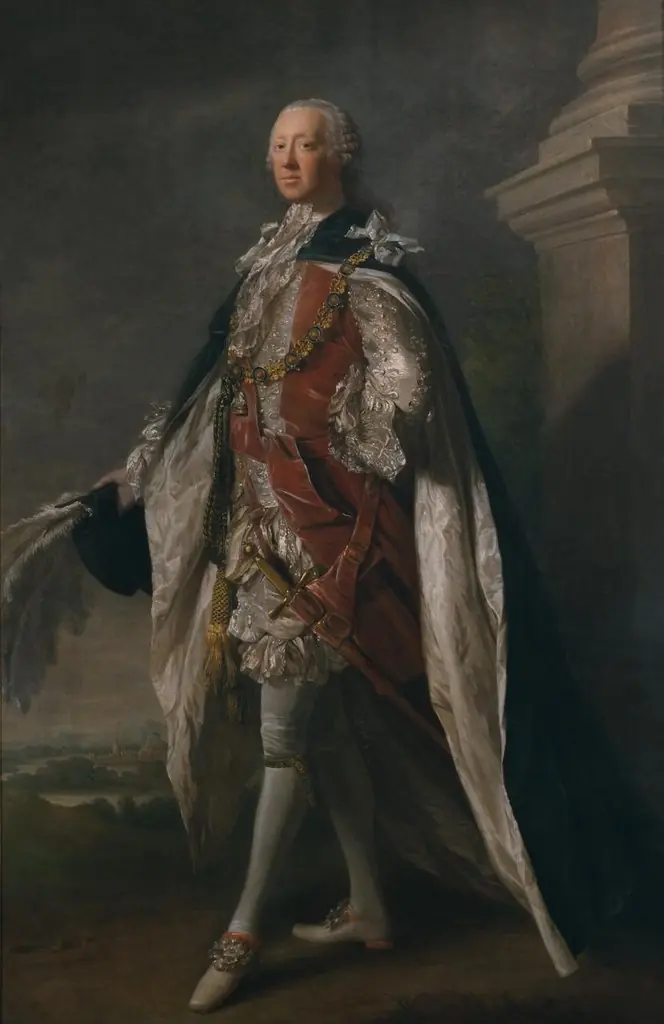 Richard Grenville, 2nd Earl Temple
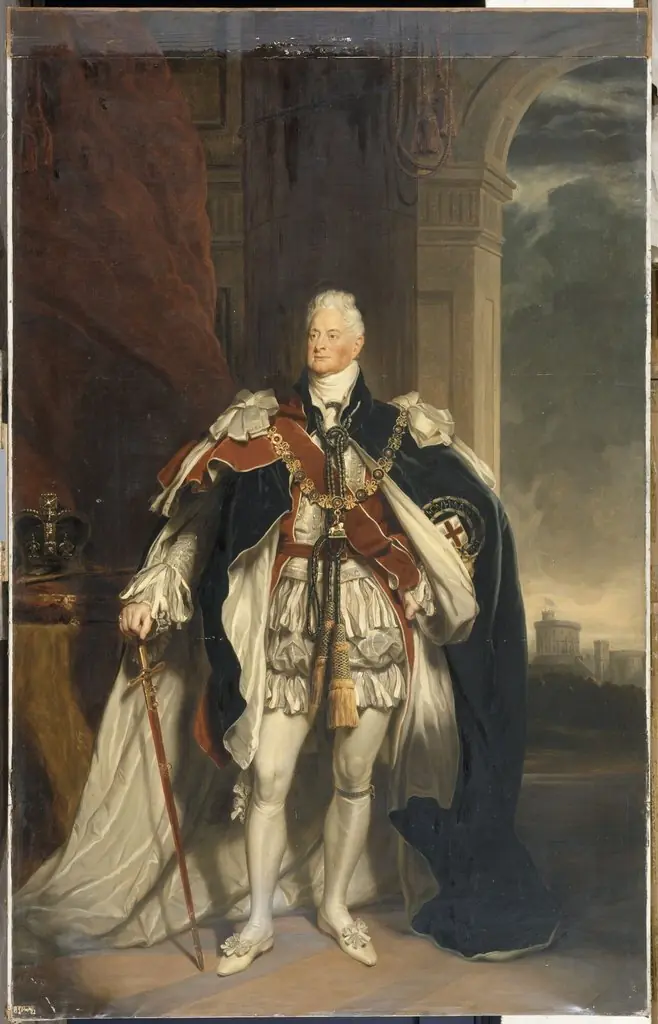 William IV, King of England (1765–1837)
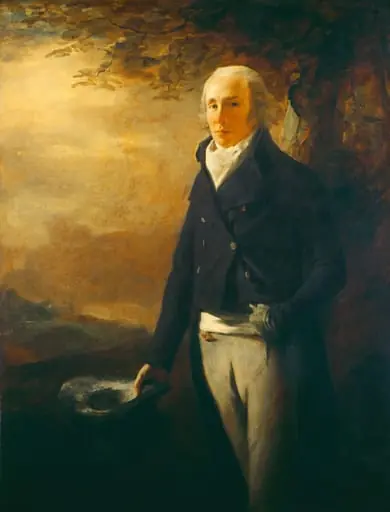 David Anderson
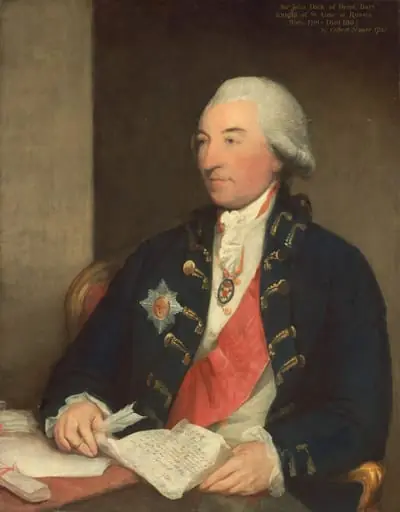 Sir John Dick
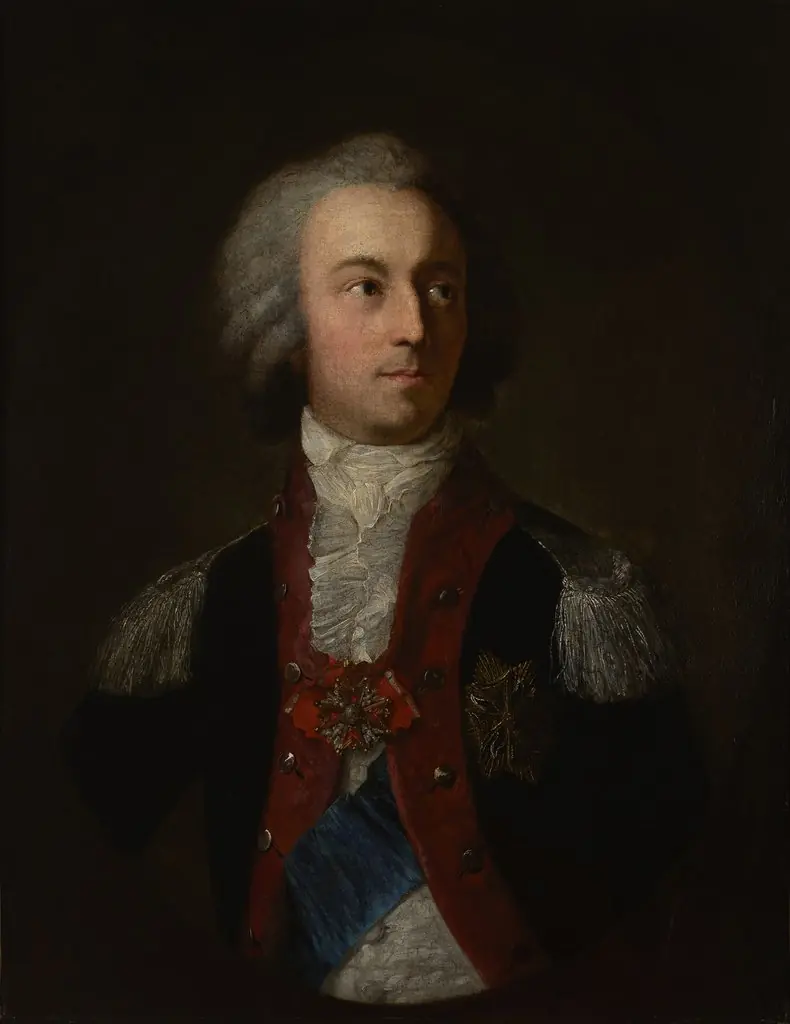 Portrait of Prince Adam Kazimierz Czartoryski (1734–1823) as the Commandant of the Corps of Cadets
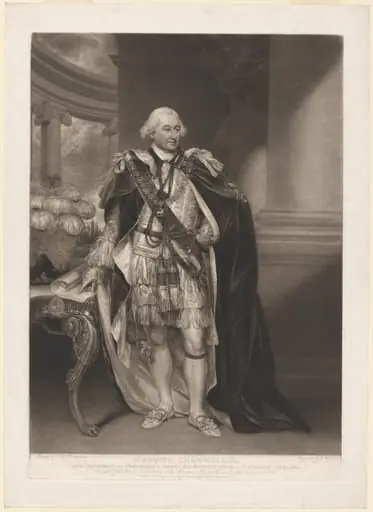 Lord Cornwallis
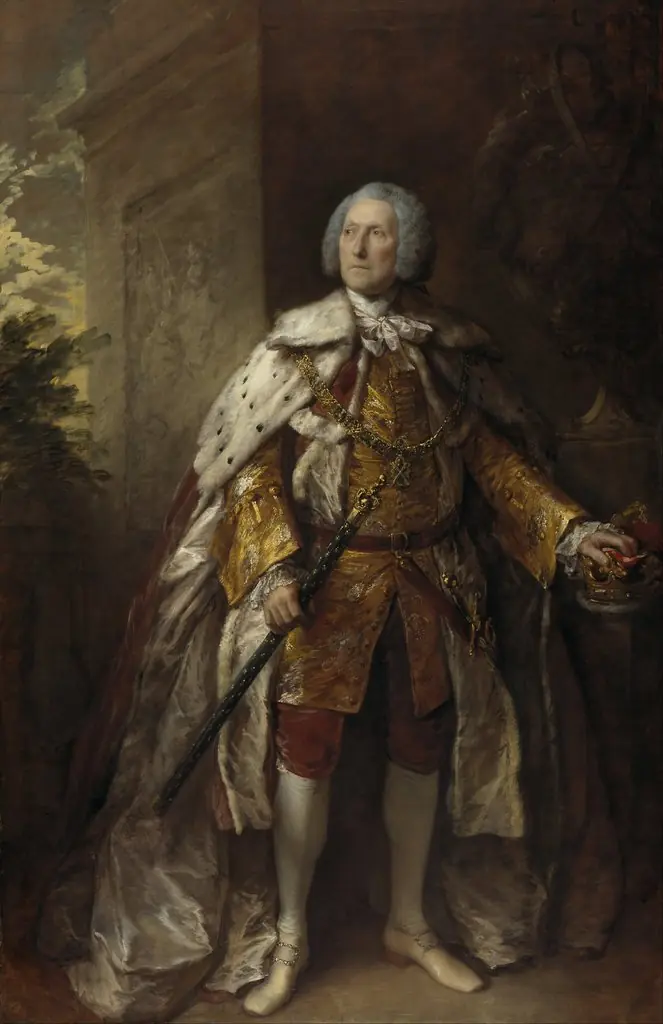 John Campbell, 4th Duke of Argyll
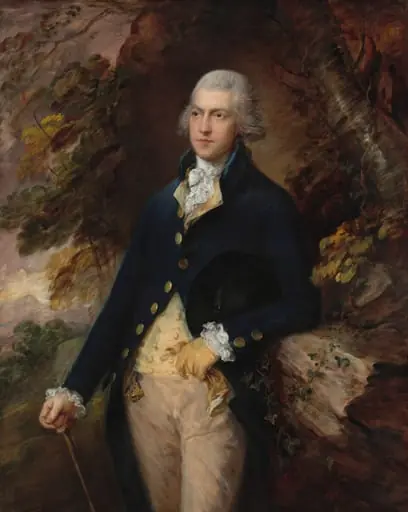 Francis Basset, Lord de Dunstanville
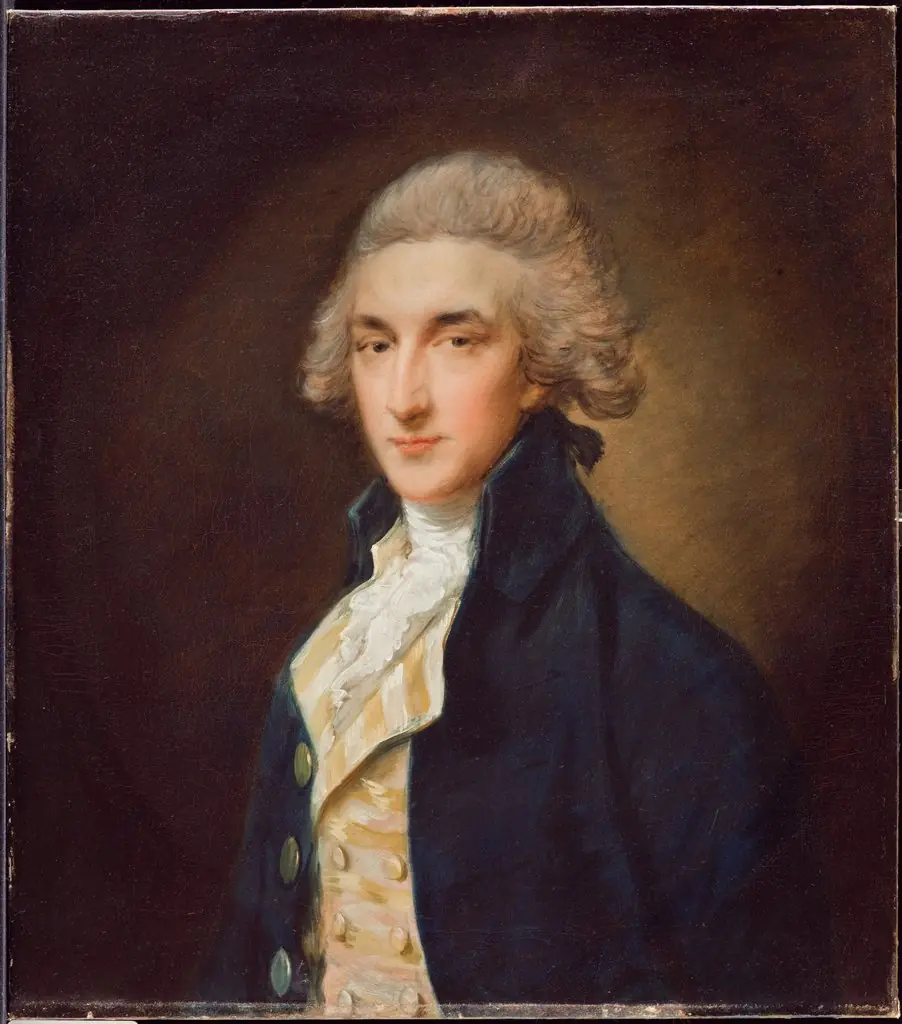 Sir John Edward Swinburne