Artwork
East Fork, de Chelly River, Arizona
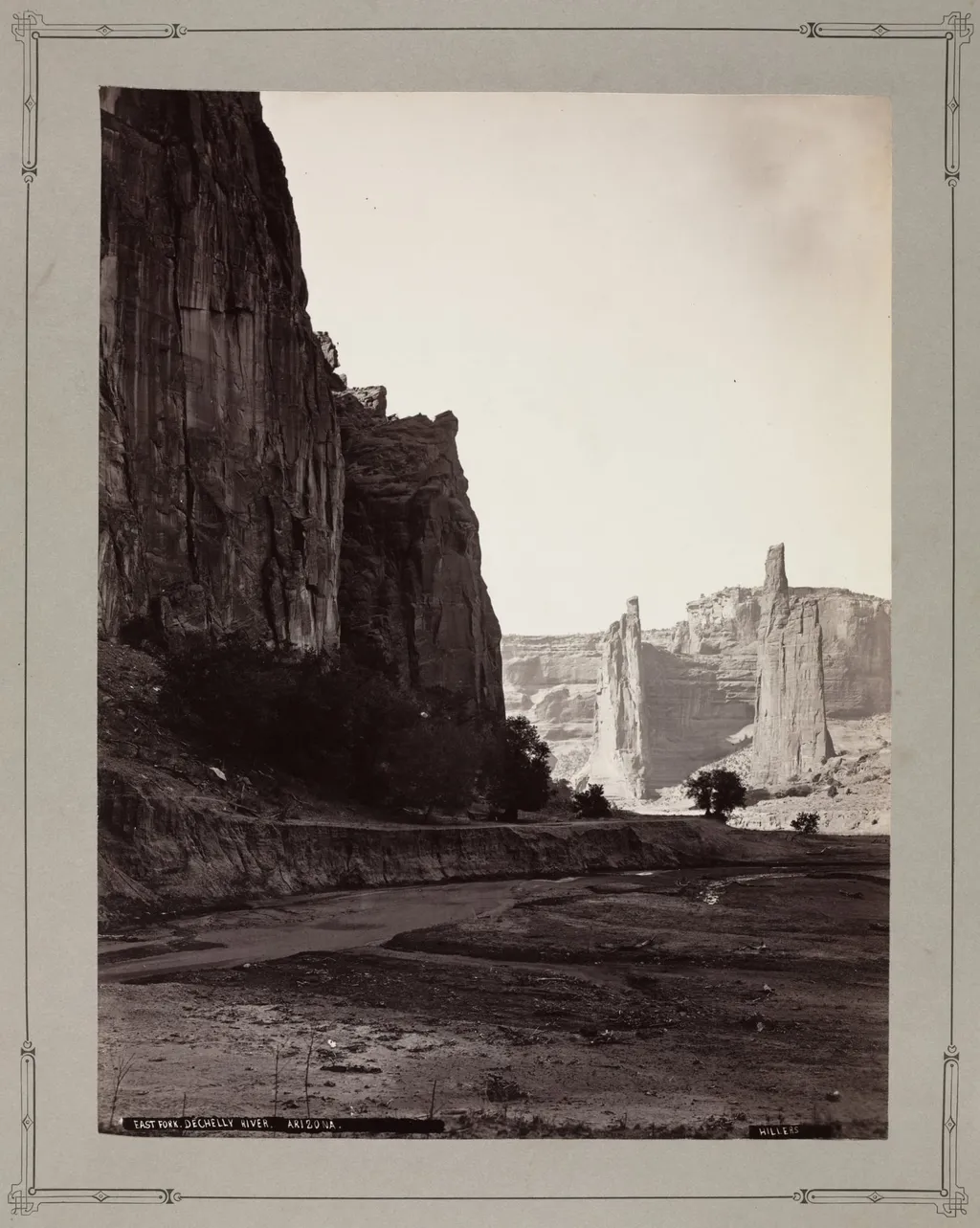
East Fork, de Chelly River, Arizona is a photography by the Impressionist artist John K. Hillers. It dates from 1880 and is held in the collection of the Cleveland Museum of Art. This 1880 photograph by John K.
About this work
Overview
Vegetation is sparse, limited to isolated shrubs and trees, while the riverbed appears dry, its cracked surface reinforcing the region’s ruggedness.
This 1880 photograph by John K. Hillers captures a stretch of the de Chelly River’s east fork in northeastern Arizona. The image presents a stark, arid landscape dominated by vertical rock formations, their stratified surfaces accentuated by natural light. Vegetation is sparse, limited to isolated shrubs and trees, while the riverbed appears dry, its cracked surface reinforcing the region’s ruggedness.
Subject & Meaning
The composition centers on the interplay of geology and atmosphere, emphasizing the sheer scale of the canyon walls. Hillers’ framing isolates the riverbed as a narrow corridor, directing attention to the textures of erosion and the contrasts between illuminated rock and shadowed recesses. The absence of human presence underscores the land’s untamed character, suggesting both endurance and fragility in the face of natural forces.
Technique & Style
Executed in black-and-white, the photograph relies on tonal gradations to articulate depth and form. Hillers’ controlled exposure balances the brilliance of sunlit cliffs against the darker crevices, a method characteristic of late 19th-century landscape photography. The image’s clarity and lack of manipulation align with the documentary aims of the era, prioritizing fidelity to the observed scene over artistic embellishment.
History & Provenance
Created during a period of heightened interest in the American Southwest, this work emerged from Hillers’ involvement with government-sponsored surveys. Originally produced for scientific and ethnographic documentation, the photograph later entered the collection of The Cleveland Museum of Art. Its transition from utilitarian record to museum object reflects shifting perceptions of photography’s cultural value.
Context
The image dates to a time when Euro-American exploration of the Southwest was expanding, often driven by federal expeditions. Hillers, affiliated with the U.S. Geological Survey, documented landscapes that were home to Indigenous communities, including the Navajo. While the photograph focuses on terrain, it exists within a broader historical narrative of territorial mapping and cultural encounter.
Artist & collection

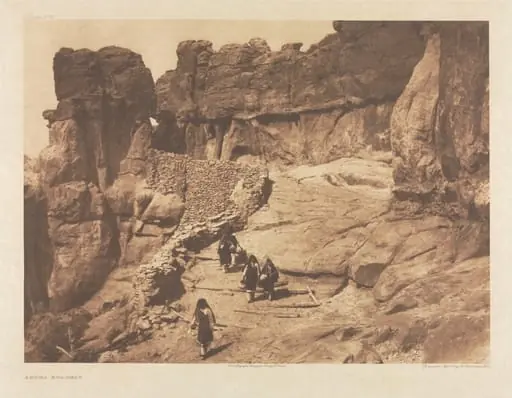 Portfolio XVI, Plate 570: Acoma Roadway
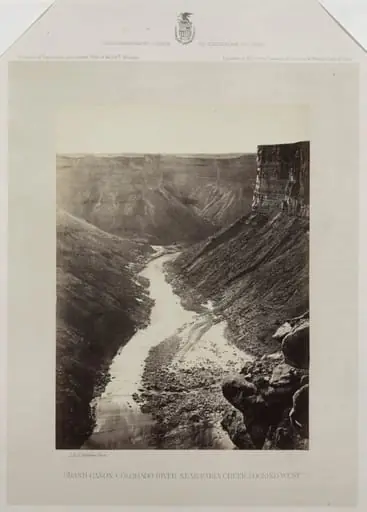 Grand Cañon, Colorado River, Mouth of Kanab Wash, Looking West
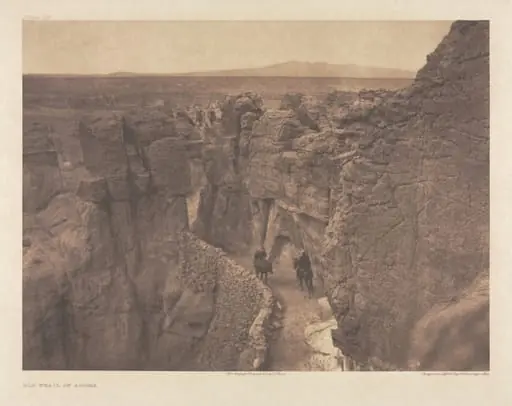 Portfolio XVI, Plate 567: Old Trail at Acoma
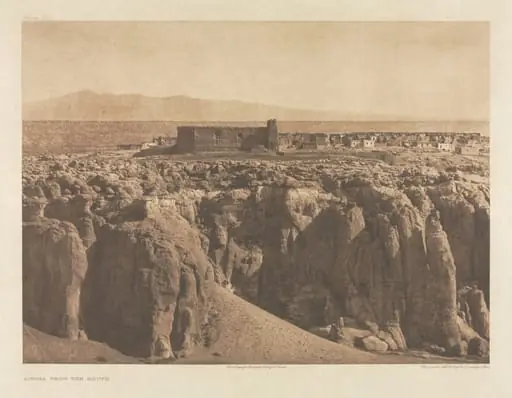 Portfolio XVI, Plate 566: Acoma from the South
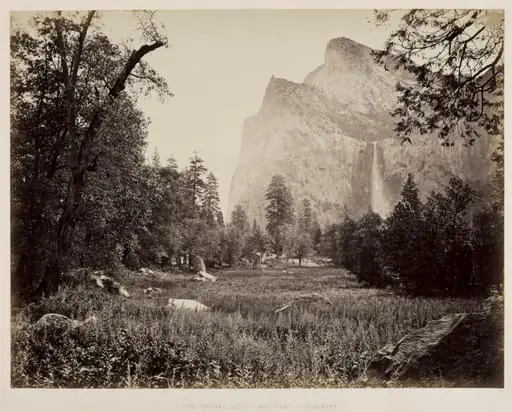 Bridal Veil, Yosemite
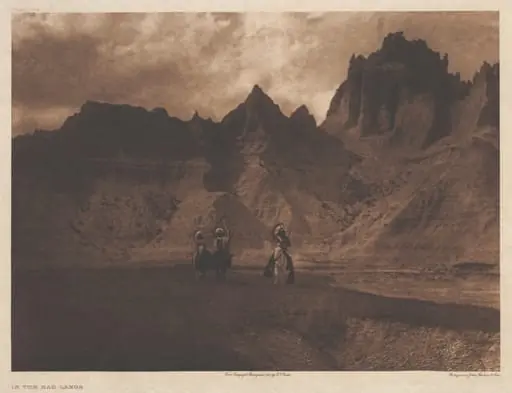 Portfolio III, Plate 119: In the Bad Lands
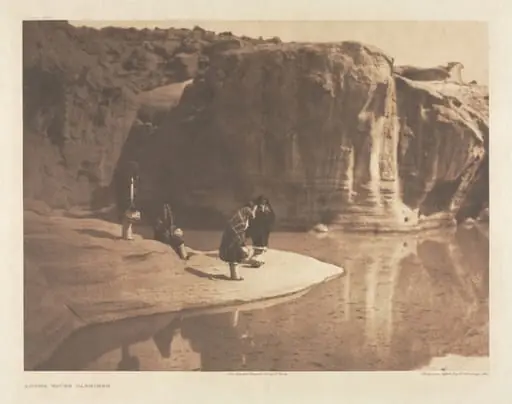 Portfolio XVI, Plate 568: Acoma Water Carriers
 Sketch on Apache Trail, Arizona
 Valley of the Yosemite, from Rocky Ford
 Portfolio XVI, Plate 569: At the Gateway - Acoma
 Ruins of Cliff Dwellings, Cañon de Chelly, Arizona
 Davoncastle Butte, Sierra Nevada