Artwork
The Resurrection of Christ
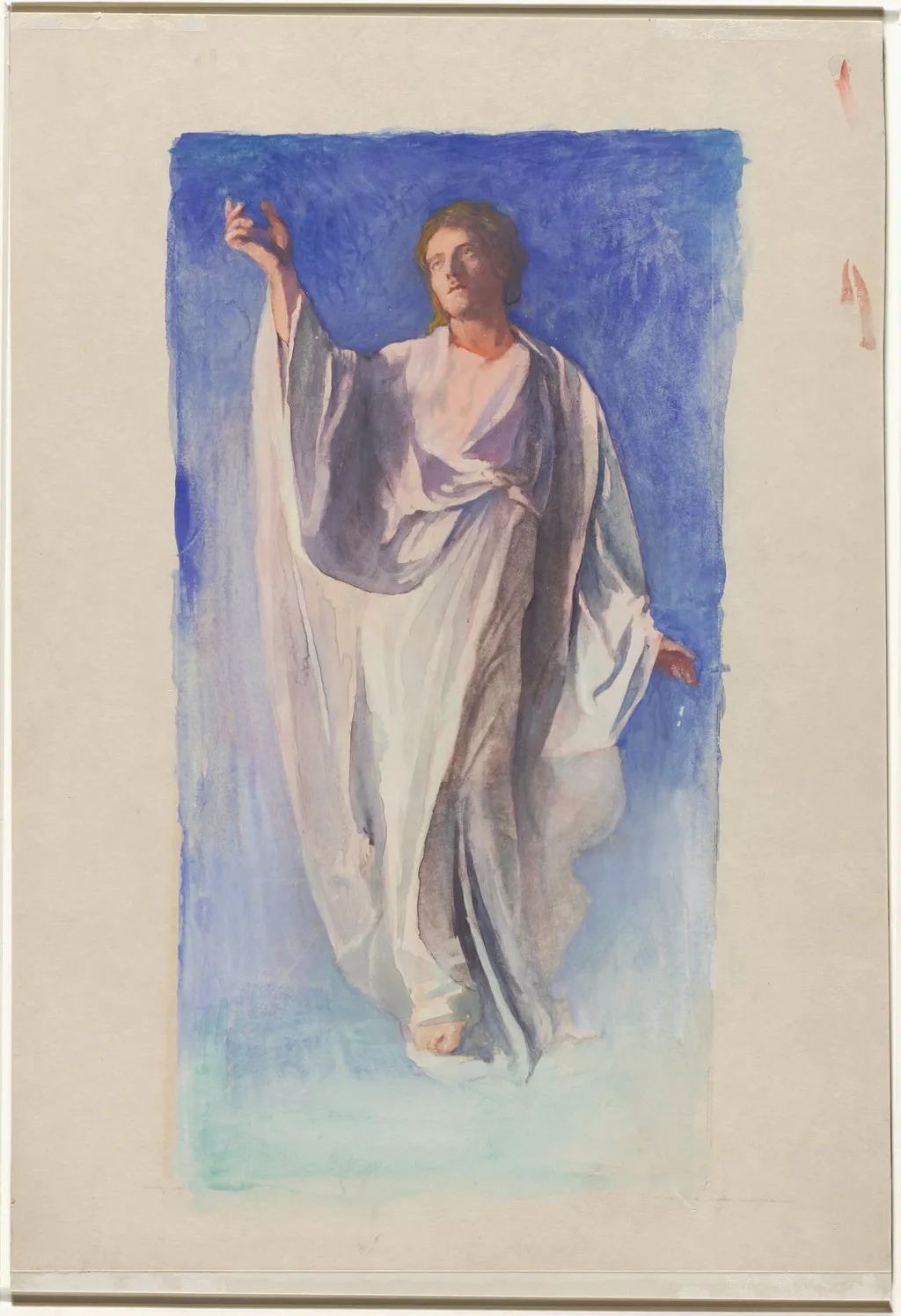
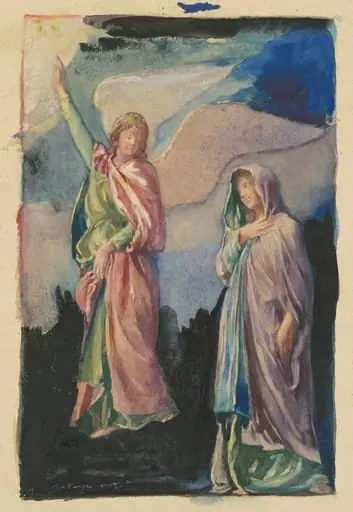
The Resurrection of Christ is a drawing by the Impressionist artist John La Farge. It dates from 1902 and is held in the collection of the Cleveland Museum of Art.
About this work
Overview
It explores the figure of Christ in resurrection, serving not as a finished piece but as a technical trial for color, luminosity, and composition in glass.
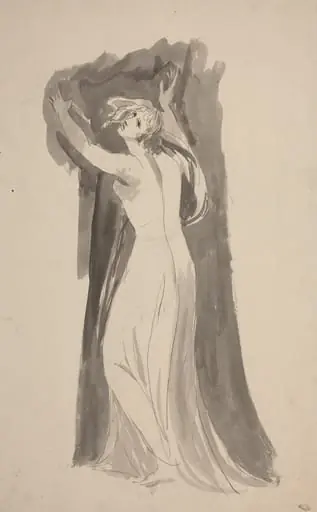
This watercolor study by John La Farge was created as a preparatory work for a stained-glass window in Trinity Church, Boston. It explores the figure of Christ in resurrection, serving not as a finished piece but as a technical trial for color, luminosity, and composition in glass. The medium allowed La Farge to experiment with how light might pass through colored glass before the final installation.
Subject & Meaning
The image depicts Christ emerging from the tomb, arms outstretched against a deep blue background, suggesting divine ascent. The pose conveys both triumph and serenity, avoiding dramatic anguish in favor of quiet transcendence. The absence of narrative detail focuses attention on the figure’s spiritual presence, aligning with the contemplative function of ecclesiastical glass.
Technique & Style
La Farge employed watercolor to simulate the translucency of stained glass, using soft edges and layered washes to achieve luminous effects. The contrast between the radiant figure and the dark, shadowed tomb reflects a refined use of chiaroscuro, adapted from painting traditions to suit the demands of glass design. His technique bridges fine art and craft, emphasizing light as a material element.
History & Provenance
Created in the 1880s, the drawing was part of La Farge’s process for the north transept’s west wall window at Trinity Church. It remained in his possession until his death, later entering institutional collections. Its survival offers rare insight into his methodical approach to large-scale ecclesiastical commissions, where each color choice had structural and optical consequences.
Context
During this period, American artists were redefining religious art through modern techniques and materials. La Farge, influenced by European Gothic revival and Japanese aesthetics, sought to elevate stained glass beyond traditional iconography. This study reflects a broader movement toward integrating artistic innovation with sacred architecture in post-Civil War America.
Legacy
The drawing stands as a testament to La Farge’s role in transforming stained glass into a vehicle for painterly expression. It influenced later artists who treated glass not merely as a medium for illustration but as a dynamic interplay of light and color. Its preservation continues to inform conservation and interpretation of 19th-century ecclesiastical art.
Artist & collection

Artist
John La Farge (March 31, 1835 – November 14, 1910) was an American artist whose career spanned illustration, murals, interior design, painting, and popular books on his Asian travels and other art-related topics.

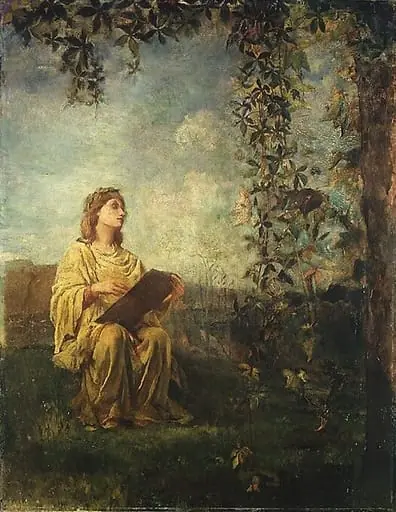 The Muse of Painting
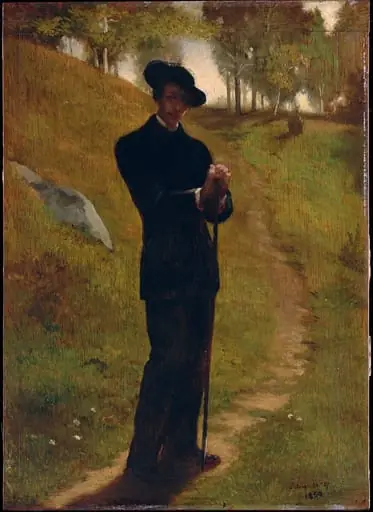 Portrait of the Painter
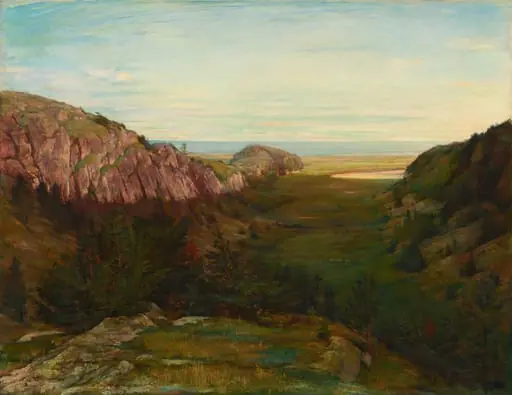 The Last Valley - Paradise Rocks
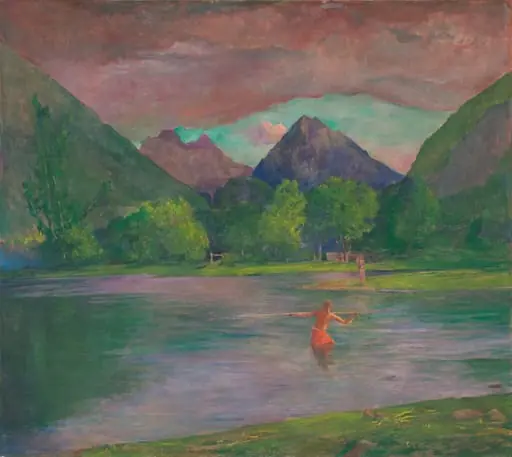 The Entrance to the Tautira River, Tahiti. Fisherman Spearing a Fish
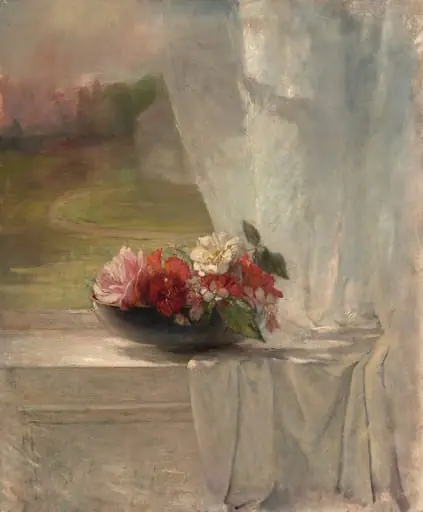 Flowers on a Window Ledge
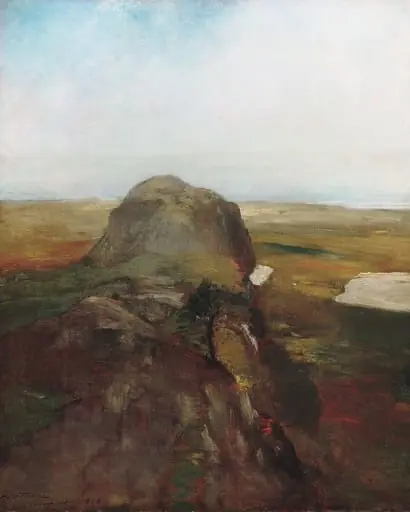 Autumn Study, View over Hanging Rock, Newport, R.I.
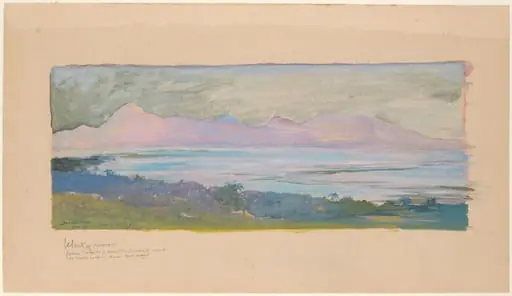 The Island of Moorea Looking across the Strait from Tahiti, January 1891
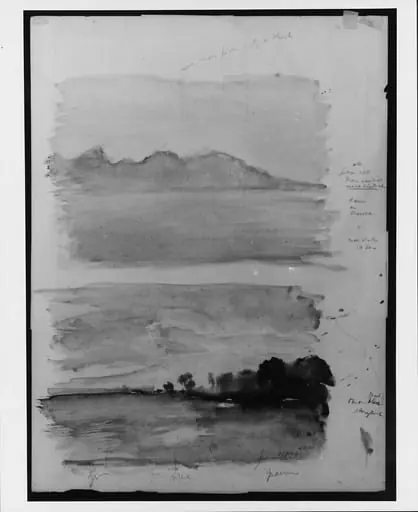 Double Study of Dawn, Moorea Seen across the Water, Tahiti