Artwork
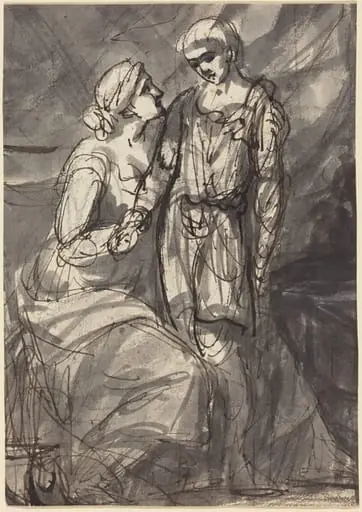
Study for Penelope
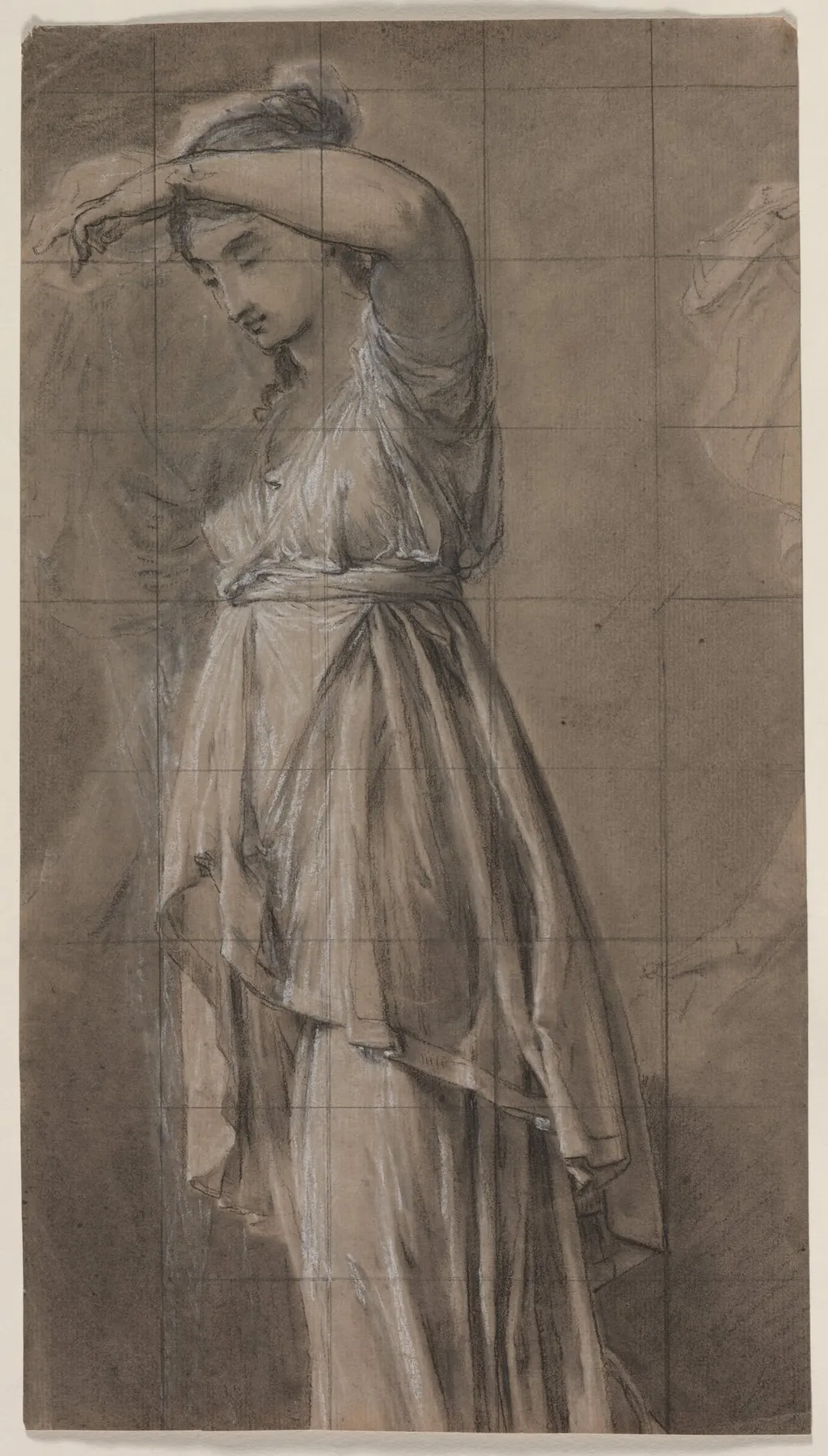
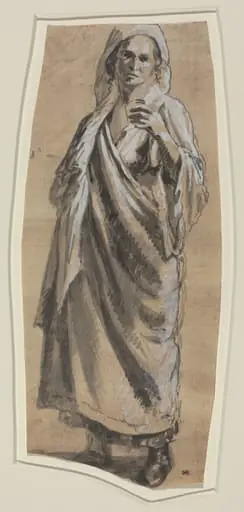
Study for Penelope is a drawing by the Romanticist artist Anicet Charles Gabriel Lemonnier. It dates from 1806 and is held in the collection of the Cleveland Museum of Art.
About this work
Overview
This drawing by Lemonnier serves as a preparatory study for the figure of Penelope in his 1806 Salon painting, The Departure of Ulysses and Penelope for Ithaca.
This drawing by Lemonnier serves as a preparatory study for the figure of Penelope in his 1806 Salon painting, The Departure of Ulysses and Penelope for Ithaca. Executed in chalk, it focuses exclusively on the drapery of her high-waisted garment, capturing the interplay of light and shadow rather than facial detail. The work reflects the artist’s methodical approach to refining form before committing to the final oil painting.
Subject & Meaning
Penelope, the faithful wife of Ulysses from Homeric myth, is rendered here not as a narrative figure but as a study in form and texture. Her identity is inferred from the larger painting, not the drawing itself. The emphasis on clothing suggests the artist’s interest in conveying dignity and restraint through fabric, aligning with classical ideals of virtue and composure associated with the character.
Technique & Style
Lemonnier employed chalk with varying pressure and a stump to blend tones, achieving subtle gradations of light and shadow. This technique, akin to sfumato, softens edges and enhances volume without linearity. The result is a quiet, atmospheric rendering that prioritizes tactile surface over defined contour, demonstrating his command of academic draftsmanship and material experimentation.
History & Provenance
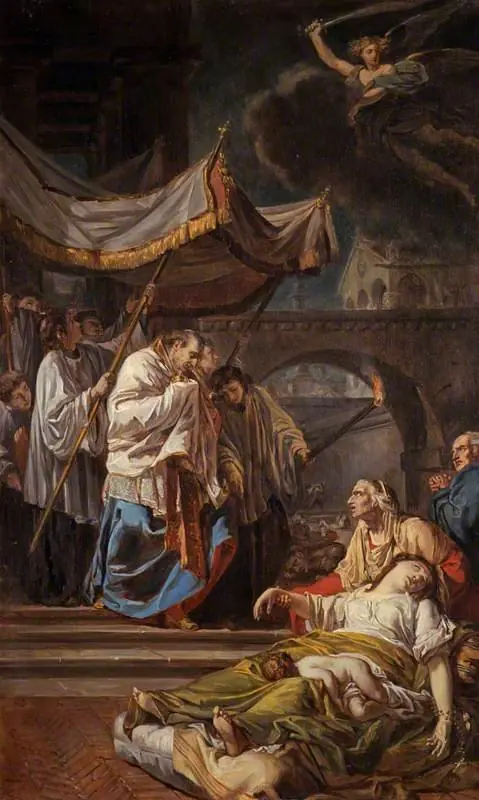
Created as a working study for the 1806 Salon exhibition, the drawing directly informed the depiction of Penelope in the finished painting, now held in the Musée des Beaux-Arts de Rouen. Its survival offers insight into Lemonnier’s process during a period when academic artists relied heavily on preparatory sketches to refine compositions before large-scale execution.
Context
Produced in the early 19th century, the drawing reflects the lingering influence of Jacques-Louis David’s neoclassical ideals, particularly in its idealized, sculptural treatment of the figure. The high-waisted dress echoes contemporary fashion but is rendered with timeless formality, bridging modern dress with ancient narrative — a hallmark of academic painting at the time.
Legacy
As a well-preserved example of academic preparatory work, the drawing illustrates how 19th-century artists translated theoretical training into tangible form. It remains a valuable record of technique and intention, offering scholars a window into the disciplined, methodical practices that underpinned Salon-era history painting.
Artist & collection
Artist
Anicet Charles Gabriel Lemonnier
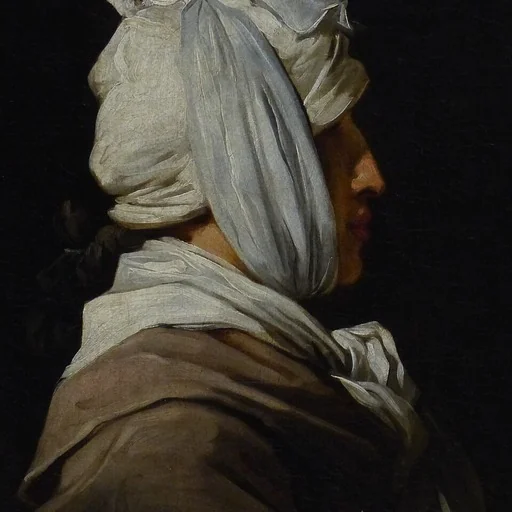
Anicet Charles Gabriel Lemonnier (6 June 1743 – 17 August 1824) was a well-known French painter of historical subjects who was active before, during and after the French Revolution.

![Seated Angel in a Landscape [recto], by Anicet Charles Gabriel Lemonnier](https://artifactworldgallery.com/img/anicet-charles-gabriel-lemonnier--seated-angel-in-a-landscape-recto--17dbd8d92a970c98-w320.webp)
![Studies of Figures [verso], by Anicet Charles Gabriel Lemonnier](https://artifactworldgallery.com/img/anicet-charles-gabriel-lemonnier--studies-of-figures-verso--2ae0ee2ea775e42c-w320.webp)
![Portrait of a Procurator [verso], by Alessandro Longhi](https://artifactworldgallery.com/img/alessandro-longhi--portrait-of-a-procurator-verso--b1f9a8462c76ecbe-w320.webp)
![Woman in Toga [verso], by Hubert Robert](https://artifactworldgallery.com/img/hubert-robert--woman-in-toga-verso--1c4b04982206f60e-w320.webp)