Artwork
Minerva
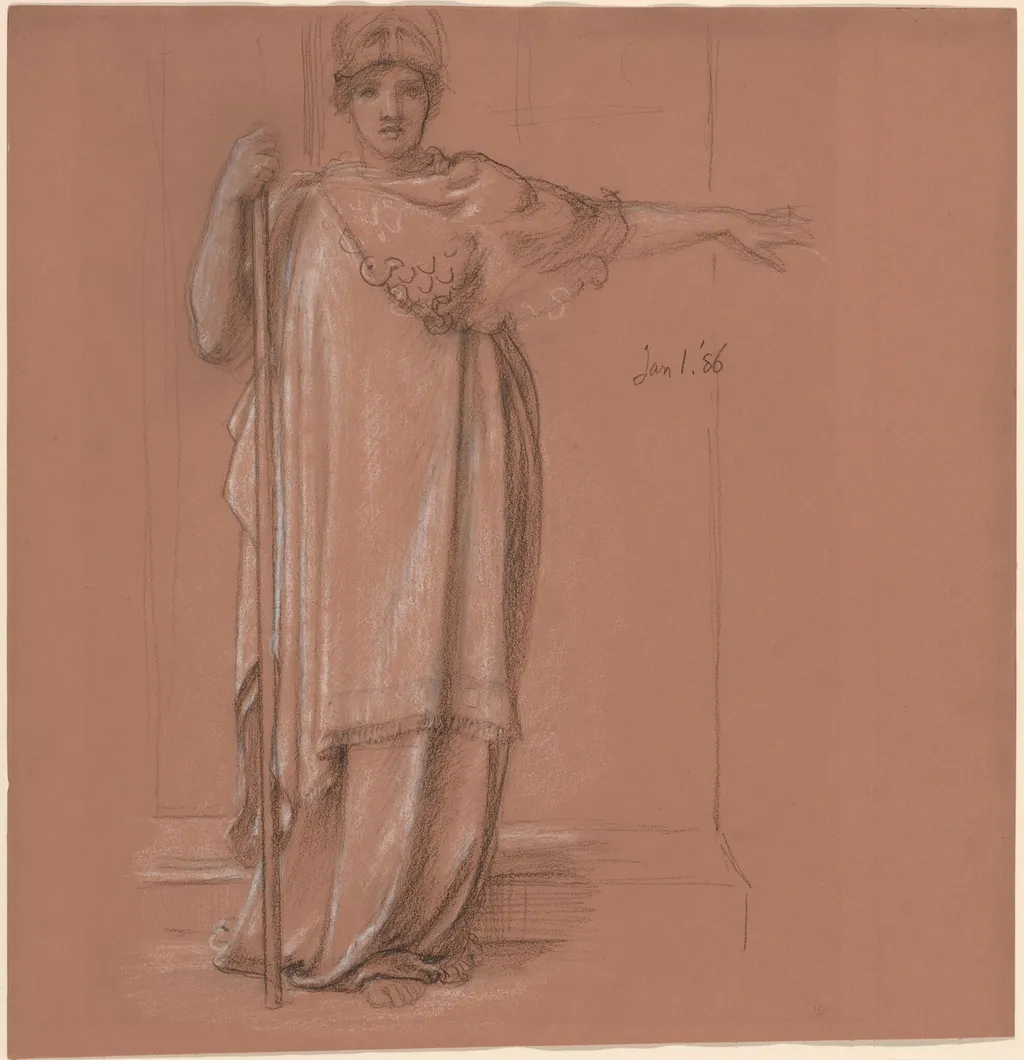
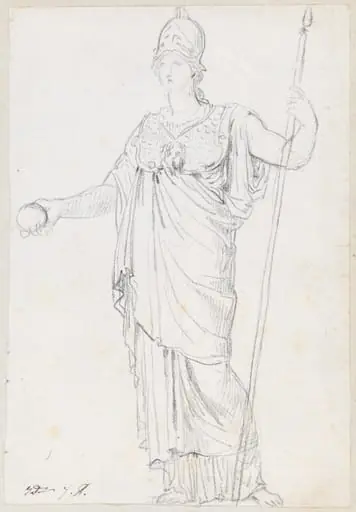
Minerva is a chalk drawing by the Impressionist artist Edward John, Sir Poynter. It dates from 1886 and is held in the collection of the National Gallery of Art.
About this work
Overview
Created in 1886 by Sir Edward John Poynter, this drawing renders the Roman goddess Minerva in black and white chalk on red-brown wove paper. As a work on paper, it reflects Poynter’s skill in draftsmanship and his engagement with classical themes. The medium’s immediacy and the paper’s warm tone contribute to a sense of quiet presence, distinguishing it from finished oil paintings of the period.
Subject & Meaning
Minerva, the Roman goddess of wisdom and strategic warfare, is depicted in a composed, upright stance with one arm raised. Her crown and draped cloak signal her divine status, while her calm demeanor emphasizes intellectual authority over martial aggression. The simplicity of the setting focuses attention on her figure, reinforcing her role as a symbol of reasoned thought rather than brute force.
Technique & Style
Poynter employed loose, expressive chalk strokes to suggest form and texture, leaving areas of the paper exposed to define light and shadow. The red-brown ground unifies the tonal range, allowing white chalk to highlight contours and black chalk to deepen folds in the drapery. The sketchy handling, particularly in the clothing, conveys spontaneity and a focus on essential structure over detail.
History & Provenance
Poynter, who served as President of the Royal Academy, produced this drawing during a period when British artists increasingly revisited classical subjects with renewed academic rigor. Though not publicly exhibited at the time, the work remained within his personal collection and later entered institutional holdings, reflecting its value as a study in classical form and technique.
Context
In late 19th-century Britain, mythological themes were frequently revisited by academically trained artists as a means of engaging with classical ideals.
In late 19th-century Britain, mythological themes were frequently revisited by academically trained artists as a means of engaging with classical ideals. Poynter’s approach aligned with broader trends in the Royal Academy, where drawing from antiquity was central to artistic education. This piece exemplifies how mythological subjects were treated not as grand narratives but as studies in dignified presence.
Legacy
The drawing stands as a quiet testament to Poynter’s mastery of chalk medium and his commitment to classical ideals. While not widely reproduced, it remains a significant example of academic draftsmanship from the period, illustrating how artists used rapid, sensitive rendering to capture timeless forms with restraint and clarity.
Artist & collection
Artist
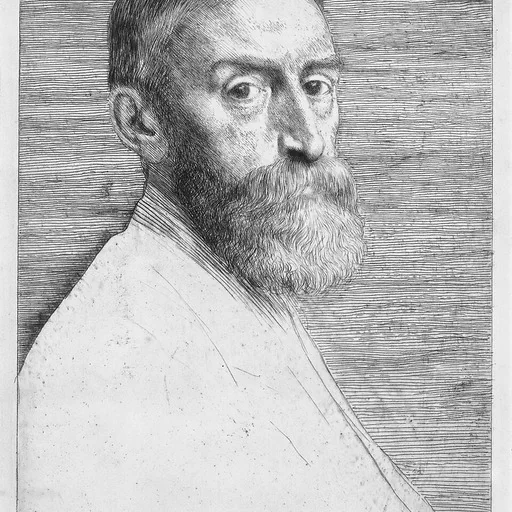
Sir Edward John Poynter, 1st Baronet (20 March 1836 – 26 July 1919) was an English painter, designer, and draughtsman, who served as President of the Royal Academy.

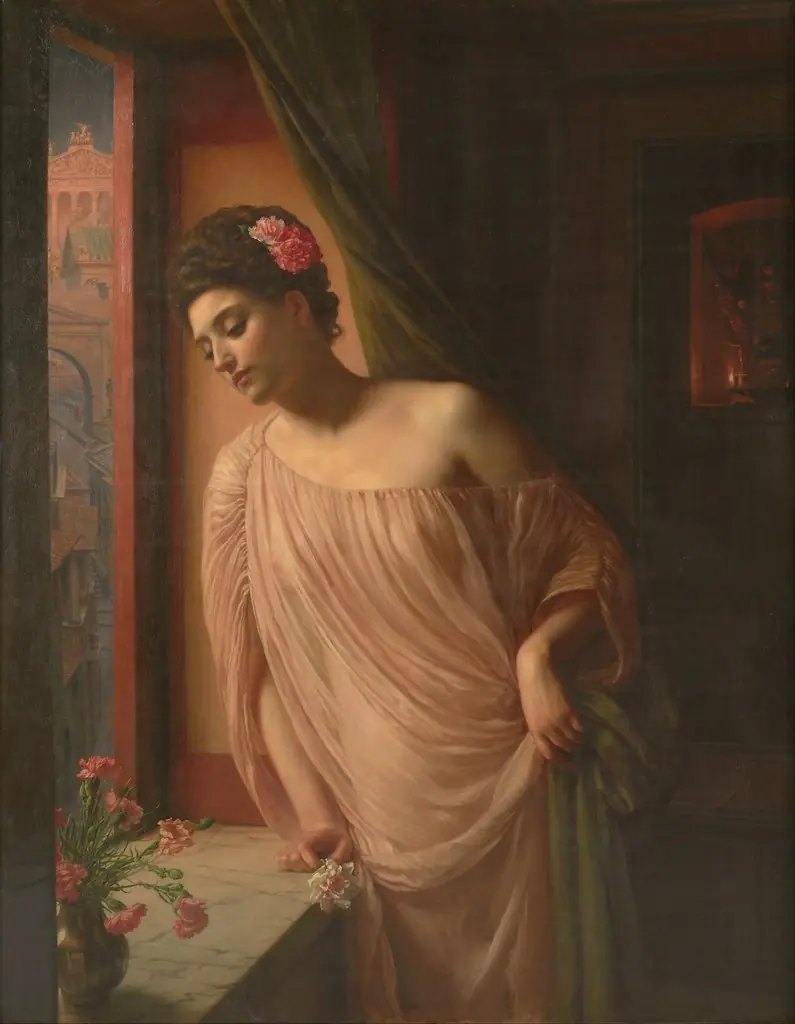
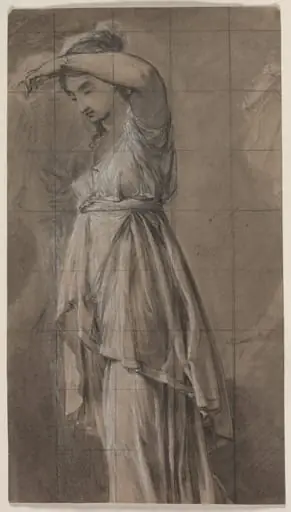 Study for Penelope
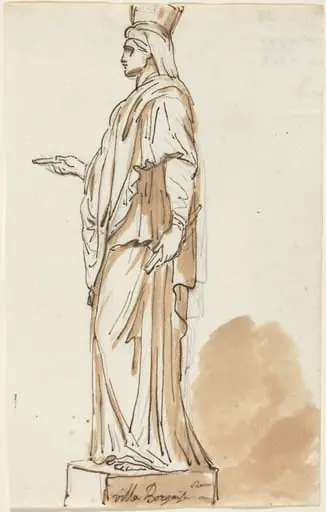 The Borghese Cybele
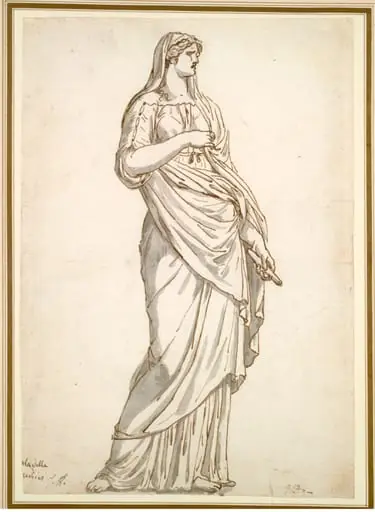 Study of the Sabine Statue from the Villa Medici
![Statue of Abundance [recto], by Hubert Robert](https://artifactworldgallery.com/img/hubert-robert--statue-of-abundance-recto--af10c767ab97b269-w320.webp) Statue of Abundance [recto]
Statue of Abundance [recto]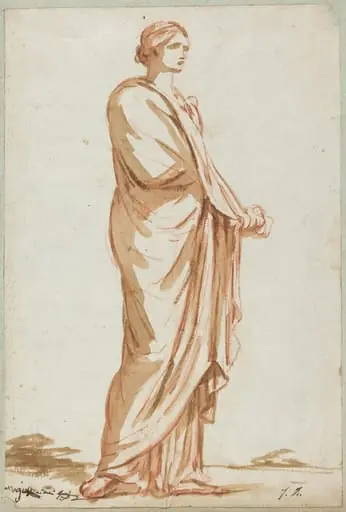 Roman Statue of a Standing Woman
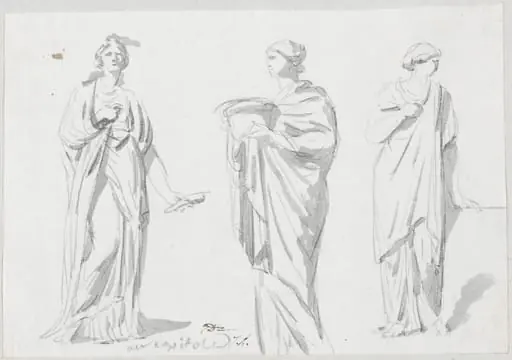 A Muse and Two Female Figures
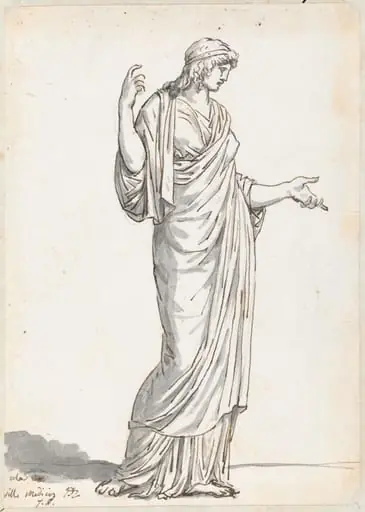 Woman from the Villa Medici
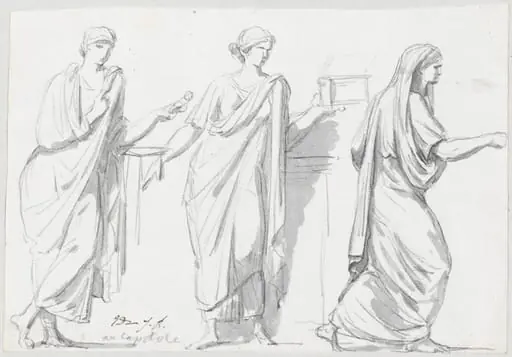 Figures from the Sarcophagus of the Muses
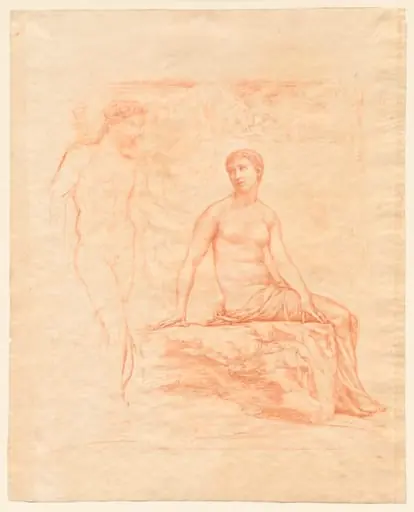 Bacchus and Ariadne
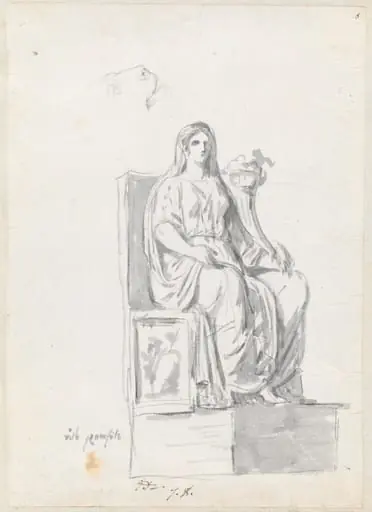 Abundance and the Face of a Lion, from the Villa Pamphili
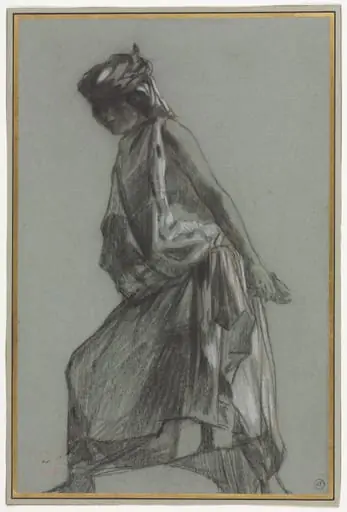 Arab Woman
 Statue of Minerva