Artwork
Portrait of William Collins (1788-1847), Artist
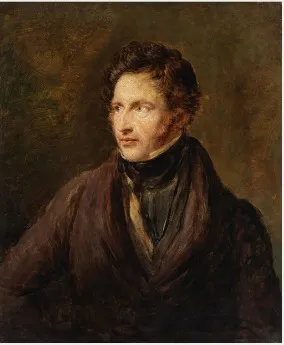
Portrait of William Collins (1788-1847), Artist is an unspecified painting by John Linnell. It dates from 1842 and is held in the collection of the National Gallery of Ireland.
About this work
The artist's use of chiaroscuro, a technique that uses strong contrasts between light and dark, adds depth and dimension to the portrait.
This portrait depicts a man with dark, curly hair and a serious expression. He is dressed in a dark jacket with a high collar, layered over a lighter-colored shirt and a dark cravat. The background of the painting is a muted brown color.
The man's attire and hairstyle suggest that the portrait was created in the 19th century. The artist's use of chiaroscuro, a technique that uses strong contrasts between light and dark, adds depth and dimension to the portrait.
The subject of this portrait is William Collins, an artist. To learn more about the artist who created this portrait, look up John Linnell.
Overview
John Linnell’s portrait of William Collins, executed circa 1842, presents a mid‑nineteenth‑century gentleman in a restrained pose. The canvas resides in the National Gallery of Ireland, where it contributes to the museum’s collection of British portraiture. The sitter, identified as the writer William Collins, is shown with dark, curled hair, a solemn expression, and attire typical of the period, set against a muted brown backdrop.
Subject & Meaning
William Collins (1788‑1847) was a literary figure best remembered as the father of novelist Wilkie Collins. In this work he appears as a dignified, introspective man, his high‑collared jacket and dark cravat suggesting both professional standing and the modest fashion of his era. The portrait conveys a sense of quiet authority, reflecting the respect accorded to a man of letters in Victorian society.
Technique & Style
Linnell employs a clear naturalist approach, emphasizing accurate rendering of texture and form. The use of chiaroscuro—strong contrasts between illuminated facial planes and shadowed clothing—creates depth and a three‑dimensional presence. The painter’s admiration for Northern Renaissance models is evident in the restrained palette and the careful attention to the sitter’s features, while the overall composition remains straightforward and unembellished.
History & Provenance
Created around 1842, the portrait entered the National Gallery of Ireland’s holdings, where it has been displayed as part of the institution’s British art collection. Its provenance traces back to the artist’s circle, reflecting Linnell’s connections within the literary and artistic communities of the time. The work remains a documented example of the artist’s portrait practice during his mature period.
Artist & collection
Artist
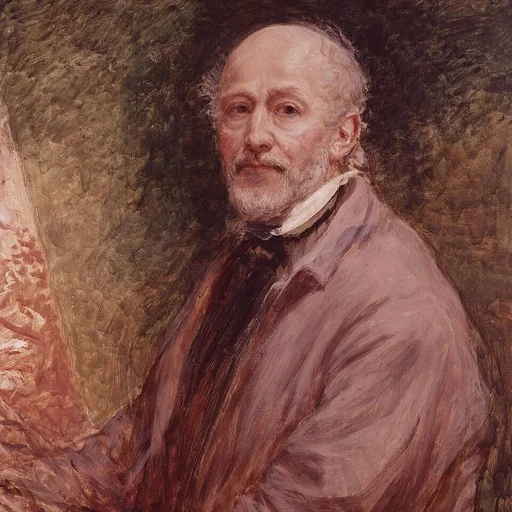
John Linnell (16 June 1792 – 20 January 1882) was an English engraver, portrait painter, and landscape painter.

 Philippe Mengin de Bionval
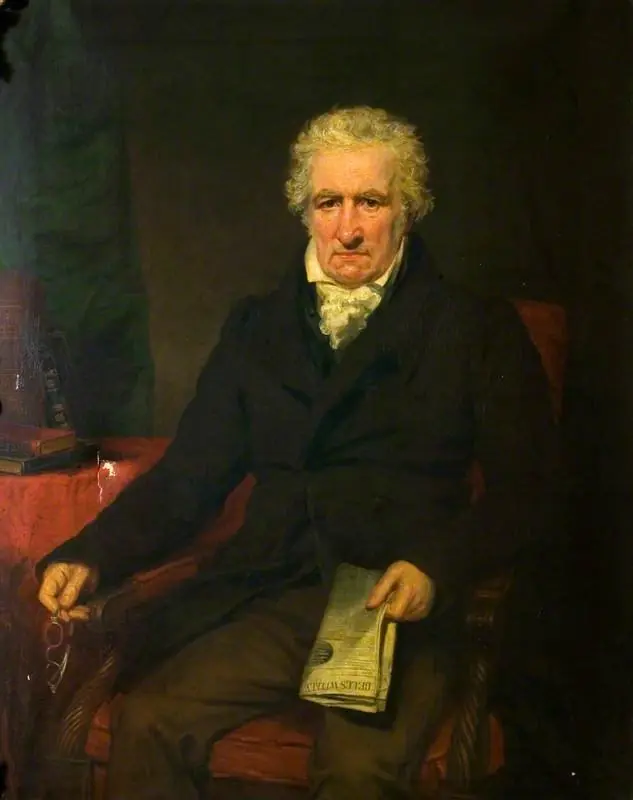 John Bell (1745–1831), Publisher
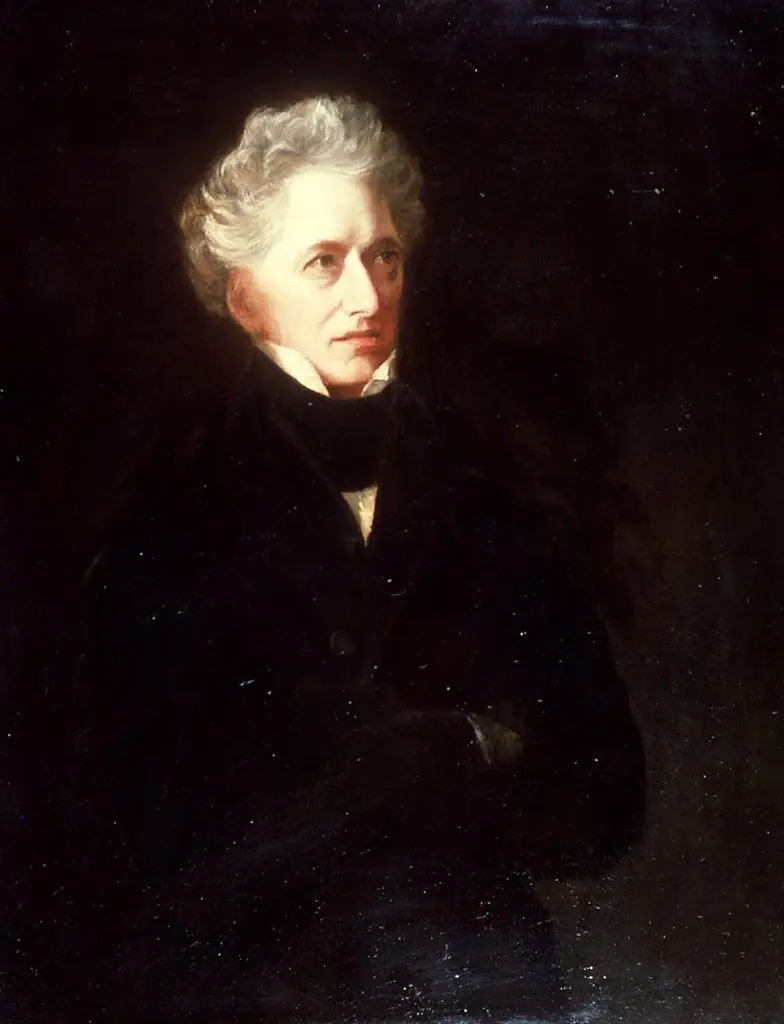 Revd Thomas Price of Llanfihangel Cwmdu
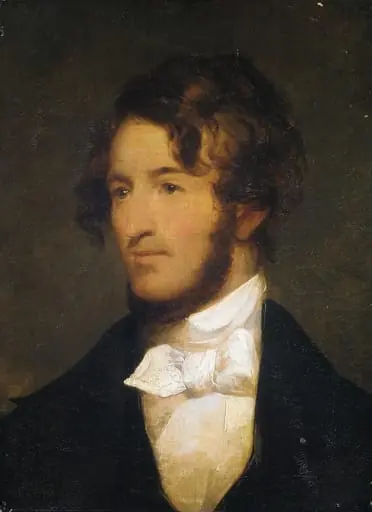 Portrait of a Man
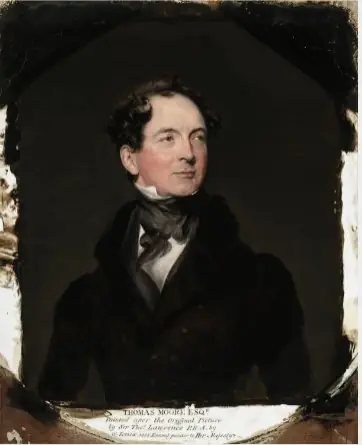 Thomas Moore, Poet
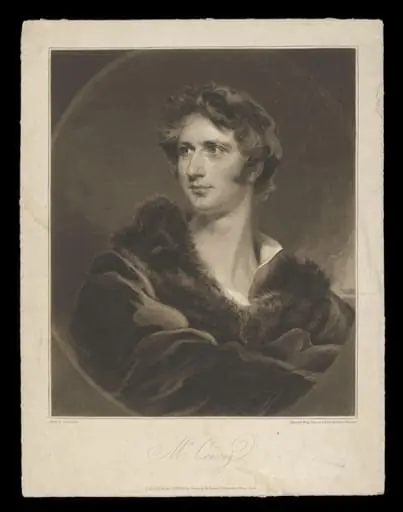 H Beard Print Collection
 Untitled
 Johannes Søbøtker Hohlenberg, Leder af den danske handelsstation i Serampore nær Calcutta
 Portrait of Nicolas-Pierre Tiolier c. 1817
 Self-Portrait