Artwork
Steep Hill, Isle of Wight
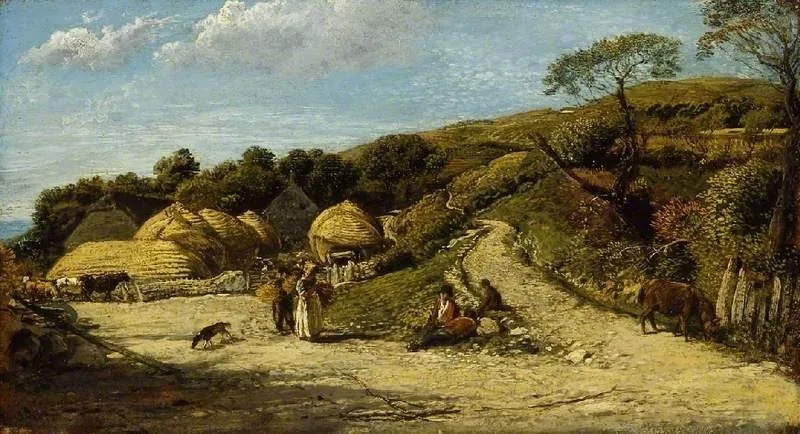
Steep Hill, Isle of Wight is an unspecified painting by John Linnell. It dates from 1815 and is held in the collection of the Fitzwilliam Museum.
About this work
Overview
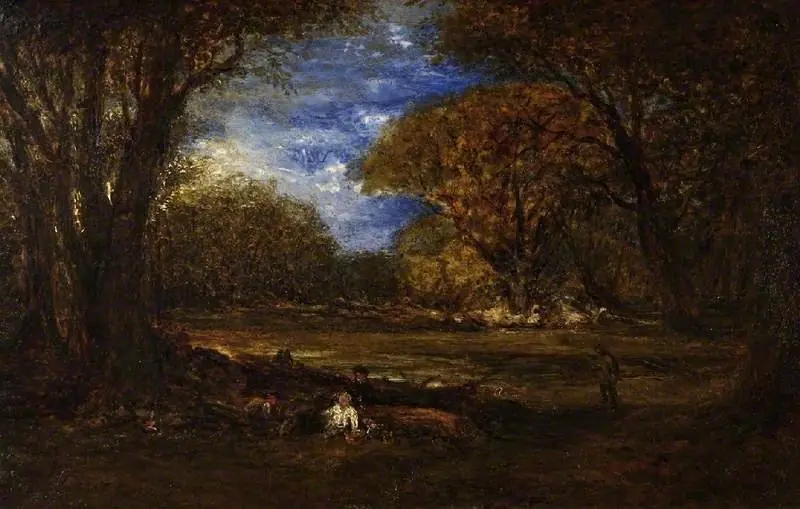
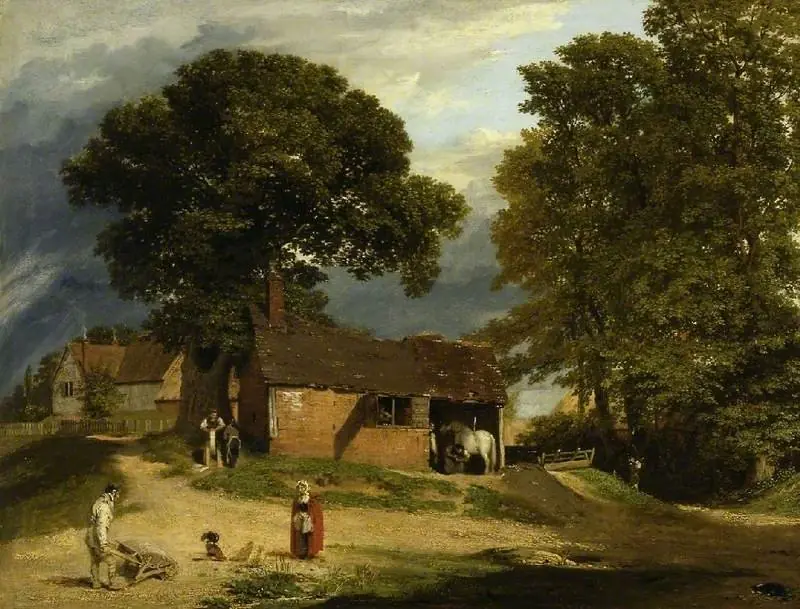
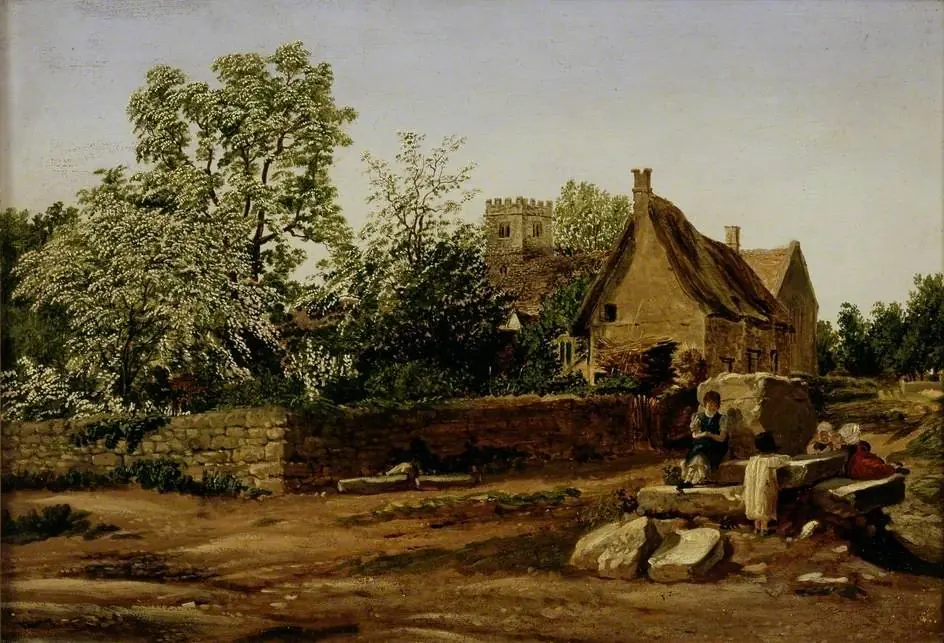
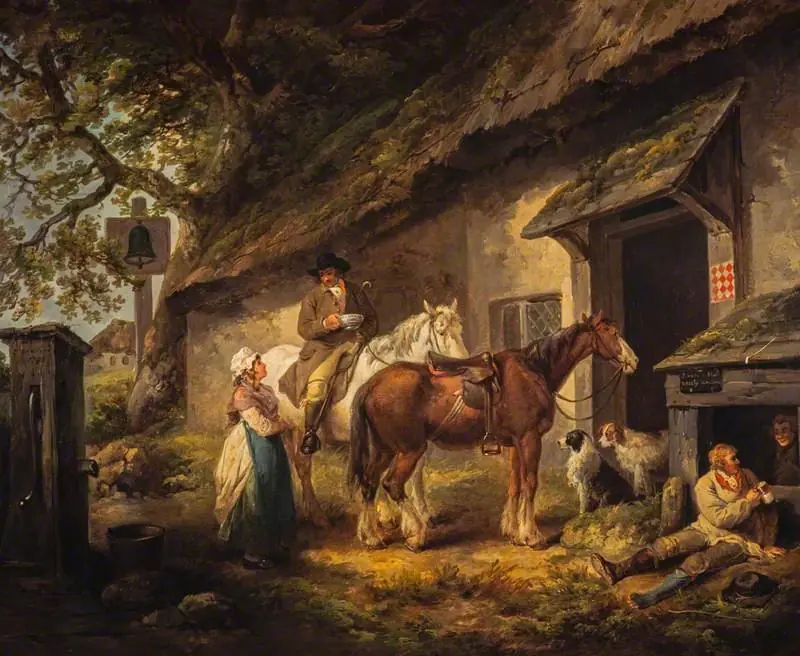
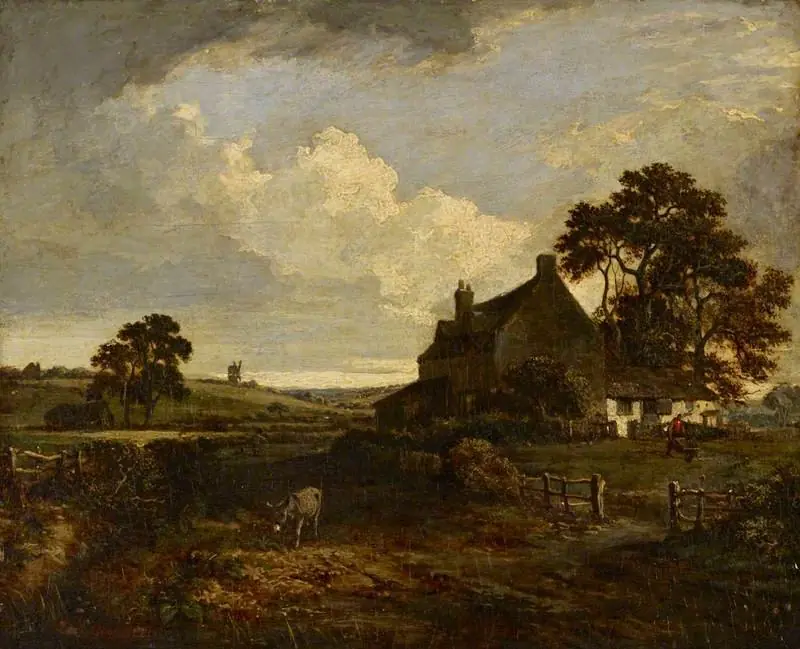
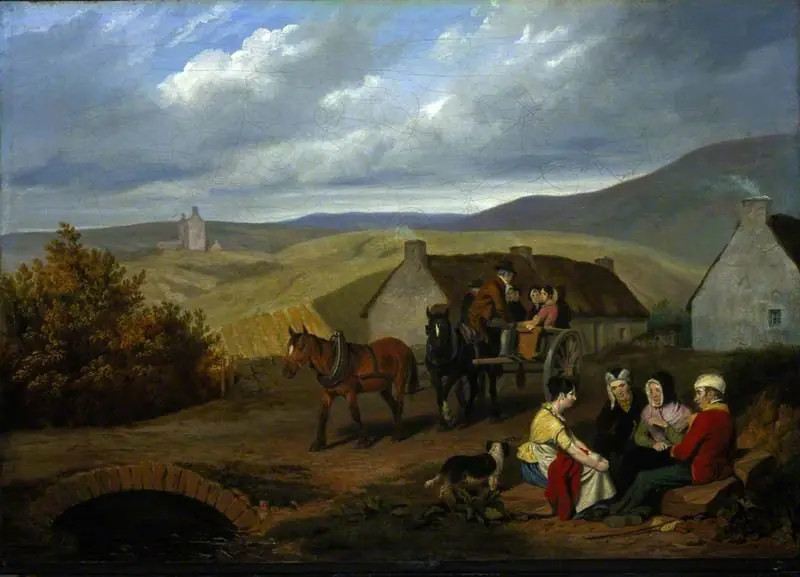
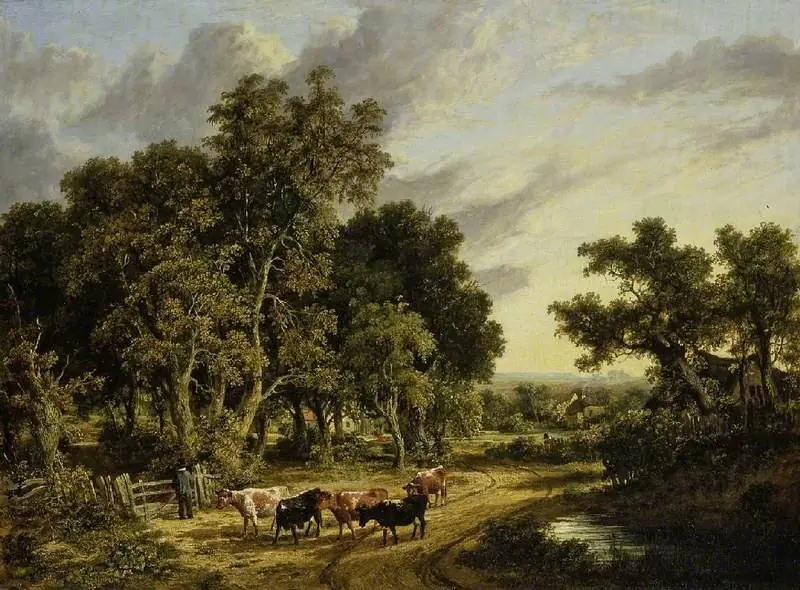
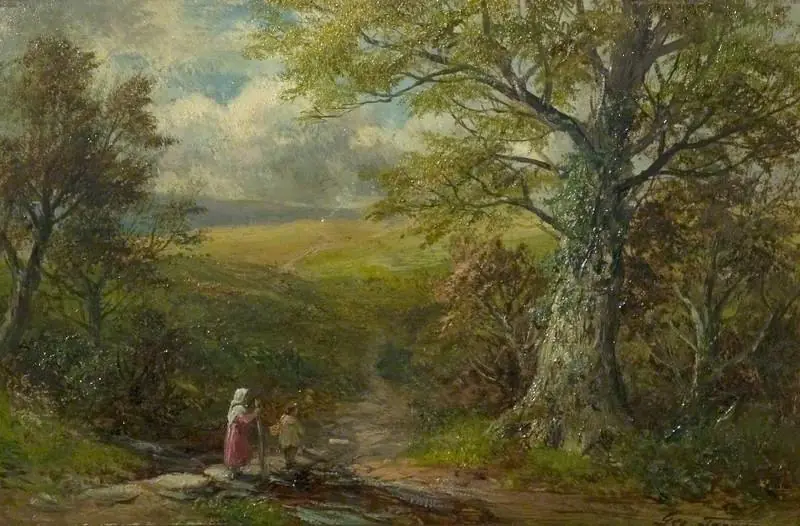
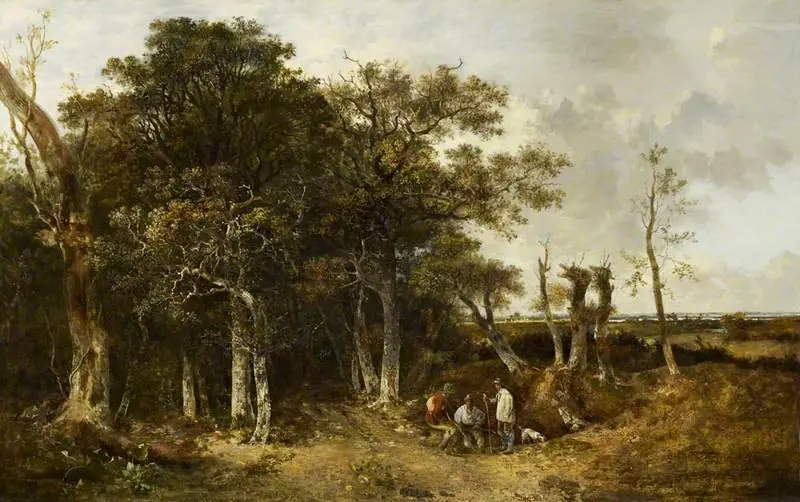
Steep Hill, Isle of Wight, painted in 1815 by English artist John Linnell, is a landscape depicting a rural scene with a winding dirt road, a cottage, figures, animals, and rolling hills under a blue sky.
Subject & Meaning
The painting captures a serene, everyday moment in a natural setting, emphasizing the interaction between the landscape and its inhabitants. The composition conveys a sense of tranquility and daily life.
Technique & Style
Linnell employed a predominantly earthy palette with warm tones, and visible brushstrokes impart a textured quality to the work. While the description mentions chiaroscuro, its application in this piece is not overtly highlighted in the provided details.
History & Provenance
Created in 1815, the painting is now part of the Fitzwilliam Museum's collection. Linnell's influences and associations include Northern European Renaissance art, notably Albrecht Dürer, and connections with William Blake, Samuel Palmer, and Edward Thomas Daniell.
Context
Reflecting Linnell's engagement with Renaissance influences and his network within early 19th-century English artistic circles, the work situates itself within a tradition of landscape painting that values both natural beauty and human presence.
Legacy
As a piece by Linnell, it contributes to the broader understanding of early 19th-century English landscape painting and the artist's evolution, though its specific impact or renown within Linnell's oeuvre is not detailed in the provided information.
Artist & collection
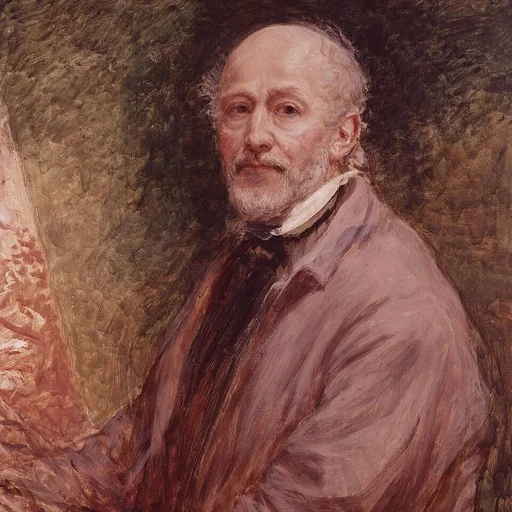
Artist
John Linnell (16 June 1792 – 20 January 1882) was an English engraver, portrait painter, and landscape painter.