Artwork
Ung kvinna med gyllene gloria
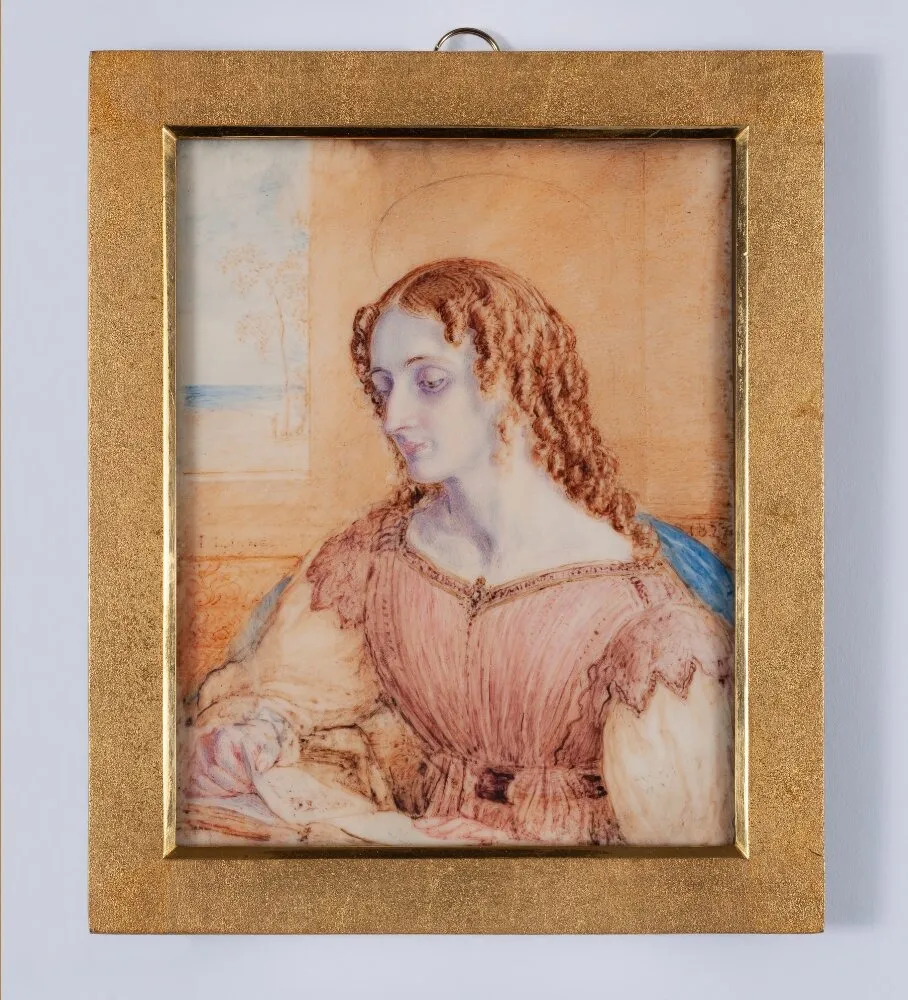
Ung kvinna med gyllene gloria is an unspecified painting by the British Romanticist artist John Linnell. It dates from 1827 and is held in the collection of the Nationalmuseum.
About this work
Overview
Painted in 1827 by English artist John Linnell, this work portrays a young woman adorned with a golden halo.
Painted in 1827 by English artist John Linnell, this work portrays a young woman adorned with a golden halo. Though executed in a naturalistic style, the image transcends portraiture through its spiritual symbolism. The painting resides in the Nationalmuseum’s collection and reflects Linnell’s engagement with religious and contemplative themes, diverging from his more conventional landscapes and portraits.
Subject & Meaning
The figure, unnamed and idealized, is rendered with quiet dignity and a downward gaze, suggesting introspection or devotion. The golden halo, uncommon in secular portraiture, implies sanctity or inner virtue rather than literal divinity. Linnell’s choice to blend earthly realism with celestial symbolism reflects his interest in spiritualized humanity, influenced by his association with William Blake and Northern Renaissance iconography.
Technique & Style
Linnell employs soft, muted tones with a warm, ochre background to frame the figure’s pink dress and blue shoulder detail. The halo, rendered in subtle gold, glows without harshness, harmonizing with the diffused light. Brushwork is delicate, avoiding dramatic contrasts; the woman’s curls and fabric folds are rendered with quiet precision, reinforcing the painting’s meditative tone and aligning with Romantic-era ideals of inner emotion.
History & Provenance
Created during Linnell’s mature period, the painting entered the Nationalmuseum’s collection in the 19th century, likely through acquisition or donation. Its presence in a Swedish institution reflects broader European interest in British Romantic art. Unlike many of Linnell’s works, this piece was not widely exhibited or reproduced, contributing to its relative obscurity despite its refined execution.
Context
In early 19th-century Britain, artists increasingly turned to spiritual and allegorical subjects amid industrialization and religious revival. Linnell, influenced by Blake and Northern Renaissance masters like Dürer, sought to revive symbolic depth in painting. This work stands apart from his landscapes and portraits, revealing a quieter, more personal exploration of transcendence within everyday form.
Legacy
Though not central to mainstream art history, the painting exemplifies Linnell’s unique synthesis of naturalism and mysticism. It remains a quiet testament to his belief in art as a vessel for contemplation. Scholars note its significance in understanding how British Romanticism absorbed devotional imagery without overt religious dogma, offering a nuanced alternative to grand historical narratives.
Artist & collection
Artist
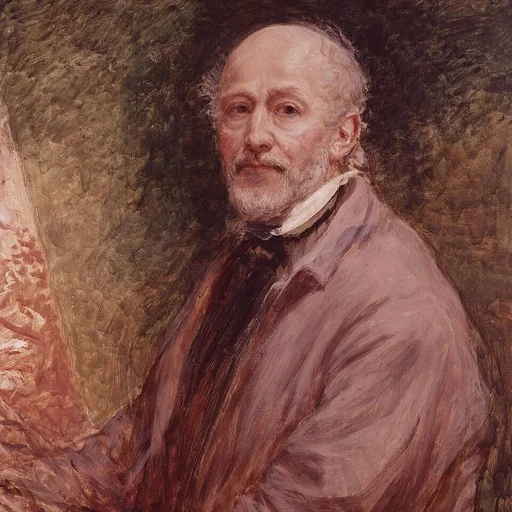
John Linnell (16 June 1792 – 20 January 1882) was an English engraver, portrait painter, and landscape painter.








 The Blonde, Female Head
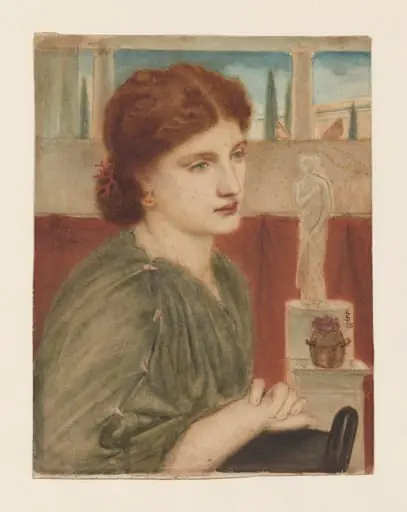 In the Temple of Venus
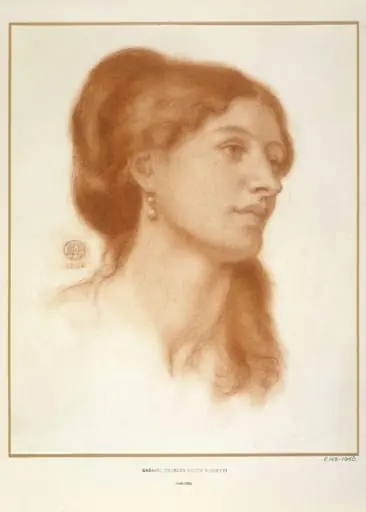 Louisa, wife of Murray Marks
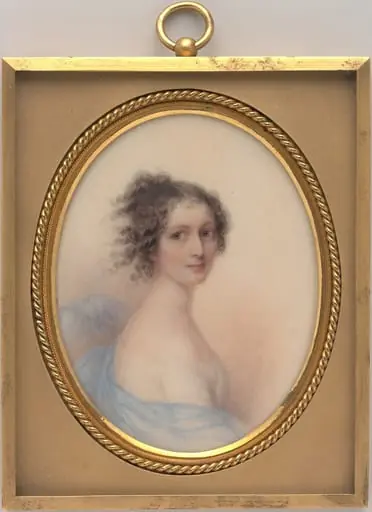 Rebecca Wetherill
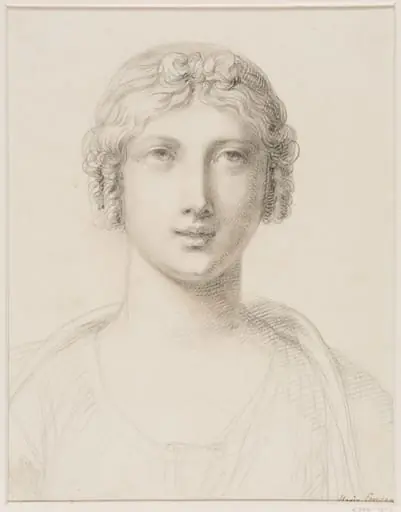 Study of a female head
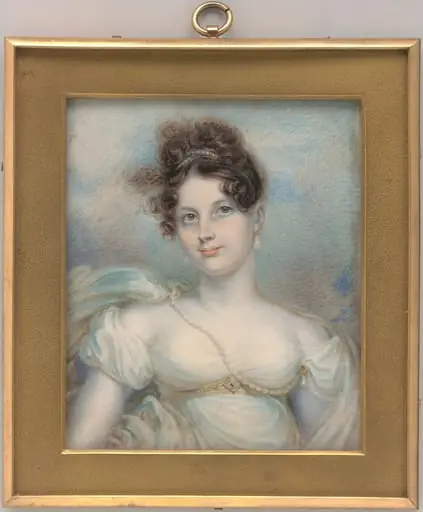 Mrs. Manigault Heyward (Susan Hayne Simmons)
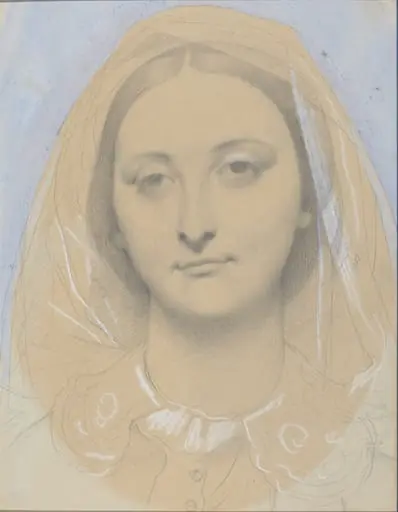 Mademoiselle Mary de Borderieux(?)
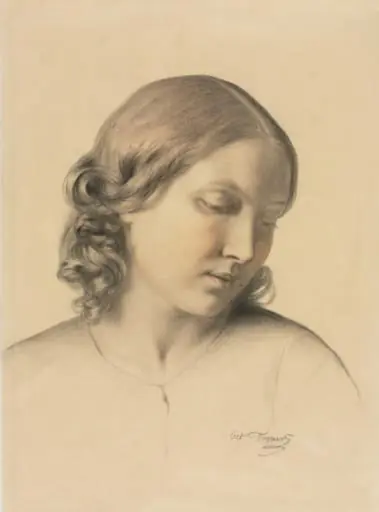 Portrait of a Young Woman
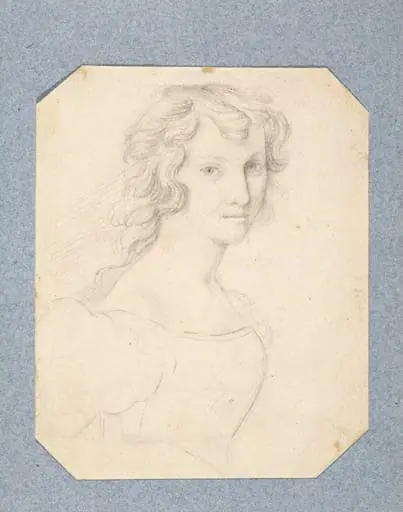 drawing from the Ionides Album
 drawing from the Ionides Album
 H Beard Print Collection
 Porträtt av ung kvinna i en violett klänning med vit spetskrage