Artwork
The end of the world
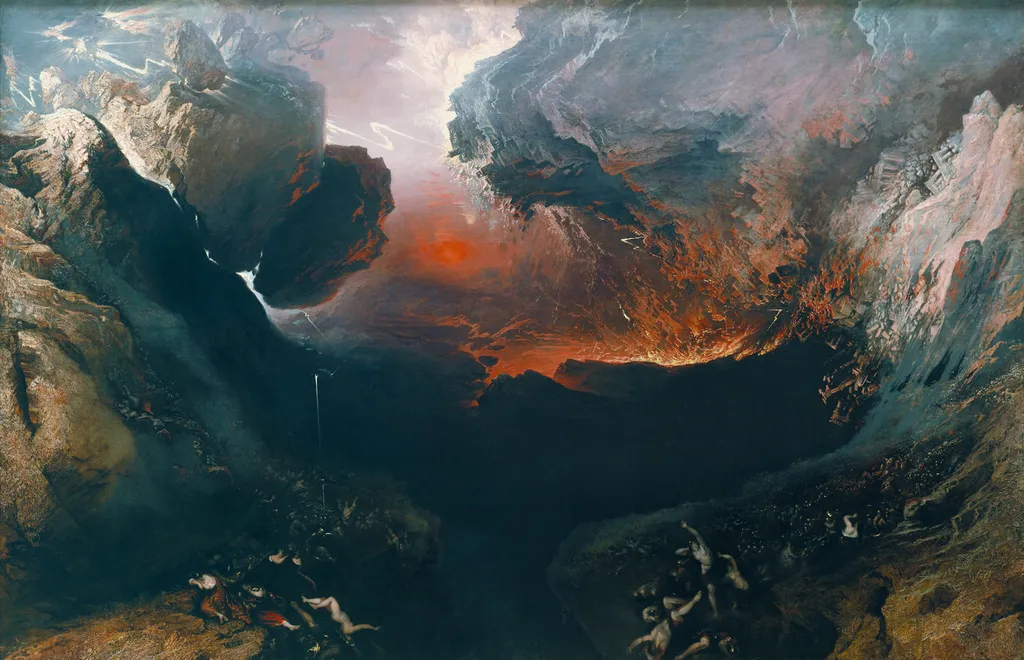
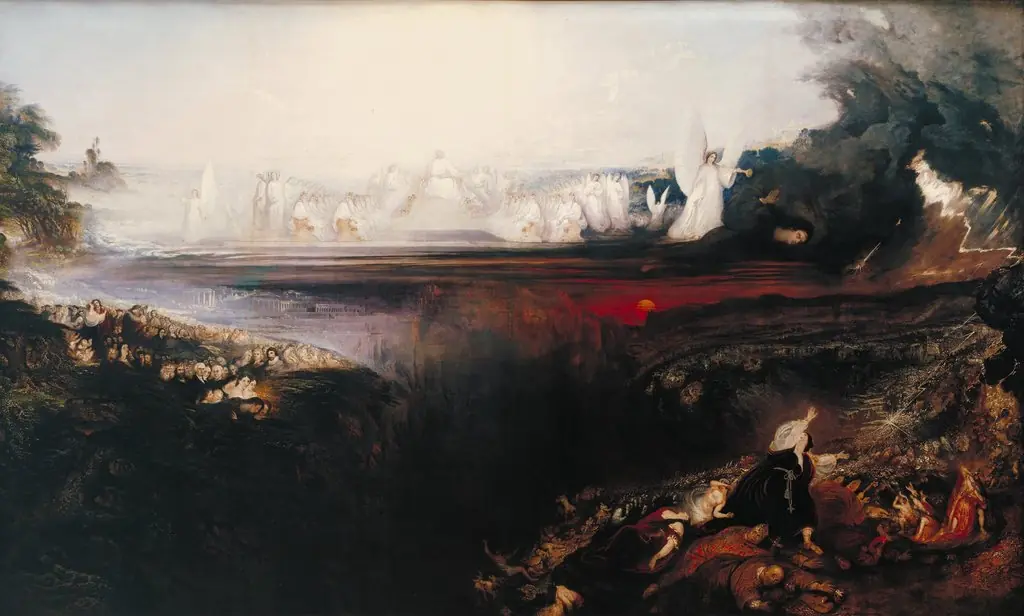
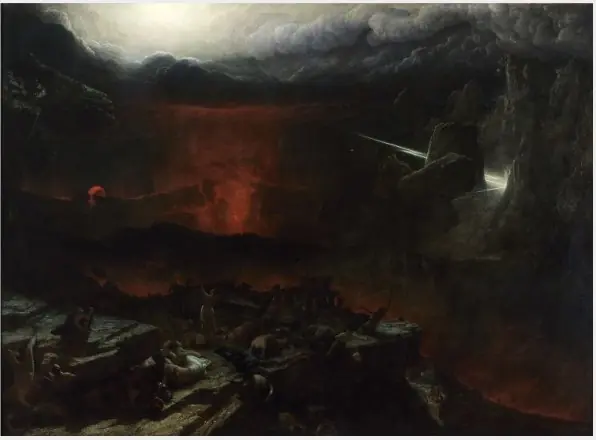
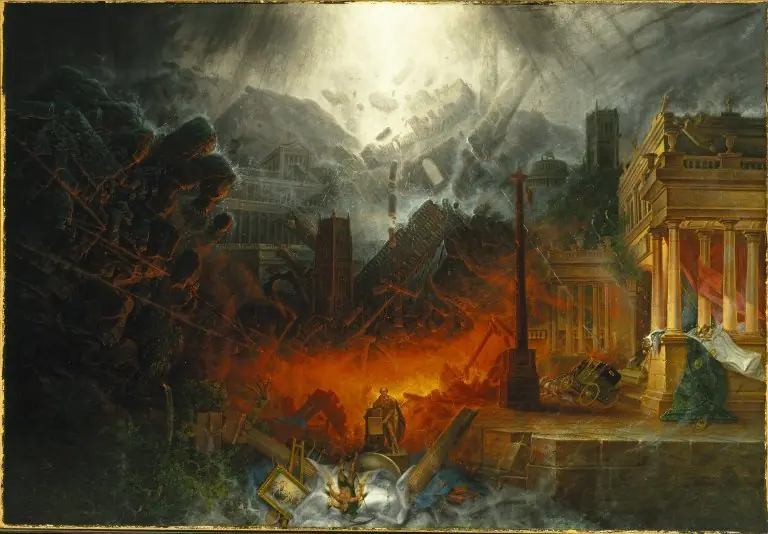
The end of the world is an oil painting by the British Romanticist artist John Martin. It dates from 1851 and is held in the collection of the National Gallery.
About this work
Overview
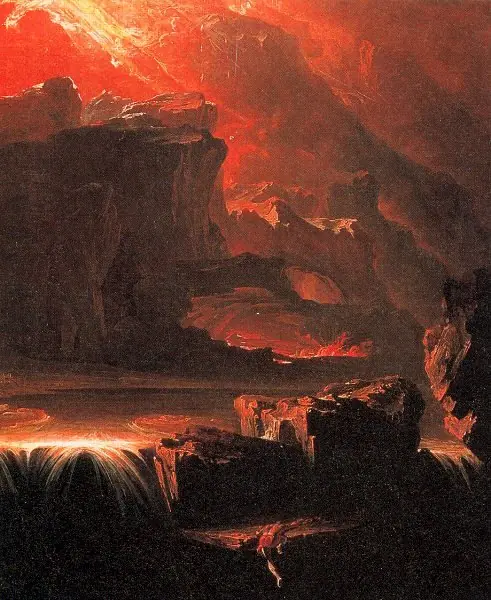
John Martin’s oil on canvas, executed between 1851 and 1853, is commonly titled The End of the World and also known as The Great Day of His Wrath. The large-scale work depicts a cataclysmic scene of destruction, rendered in the dramatic, theatrical manner characteristic of the artist’s late career.
Subject & Meaning
The composition portrays a landscape overwhelmed by apocalyptic forces, suggesting a biblical or mythic final judgment. Contemporary commentary links the turmoil in the picture to the social upheavals of early‑nineteenth‑century England, interpreting the visual chaos as a reflection on the consequences of rapid industrial change.
Technique & Style
Martin employed the traditional oil glazing method, building luminous layers to achieve depth and atmospheric intensity. His use of stark chiaroscuro and sweeping, exaggerated forms creates a sense of monumental scale, while the meticulous detailing of ruins and clouds underscores the painting’s dramatic narrative.
History & Provenance
According to Martin’s son Leopold, the artist’s concept arose during a nocturnal journey through the Black Country, an industrial region noted for its soot‑filled skies and stark factories. This personal anecdote has informed scholarly interpretations that tie the work’s apocalyptic vision to the era’s industrial expansion.
Own this work as a print
Artist & collection
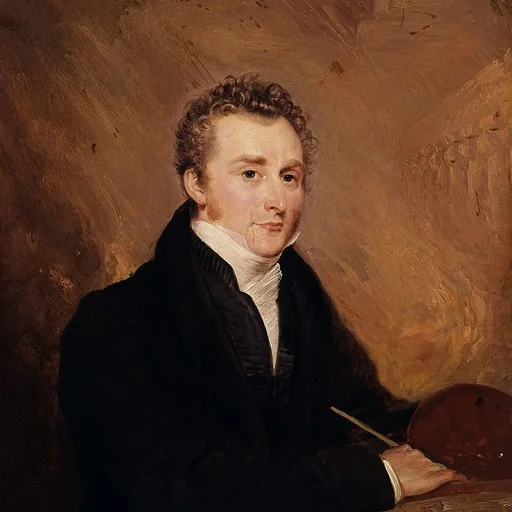
Artist
John Martin (19 July 1789 – 17 February 1854) was an English Romanticist painter, engraver, and illustrator.