Artwork
The Isle of Man
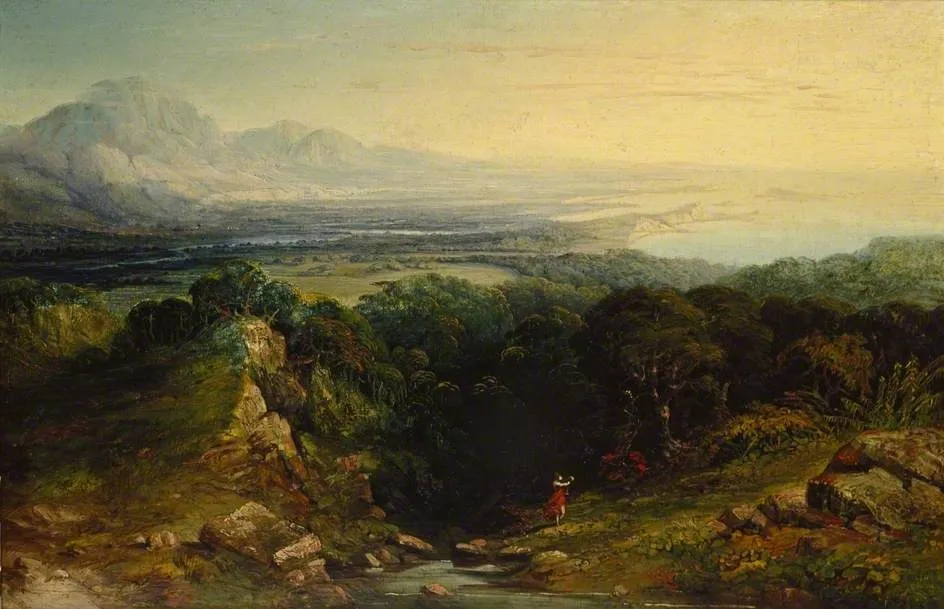
The Isle of Man is an unspecified painting by John Martin. It dates from 1851 and is held in the collection of the Ashmolean Museum.
About this work
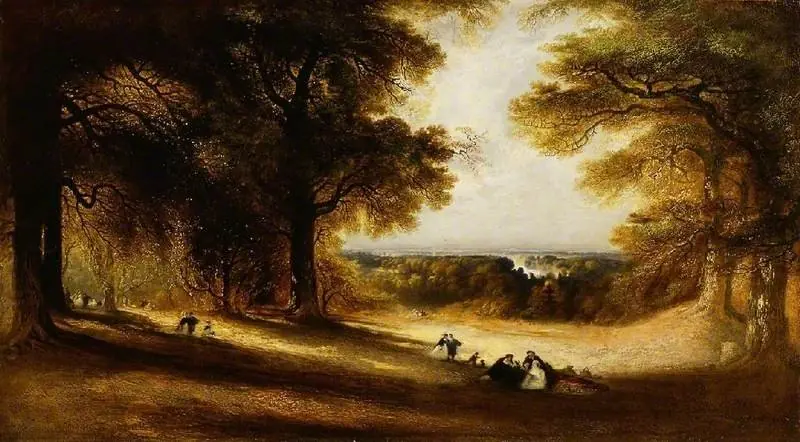
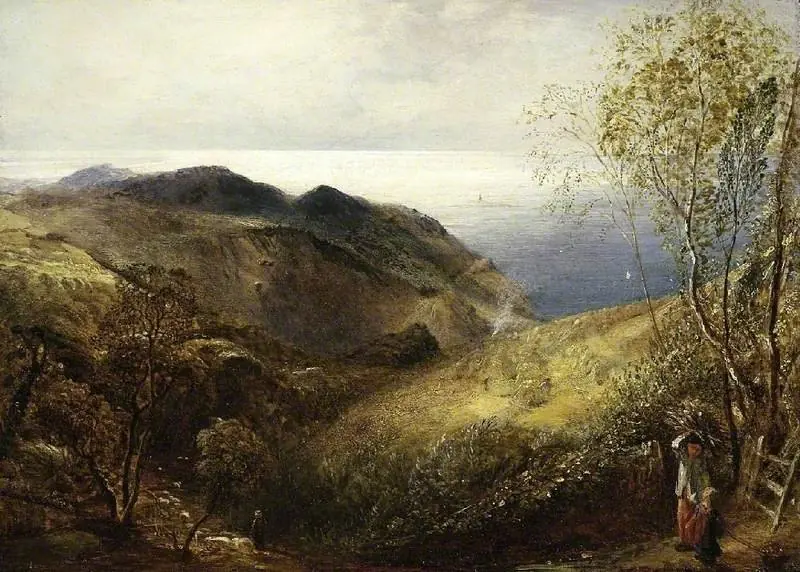
This painting depicts a serene landscape, with a body of water in the foreground and mountains in the distance.
This painting depicts a serene landscape, with a body of water in the foreground and mountains in the distance. The sky above is a soft, hazy yellow, and the overall atmosphere is one of calmness.
In the foreground, there are trees and bushes, which add depth and texture to the scene. The artist's use of color and light creates a sense of warmth and tranquility.
The Isle of Man, painted by John Martin in 1851, is a beautiful example of a landscape painting. To learn more about the artist's technique, look up "chiaroscuro".
Overview
The Isle of Man, painted by English Romanticist John Martin in 1851, is a landscape painting characterized by serene natural scenery and intricate detail.
Subject & Meaning
The painting depicts a peaceful landscape with a body of water, distant mountains, and foreground foliage, evoking a sense of calmness and warmth through its soft, hazy yellow sky.
Technique & Style
Martin's signature style is evident in the contrast between minute, detailed elements and vast, sweeping landscapes, with the use of chiaroscuro contributing to the warm and tranquil atmosphere.
History & Provenance
Created in 1851, the work reflects Martin's popularity during his lifetime, despite facing criticism from notable figures such as John Ruskin.
Artist & collection
Artist
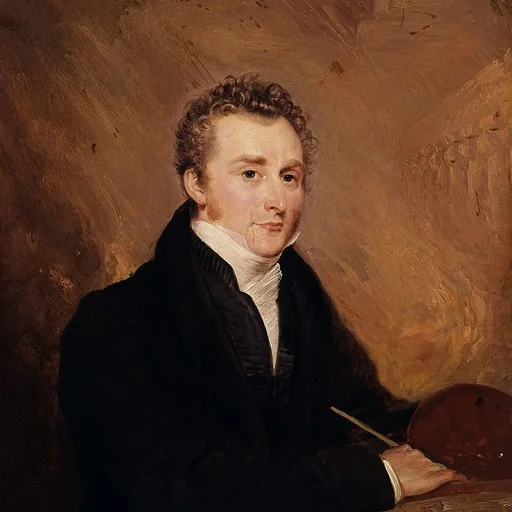
John Martin (19 July 1789 – 17 February 1854) was an English Romanticist painter, engraver, and illustrator.

 View of Lee, North Devon
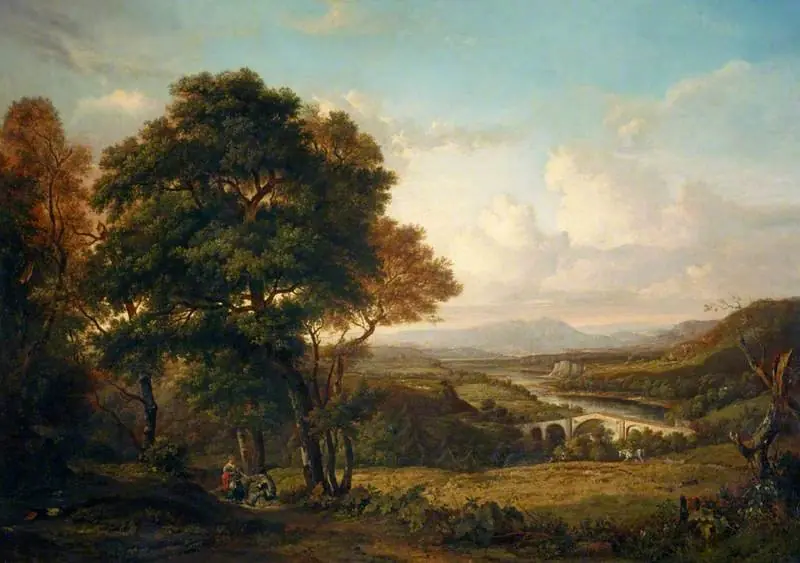 The Valley of the Tweed
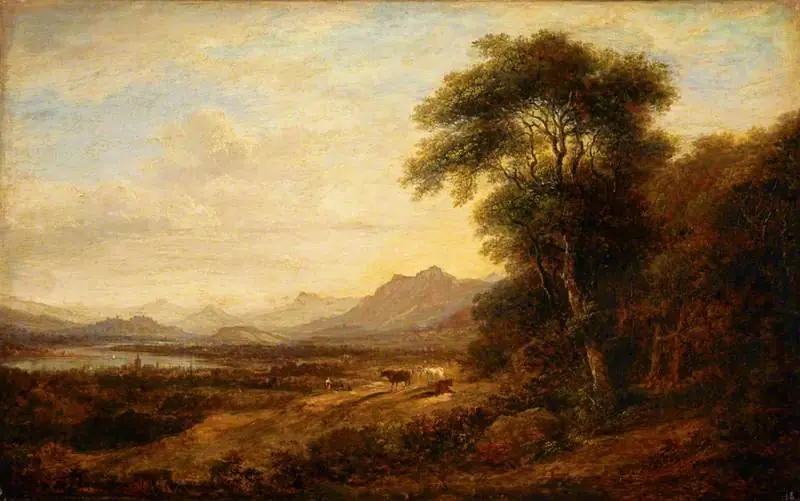 The Windings of the Forth (or The Forth near Alloa, Stirling in the distance)
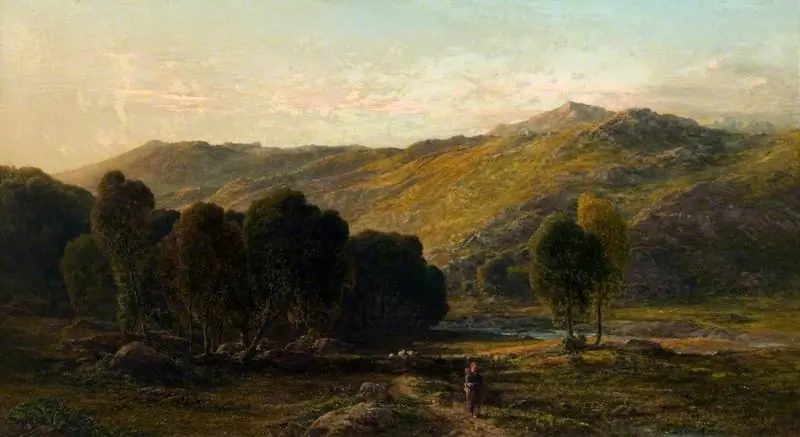 Mountain Scene with a Stream, Wales
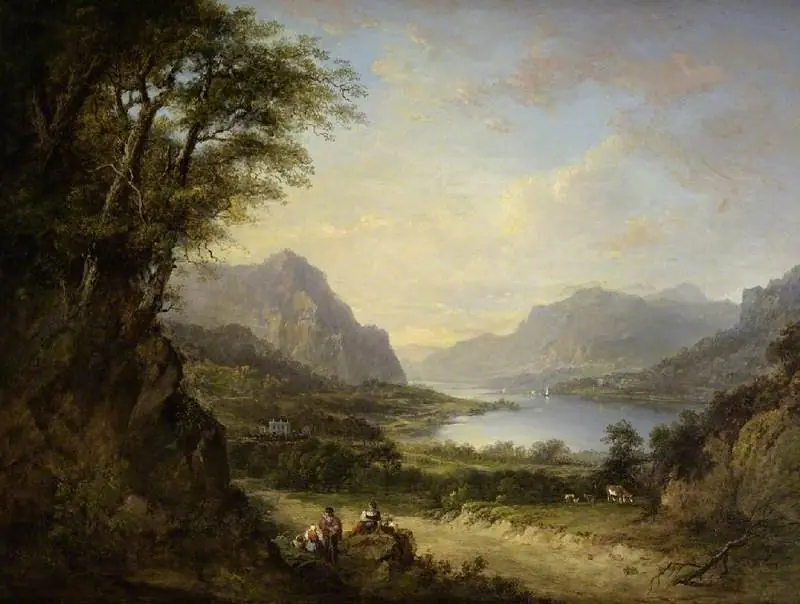 Loch Doon, Ayrshire
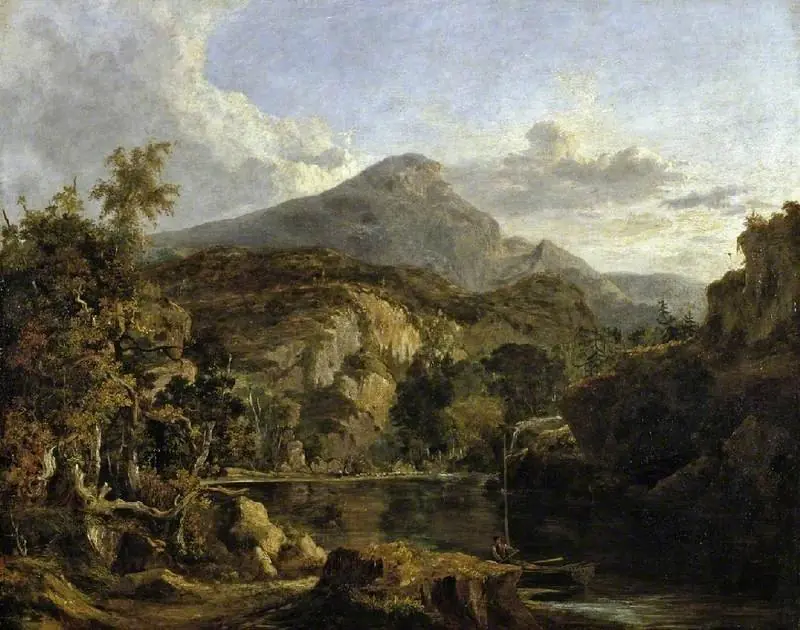 View in the Highlands
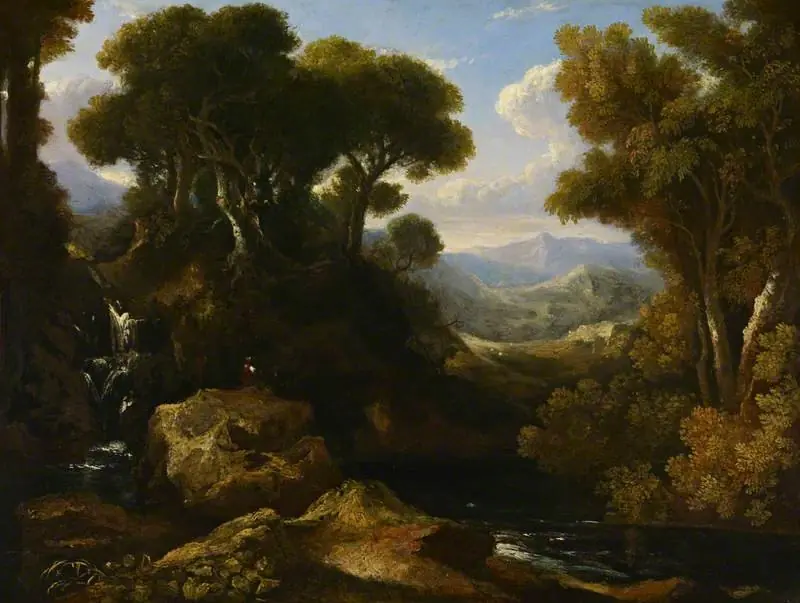 Landscape Composition
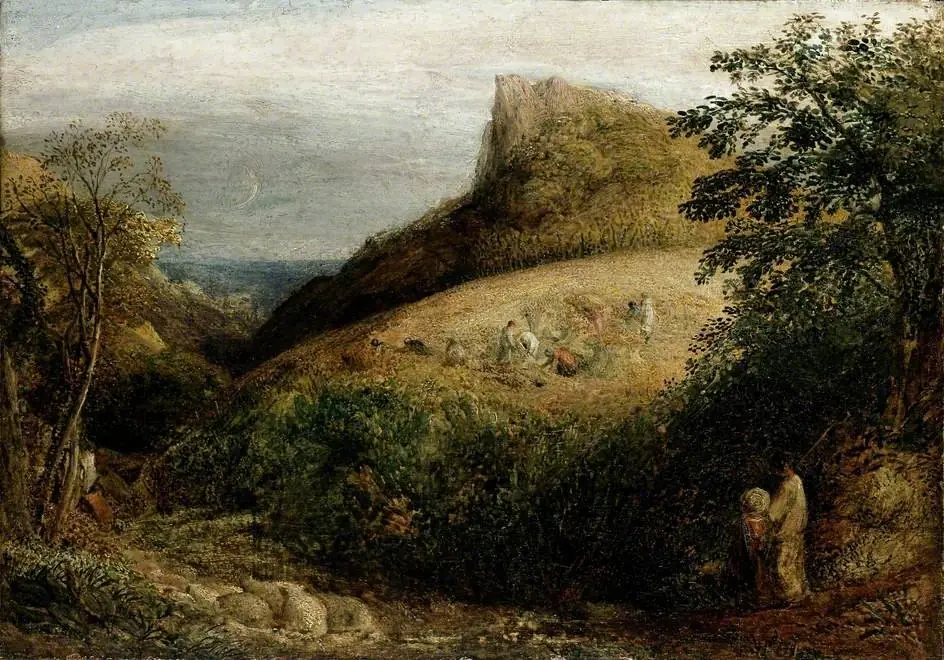 Pastoral Scene
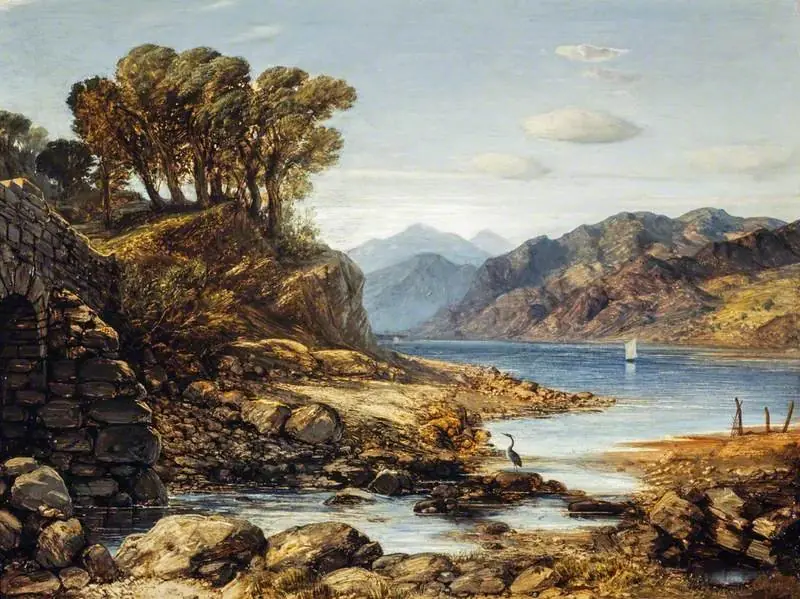 View of Loch Lomond (previously known as Shirrapburn Loch)
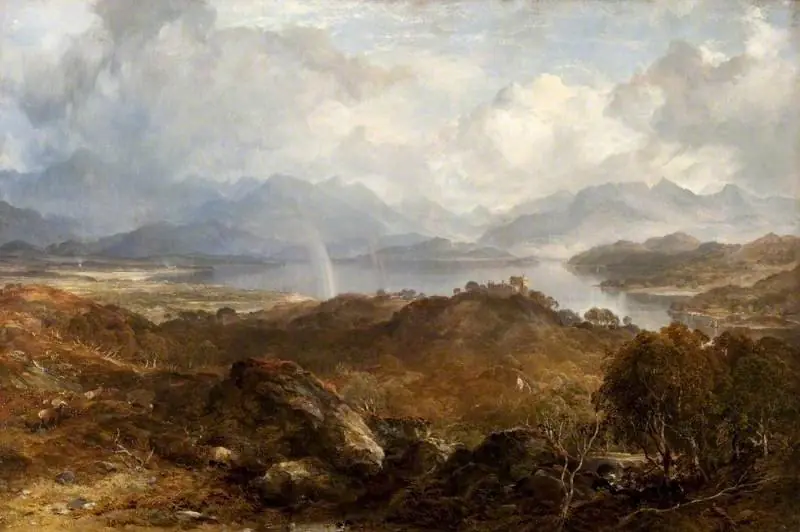 'My heart's in the Highlands'
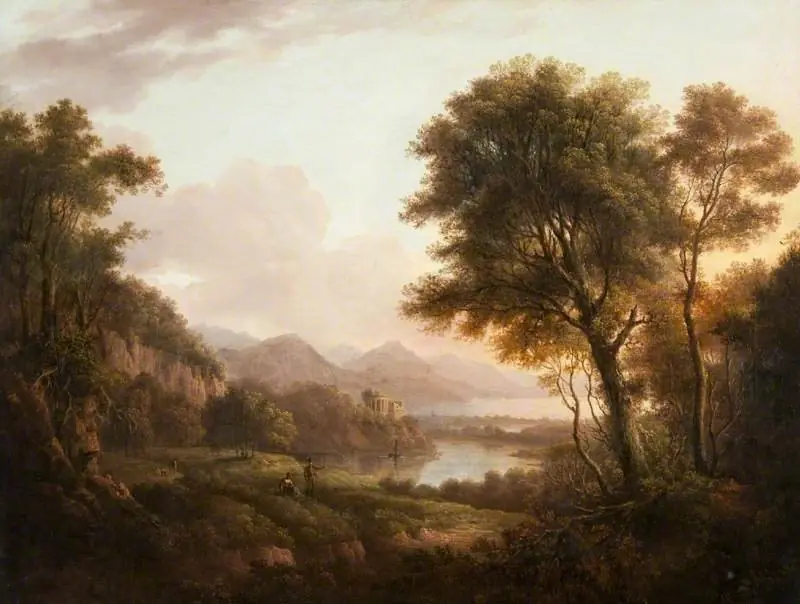 Landscape, Loch Katrine
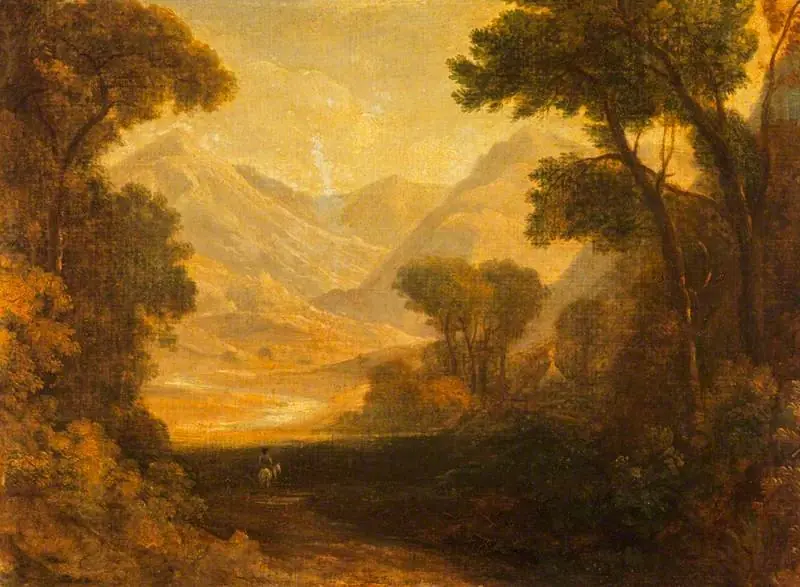 Glen Altrive, Selkirkshire