Artwork
Pastoral Scene
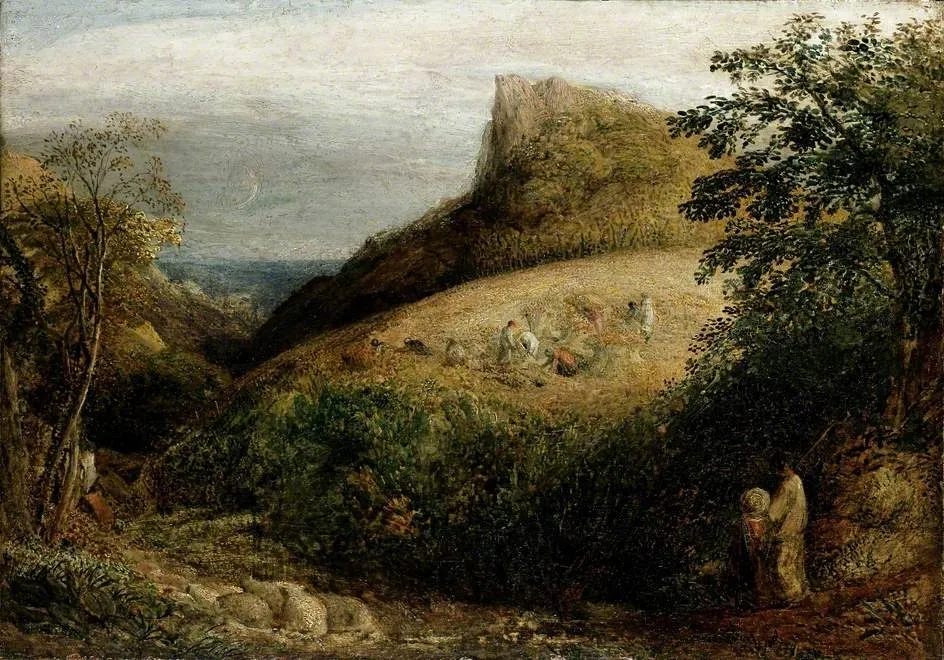
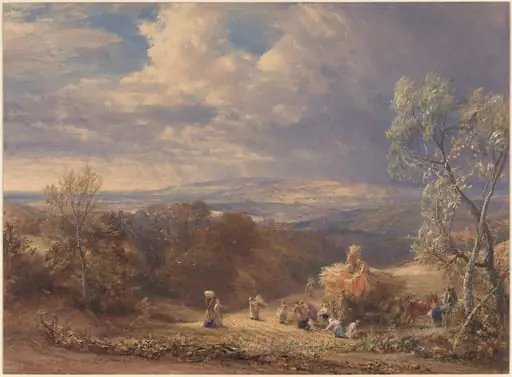
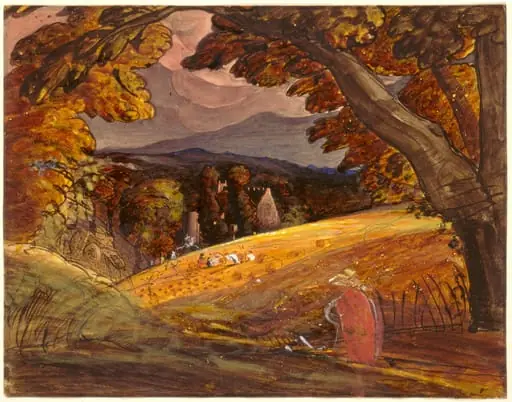
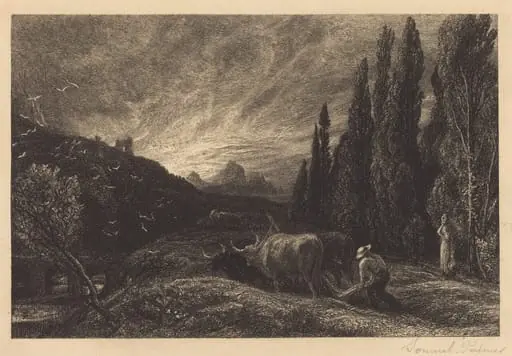
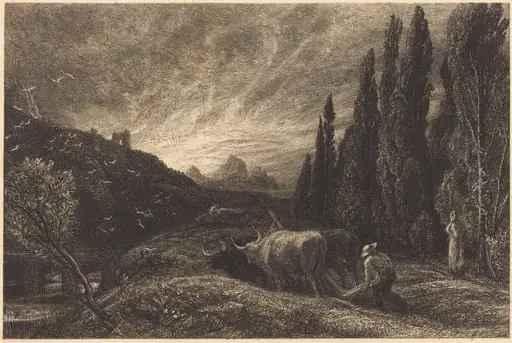
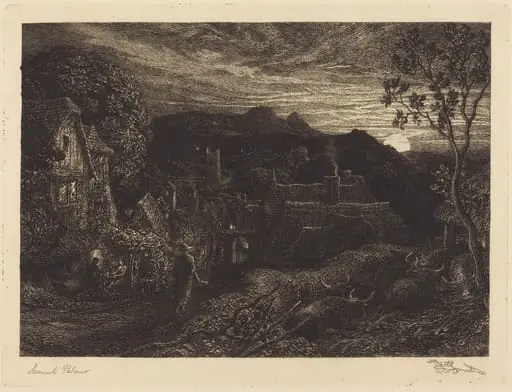
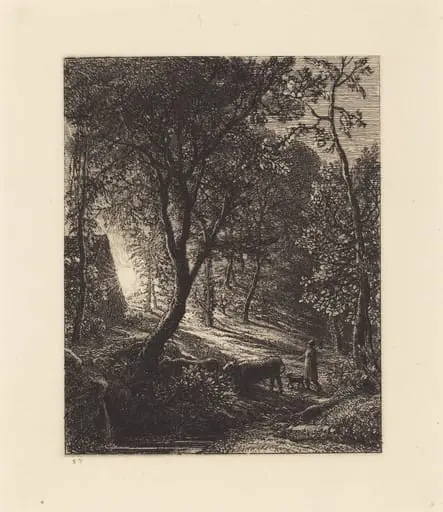
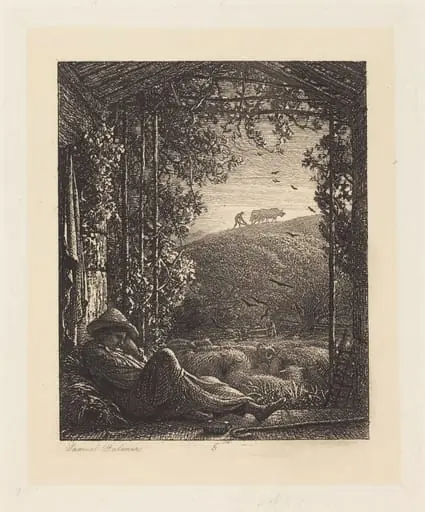
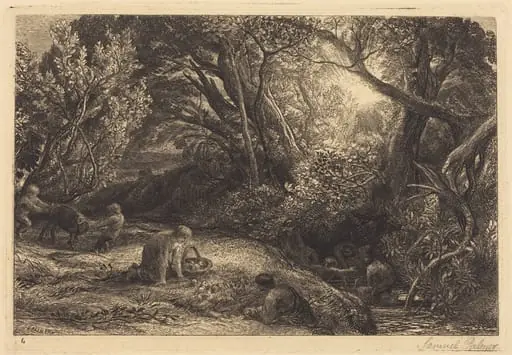
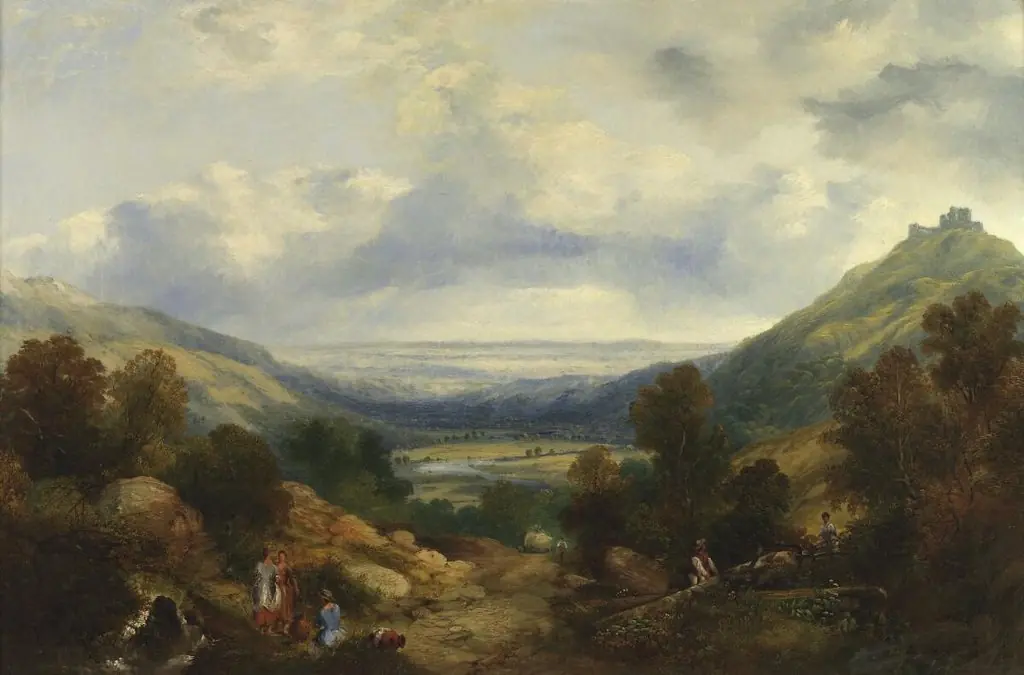
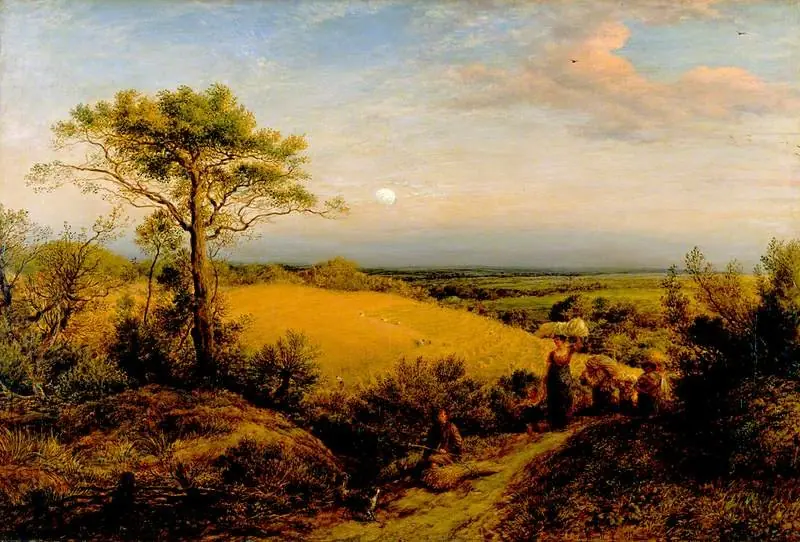
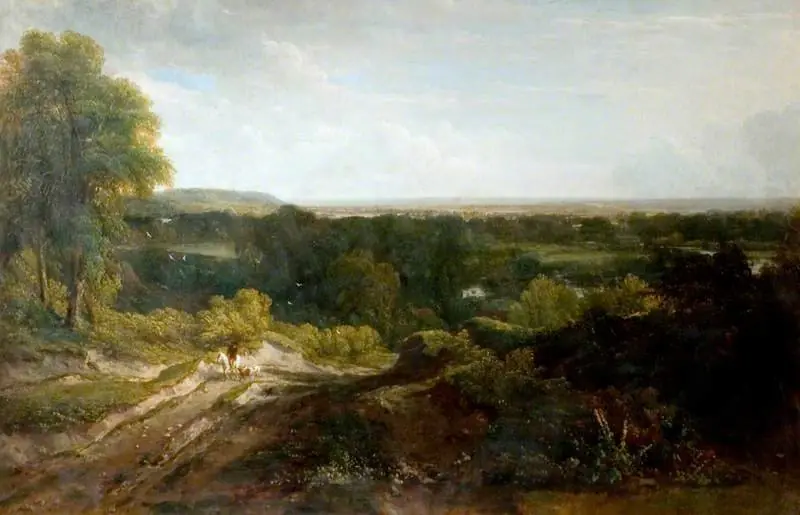
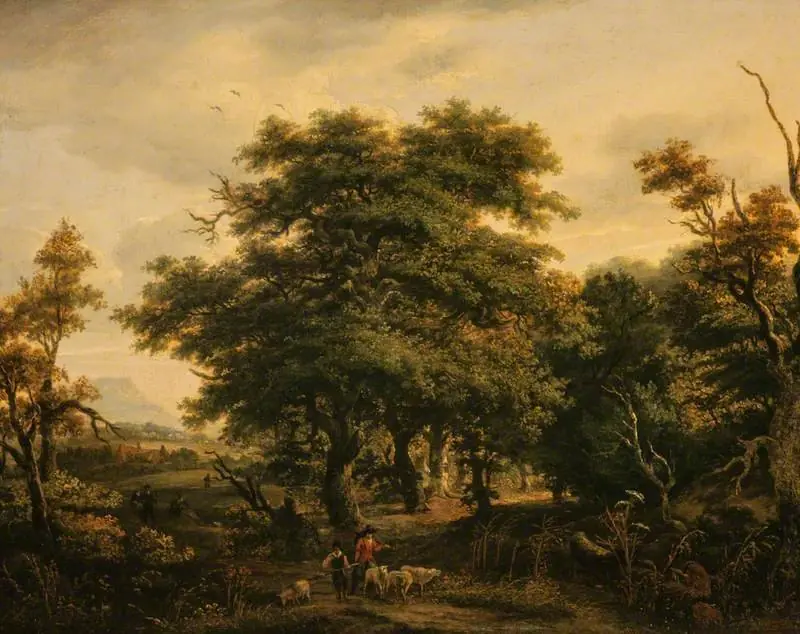
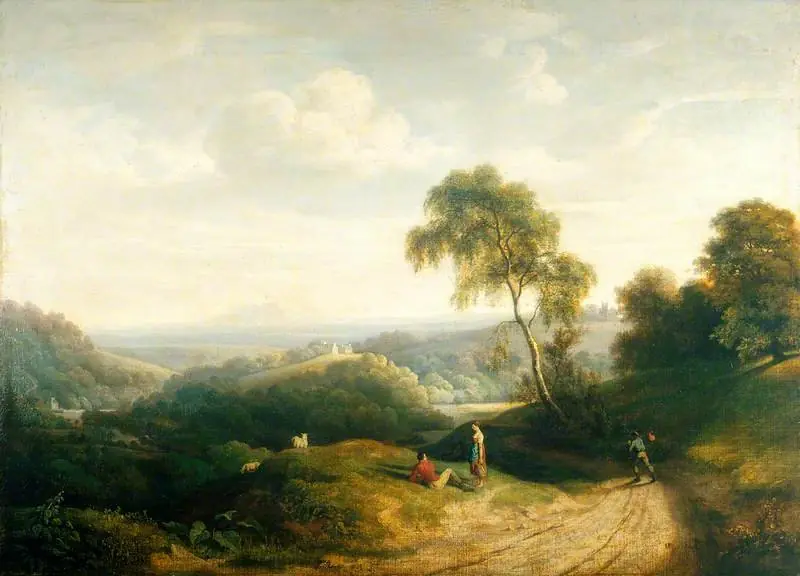
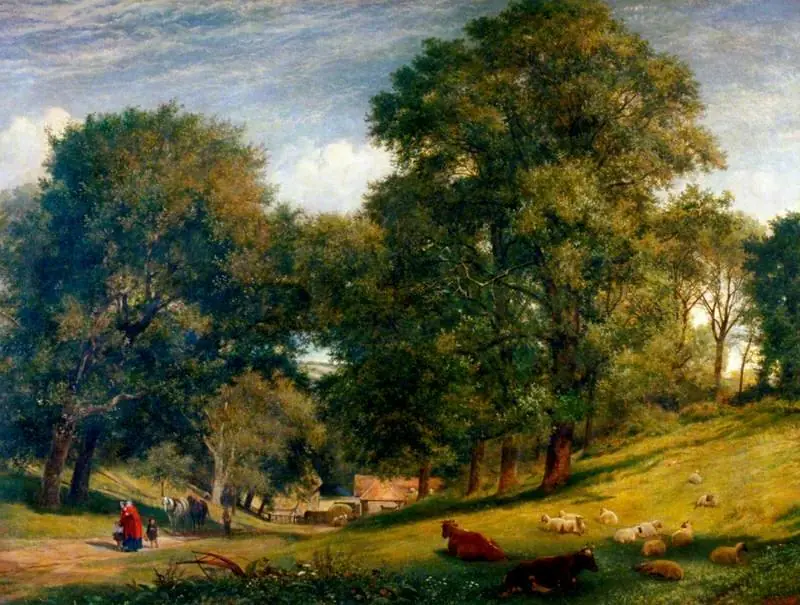
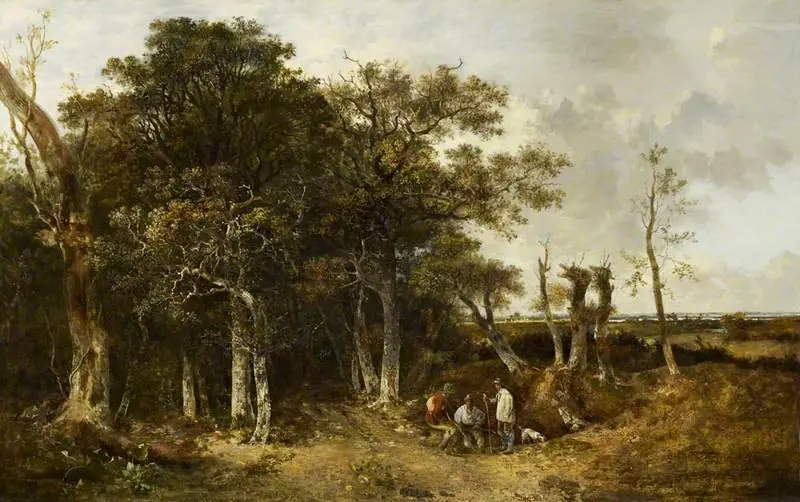
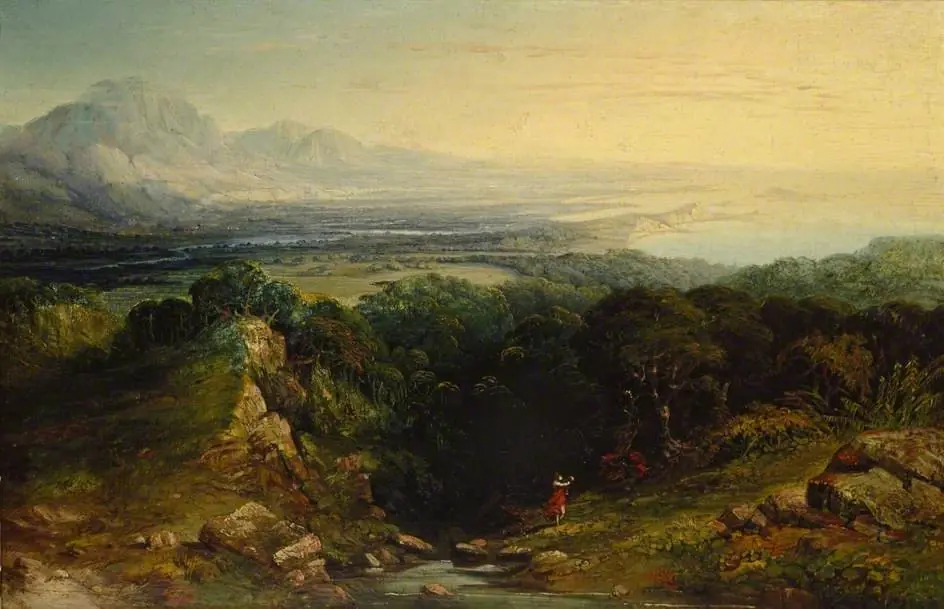
Pastoral Scene is an oil painting by Samuel Palmer. It dates from 1834 and is held in the collection of the Ashmolean Museum.
About this work
Overview
The work belongs to a series of rural visions he developed during his time in Shoreham, Kent, where he sought to express spiritual harmony through landscape.
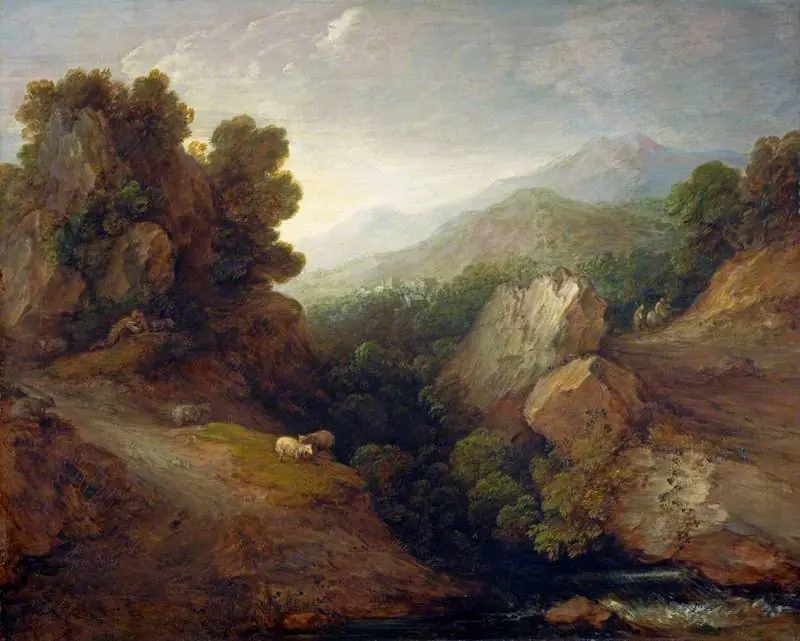
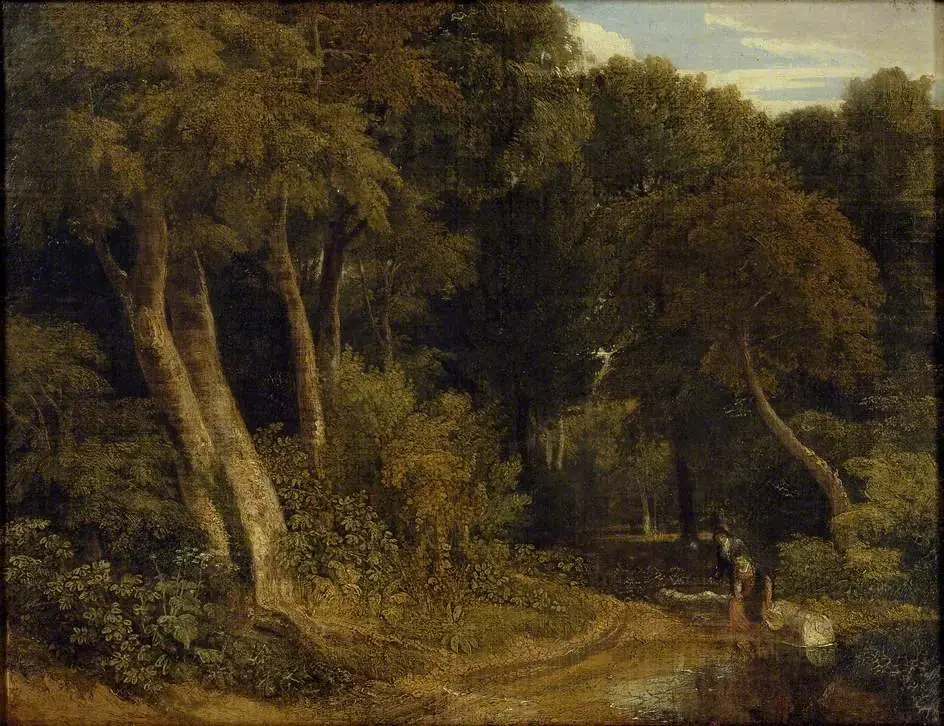
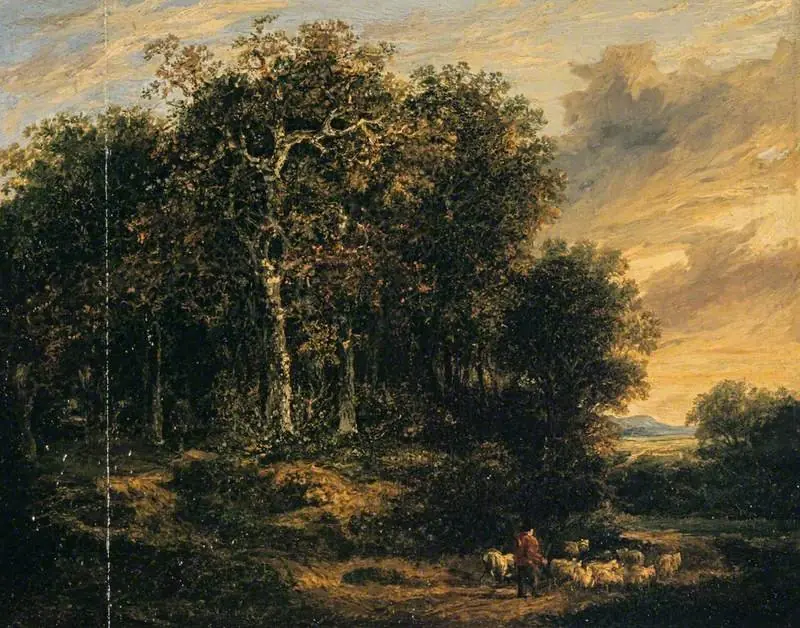
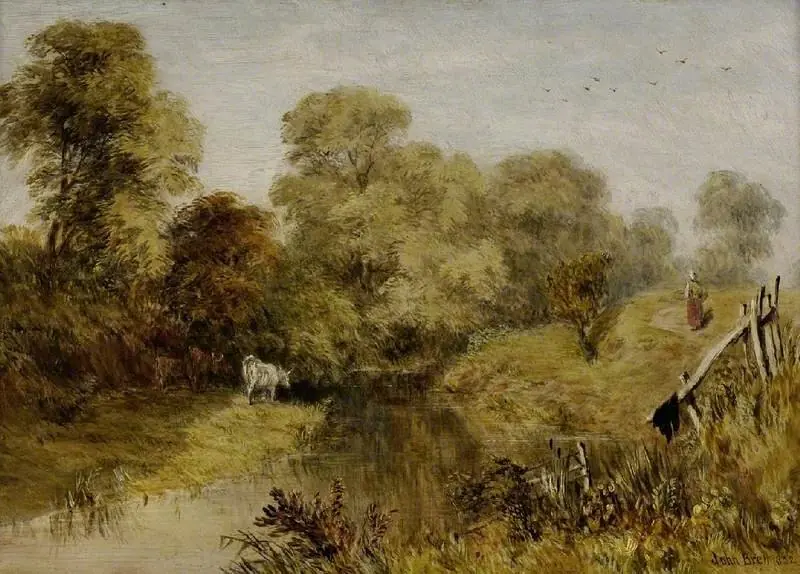
Samuel Palmer painted *Pastoral Scene* in 1834 using oil on canvas, capturing a quiet English countryside. The work belongs to a series of rural visions he developed during his time in Shoreham, Kent, where he sought to express spiritual harmony through landscape. Unlike topographical records, this painting conveys an inner, meditative experience of nature, rooted in Romantic sensibilities but distinct in its personal symbolism.
Subject & Meaning
A solitary figure tends to the land in the foreground, surrounded by dense foliage and undulating hills. The scene avoids narrative drama, instead inviting contemplation. Palmer infused ordinary rural labor with a sense of timeless ritual, suggesting nature as a sacred space. The soft light and blurred boundaries between earth and sky imply a world suspended between the physical and the imagined, reflecting his interest in mystical poetry and visionary experience.
Technique & Style
Palmer employed layered oil glazes to achieve a luminous, atmospheric depth. Brushwork is delicate yet deliberate, with soft transitions between tones that dissolve edges and enhance the dreamlike quality. Greens and blues are muted, avoiding vivid contrast, while subtle highlights suggest filtered sunlight. The composition is tightly framed, drawing attention inward, as if the viewer stands just beyond the edge of the field, sharing the painter’s intimate perspective.
History & Provenance
Created during Palmer’s Shoreham period, the painting emerged from a circle of artists and thinkers influenced by William Blake. It remained in private hands until acquired by the Ashmolean Museum in Oxford, where it has been held since the mid-20th century. Its preservation reflects growing scholarly interest in Palmer’s later, less publicized works, which were overshadowed during his lifetime by more conventional landscape traditions.
Context
In the 1830s, Britain’s industrial expansion prompted a cultural reevaluation of rural life. Palmer’s work responded not to nostalgia alone, but to a spiritual yearning for unity with nature, influenced by Blakean mysticism and early environmental consciousness. His style diverged from the grandeur of Turner or Constable, favoring quiet intimacy over spectacle, aligning him with a quieter, more introspective branch of Romanticism.
Legacy
Though overlooked in his later years, Palmer’s visionary landscapes gained renewed attention in the 20th century. *Pastoral Scene* exemplifies his unique fusion of realism and symbolism, influencing later British artists drawn to psychological depth in landscape. The Ashmolean’s stewardship ensures continued access to his quiet, contemplative vision, preserving a counterpoint to the dominant narratives of 19th-century British art.
Artist & collection
Artist
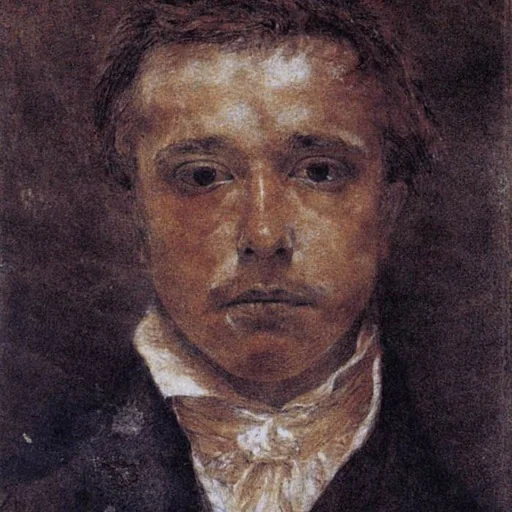
Samuel Palmer Hon.RE (Hon. Fellow of the Society of Painter-Etchers) (27 January 1805 – 24 May 1881) was a British landscape painter, etcher and printmaker. He was also a prolific writer. Palmer was a key figure in…