Artwork
Rip Van Winkle
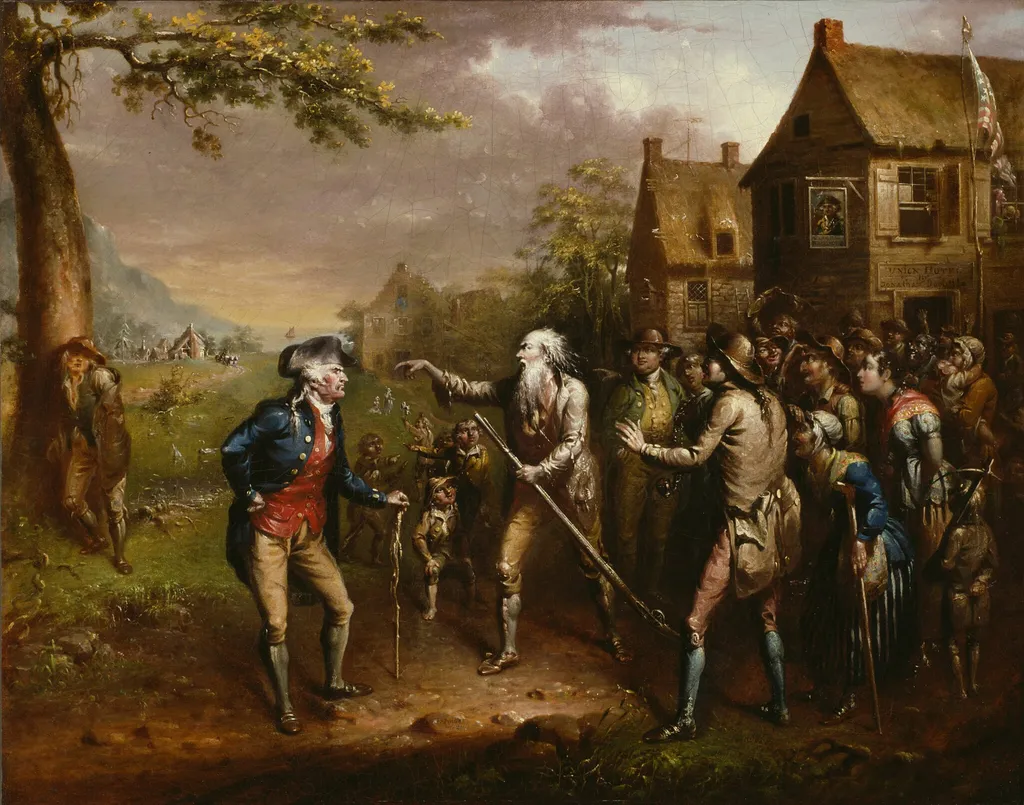
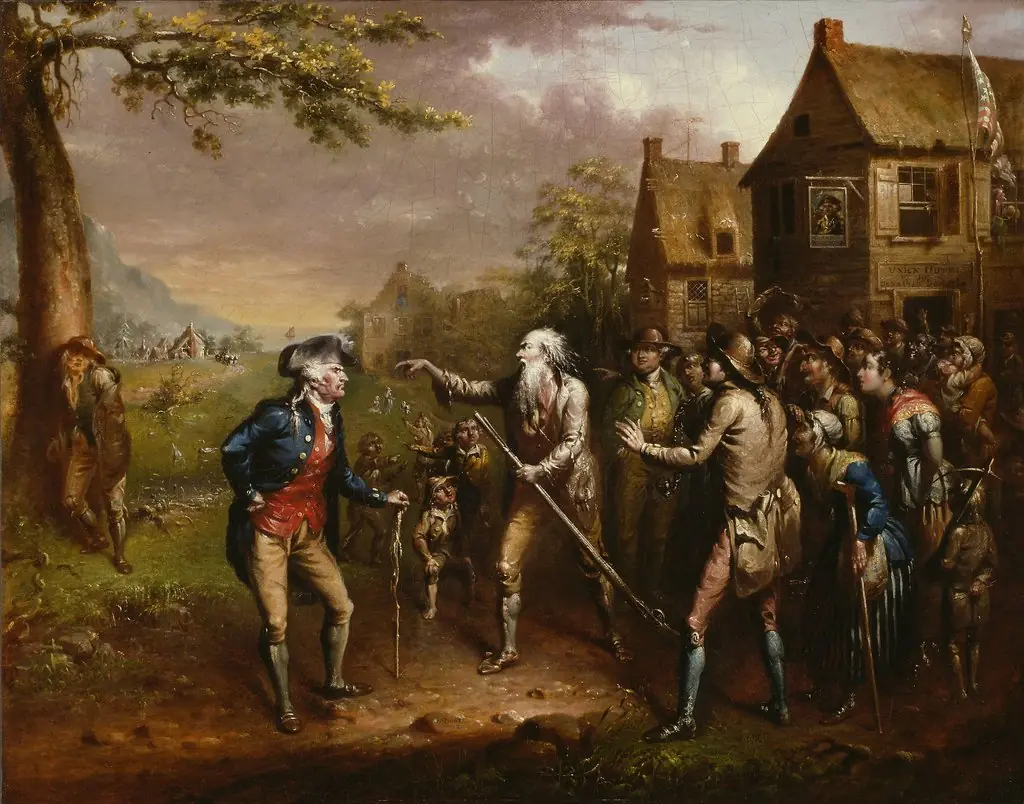
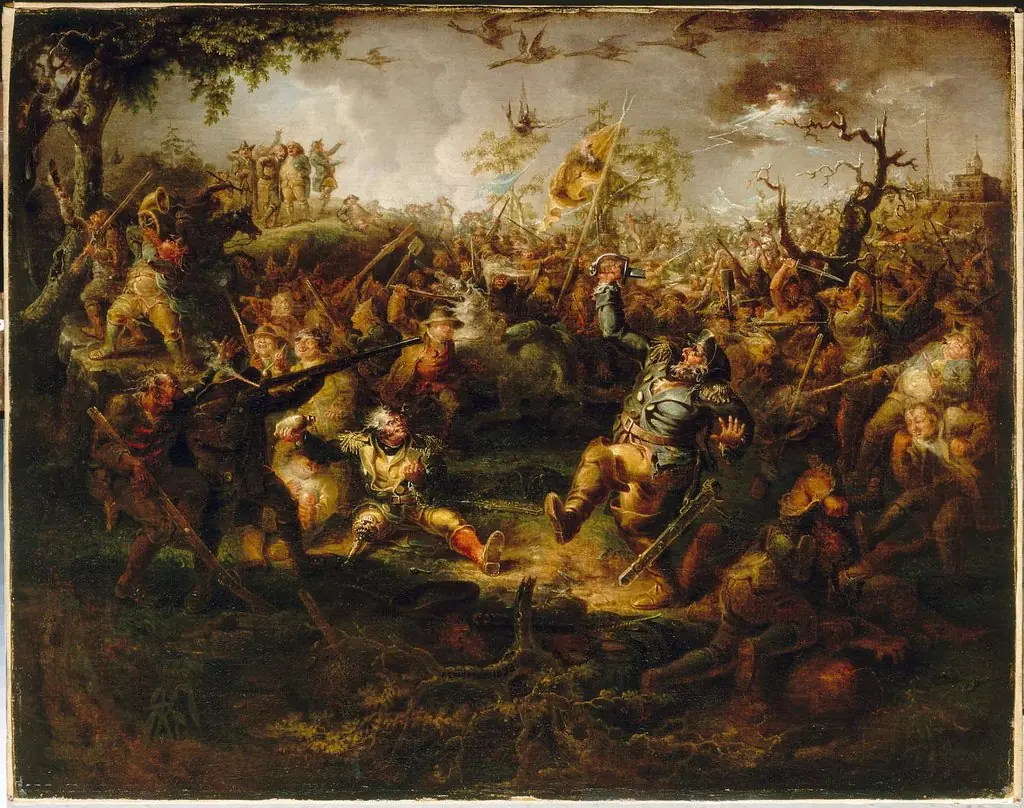
Rip Van Winkle is an oil painting by the Romanticist artist John Quidor. It dates from 1829 and is held in the collection of the Art Institute of Chicago.
About this work
Overview
Rip Van Winkle is an oil on canvas painting by John Quidor, based on Washington Irving's tale of the same name. The work captures the moment Rip awakens from a 20-year sleep in the Catskill Mountains and confronts unrecognized by the townspeople.
Subject & Meaning
The painting depicts Rip Van Winkle's re-entry into his village after a long absence, emphasizing his strength and defiance as he gestures towards his unrecognized son. The scene conveys tension and strangeness, highlighting Rip's disconnection from a world that has moved on without him.
Technique & Style
Quidor employed a dramatic and imaginative approach, characterized by the use of impasto, which adds a textured, expressive quality to the work. This technique contributes to the painting's tense and dreamlike atmosphere.
History & Provenance
Created by John Quidor in the mid-19th century, this painting reflects the artist's penchant for interpreting Washington Irving's stories with flair for drama, distinguishing it from other portrayals of the subject.
Context
Part of a broader tradition of literary-inspired art, Quidor's Rip Van Winkle engages with themes of identity, community, and the challenges of reintegration, resonating with mid-19th-century audiences familiar with Irving's work.
Legacy
While the painting's current legacy is not extensively detailed in provided sources, its unique portrayal of Rip Van Winkle and Quidor's expressive technique ensure its relevance in discussions of American literary art and the interpretation of Irving's tales.
Own this work as a print
Artist & collection
Artist
John Quidor (January 26, 1801 – December 13, 1881) was an American painter of historical and literary subjects.

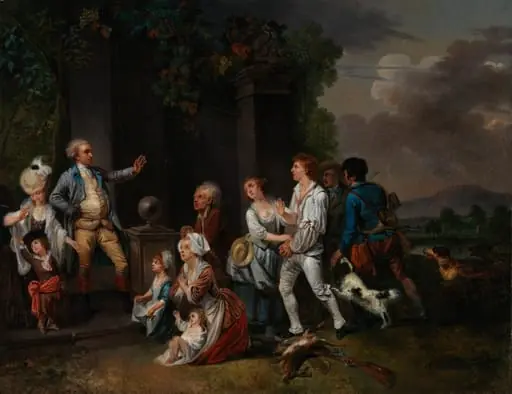 Salametsästäjän vapauttaminen
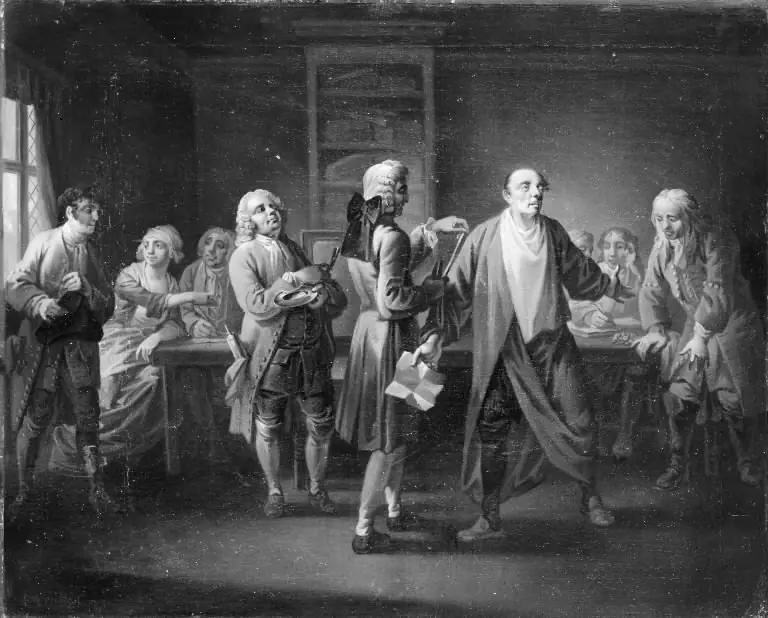
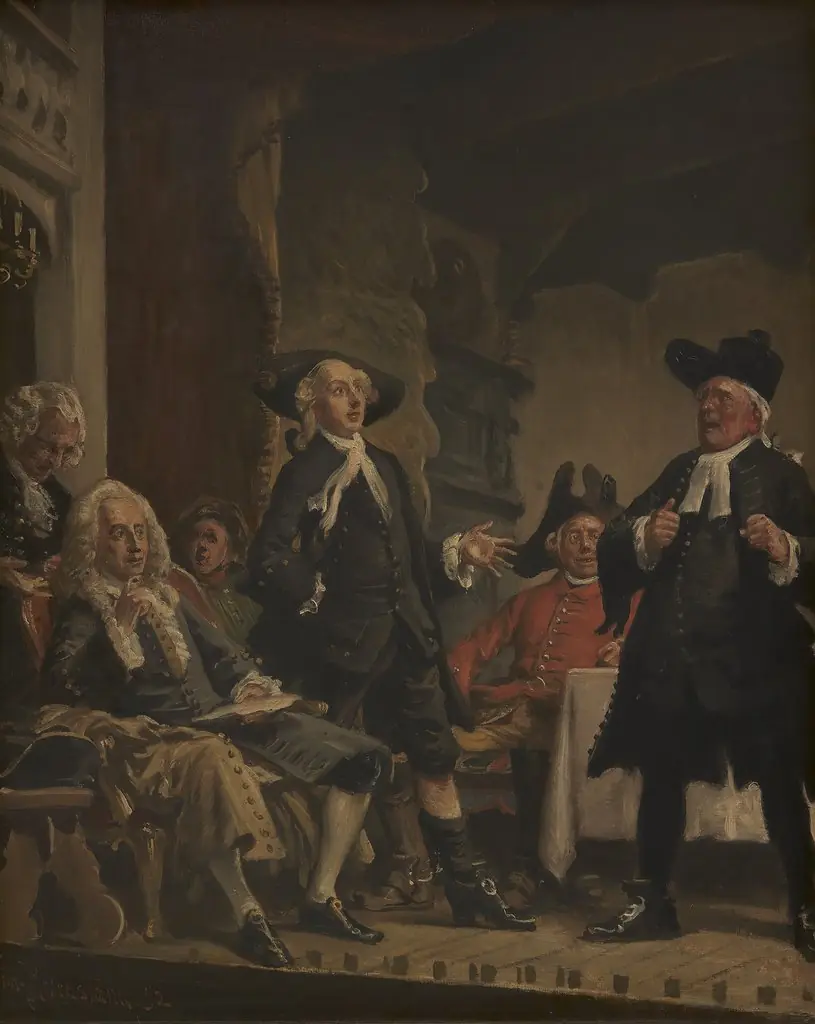 Holberg overværer en prøve på Erasmus Montanus
 Holberg overværer en prøve på Erasmus Montanus
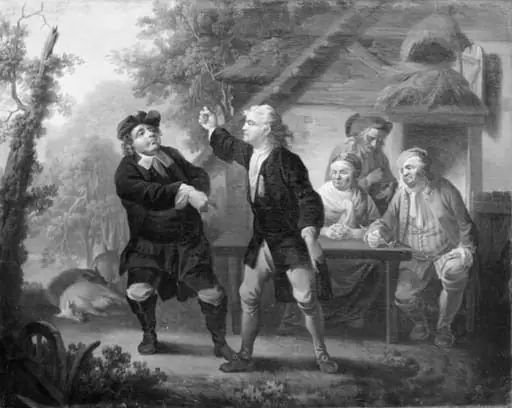 Erasmus Montanus, III akt, 3. scene
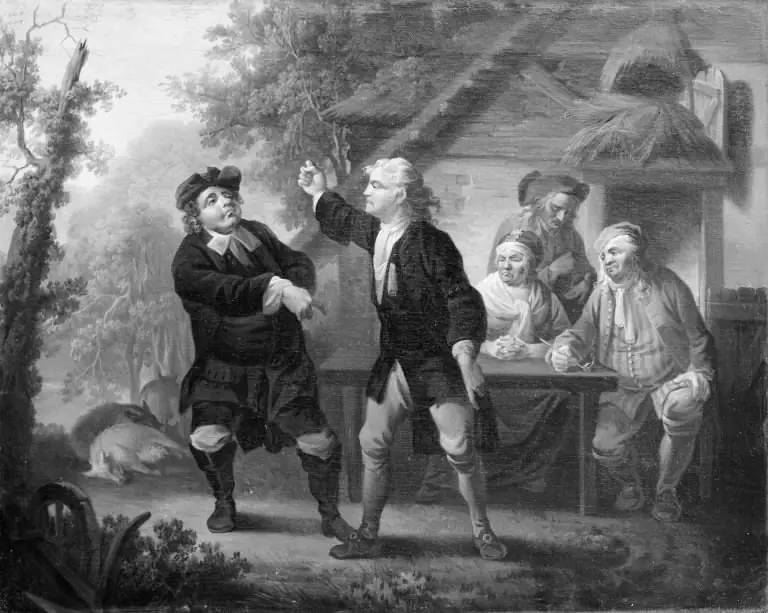 Erasmus Montanus, III akt, 3. scene
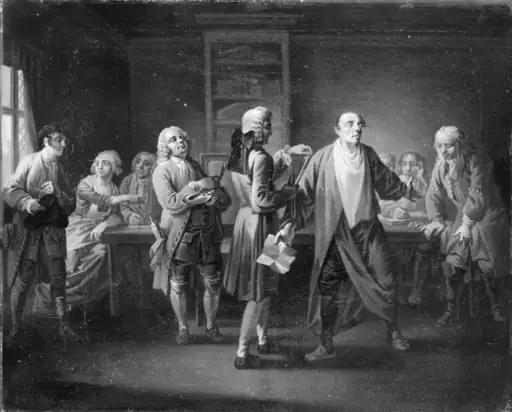 Den Stundesløse, I akt, 6. scene
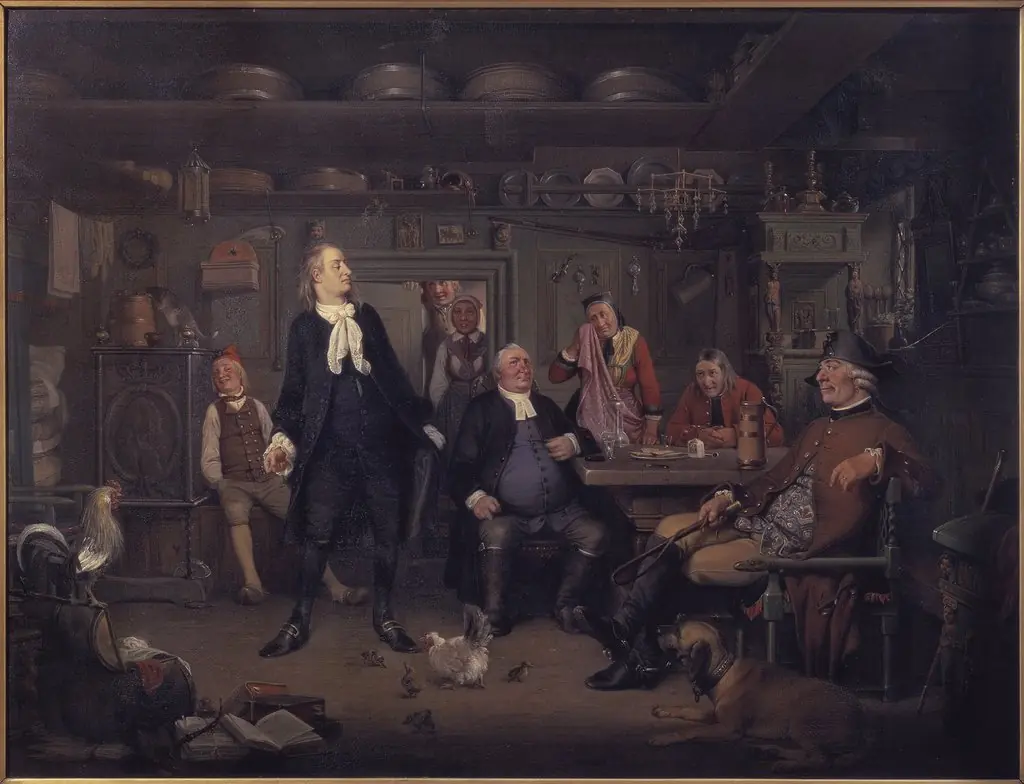 Fra Ludvig Holbergs "Erasmus Montanus", III akt, 3. scene
 Den Stundesløse, I akt, 6. scene