Artwork
Charles II
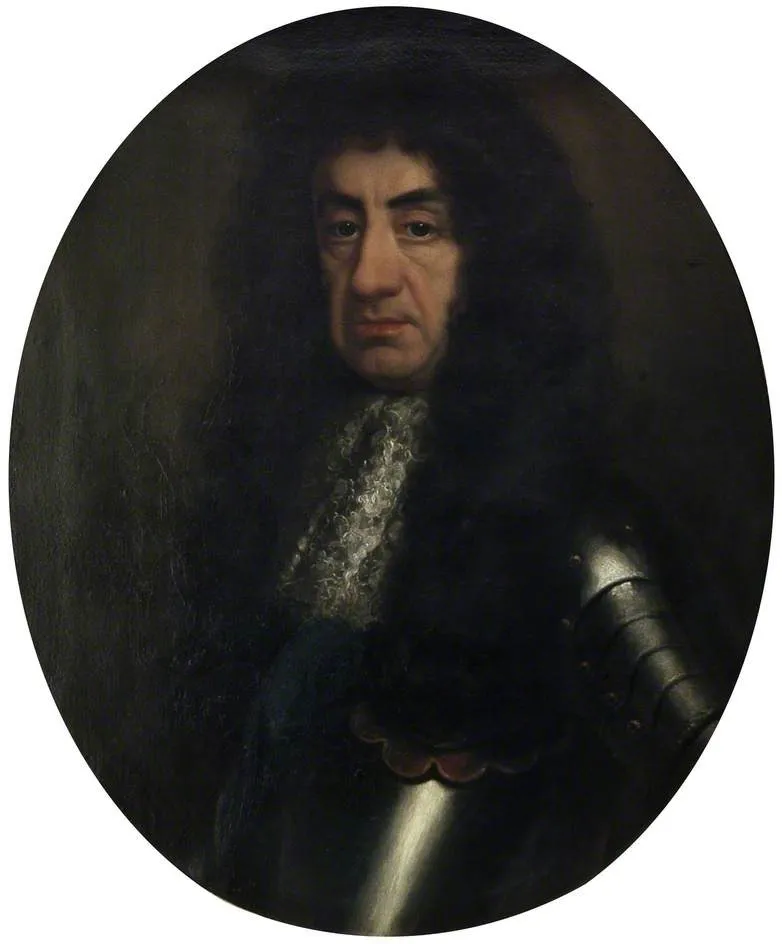
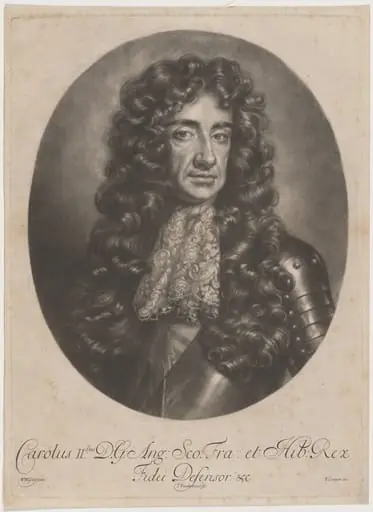
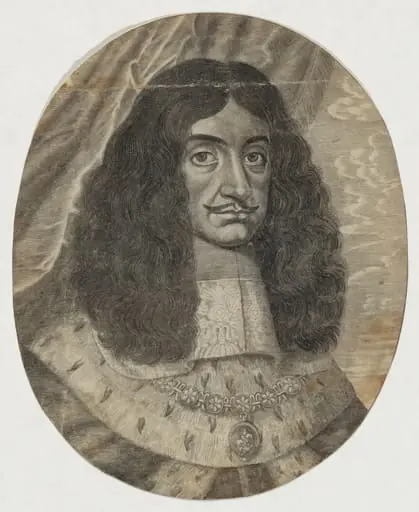
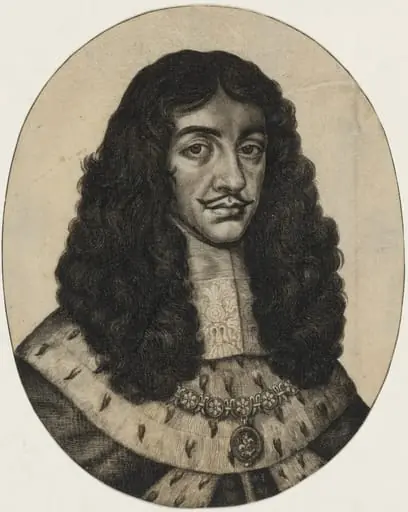
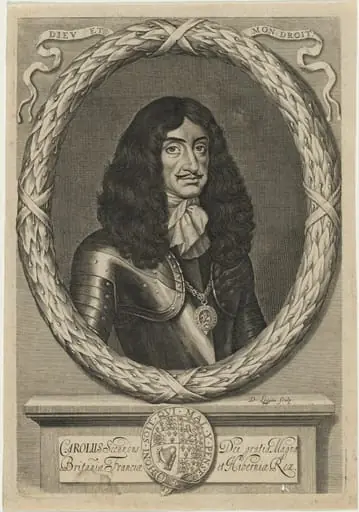
Charles II is an oil painting by John Riley. It is held in the collection of the Ashmolean Museum.
About this work
Overview
Executed in the late 17th century, it reflects the conventions of royal portraiture during the Restoration period.
This oil painting by John Riley portrays Charles II, king of England, in a formal, full-length portrait. Executed in the late 17th century, it reflects the conventions of royal portraiture during the Restoration period. The work is part of the Ashmolean Museum’s collection and exemplifies Riley’s role as a leading portraitist of the English court, succeeding in capturing the dignity and authority of his royal sitters.
Subject & Meaning
Charles II is depicted with a composed, solemn expression, his posture upright and restrained. His attire—dark clothing, lace collar, and a metal gauntlet—signals both royal status and military association, reinforcing his position as monarch and commander. The absence of overt symbolism or grandeur suggests a deliberate shift toward understated authority, aligning with the king’s public image after the turbulence of the Civil War and Interregnum.
Technique & Style
Riley employs chiaroscuro to model the king’s face and hands, creating a sense of volume against a dark, indistinct background. The brushwork is precise but not overly ornate, emphasizing texture in the lace and metal without distracting from the subject’s presence. The muted palette and controlled lighting reflect a restrained aesthetic, characteristic of English portraiture of the period, prioritizing likeness and gravitas over theatricality.
History & Provenance
John Riley, appointed court painter to William III and Mary II, was a central figure in English portraiture after the Restoration. This portrait of Charles II likely dates from the final years of the king’s reign, when Riley was already established as a favored artist. The painting entered the Ashmolean Museum’s collection through documented acquisitions, preserving its connection to the royal court and the artist’s professional legacy.
Context
Painted during a period of political stabilization after the English Civil War, this portrait reflects the monarchy’s effort to reassert legitimacy through visual representation. Unlike earlier Baroque extravagance, Riley’s approach favors restraint, mirroring the cautious tone of Charles II’s reign. The portrait aligns with broader trends in post-Restoration art that valued sobriety and personal presence over symbolic spectacle.
Legacy
Riley’s work influenced a generation of English portraitists, including his pupil Jonathan Richardson, who later codified portrait theory. This painting stands as a representative example of how royal imagery evolved in the late 17th century—less about divine right, more about measured authority. It remains a key reference for understanding the transition from Stuart to Hanoverian visual culture in Britain.
Artist & collection
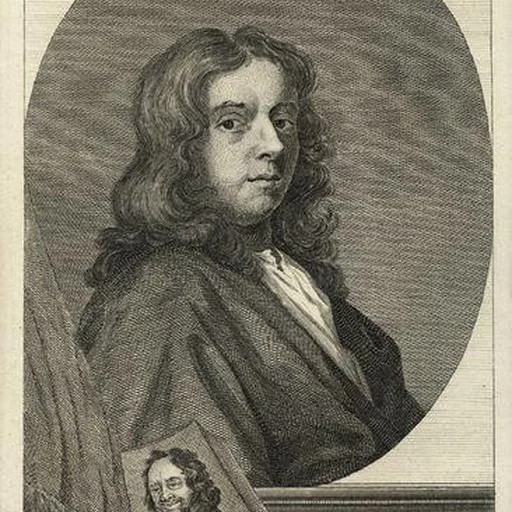
Artist
John Riley, or Ryley, (1646 – March 1691) was an English portrait painter. He painted portraits of Charles II and James II, and was court painter to William III and Mary II. One of his pupils was Jonathan Richardson.

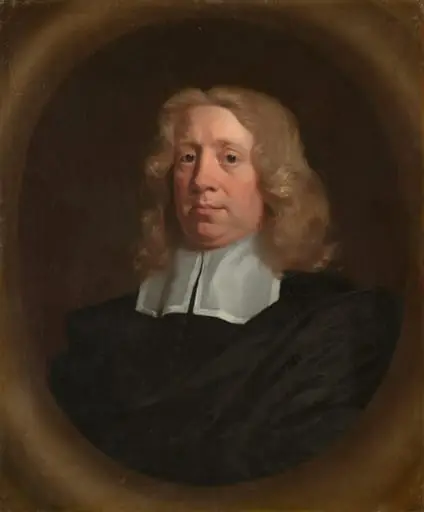 John Eldred
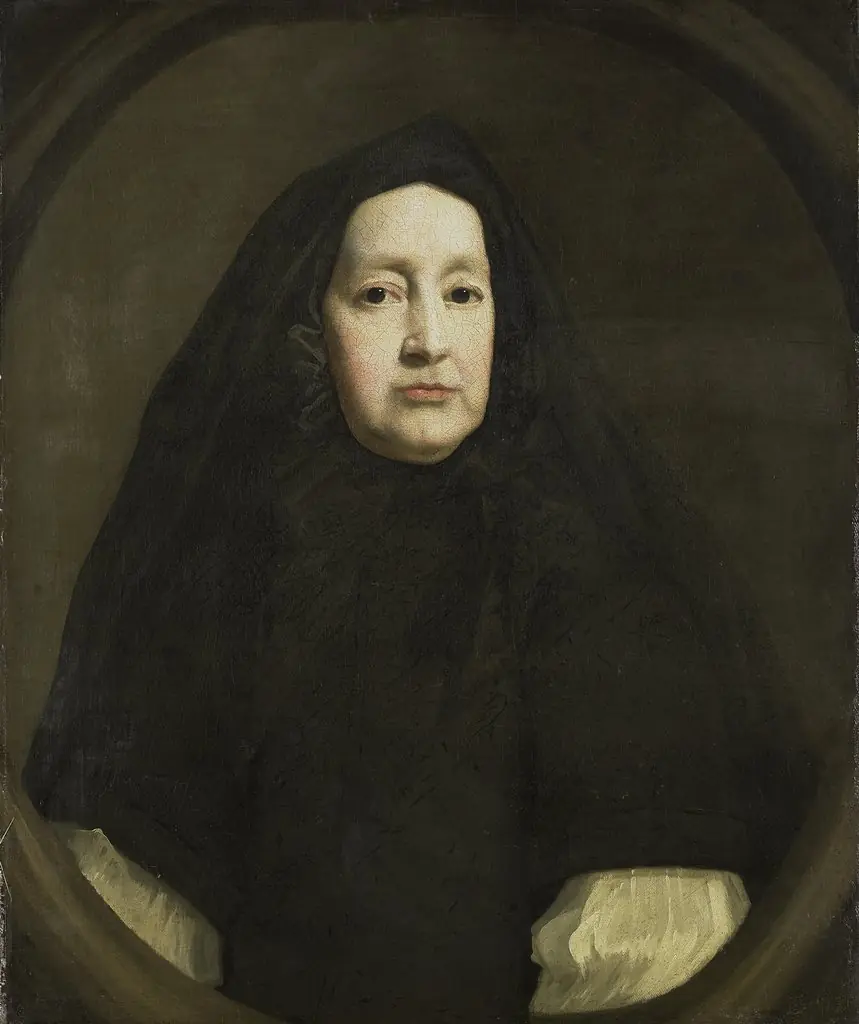 Portrait of Katharine Elliot (died 1688), Dresser of Duchess Anne of York and First Woman of the Bedchamber of Queen Mary of Modena, the first and second Wives of James II of England, respectively
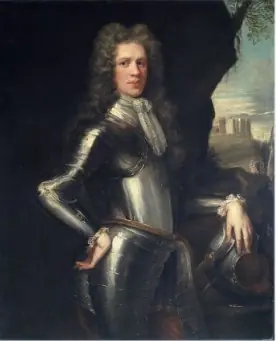 Portrait of a Gentleman, possibly Patrick Sarsfield (d.1693)
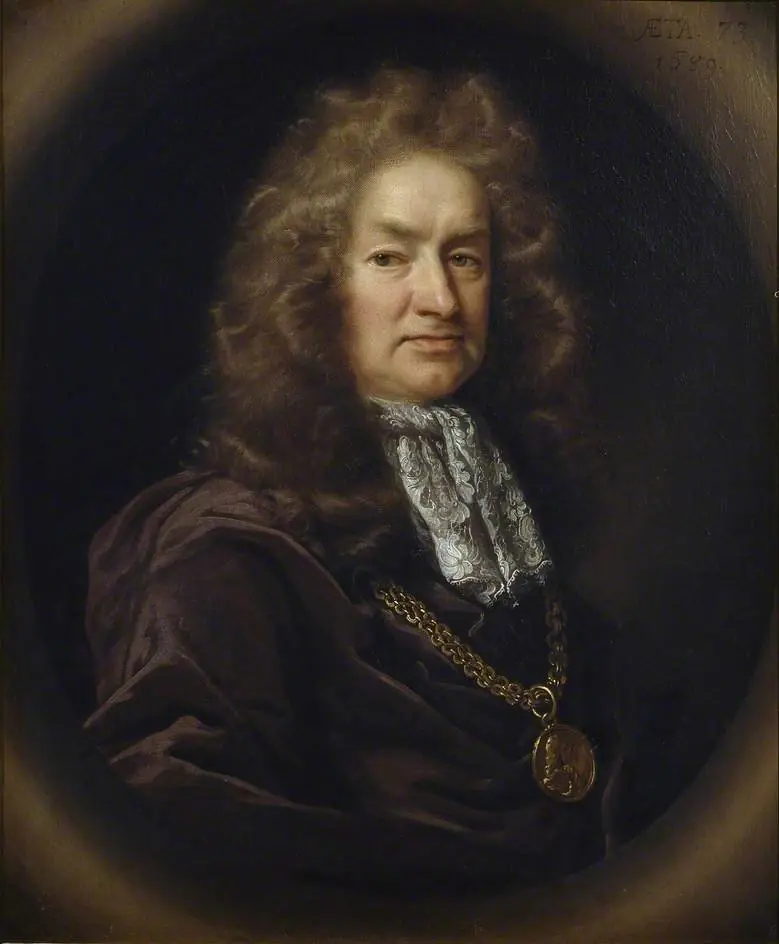 Elias Ashmole
 Porträt des Elias Ashmole (1617-1692)
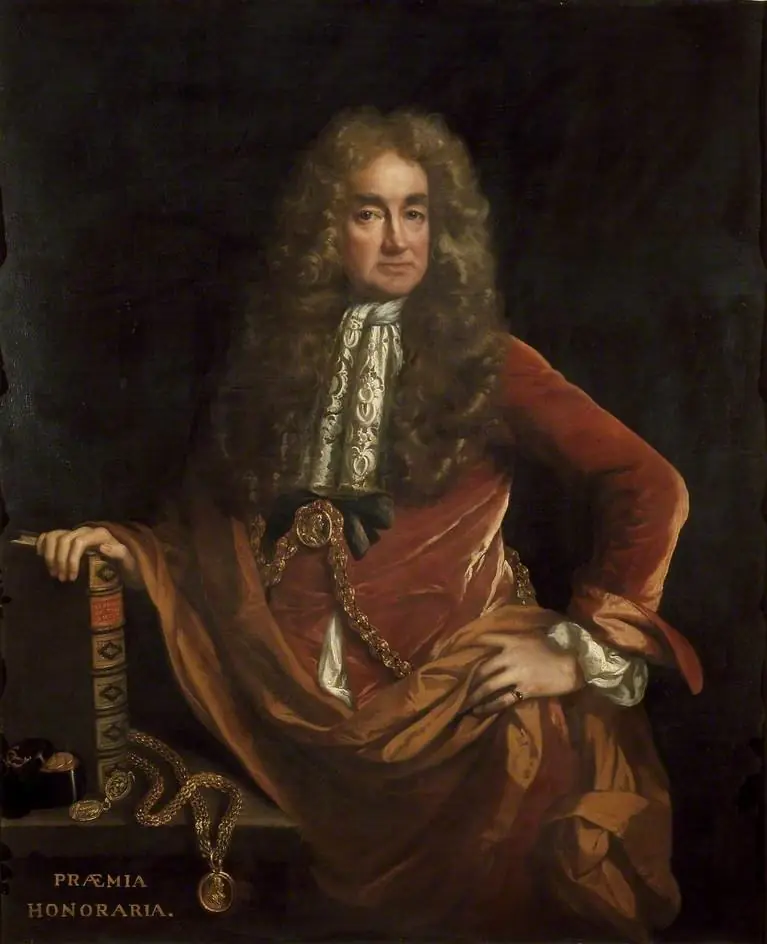 Elias Ashmole
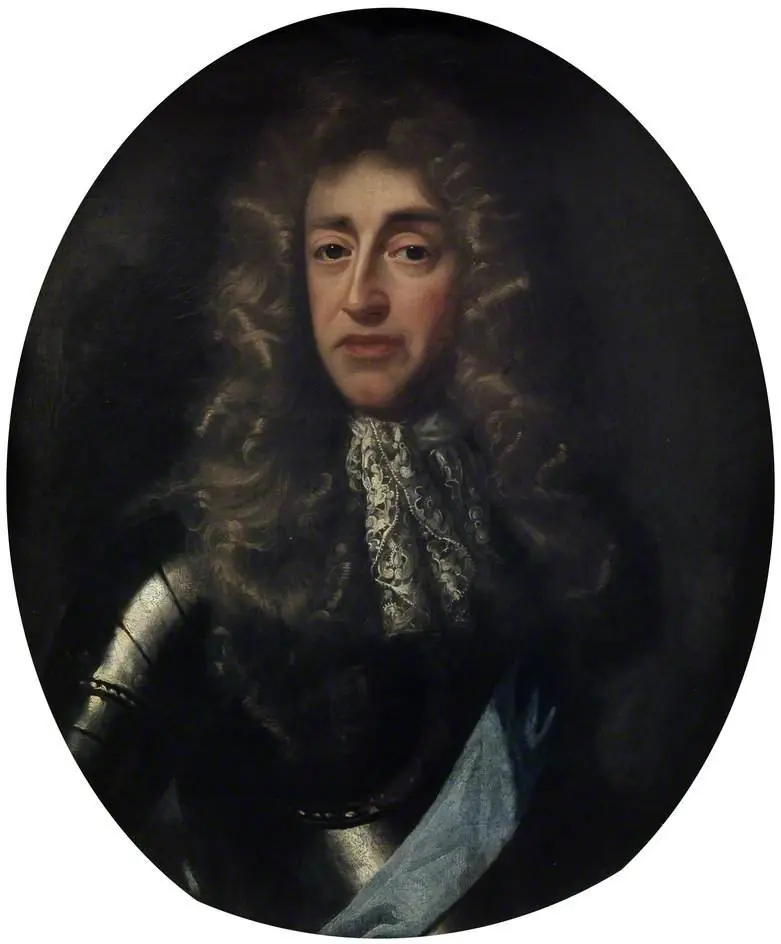 James, Duke of York, Later King James II