Artwork
Portrait of George de Ligne Gregory (1740 - 1822)
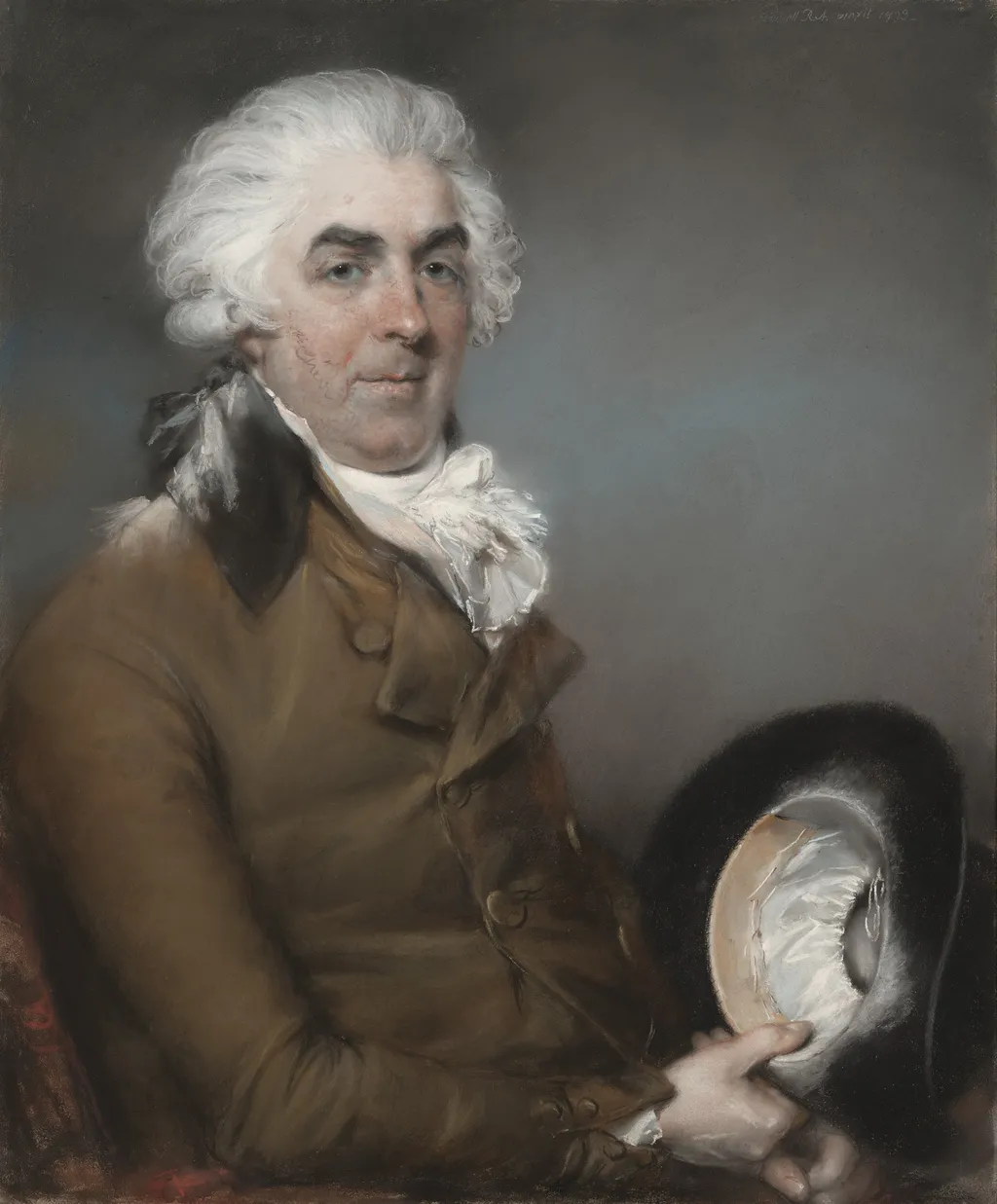
Portrait of George de Ligne Gregory (1740 - 1822) is an unspecified painting by the British Romanticist artist John Russell. It dates from 1797 and is held in the collection of the J. Paul Getty Museum.
About this work
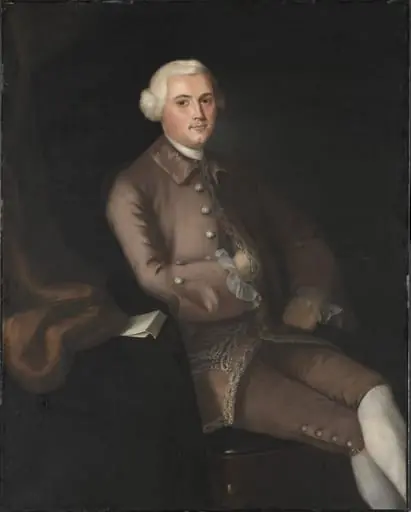
This portrait depicts a man with white hair, dressed in a brown jacket and white shirt, holding a black hat in his right hand.
This portrait depicts a man with white hair, dressed in a brown jacket and white shirt, holding a black hat in his right hand. The background is a dark gray wall.
The man's attire and hairstyle suggest a formal setting, possibly from the 18th century. His expression is serious, with a hint of a smile.
The artist's use of chiaroscuro creates a sense of depth and dimensionality in the painting. To learn more about the artist's techniques, look up John Russell.
Overview
Painted in 1797 by John Russell, this portrait captures George de Ligne Gregory, a British landowner and politician. The work is part of the J. Paul Getty Museum’s collection and exemplifies Russell’s skill in rendering individual character through subtle expression and refined lighting. It reflects the conventions of late 18th-century British portraiture, emphasizing dignity and restraint.
Subject & Meaning
George de Ligne Gregory is portrayed in formal attire, suggesting his social standing and civic role. His white hair and composed demeanor convey age and experience, while the slight lift at the corner of his mouth introduces a quiet individuality. The black hat held in his hand implies a moment of pause, as if he has just entered the space, reinforcing the portrait’s sense of lived presence rather than staged formality.
Technique & Style
Russell employs chiaroscuro to model the sitter’s face and clothing, creating a three-dimensional effect against a muted gray background. The brushwork is precise yet fluid, particularly in the rendering of fabric folds and the soft texture of hair. The palette is restrained—dominated by browns, whites, and grays—enhancing the portrait’s solemn tone while drawing focus to the sitter’s expression and posture.
History & Provenance
The painting was completed in 1797 and remained in private hands until entering the J. Paul Getty Museum’s collection. Its provenance reflects the typical trajectory of British aristocratic portraiture: commissioned for domestic display, later acquired by institutions for its artistic and historical value. No significant alterations or restorations are documented, preserving its original condition.
Context
During the late 18th century, portraiture in Britain served both personal and social functions, often affirming status through understated elegance. Russell, known for his pastel portraits and association with the Royal Academy, adapted his style to oil for this work, aligning with contemporary tastes that favored naturalism over theatricality. Gregory’s portrait fits within this broader cultural moment of quiet self-representation.
Legacy
Though not widely exhibited outside institutional settings, the portrait remains a representative example of Russell’s mature oil technique and the Georgian era’s preference for restrained individuality. It contributes to scholarly understanding of how British elites used portraiture to project identity without overt symbolism, favoring psychological nuance over grandeur.
Own this work as a print
Artist & collection
Artist
John Russell painted pastel portraits in late-1700s England, capturing sitters with soft strokes and delicate hues.

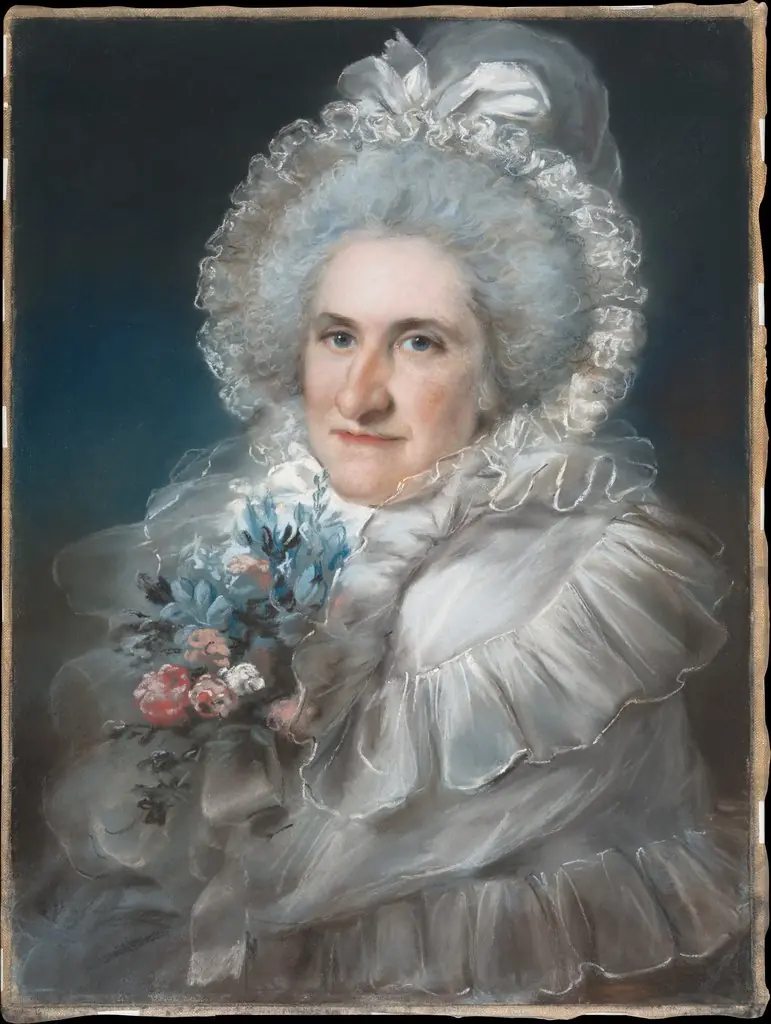 Mrs. William Man Godschall (Sarah Godschall, 1730–1795)
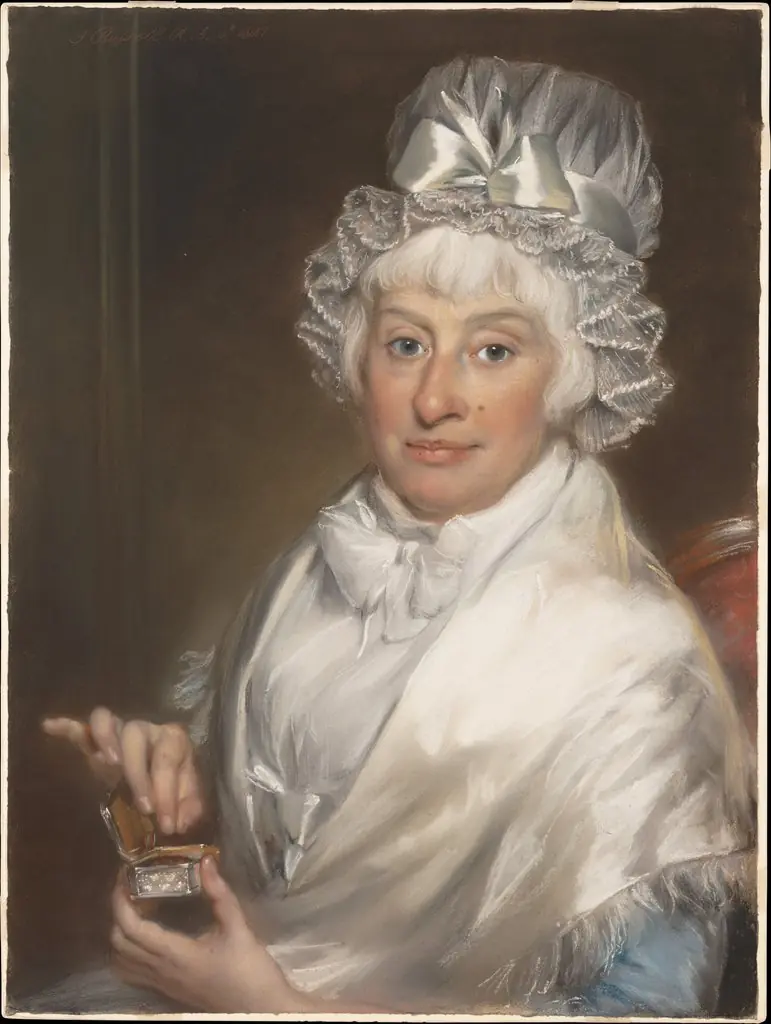 Mrs. Robert Shurlock Sr. (Ann Manwaring)
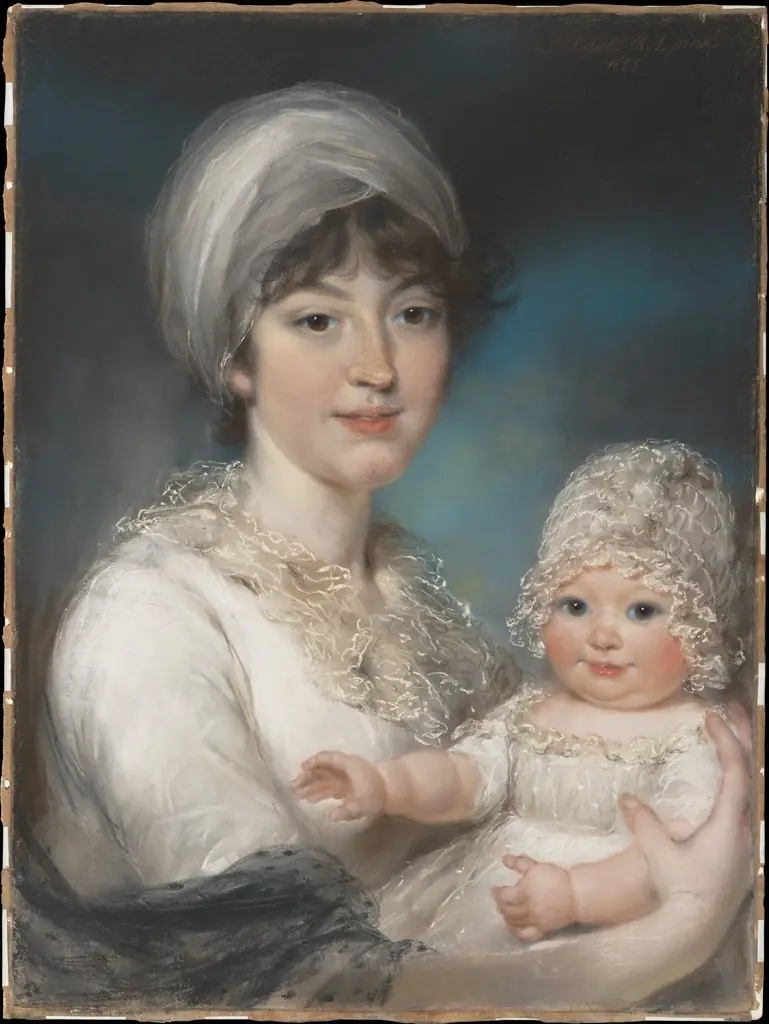 Mrs. Robert Shurlock (Henrietta Ann Jane Russell, 1775–1849) and Her Daughter Ann
 Robert Shurlock (1772–1847)
 Portrait of a Man in a Tricorn Hat
 Portrait of a Boy in a Red Coat
 A Still Life with Fish
 Retrato de Sir Richard Glode d'Orpington
 Mederic-Louis-Elie Moreau de Saint-Mery
 Alexander Baron Seton (1738-1814), jur.dr., godsägare, född i Skottland, verksam i Sverige och Skottland, g.m. 1. Elizabeth Angus, 2. Anne Innes of Cathlow, systerson till och adopterad av George Seton
 Captain Thomas Mathews
 Sir John Edward Swinburne
 Portrait of a Man
 Portrait of Yakov Bilibin
 Man in a Great Coat
 Portrait of David C. de Forest
 John Browne
 Portrait of a Man in a Brown Coat
 Portrait og an Elderly Gentleman
 John Browne