Artwork
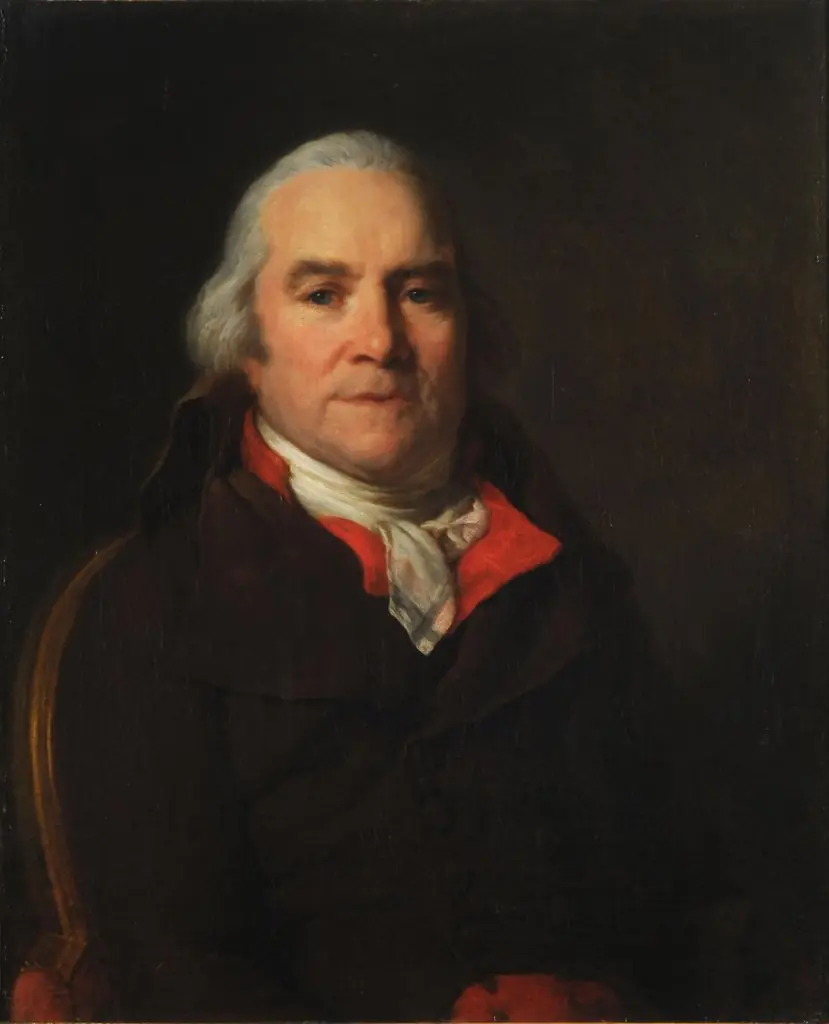
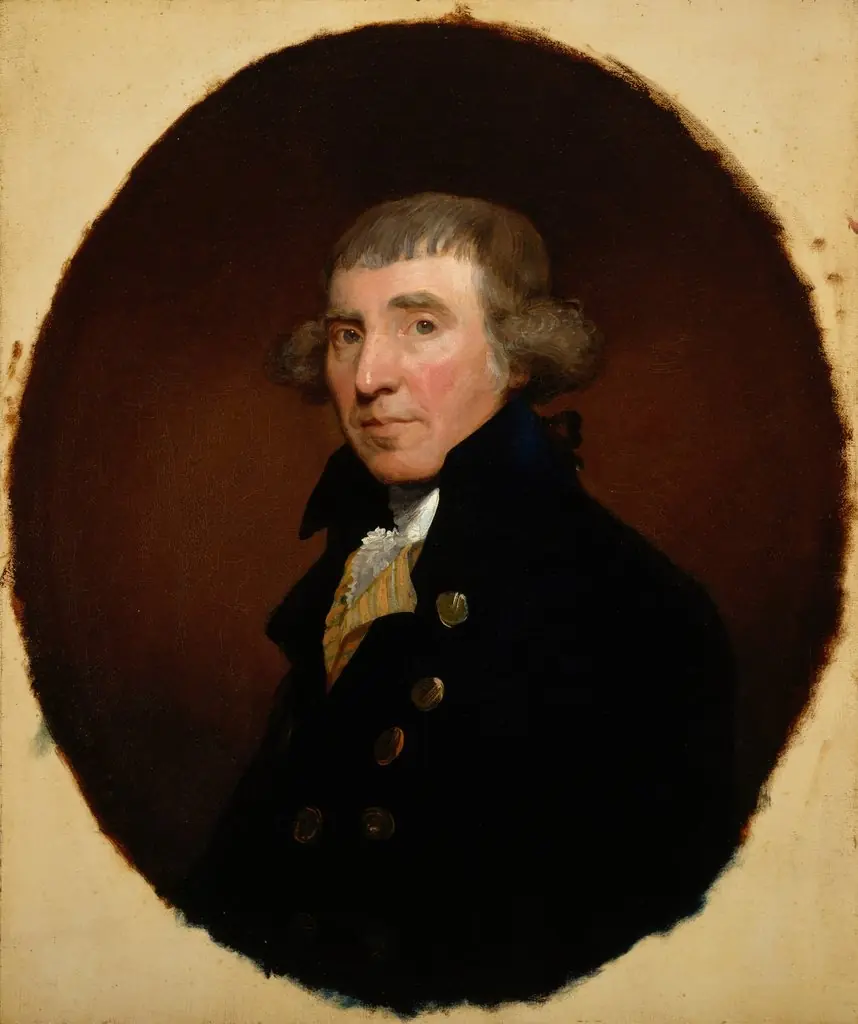
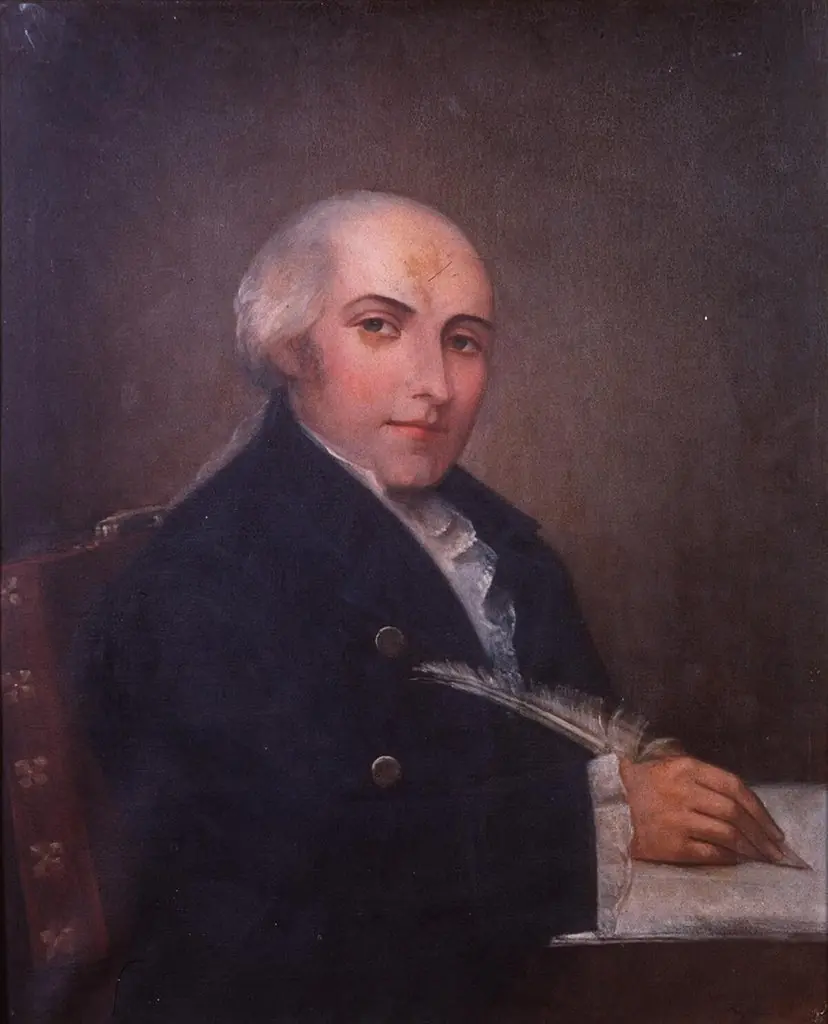
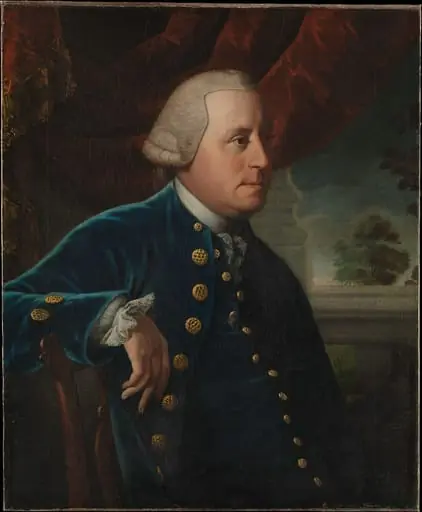
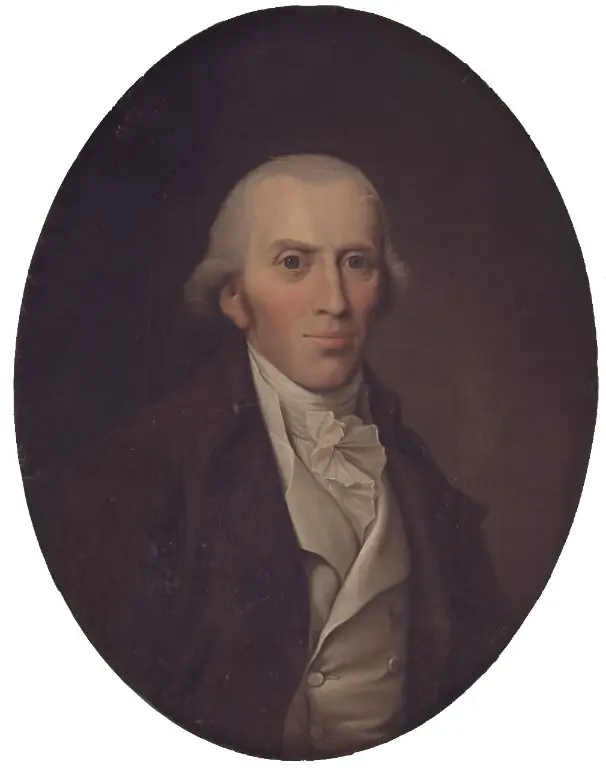
Portrait of a Man in a Brown Coat
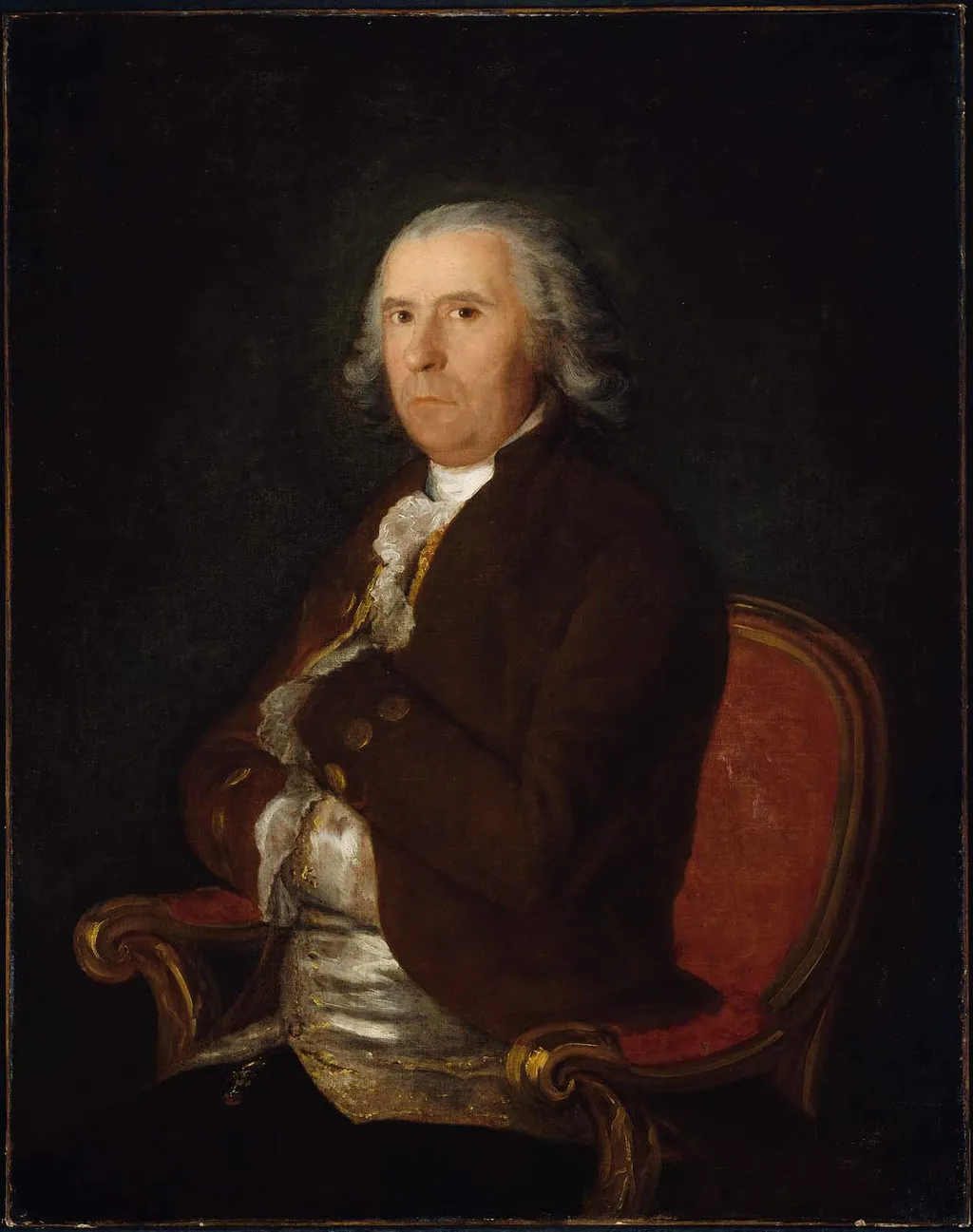
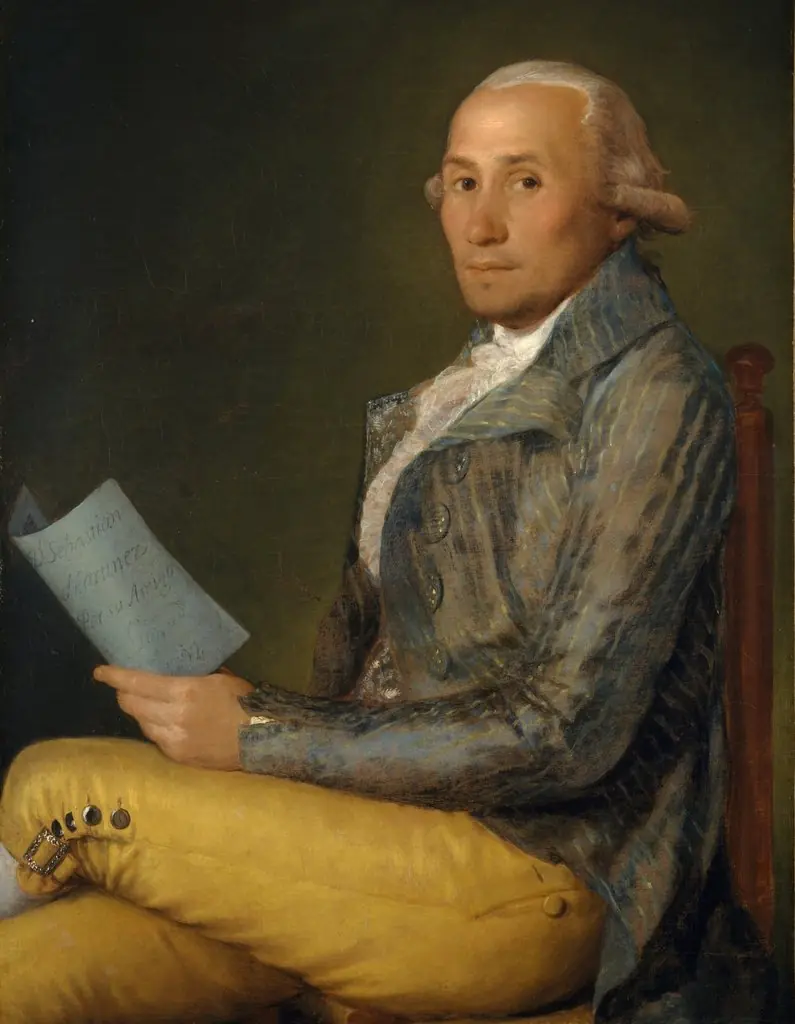
Portrait of a Man in a Brown Coat is an oil painting by the Spanish Baroque Tenebrist artist Francisco Goya. It is held in the collection of the Museum of Fine Arts Boston.
About this work
Overview
The work belongs to the Museum of Fine Arts, Boston, and exemplifies his continued engagement with light as a structural and emotional tool.
Painted in oil during Francisco Goya’s later years, this portrait captures a man seated in a red chair, dressed in a dark brown coat. The composition is deliberately restrained, with a plain, shadowed background isolating the figure. Goya’s focus on subtle lighting and texture reflects his evolving style, moving beyond formal portraiture toward psychological depth. The work belongs to the Museum of Fine Arts, Boston, and exemplifies his continued engagement with light as a structural and emotional tool.
Subject & Meaning
The sitter, dressed in formal attire with a neatly tied white cravat and holding a folded paper, suggests a man of modest status or professional bearing. His serious expression, marked by a faint frown and shadowed eyes, conveys introspection rather than grandeur. Unlike aristocratic portraits of the era, this figure lacks symbols of rank or wealth, implying a more private, individualized representation. The ambiguity of identity invites contemplation over narrative certainty.
Technique & Style
Goya employs chiaroscuro with precision, using soft gradations of light to model the man’s face, hands, and coat. The brown fabric gains volume through nuanced shifts in tone, while the red chair provides a muted contrast without distraction. The background recedes into near-black, heightening the figure’s presence. Brushwork is controlled yet expressive—details like the cravat and paper are rendered with economy, emphasizing texture over ornamentation.
History & Provenance
The painting emerged from Goya’s later period, likely created after his return to Spain from self-imposed exile. It was not commissioned for public display but may have been a private study or portrait of an acquaintance. Acquired by the Museum of Fine Arts, Boston, in the early 20th century, its provenance remains largely undocumented, reflecting its status as a quiet, unassuming work among Goya’s more celebrated pieces.
Context
Created amid political upheaval and personal disillusionment, this portrait reflects Goya’s shift from courtly commissions to intimate, psychologically charged imagery. While rooted in the tenebrist tradition of Spanish painting, it departs from its theatricality, favoring restraint and realism. The absence of context or setting aligns with a broader trend in early 19th-century portraiture, where inner life replaced external display as the subject’s true focus.
Legacy
Though less known than Goya’s satirical or political works, this portrait exemplifies his mastery of mood through minimal means. Its quiet intensity influenced later realist and modernist painters who sought emotional truth in unadorned representation. The painting stands as a testament to Goya’s ability to convey complexity without spectacle, bridging the formal traditions of the past with the introspective sensibilities of the modern age.
Artist & collection
Artist
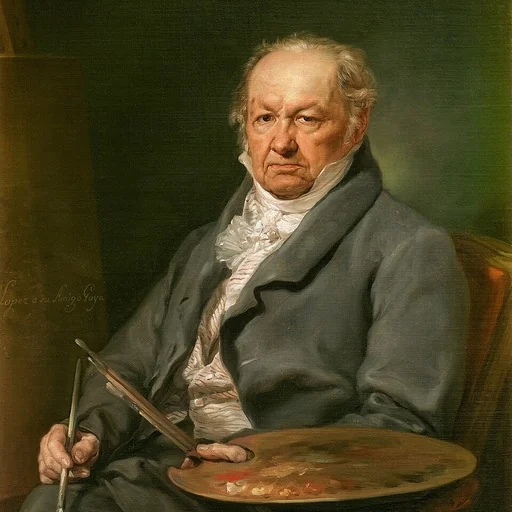
Francisco José de Goya y Lucientes (; Spanish: ; 30 March 1746 – 16 April 1828) was a Spanish romantic painter and printmaker.