Artwork
Pagan Deities
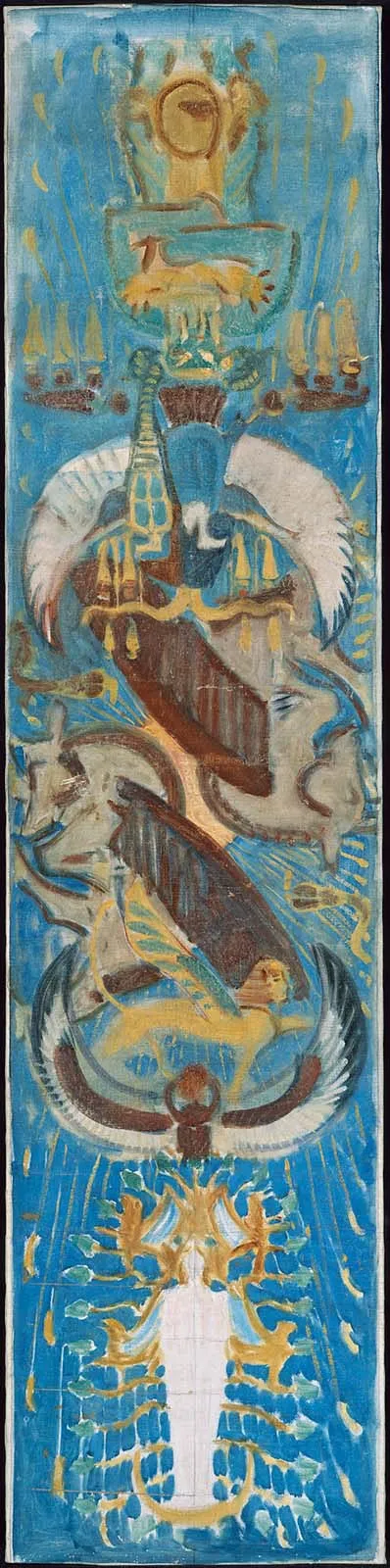
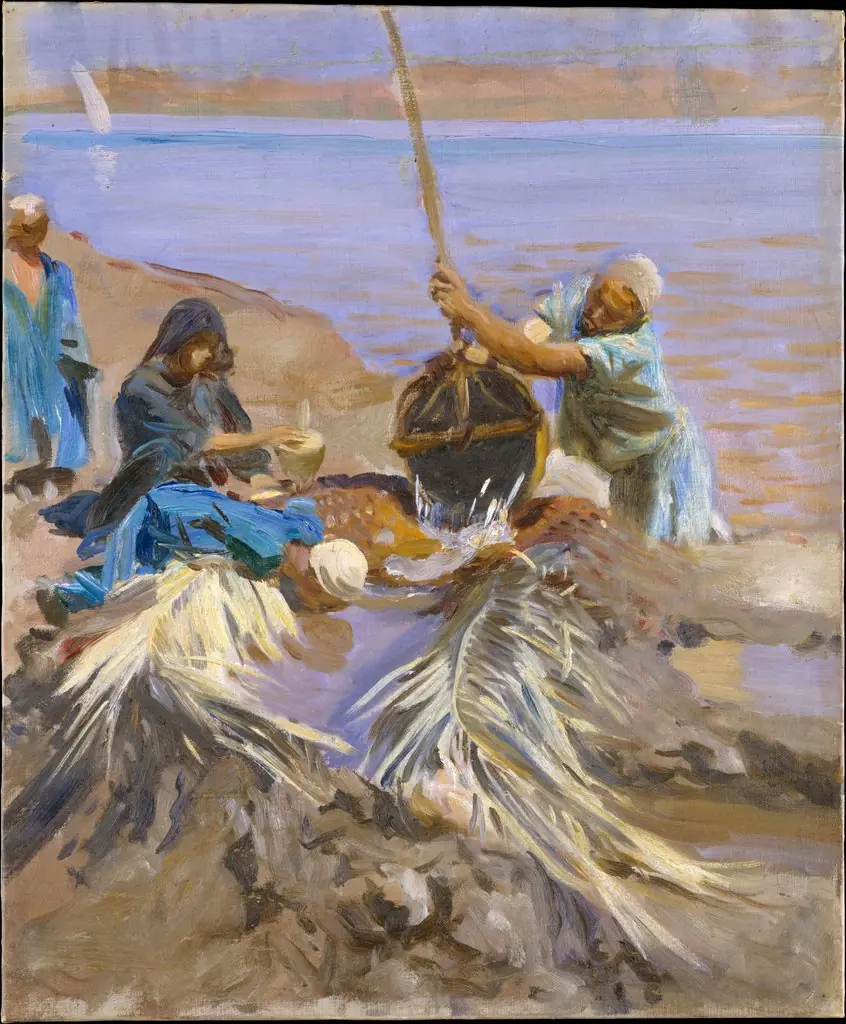
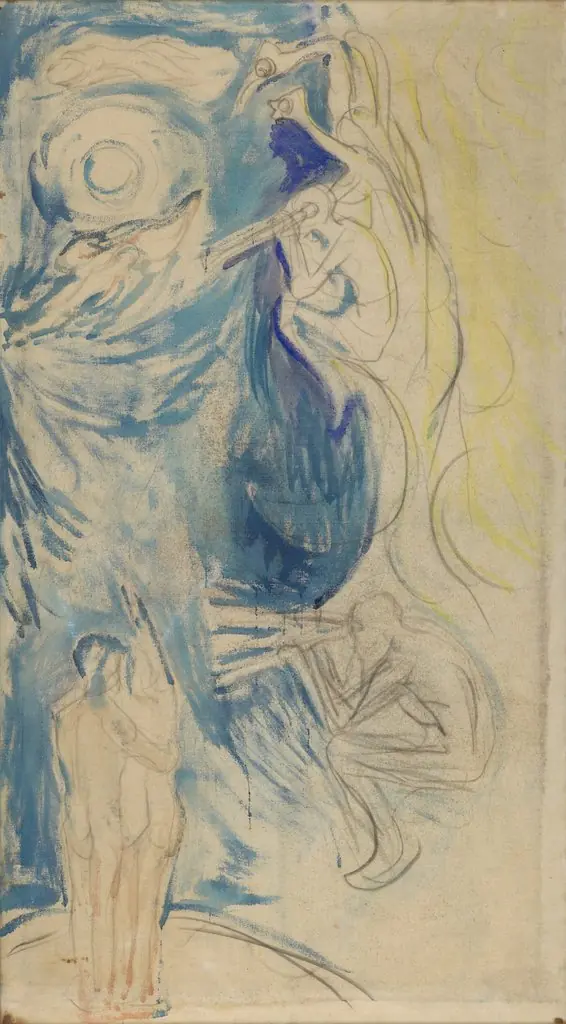
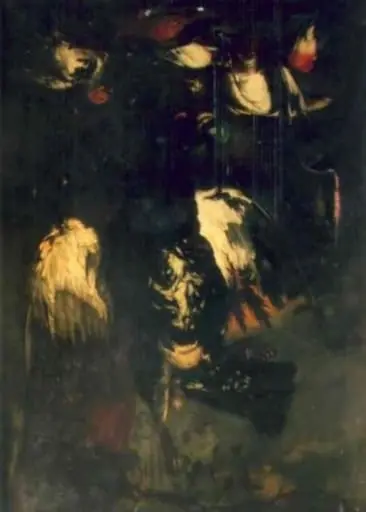
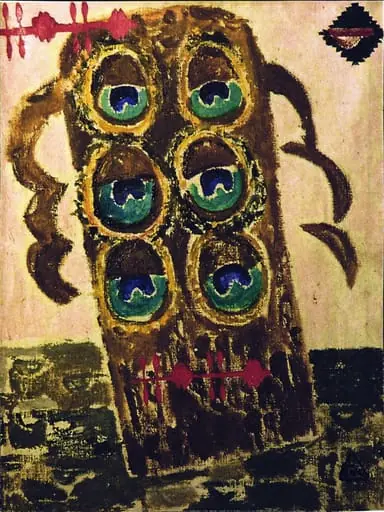
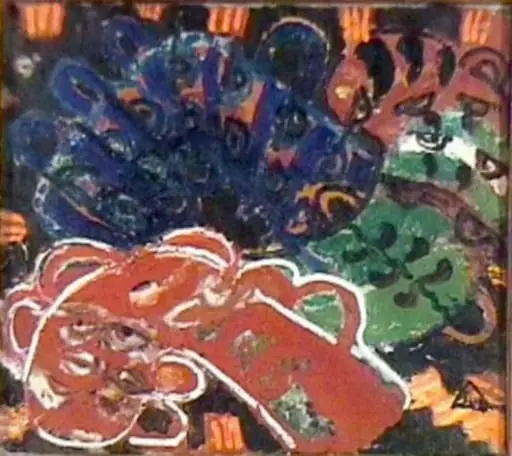
Pagan Deities is an unspecified painting by the Impressionist artist John Singer Sargent. It dates from 1896 and is held in the collection of the Museum of Fine Arts Boston.
About this work
Overview
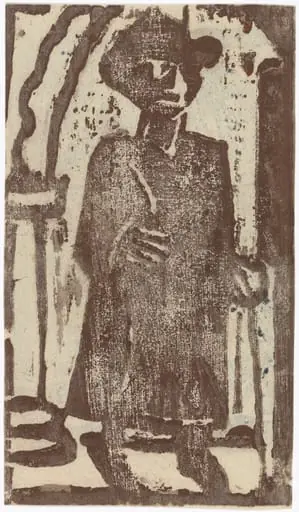
Painted in 1896 by John Singer Sargent, *Pagan Deities* is a vertical composition that departs from his customary portraiture.
Painted in 1896 by John Singer Sargent, *Pagan Deities* is a vertical composition that departs from his customary portraiture. Created during his travels in Europe, the work reflects his engagement with mythological themes and experimental color. Though less known than his society portraits, this piece reveals his interest in symbolic imagery and atmospheric light. It resides in the Museum of Fine Arts, Boston, as part of its permanent collection.
Subject & Meaning
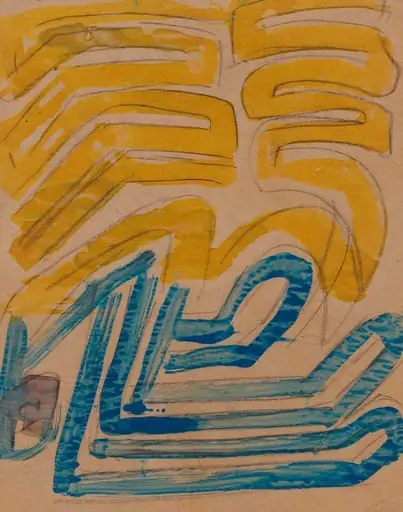
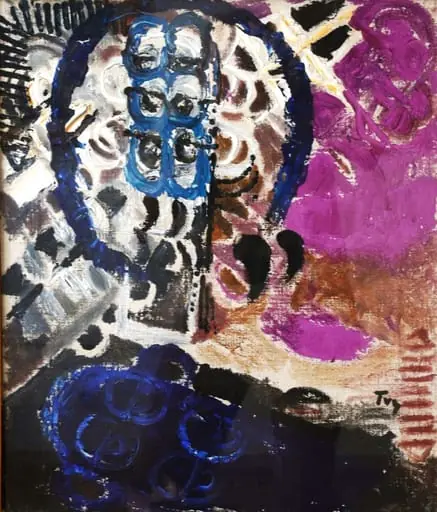
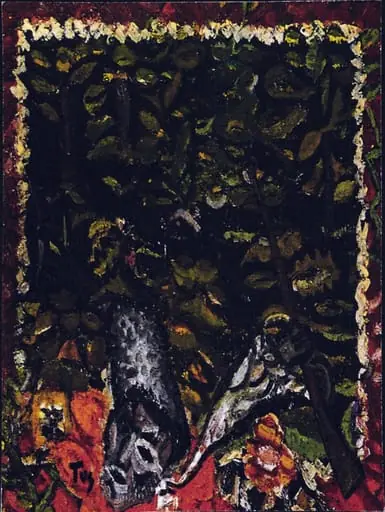
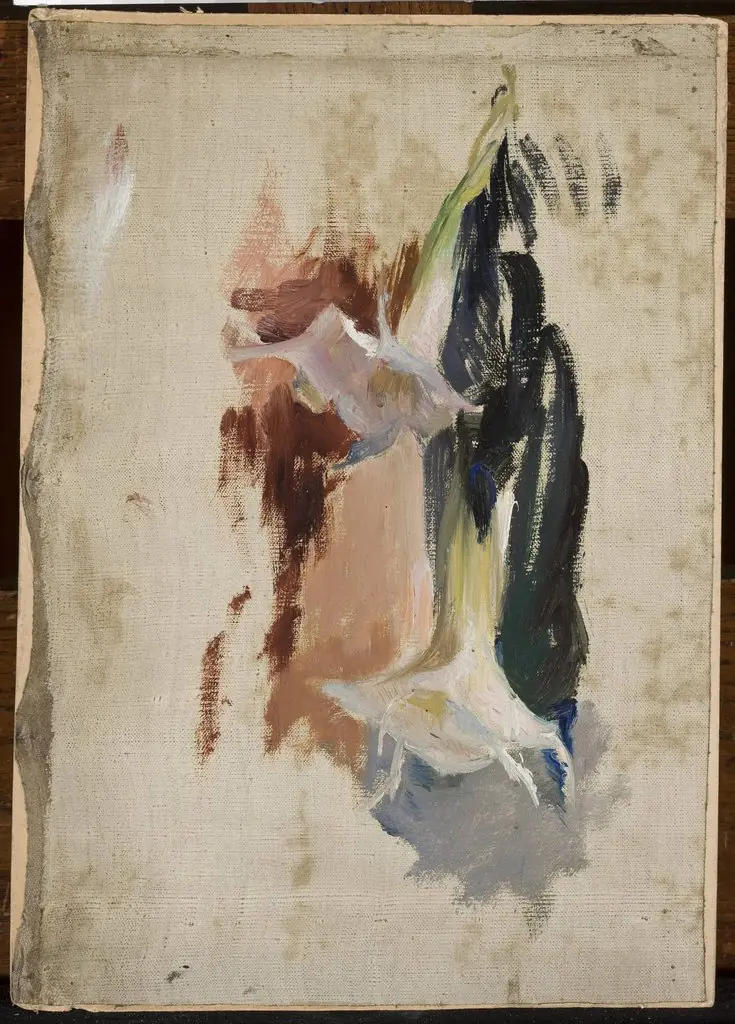
The painting evokes a mythological realm without depicting specific deities from a single tradition. A radiant sun at the top suggests celestial power, while the central bird-like form may symbolize a guardian or messenger. Abstract shapes and layered textures imply ritual or sacred space, but Sargent deliberately avoids literal narrative. The work invites contemplation of ancient spiritual symbols rather than recounting a known myth.
Technique & Style
Sargent employed loose, fluid brushwork and a luminous palette of golds, blues, and earth tones to create a sense of ethereal movement. Colors blend softly at the edges, suggesting atmosphere rather than defined form. Textural variation—smooth gradients alongside abrupt strokes—adds depth and rhythm. The composition is tightly structured despite its apparent spontaneity, revealing his mastery of visual balance and light.
History & Provenance
Sargent painted *Pagan Deities* during a period of personal artistic exploration following his success in portraiture. It remained in his private collection until acquired by the Museum of Fine Arts, Boston, in the early 20th century. Its journey from studio to museum reflects growing institutional interest in his non-portrait works. No significant alterations or restorations are documented in its recorded history.
Context
Created amid the rise of Impressionism and Symbolism, the painting aligns with broader European interests in myth, nature, and spiritual abstraction. Sargent, though trained in academic traditions, absorbed contemporary approaches to color and light. His exposure to Mediterranean and Near Eastern cultures informed the work’s symbolic vocabulary, situating it within a wider trend of artists reimagining ancient iconography through modern sensibilities.
Legacy
While not widely exhibited, *Pagan Deities* remains a key example of Sargent’s lesser-known symbolic phase. It demonstrates his willingness to move beyond commercial portraiture into personal, evocative imagery. Scholars cite it as evidence of his technical versatility and intellectual curiosity. The painting continues to inform studies of American artists engaging with European mythological traditions in the late 19th century.
Artist & collection

Artist
John Singer Sargent (; January 12, 1856 – April 15, 1925) was an American expatriate artist, considered the "leading portrait painter of his generation" for his evocations of Belle Époque and Edwardian-era luxury.