Artwork
Tents at Lake O'Hara
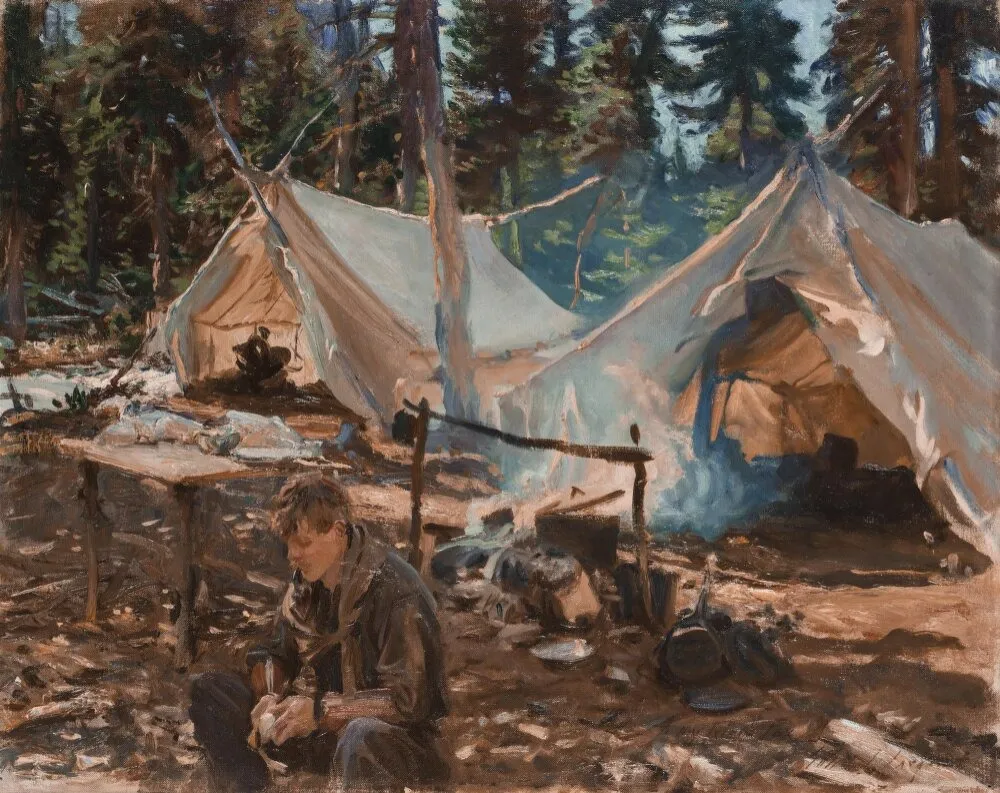
Tents at Lake O'Hara is an oil painting by the American Impressionist artist John Singer Sargent. It dates from 1916 and is held in the collection of the Nationalmuseum.
About this work
Overview
Painted in 1916, *Tents at Lake O'Hara* is an oil on canvas landscape by John Singer Sargent, created during a summer trip to the Canadian Rockies.
Painted in 1916, *Tents at Lake O'Hara* is an oil on canvas landscape by John Singer Sargent, created during a summer trip to the Canadian Rockies. Though best known for portraiture, Sargent produced numerous landscapes throughout his career, often capturing quiet moments in nature. This work is part of the Nationalmuseum’s collection and reflects his interest in transient light and informal outdoor scenes.
Subject & Meaning
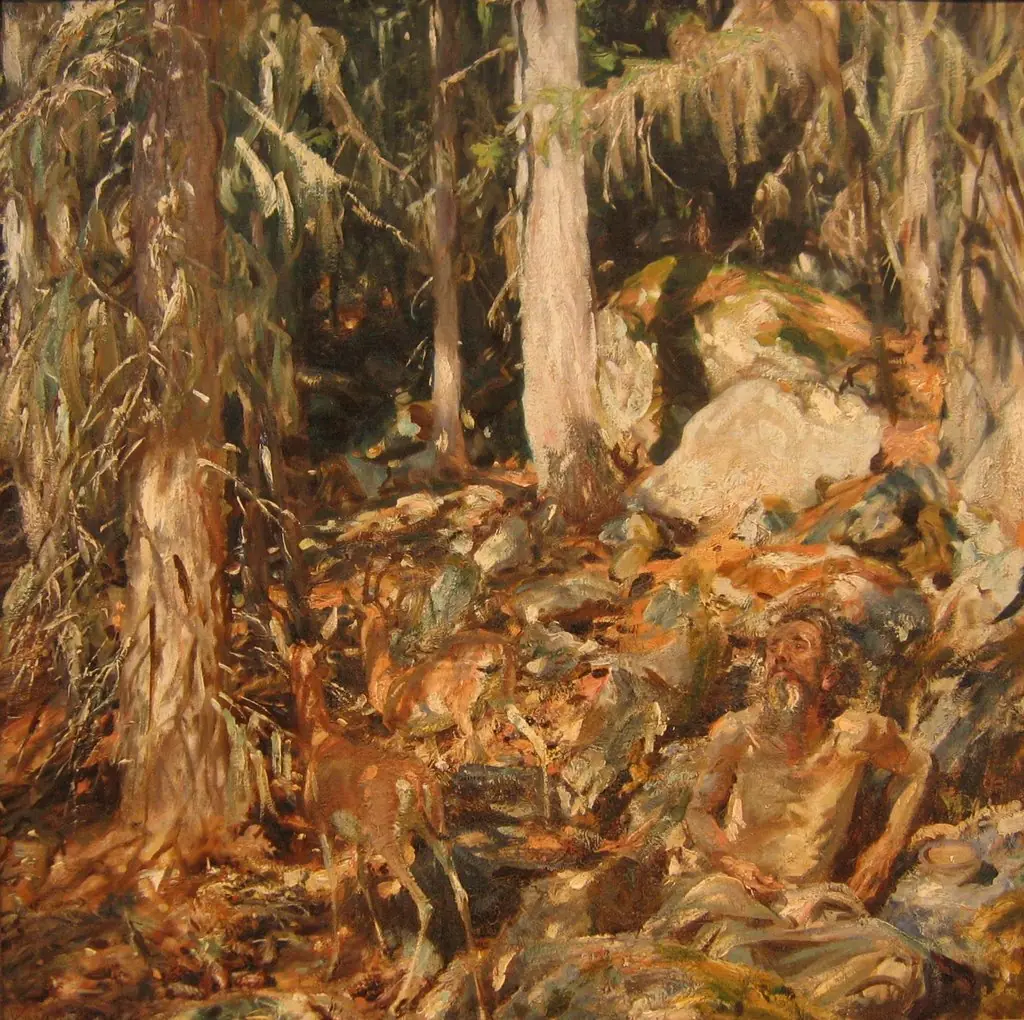
The painting shows two white canvas tents nestled among dense evergreens, with a solitary figure seated on the ground, holding a cup and looking downward. There is no narrative drama—only stillness. The scene suggests a pause in travel, a private moment of rest amid wilderness. The absence of grandeur or human activity emphasizes contemplation over spectacle, aligning with Sargent’s quieter, observational mode.
Technique & Style
Sargent employed loose, fluid brushwork to render foliage and tent fabric, allowing color and texture to suggest form rather than define it. Earth tones—olive greens, muted browns, and soft grays—dominate the palette, creating a subdued harmony. The foreground figure is rendered with minimal detail, reinforcing the painting’s emphasis on atmosphere over individual identity. Light filters through the trees with a sense of immediacy.
History & Provenance
Sargent painted this work during a 1916 expedition to Lake O’Hara in British Columbia, part of a series of North American landscapes he made after decades of European travel. The painting entered the Nationalmuseum’s collection in the 20th century, though specific acquisition details are not widely documented. It remains one of fewer than a dozen Sargent works held in Swedish public collections.
Context
In 1916, Sargent was in his sixties, increasingly drawn to landscapes as portraiture commissions waned. His travels in Canada coincided with a broader interest among artists in unspoiled natural environments, though he avoided romanticizing the wilderness. Unlike contemporaries who sought dramatic vistas, Sargent favored intimate, unpopulated moments—reflecting a personal, introspective approach to nature.
Legacy
While not among Sargent’s most famous works, *Tents at Lake O’Hara* exemplifies his late-period shift toward lyrical, atmospheric painting. It reveals his ability to convey mood through color and brushwork alone, without relying on narrative or grandeur. The piece contributes to a growing recognition of his landscape oeuvre as a significant, if understated, facet of his artistic legacy.
Artist & collection
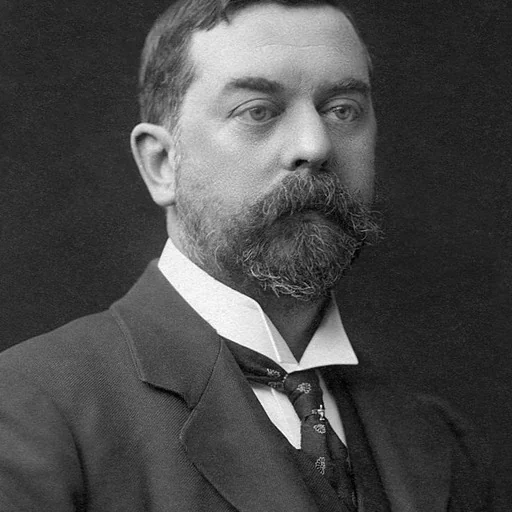
Artist
John Singer Sargent (; January 12, 1856 – April 15, 1925) was an American expatriate artist, considered the "leading portrait painter of his generation" for his evocations of Belle Époque and Edwardian-era luxury.