Artwork
The Road
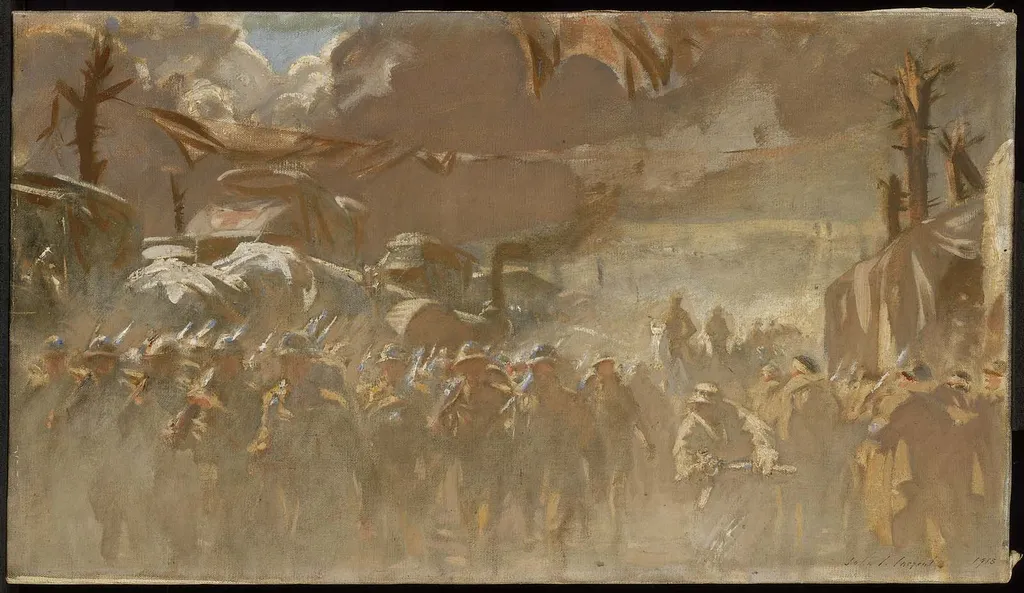
The Road is an oil painting by the American Impressionist artist John Singer Sargent. It dates from 1918 and is held in the collection of the Museum of Fine Arts Boston.
About this work
Overview
Though best known for society portraits, this piece diverges into wartime subject matter, capturing a group of soldiers marching along a rural road.
Painted in 1918, *The Road* is an oil work by John Singer Sargent, an American artist long based in Europe. Though best known for society portraits, this piece diverges into wartime subject matter, capturing a group of soldiers marching along a rural road. It reflects Sargent’s late-career shift toward more somber, observational themes, produced during his travels across war-torn regions of Europe.
Subject & Meaning
The painting portrays a column of infantrymen advancing along a quiet, tree-lined path, their postures varied and weary. Some gaze ahead, others downward, suggesting introspection amid routine movement. The absence of combat or overt drama emphasizes the quiet endurance of ordinary soldiers. The scene conveys the monotony and gravity of military life during World War I, avoiding heroism in favor of quiet human presence.
Technique & Style
Sargent employed loose, fluid brushwork and a restrained palette of browns, grays, and muted greens to evoke the somber atmosphere of the front. Light filters diffusely through a cloudy sky, unifying the composition without dramatic contrast. The figures are rendered with swift, economical strokes, capturing motion and posture rather than individual detail, aligning with the observational ethos of American Impressionism while resisting its usual luminosity.
History & Provenance
Created during the final year of World War I, *The Road* was likely painted after Sargent visited the Western Front as an official war artist. It entered the collection of the Museum of Fine Arts, Boston, in the decades following its completion. Unlike many of his commissioned portraits, this work was not commissioned, suggesting a personal response to the war’s human toll.
Context
Sargent’s wartime paintings emerged amid a broader shift in early 20th-century art toward documenting the realities of conflict, away from romanticized depictions. While European artists like Otto Dix and George Grosz rendered war with visceral intensity, Sargent’s approach remained restrained, focusing on the quiet dignity of soldiers in transit. His work reflects the American perspective on the war, filtered through the lens of an expatriate observer.
Legacy
Though less known than his portraits, *The Road* stands as a significant late work in Sargent’s oeuvre, illustrating his capacity to adapt his technique to urgent, non-portrait subjects. It contributes to the historical record of World War I visual culture, offering a contemplative counterpoint to more dramatic war imagery. The painting remains a quiet testament to the everyday experience of soldiers during a global conflict.
Artist & collection
Artist
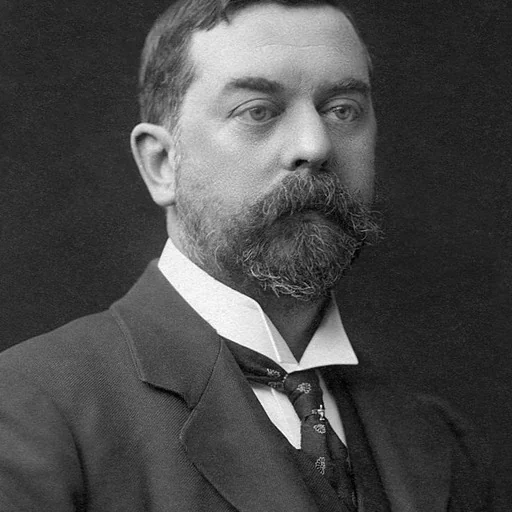
John Singer Sargent (; January 12, 1856 – April 15, 1925) was an American expatriate artist, considered the "leading portrait painter of his generation" for his evocations of Belle Époque and Edwardian-era luxury.

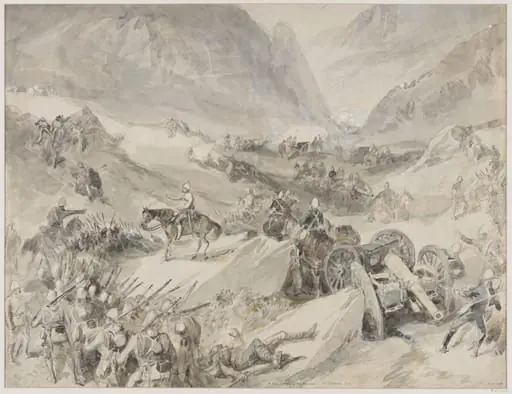 A Difficult Bit in the Khyber
![Cavalry under Capt.[sic] Broadwood marching from Wady Halfa to Sarras., by Jane Evelyn Lindsay](https://artifactworldgallery.com/img/jane-evelyn-lindsay--cavalry-under-capt-sic-broadwood-marching-from-wady-halfa-to--484d424a0df1fcb2-w320.webp) Cavalry under Capt.[sic] Broadwood marching from Wady Halfa to Sarras.
Cavalry under Capt.[sic] Broadwood marching from Wady Halfa to Sarras.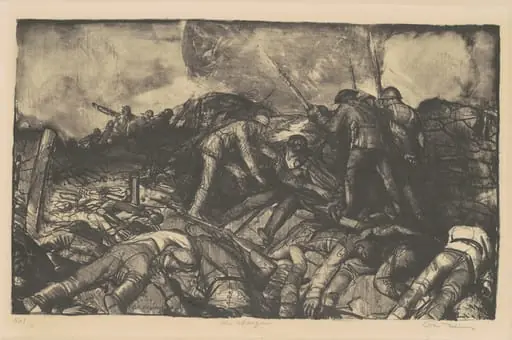 The Charge
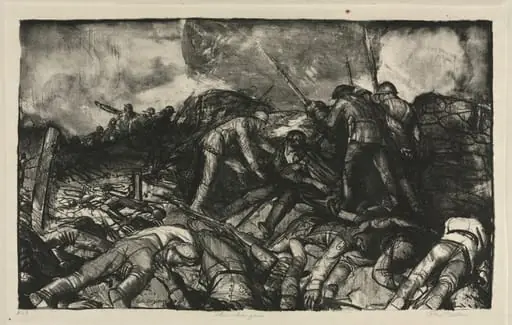 War Series: The Charge
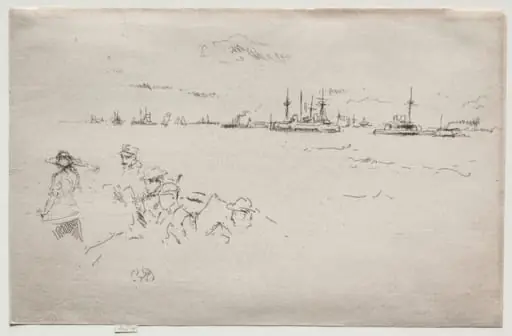 The Fleet: Monitors
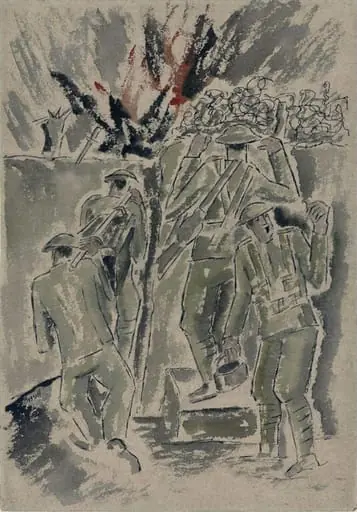 A Salient Under Fire
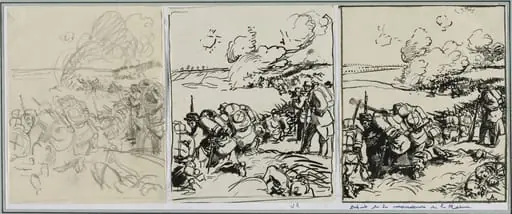 Dêbut de la manoeuvre de la Marne
![Studies for "Entering the War" [recto], by John Singer Sargent](https://artifactworldgallery.com/img/john-singer-sargent--studies-for-entering-the-war-recto--358a2c3ea8bd7639-w320.webp) Studies for "Entering the War" [recto]
Studies for "Entering the War" [recto]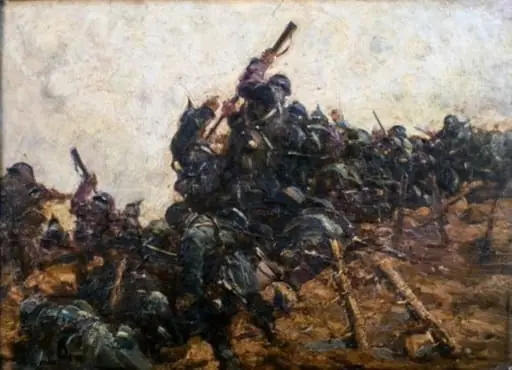 Lupta de la Mărășești
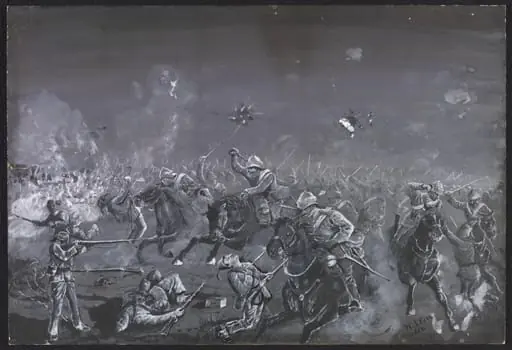 Charge of Household Cavalry at Kassassin - 1882
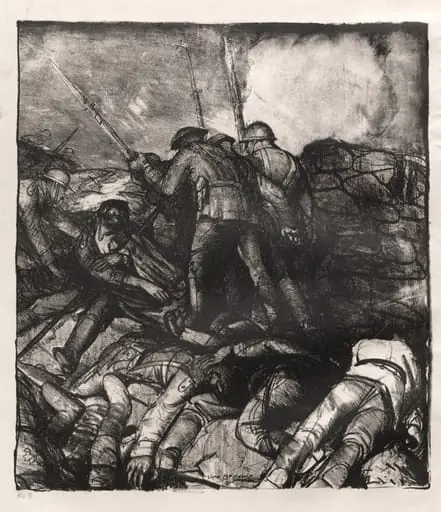 War Series: The Charge, Right Detail, first state
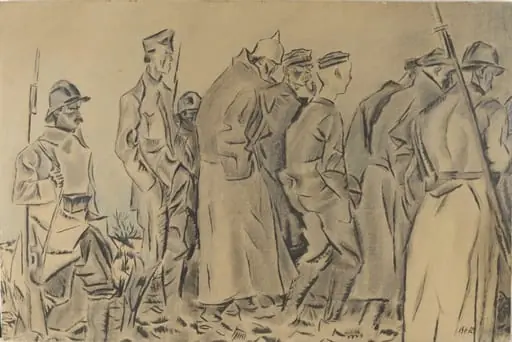 Prizonieri germani