Artwork
Portrait of Mrs. Charles Lindegren
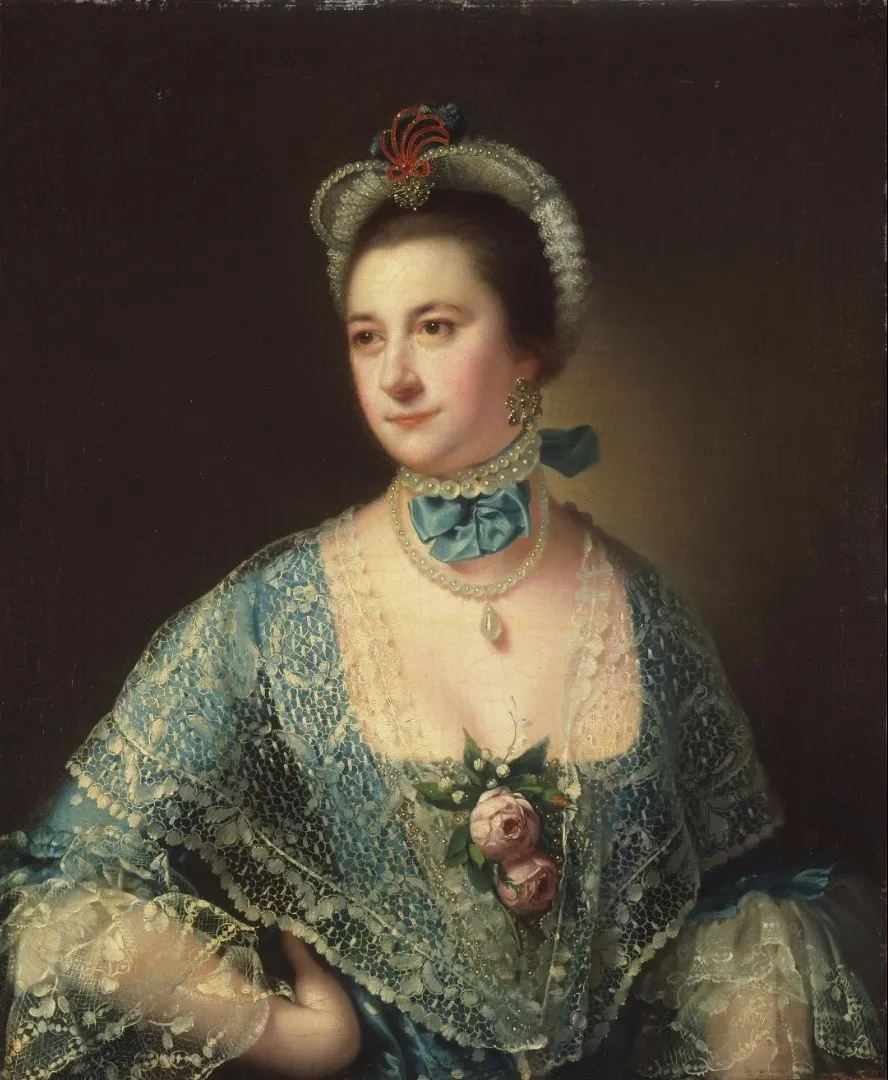
Portrait of Mrs. Charles Lindegren is an oil painting by the Rococo painting artist Joseph Wright of Derby. It dates from 1762 and is held in the collection of the Philadelphia Museum of Art.
About this work
Overview
Painted in 1762 by Joseph Wright of Derby, this oil portrait depicts Mrs. Charles Lindegren, the wife of a Swedish merchant living in England. The work is held in the Philadelphia Museum of Art and reflects Wright’s early mastery of portraiture, blending formal elegance with a subtle dramatic lighting technique that distinguishes his approach from contemporaries.
Subject & Meaning
Mrs. Lindegren is portrayed with quiet composure, her attire signaling wealth and social standing. The blue dress, lace cap, pearls, and floral brooch suggest refined taste and affluence, while the restrained expression conveys dignity rather than flamboyance. The portrait functions as both a personal likeness and a statement of cultural assimilation within England’s mercantile elite.
Technique & Style
Wright employed tenebrism to isolate the figure against a deep, unmodulated background, drawing attention to the texture of fabric and the sheen of pearls.
Wright employed tenebrism to isolate the figure against a deep, unmodulated background, drawing attention to the texture of fabric and the sheen of pearls. Brushwork is precise in rendering lace and ribbon, yet loose in the shadowed areas, creating a dynamic interplay between detail and atmosphere. The lighting enhances volume without theatricality, aligning with a transitional style between Rococo grace and emerging naturalism.
History & Provenance
Commissioned during Wright’s early career, the portrait remained in the Lindegren family until the early 20th century. It entered the Philadelphia Museum of Art’s collection in 1928, acquired as part of a broader effort to expand its holdings of 18th-century British portraiture. Its provenance reflects transatlantic cultural connections between British artists and European merchant families.
Context
In 1760s England, portraiture served as a tool for social affirmation among the rising merchant class. Wright, though based in Derby, attracted patrons from diverse backgrounds, including foreign residents. This portrait reflects a moment when British artists began blending continental influences—such as Dutch chiaroscuro—with local conventions of decorum and detail.
Legacy
Though less celebrated than Wright’s later scientific or industrial scenes, this portrait illustrates his early command of psychological presence and material realism. It remains a representative example of how British portraiture evolved in the mid-18th century, balancing individual identity with the visual language of status, without overt sentimentality.
Artist & collection
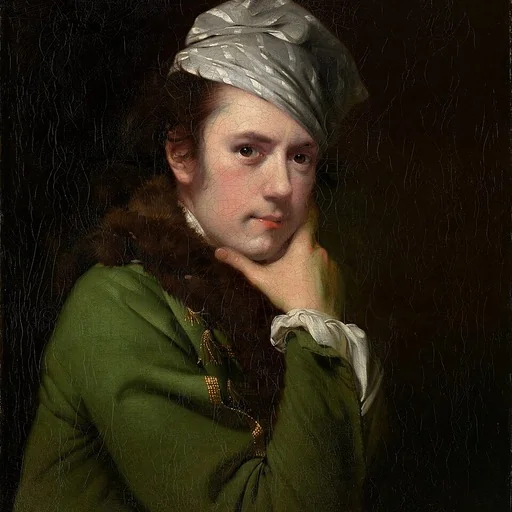
Artist
Joseph Wright (3 September 1734 – 29 August 1797), styled Joseph Wright of Derby, was an English painter who specialised in portrait painting and landscape art.

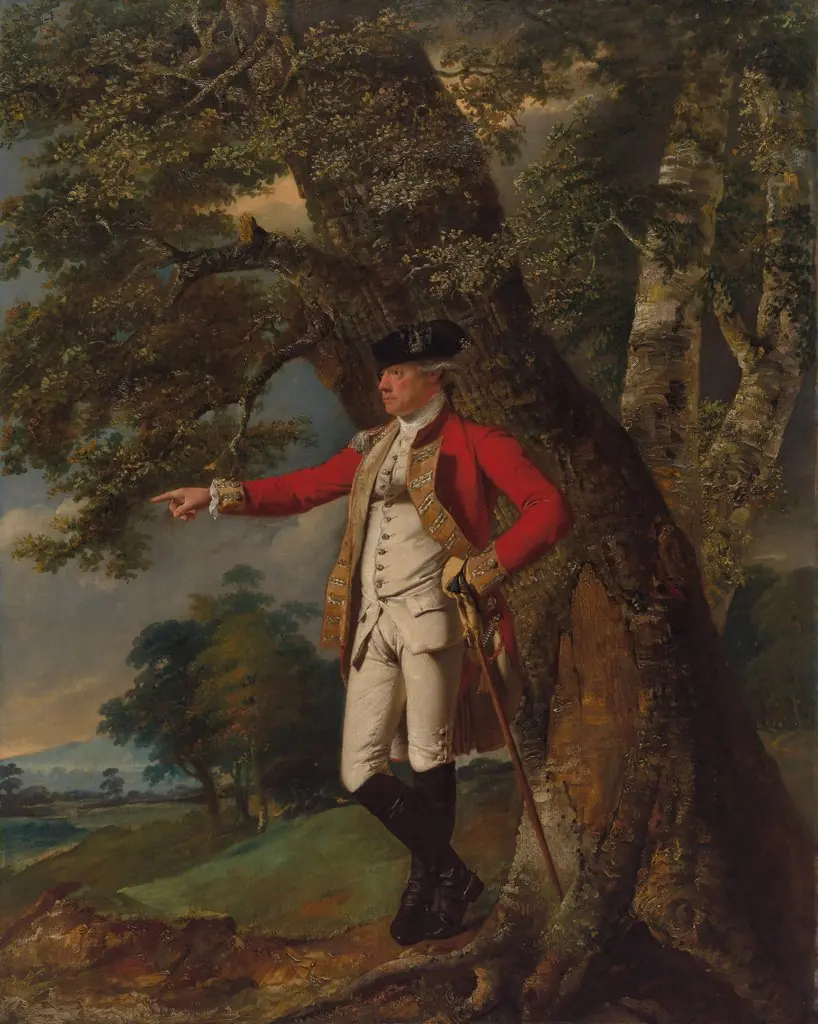 Portrait of Colonel Charles Heathcote
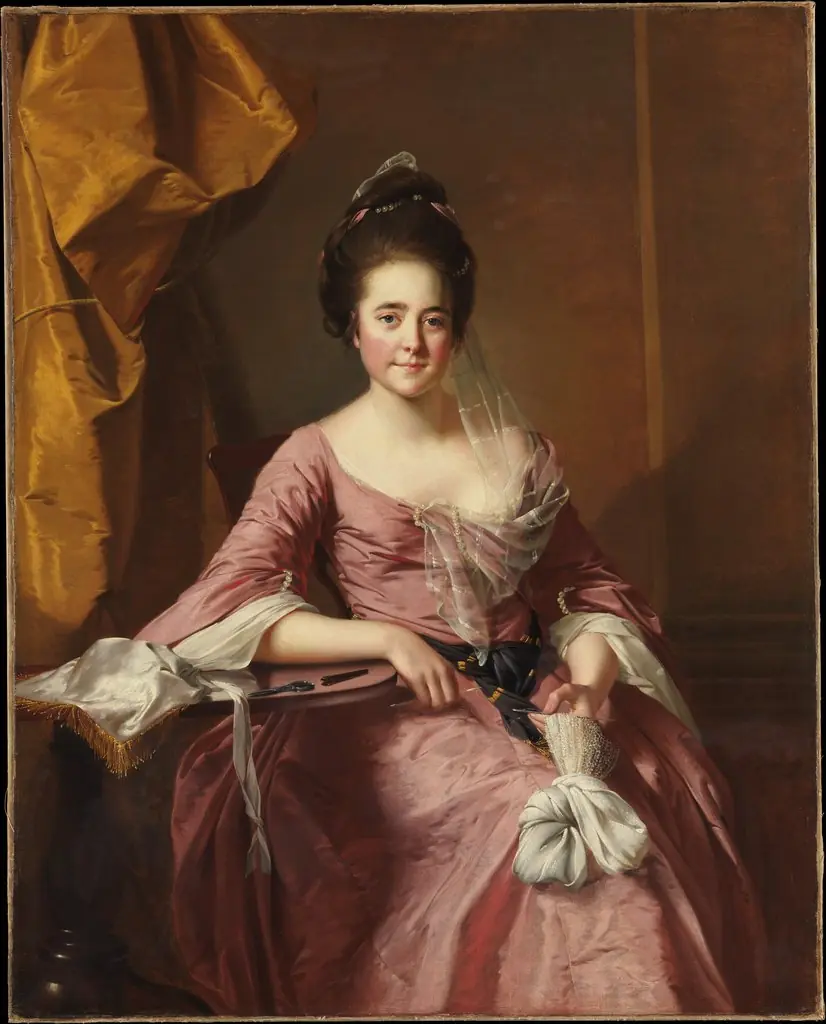 Portrait of a Woman
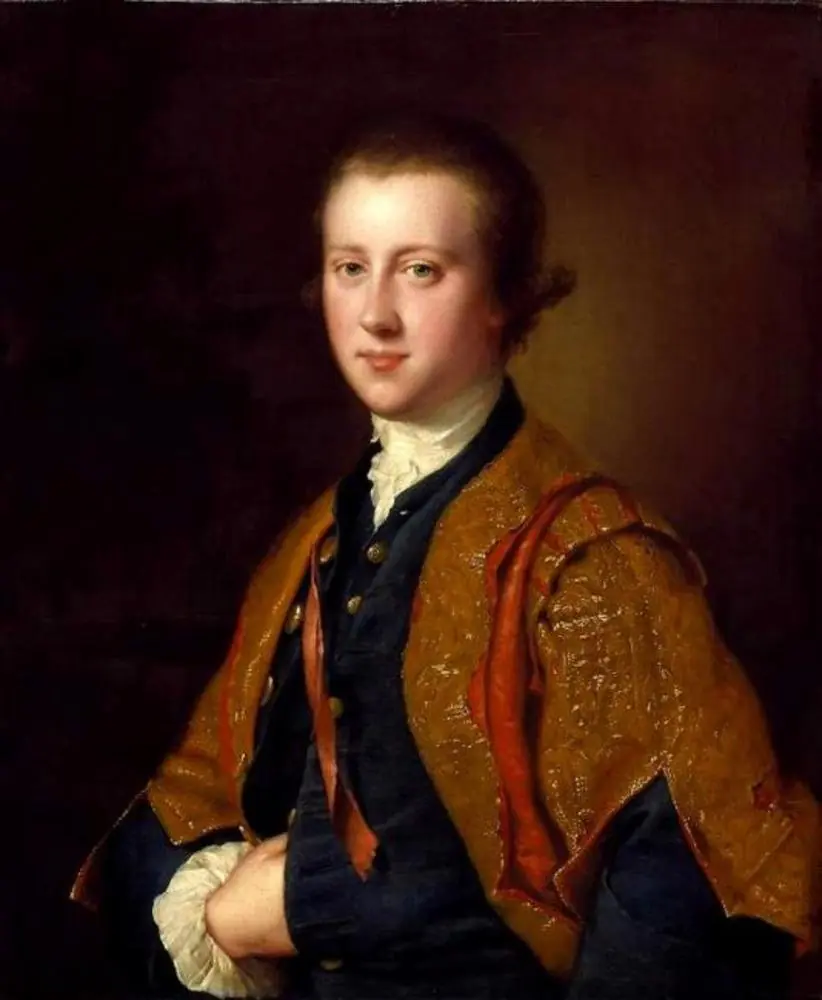 The Hon. Richard Fitzwilliam, 7th Viscount Fitzwilliam of Merrion
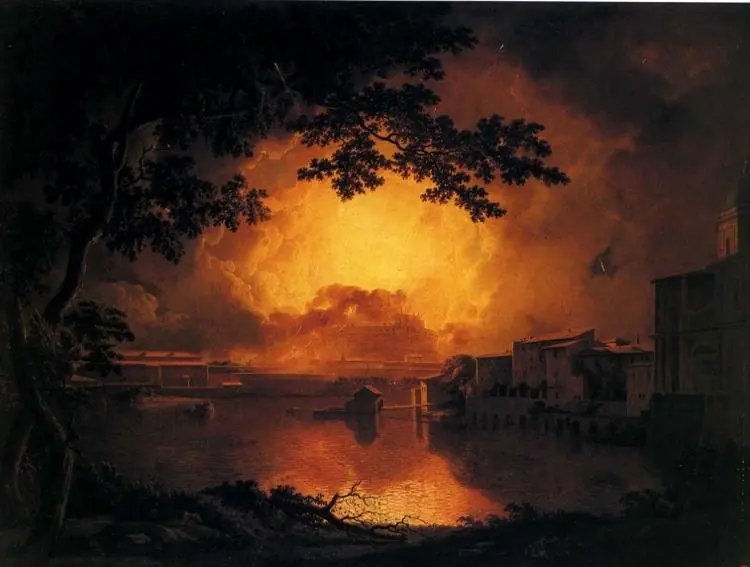 The Girandola at the Castel Sant'Angelo in Rome
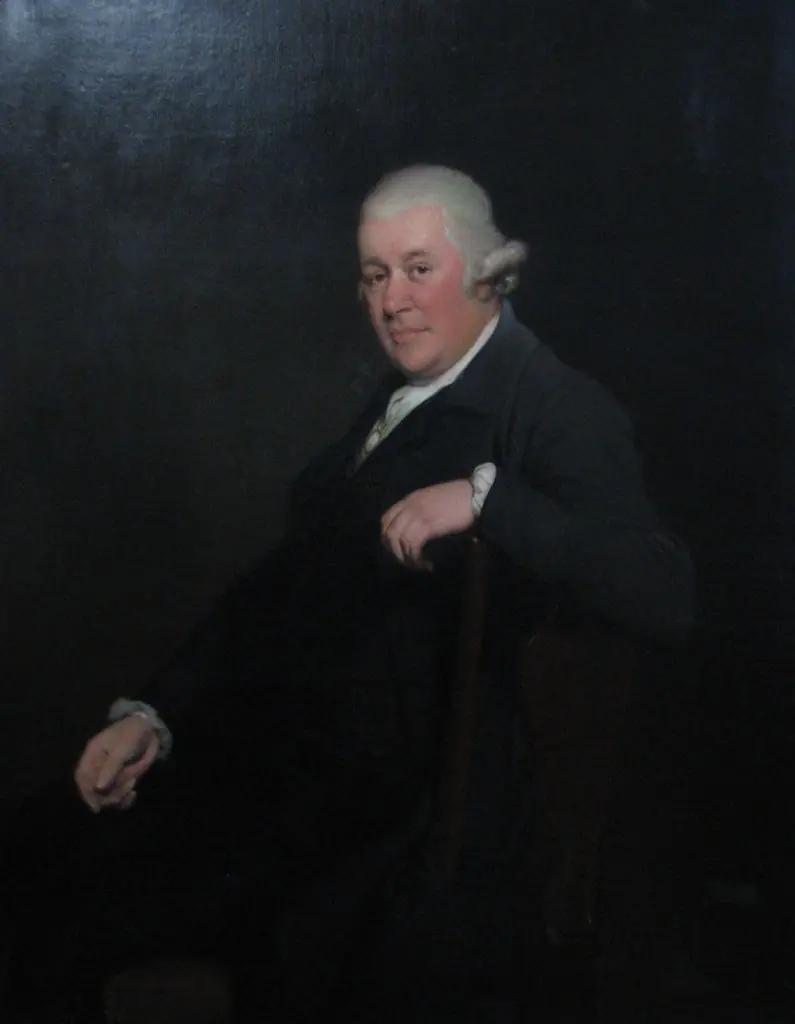 Reverend Basil Bury Beridge
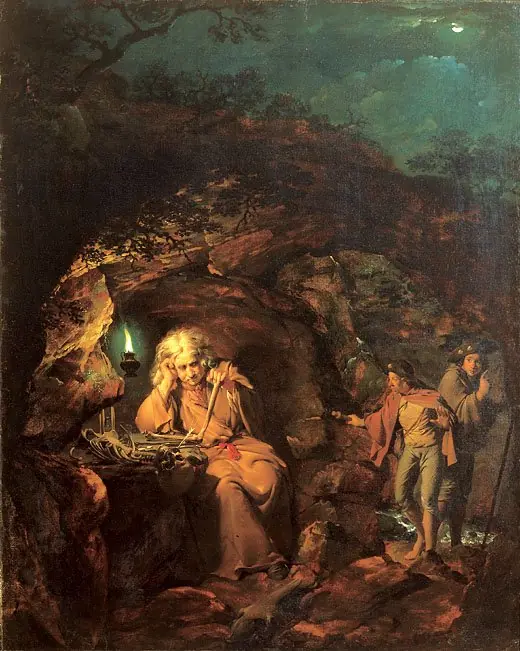 A Philosopher by Lamplight
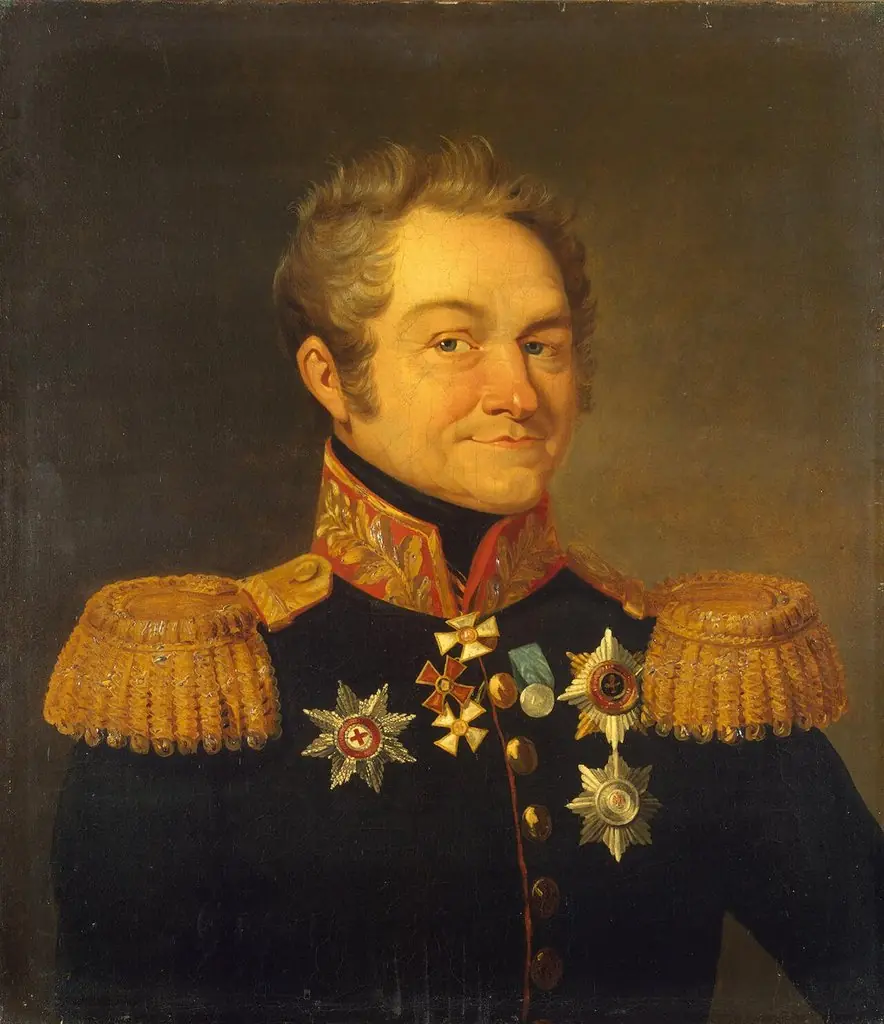 Portrait of Alexander B. Fock (1763-1825)
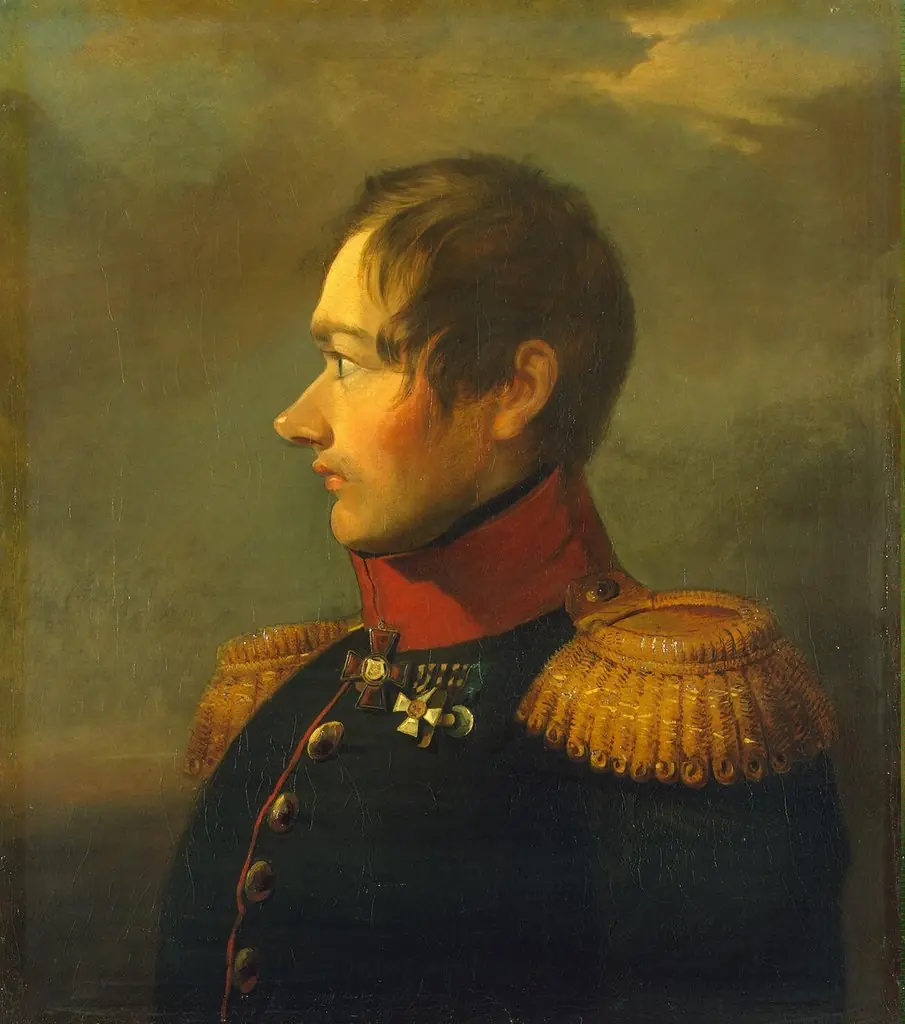 Portrait of Fyodor A. Lindfors (1760-1813)
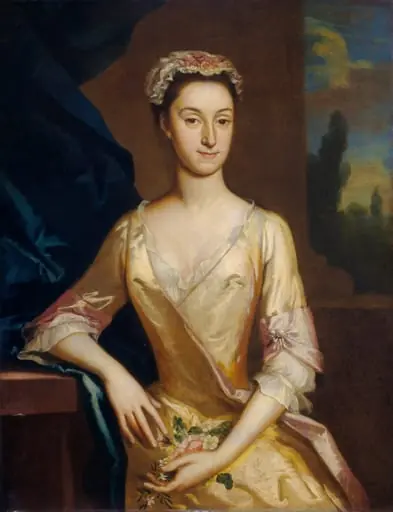 Portrait of a Lady
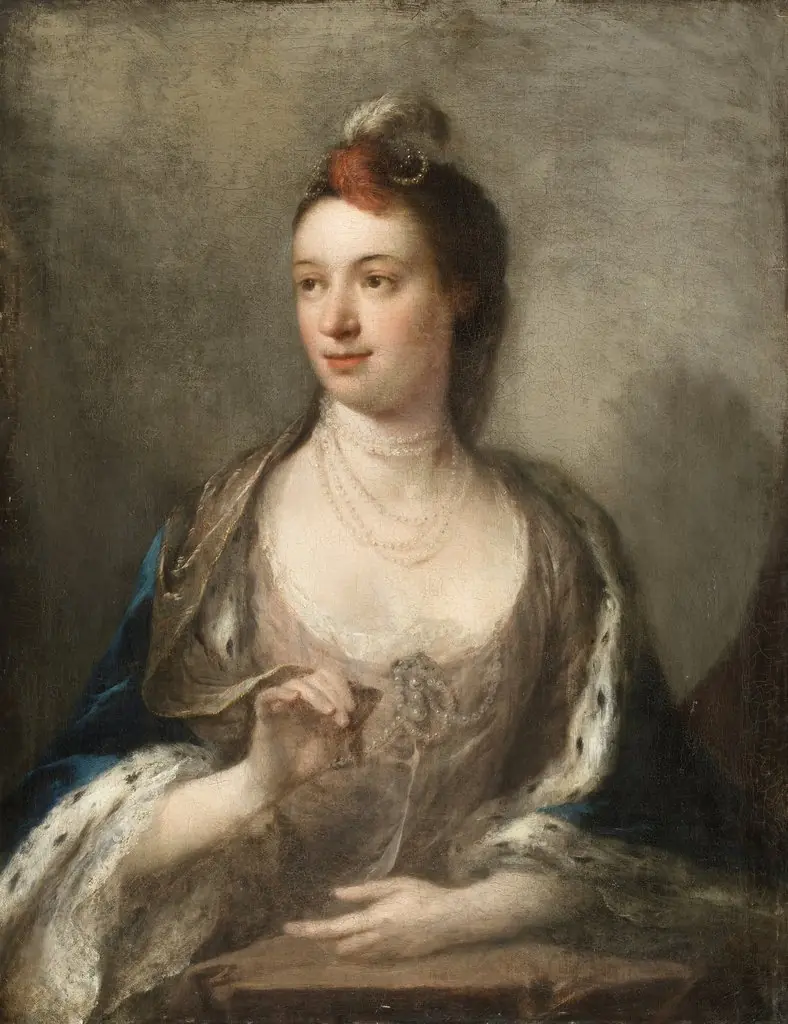 Portrait of Susannah Walker
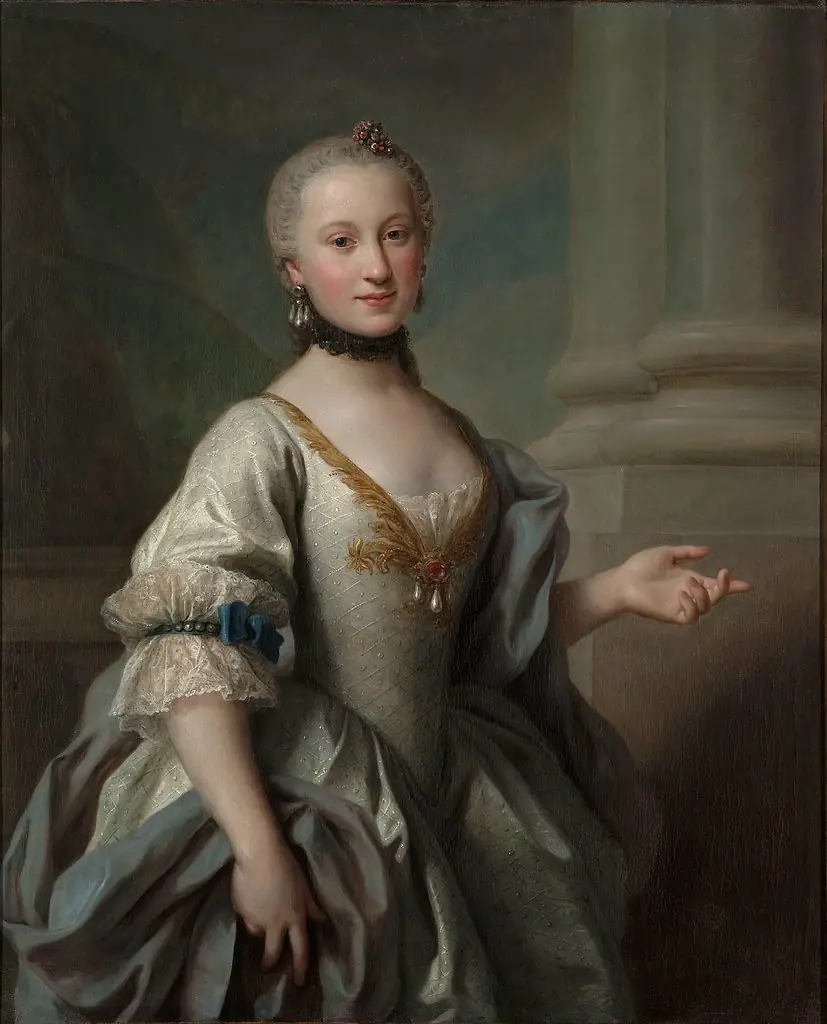 Portrait of Maria Amalia Fryderyka Mniszech née Brühl (1737–1772)
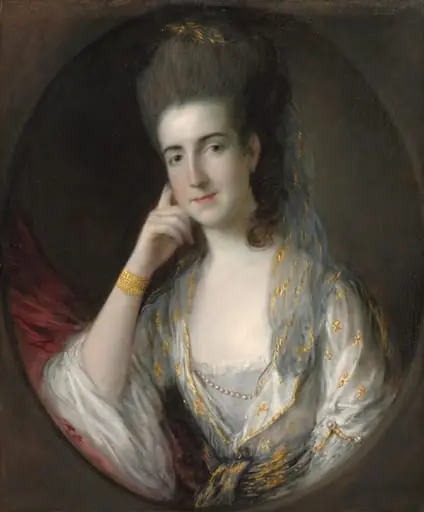 Portrait of Mary Wise
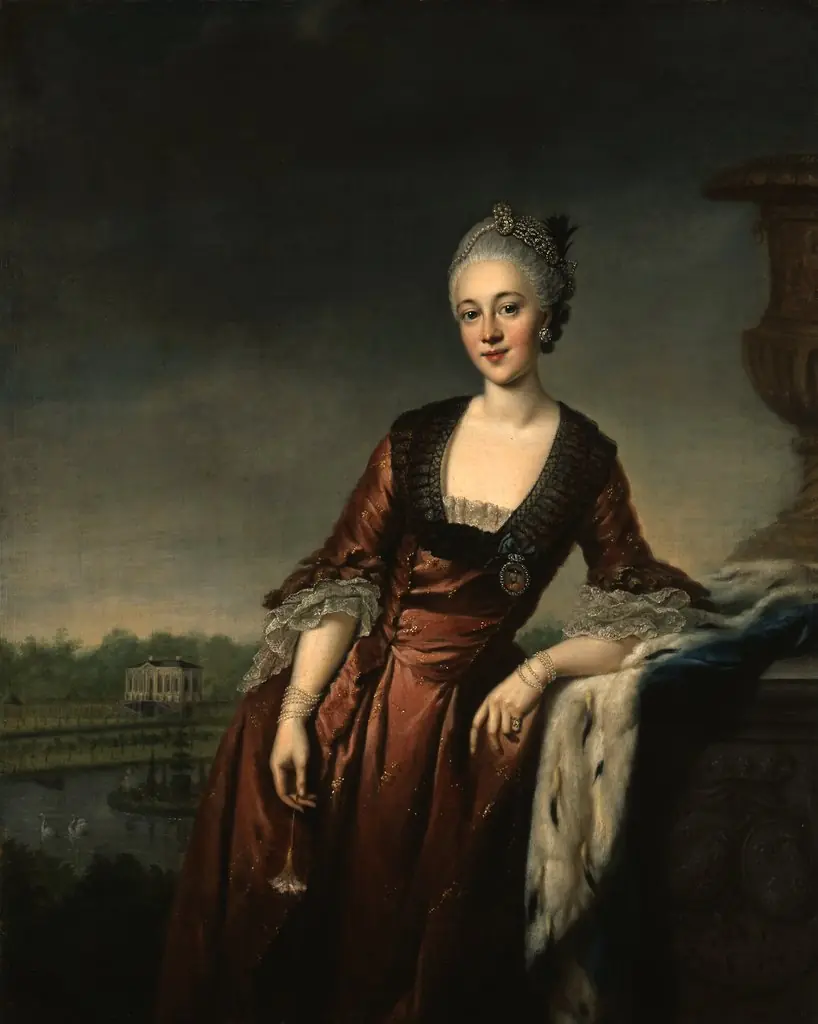 Countess Maria Barbara Eleonore (zu Lippe-Biesterfeld) Schaumburg-Lippe
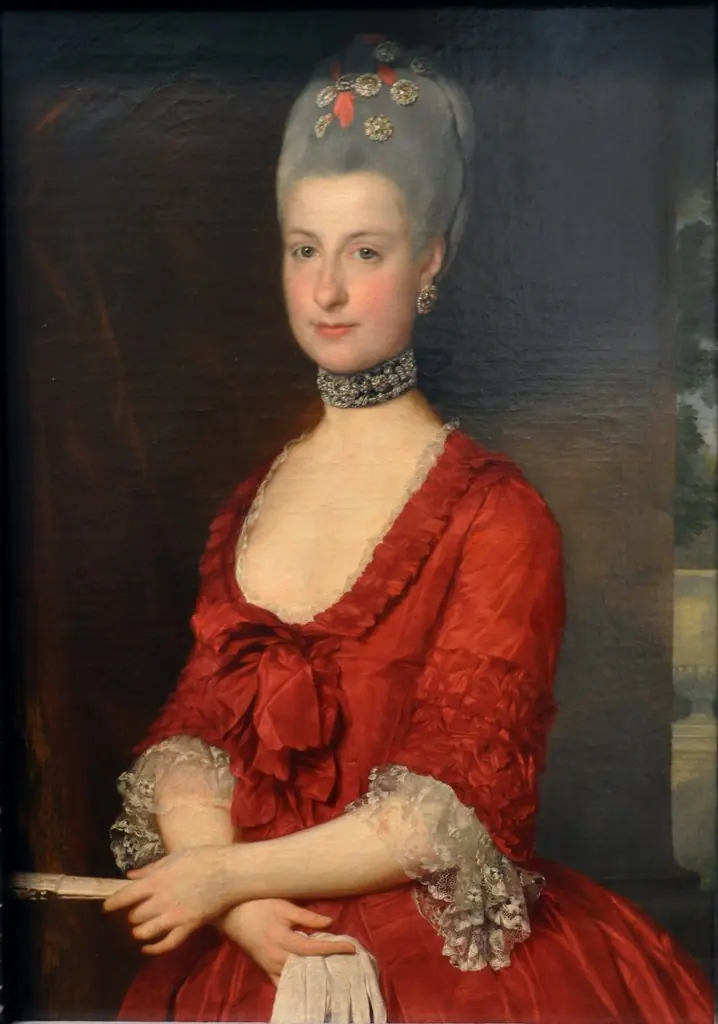 Portrait of Archduchess Maria Christina (1742-1798), Duchess of Teschen
 Mrs. Clark Gayton, 1779, née Elizabeth Legge
 Portrait of Countess Darya I. Uvarova
 Portrait of a Young Woman, Called Miss Sparrow
 Mrs. Henry Hill (Anna Barrett)
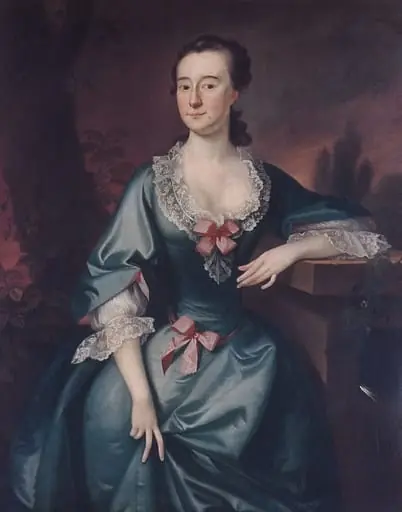 Mrs. David Chesebrough
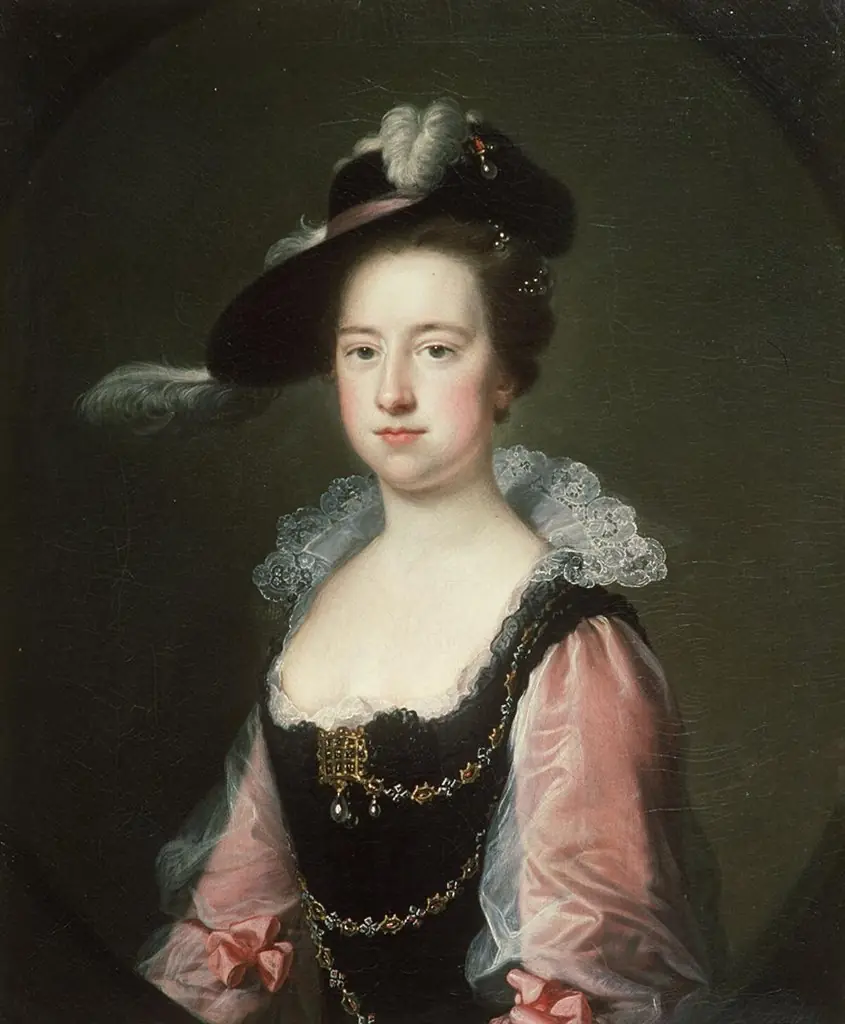 Bridget Williams