Artwork
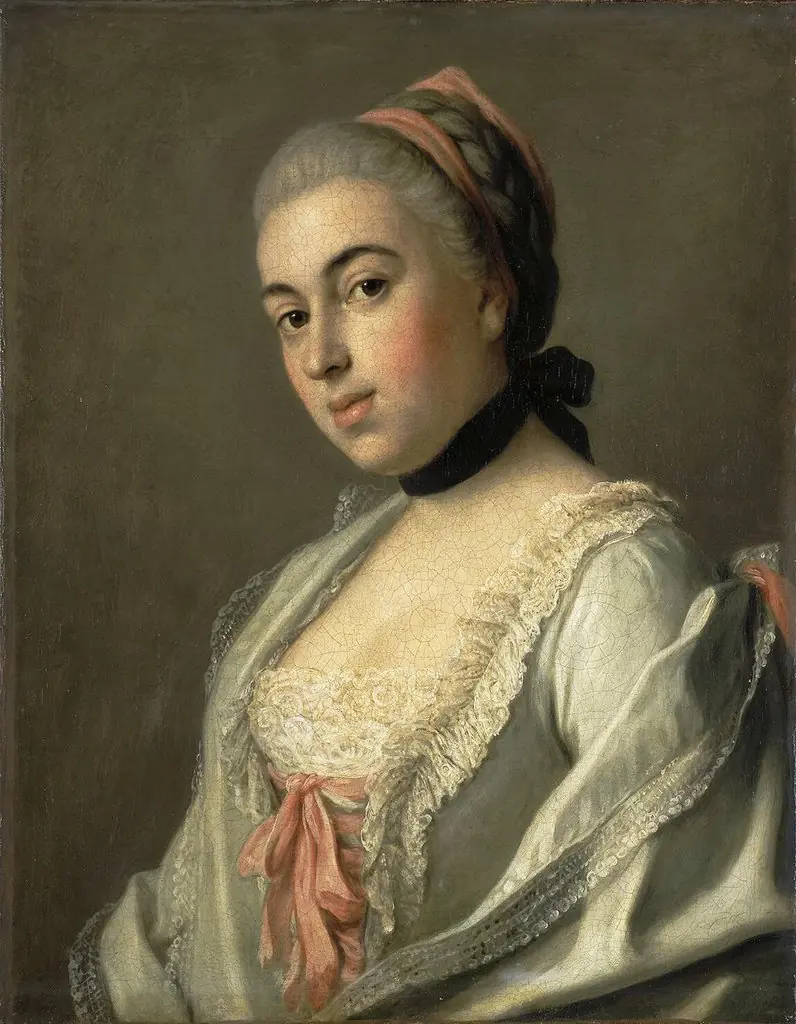
Portrait of Maria Amalia Fryderyka Mniszech née Brühl (1737–1772)
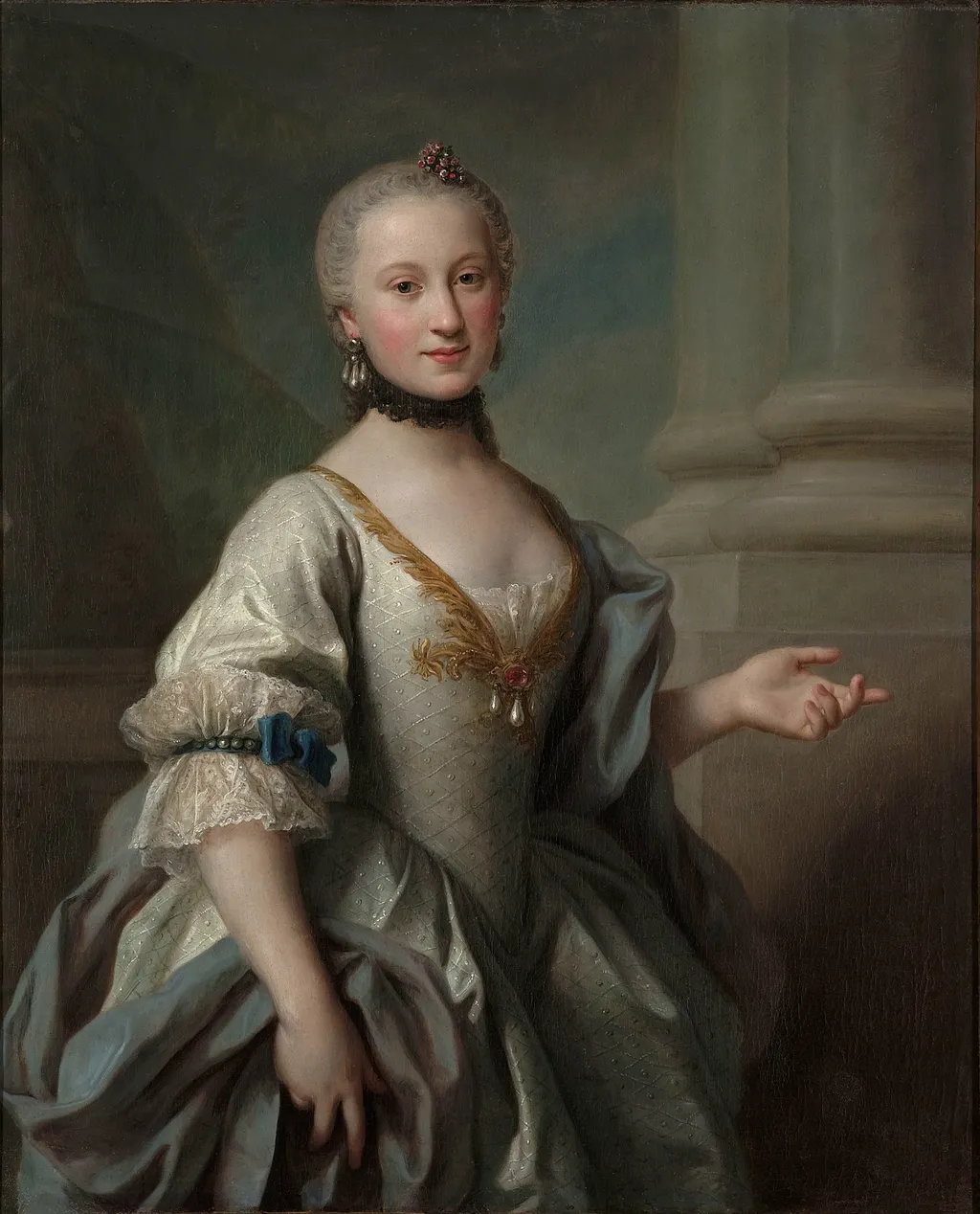
Portrait of Maria Amalia Fryderyka Mniszech née Brühl (1737–1772) is an oil painting by the Rococo painting artist Unknown. It dates from 1750 and is held in the collection of the National Museum in Warsaw. The oil painting titled *Portrait of Maria Amalia Fryderyka Mniszech née Brühl* presents an 18th‑century noblewoman in a formal dress.
About this work
The use of chiaroscuro, a technique that emphasizes contrasts between light and dark, adds depth and dimension to the portrait.
This painting depicts a woman in a formal, 18th-century dress, adorned with a brooch and a bow on her sleeve. Her hair is styled in an updo, and she wears earrings and a small hairpiece. The woman's right arm is extended, with her palm facing upwards.
The woman's attire and hairstyle suggest a formal portrait, possibly from the mid-18th century. The painting's style and attention to detail indicate a high level of craftsmanship.
The use of chiaroscuro, a technique that emphasizes contrasts between light and dark, adds depth and dimension to the portrait. This technique was commonly used during the Baroque period, which may have influenced the artist's style. For more information on this technique, look up "chiaroscuro".
Overview
The oil painting titled *Portrait of Maria Amalia Fryderyka Mniszech née Brühl* presents an 18th‑century noblewoman in a formal dress. Rendered in a restrained palette, the work focuses on the sitter’s poised demeanor, her right hand extended with the palm turned upward, and a subtle play of light that models her features.
Subject & Meaning
The portrait records Maria Amalia Fryderyka Mniszech (1737–1772), a member of the Polish aristocracy. Her attire—a richly embroidered gown, a decorative brooch, and a bow on the sleeve—signals her high social rank, while the delicate earrings and hairpiece emphasize contemporary standards of feminine elegance.
Technique & Style
Executed in oil, the composition employs chiaroscuro to create contrast between illuminated areas and deeper shadows, lending a three‑dimensional quality to the figure. The brushwork is meticulous, especially in rendering the fabric’s texture and the intricate details of jewelry, reflecting the refined portraiture conventions of the mid‑18th century.
Context
The painting aligns with the broader European tradition of aristocratic portraiture that flourished during the late Baroque and early Rococo periods. Its emphasis on dress, posture, and controlled lighting mirrors the aesthetic priorities of courtly representation, where status and refinement were conveyed through visual cues.
Artist & collection

 Domestic Scene
 Giacomo and Cardinal Marco, investing Andrea, Abbot of San Zeno, with his Benefice
 The Nymph of Fontainebleau
 Portrait of a Woman
 Madonna and Child with Saints in the Enclosed Garden
 Venus and Minerva
 Family Group of Four on Sofa
 Wall painting from Room H of the Villa of P. Fannius Synistor at Boscoreale
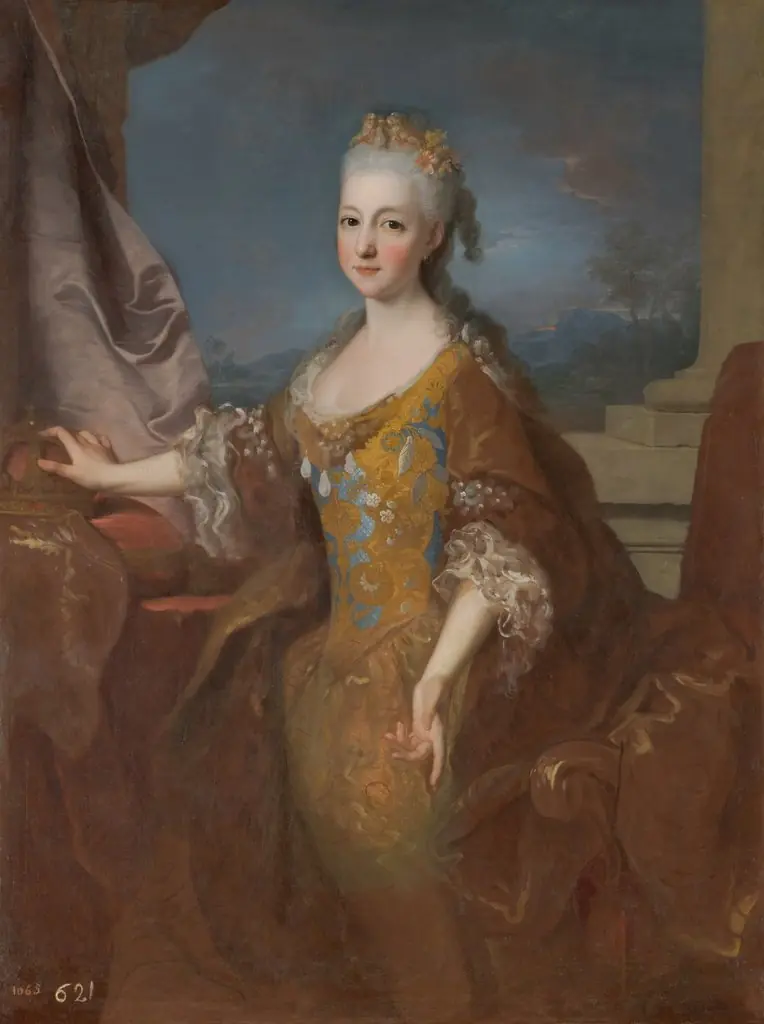 Portrait of Louise Élisabeth d'Orléans, Queen of Spain (1709-1742)
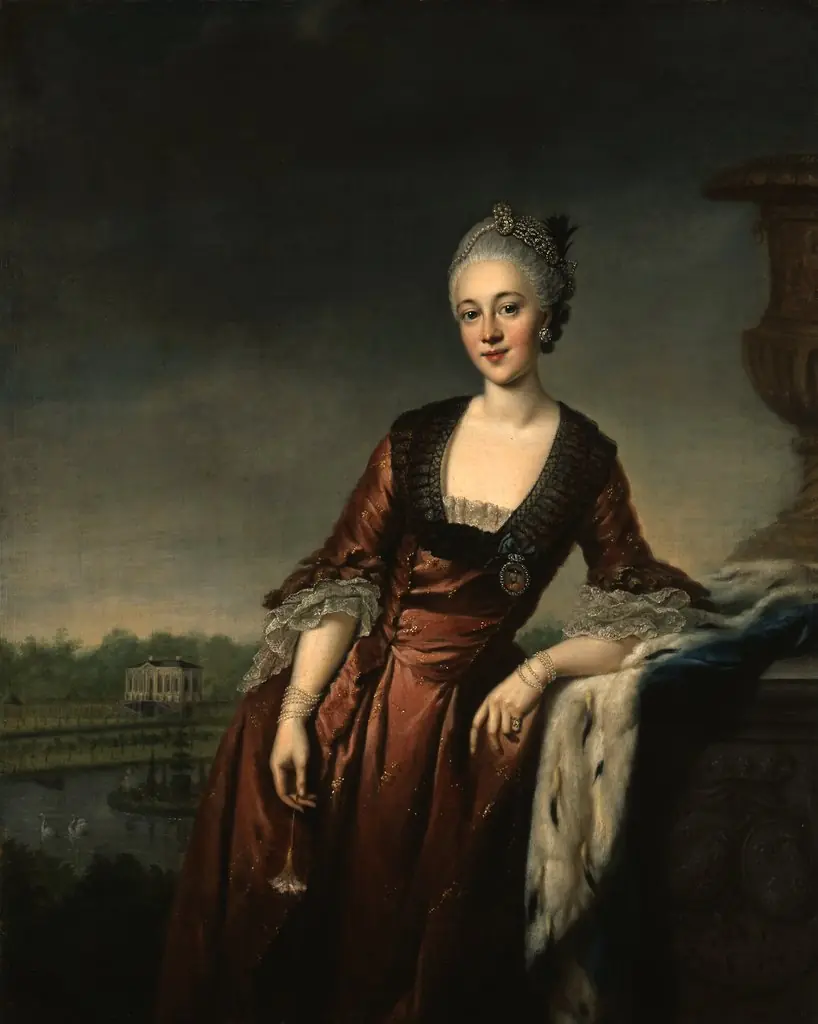 Countess Maria Barbara Eleonore (zu Lippe-Biesterfeld) Schaumburg-Lippe
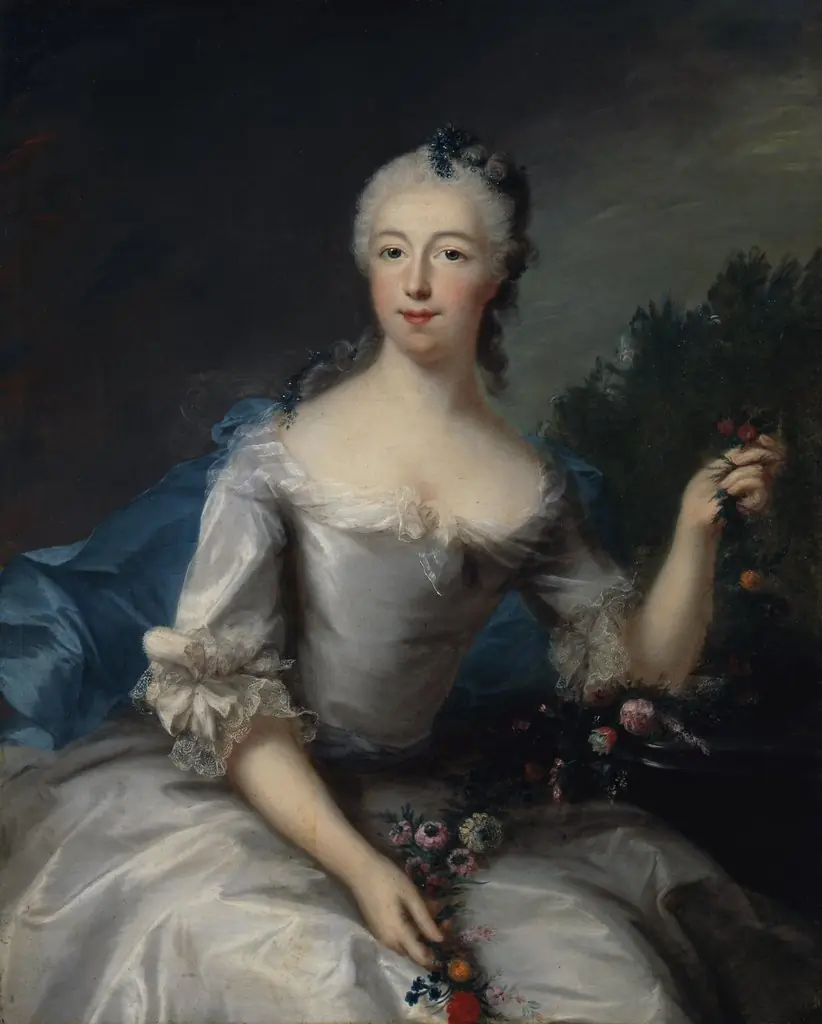 Maria Clara Philippina von Ingelheim
 Retrato de dama
 Anna Dorothea Amiga
 Portrait of Justina Johanna Ramskrammer, Wife of Isaac Parker
 Maria Charlotta Silfverstjerna
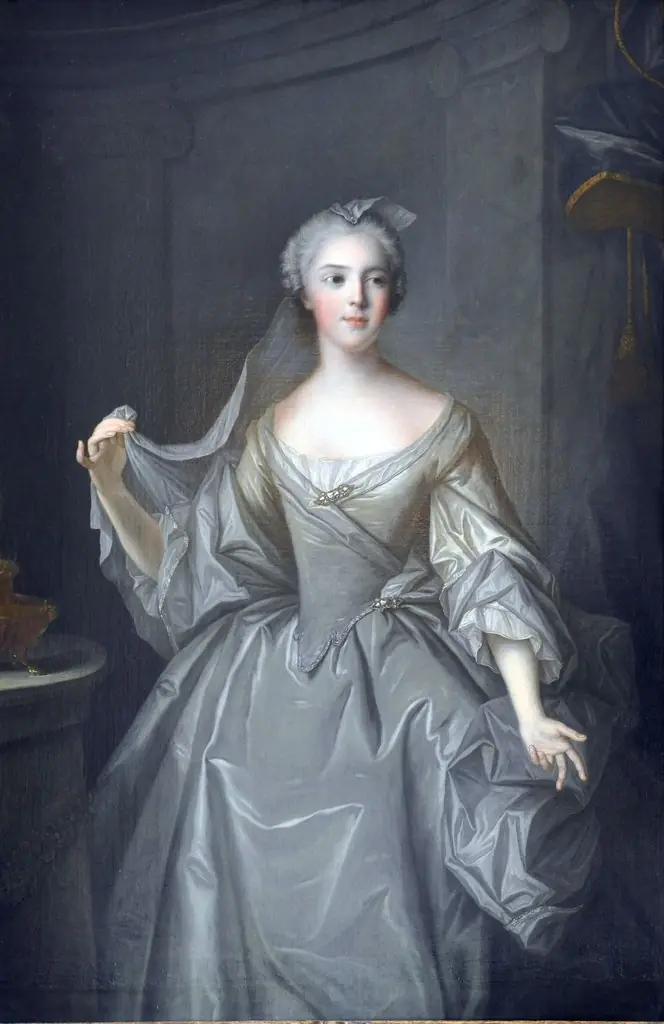 Madame Sophie of France as a Vestal Virgin
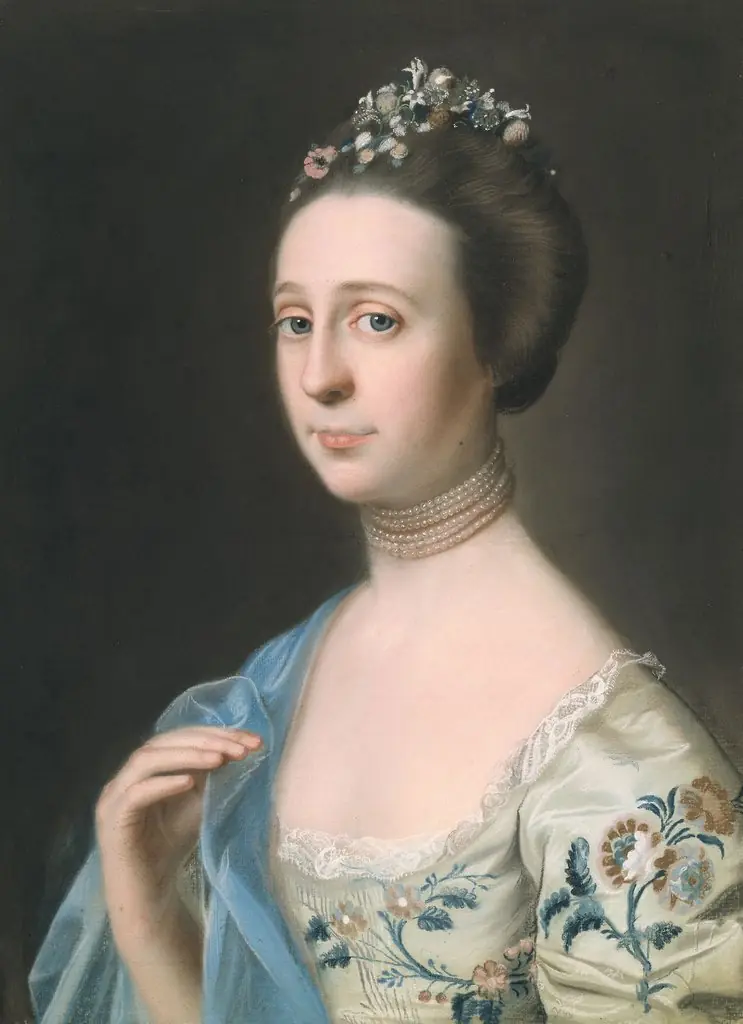 Mrs. Henry Hill (Anna Barrett)
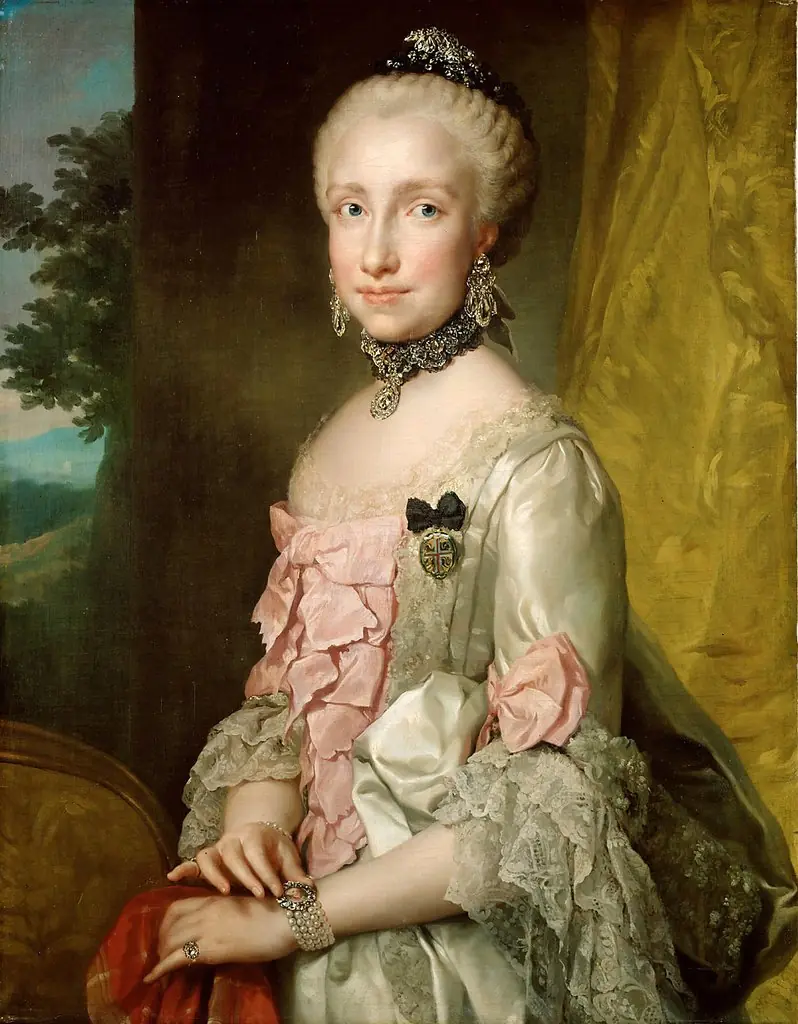 Portrait of Maria Luisa of Spain
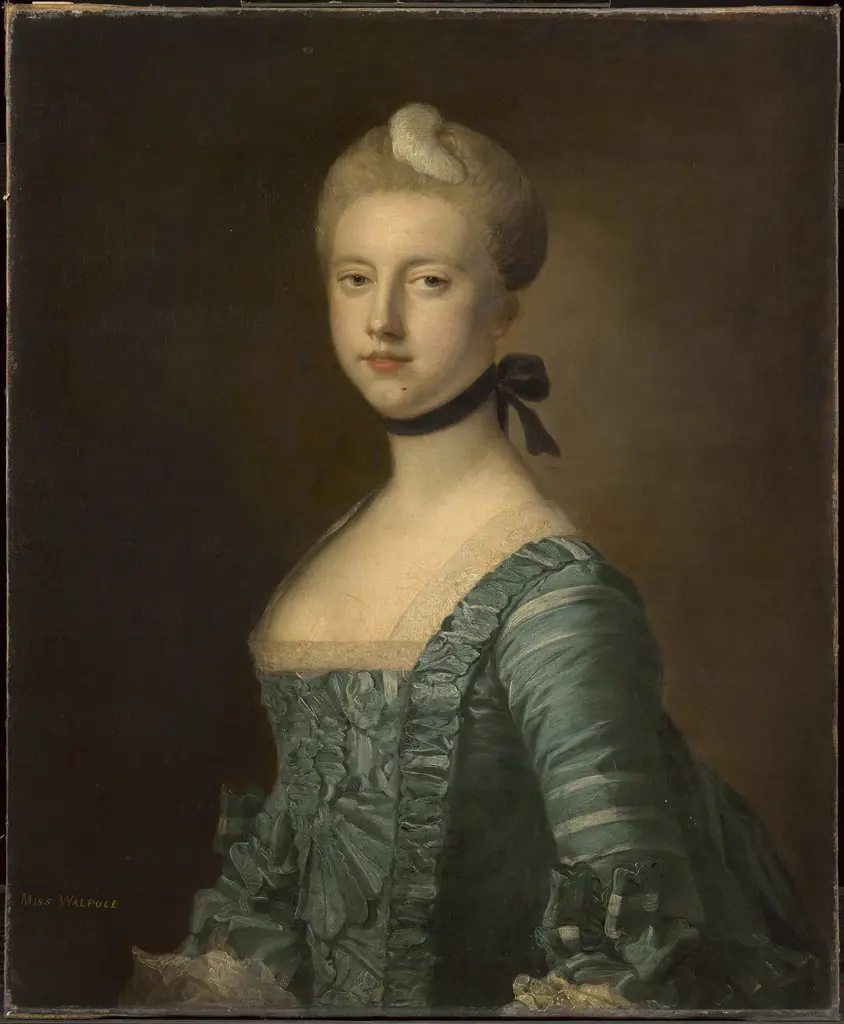 Miss C. Walpole, Afterwards Countess Dysart (one of pair)
 Portrait of Countess A.M. Vorontsova