Artwork
Nathaniel Sparhawk
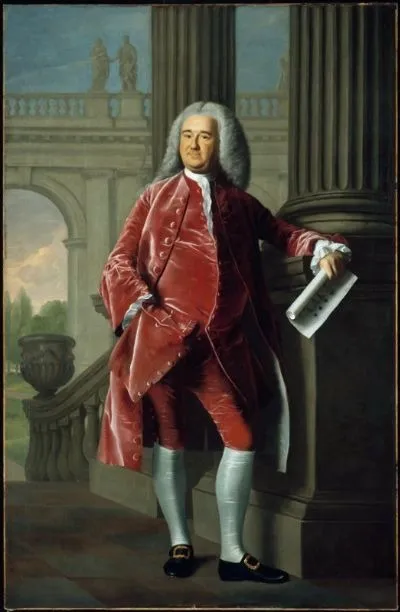
Nathaniel Sparhawk is an oil painting by the Rococo painting artist John Singleton Copley. It dates from 1764 and is held in the collection of the Museum of Fine Arts Boston.
About this work
Overview
John Singleton Copley completed the portrait of Nathaniel Sparhawk in 1764, early in his career as a colonial American artist. Executed in oil on canvas, the work captures a Boston merchant in formal attire, set against an architectural backdrop. Copley, then based in Boston, was gaining recognition for his precise rendering of texture and social presence, qualities evident in this commission.
Subject & Meaning
Nathaniel Sparhawk, a Boston merchant, is depicted standing confidently in a richly detailed red velvet suit, white stockings, and black shoes.
Nathaniel Sparhawk, a Boston merchant, is depicted standing confidently in a richly detailed red velvet suit, white stockings, and black shoes. His curled white hair and the rolled paper in his hand suggest status and civic engagement. The classical architecture behind him implies wealth and refinement, aligning the sitter with Enlightenment ideals of order and cultivated identity common among colonial elites.
Technique & Style
Copley employed fine brushwork to render the textures of velvet, lace, stone, and sky with meticulous care. The composition follows rococo conventions—elegant posing, soft lighting, and decorative detail—yet avoids excessive ornamentation. The background, with its distant columns and trees, creates depth without distracting from the figure, showcasing Copley’s growing command of spatial illusion.
History & Provenance
Painted during Copley’s formative years in Boston, the portrait remained in private hands before entering the Museum of Fine Arts, Boston’s collection. It reflects the artist’s early success among New England’s merchant class, prior to his 1774 move to London. The painting’s preservation offers insight into the tastes and self-representation of colonial elites before the American Revolution.
Context
In mid-18th-century Boston, portraiture served as both personal commemoration and social assertion. Wealthy patrons like Sparhawk commissioned artists to project authority and refinement. Copley’s work bridged British artistic traditions and colonial realities, offering a visual language of status that resonated with a society increasingly defining itself apart from, yet still connected to, Britain.
Legacy
The portrait of Nathaniel Sparhawk exemplifies Copley’s role in shaping American portraiture before his transition to London. Its technical precision and psychological presence influenced later American artists. As one of the earliest high-quality colonial portraits preserved in a major U.S. museum, it remains a key document of pre-Revolutionary material culture and identity.
Artist & collection

Artist
John Singleton Copley (July 3, 1738 – September 9, 1815) was an American-born British painter active in both the Thirteen Colonies and England.



 Portrait of a Man Standing Beside a Table
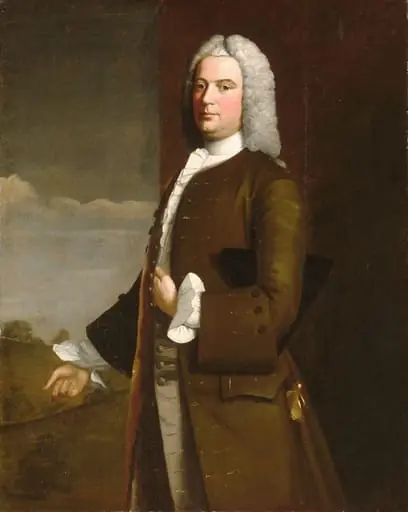 Tench Francis
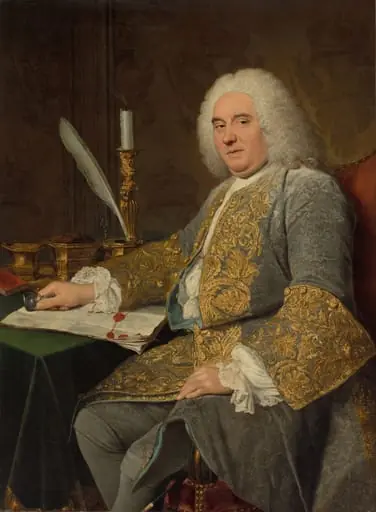 Portrait of Jean-Gabriel du Theil at the Signing of the Treaty of Vienna
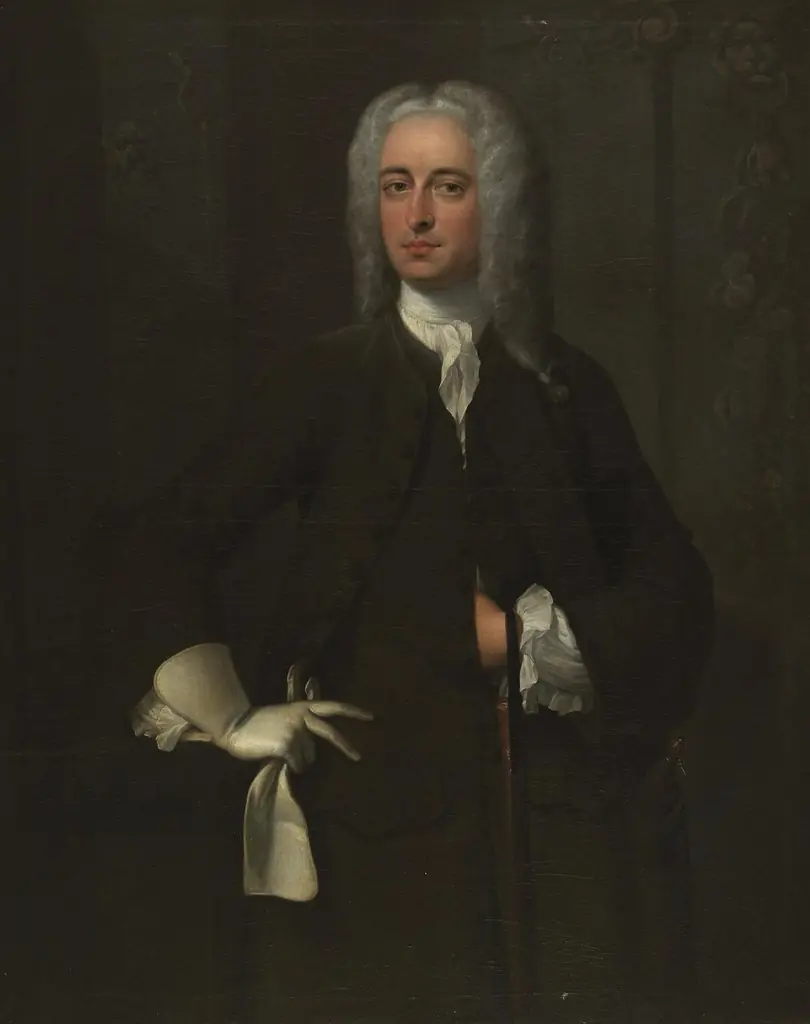 Mr. Gostling
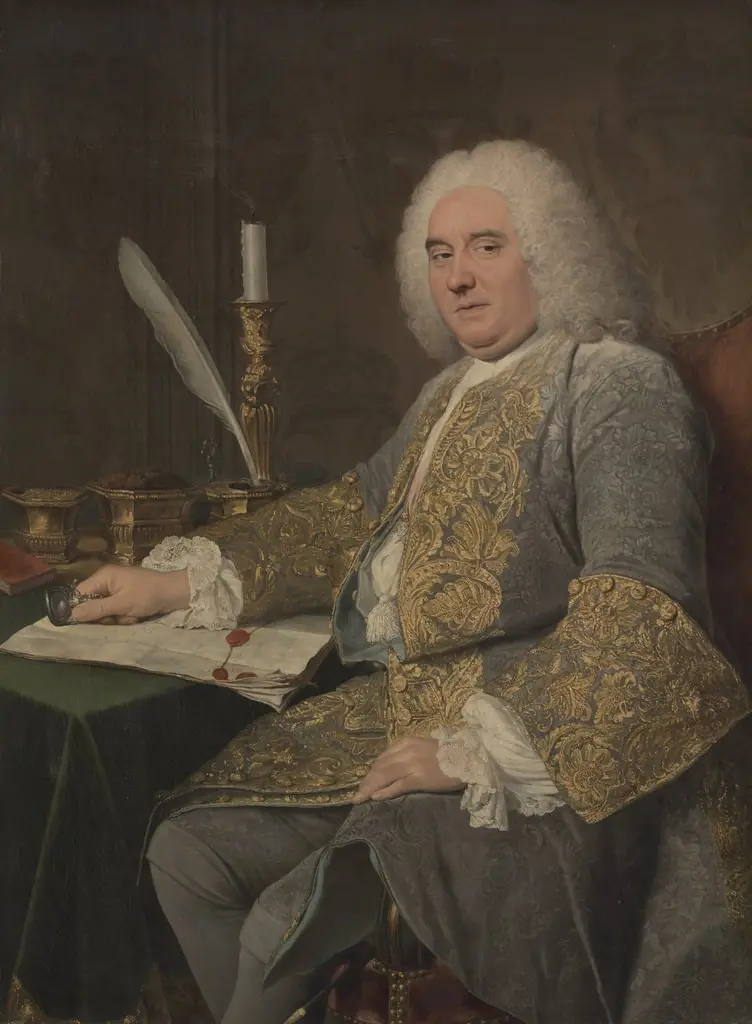 Portrait of Jean-Gabriel du Theil at the Signing of the Treaty of Vienna
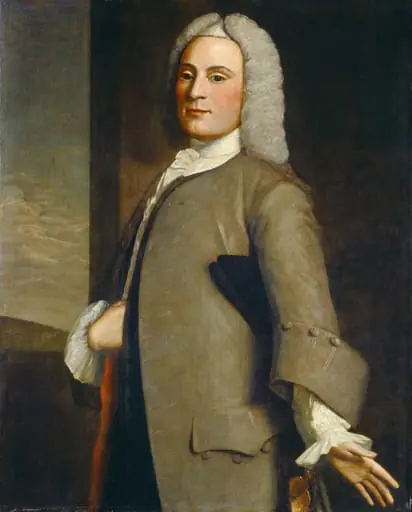 Captain Alexander Graydon
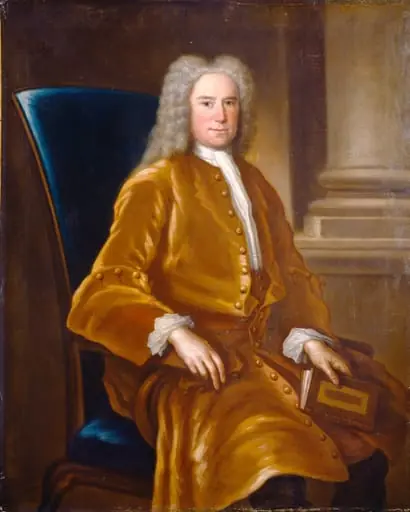 Portrait of a Gentleman
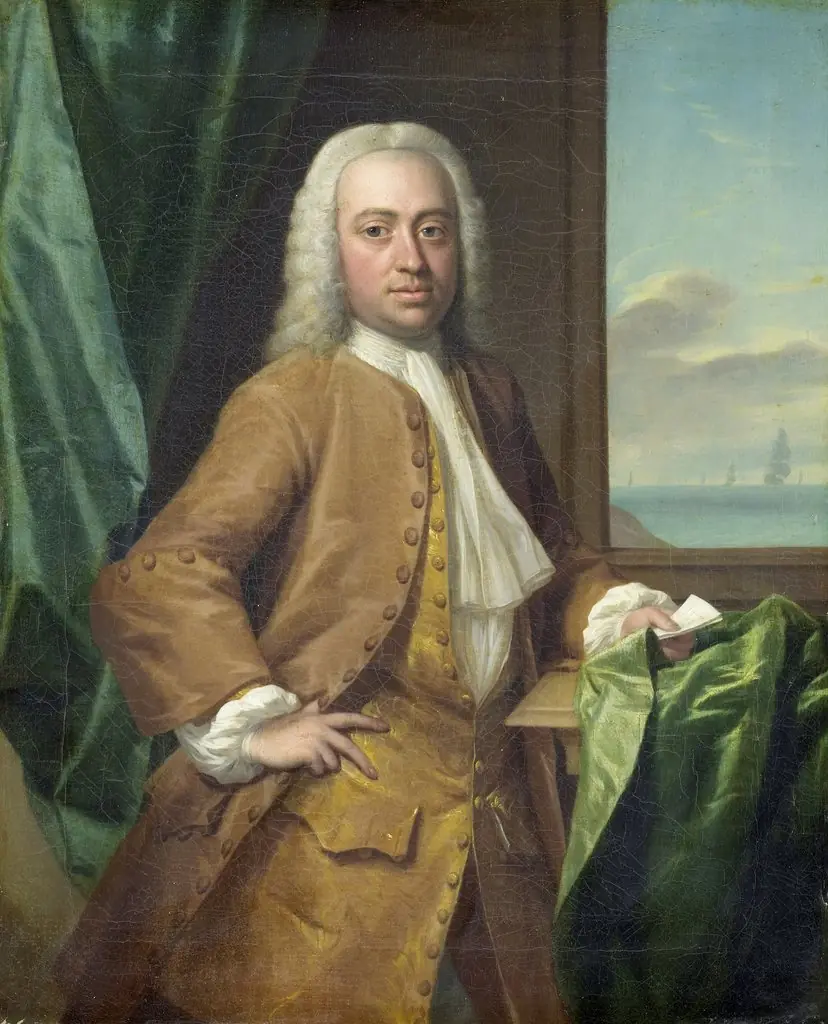 Portrait of Isaac Parker, Merchant from Middelburg
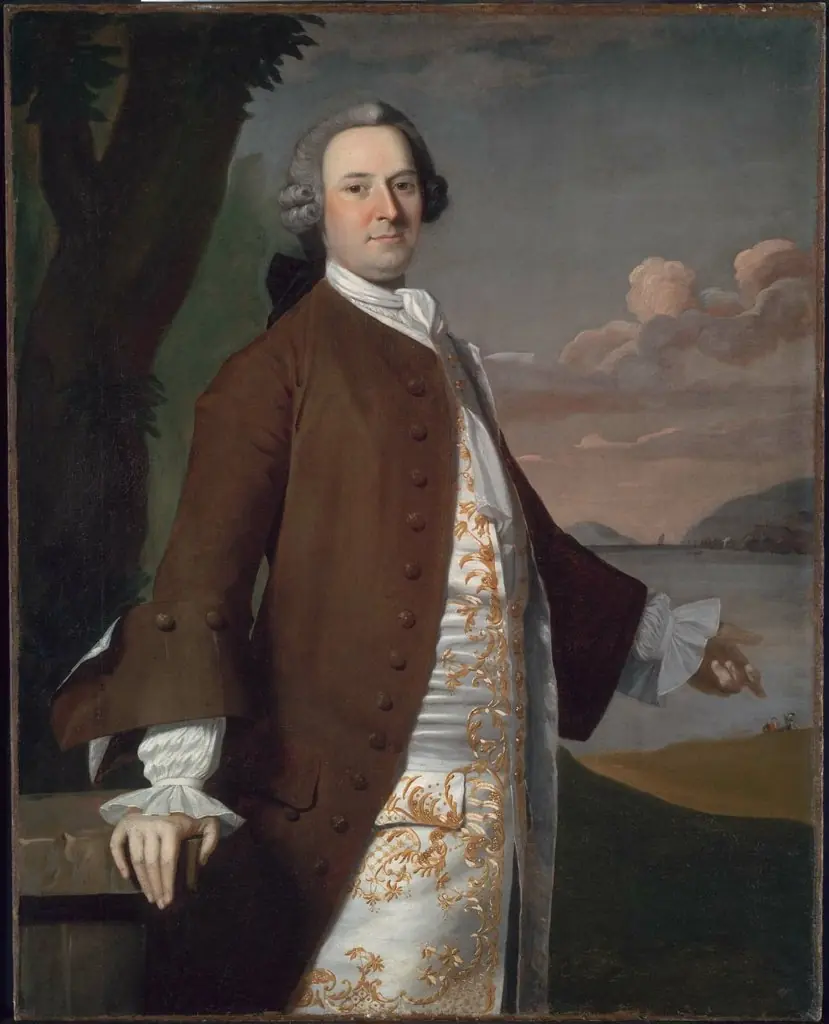 Isaac Winslow
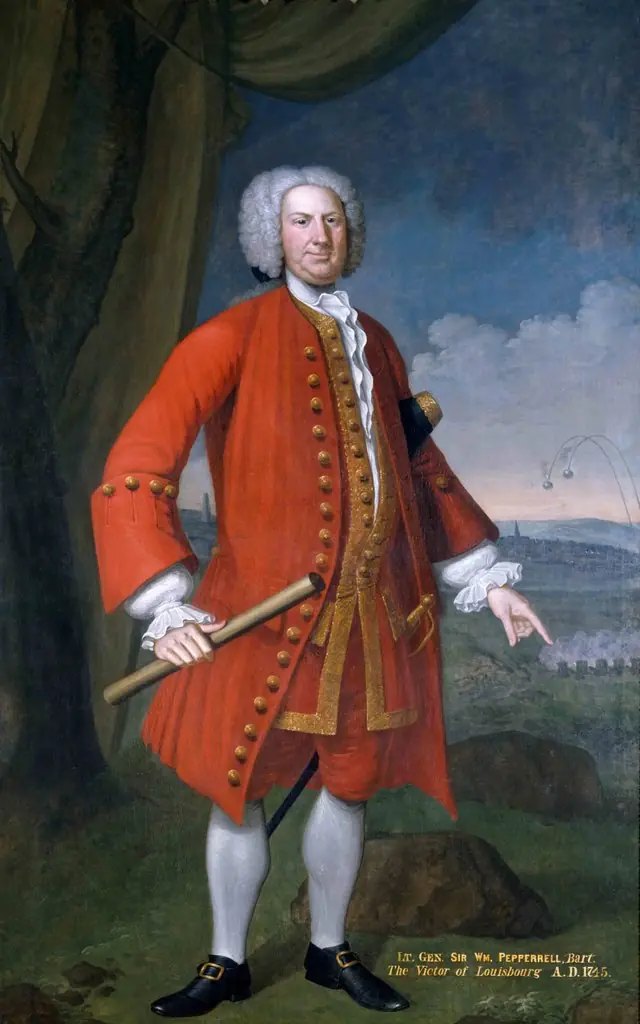 Portrait of William Pepperrell
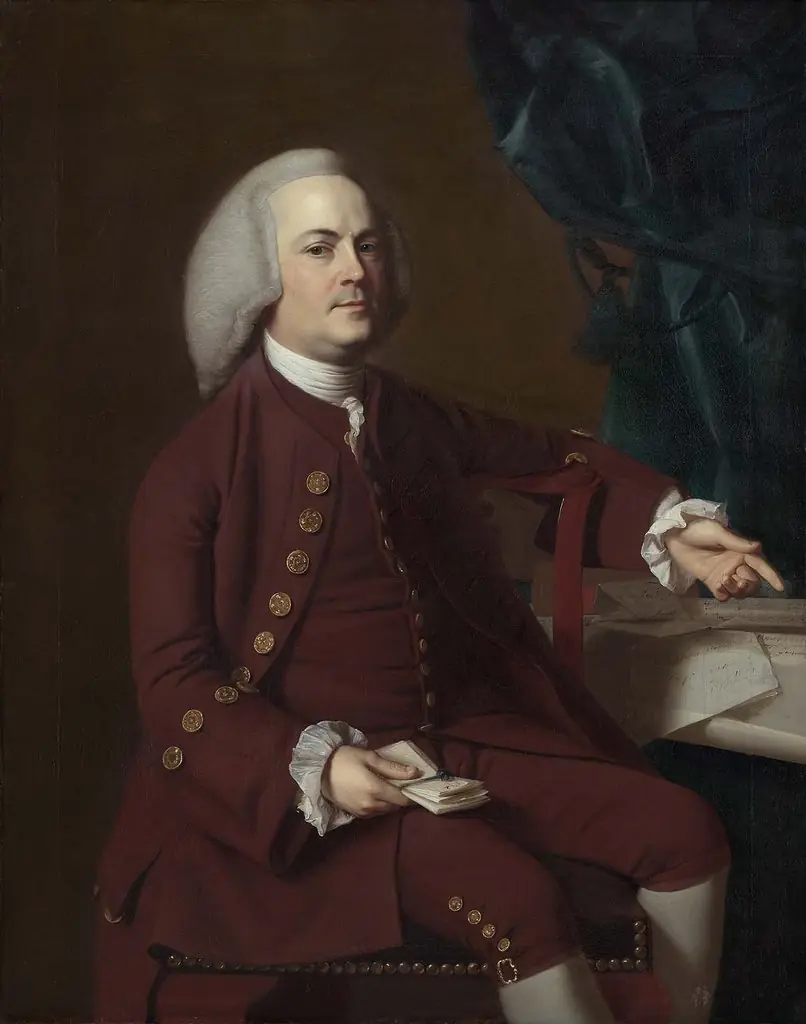 Isaac Royall
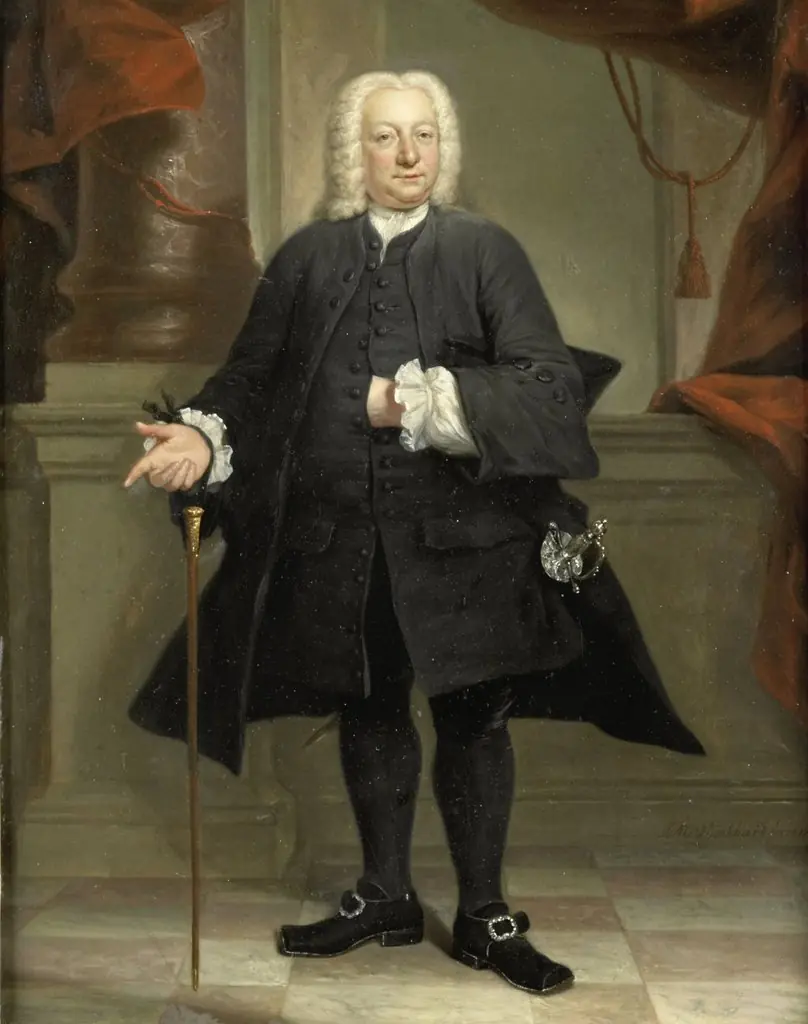 Portrait of a Man