Artwork
Portrait of Jean-Gabriel du Theil at the Signing of the Treaty of Vienna
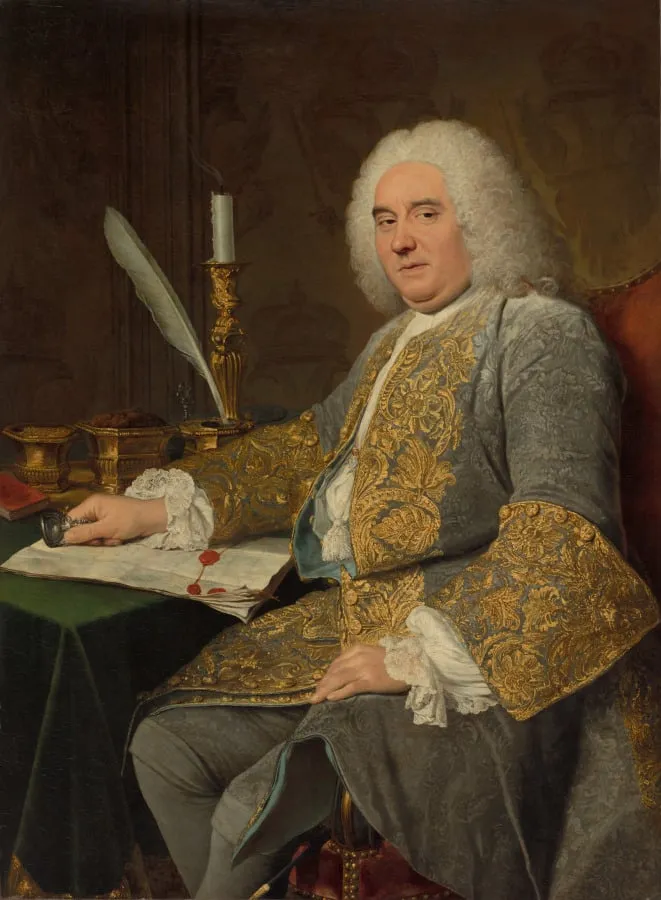
Portrait of Jean-Gabriel du Theil at the Signing of the Treaty of Vienna is an unspecified painting by the Baroque artist Joseph Aved. It dates from 1739 and is held in the collection of the Cleveland Museum of Art.
About this work
This is Jean-Gabriel du Theil, a French diplomat who just helped sign the Treaty of Vienna in 1738.
You see a man in a dark coat sitting at a desk, holding a wax seal and a treaty. A candle smokes beside him, and a fancy silver inkwell gleams under soft light.
This is Jean-Gabriel du Theil, a French diplomat who just helped sign the Treaty of Vienna in 1738. The candle’s smoke tells us the wax is still warm—the deal was sealed moments ago. His relaxed pose hides the weight of the moment.
Look up *France, 18th century* to see more of these quiet, powerful portraits.
Overview
This portrait captures Jean-Gabriel du Theil, French secretary of foreign affairs, immediately after the signing of the 1738 Treaty of Vienna. The scene is quiet but charged with finality: the treaty lies open, the sealing wax still smokes, and his tools of office rest beside him. His demeanor is composed, yet the details around him underscore the gravity of the diplomatic act just completed.
Subject & Meaning
Du Theil is depicted not in ceremonial grandeur but in the aftermath of negotiation, emphasizing his role as a pragmatic statesman. The warm wax seal, the inkwell, and the document are symbols of authority and action. His calm posture masks the political weight of ceding Lorraine to France—a decision that reshaped territorial boundaries and reflected the shifting alliances of early 18th-century Europe.
Technique & Style
The painting employs soft, controlled lighting to highlight the metallic sheen of the inkwell and the texture of the seal. Brushwork is precise yet unobtrusive, focusing attention on the objects and the sitter’s expression. The dark coat contrasts with the pale ribbon of the Order of Saint Lazarus, subtly signaling rank without overt display. The smoke from the candle introduces a transient, almost intimate detail into an otherwise formal composition.
History & Provenance
Commissioned to commemorate du Theil’s role in the Treaty of Vienna, the portrait likely originated in his personal collection. It remained within French aristocratic or governmental circles until entering a public collection in the 19th century. Its survival reflects the enduring interest in documenting the bureaucratic figures who shaped diplomatic outcomes during the ancien régime.
Context
The Treaty of Vienna ended the War of the Polish Succession and redistributed territories among European powers. Du Theil’s involvement placed him at the center of a complex negotiation involving France, Austria, Spain, and Sardinia. Portraits like this were not merely personal mementos but political instruments, reinforcing the legitimacy of state actions through the dignity of their agents.
Legacy
The portrait stands as a quiet testament to the rise of bureaucratic portraiture in 18th-century France—where authority was conveyed not through martial imagery but through the tools and moments of governance. It reflects a shift in how power was visualized: not in triumph, but in the stillness after decision, where the weight of statecraft rested in the hands of a single diplomat.
Artist & collection
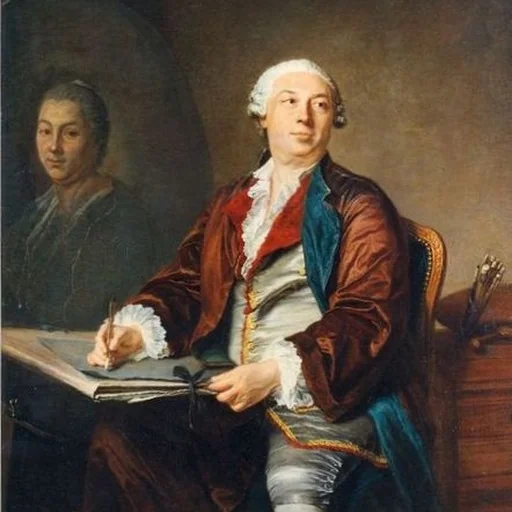
Artist
Jacques-André-Joseph Aved (12 January 1702 – 4 March 1766), also called le Camelot (The Hawker) and Avet le Batave (The Dutch Avet), was a French painter, renowned among the main Rococo portraitists in Paris during King Louis XV's reign.

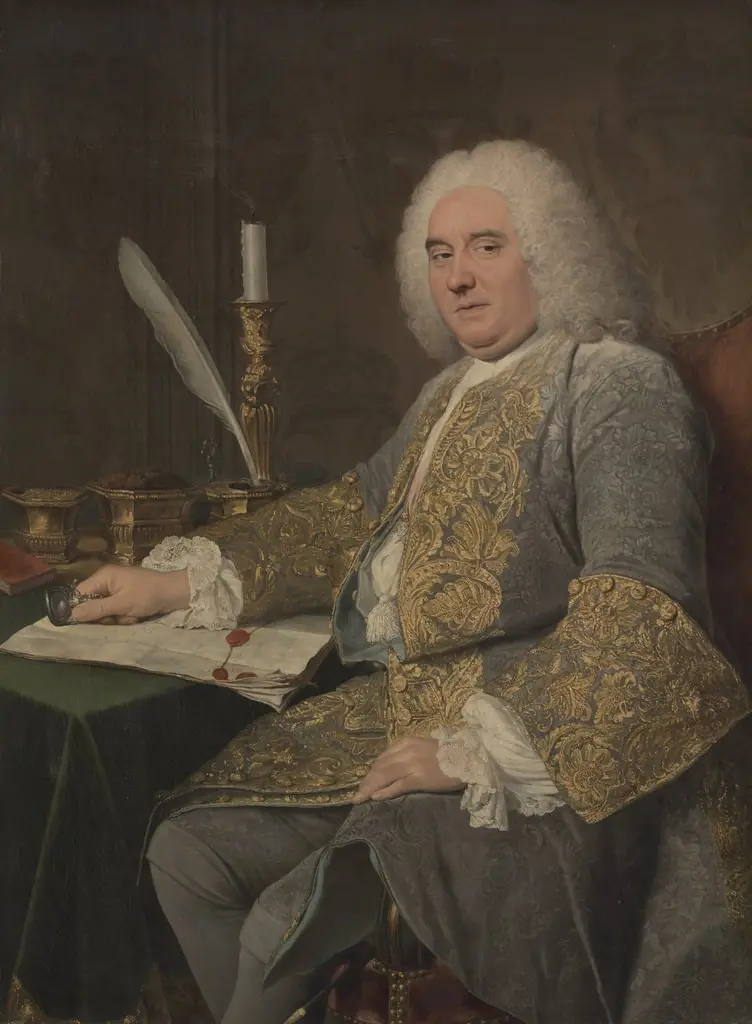 Portrait of Jean-Gabriel du Theil at the Signing of the Treaty of Vienna
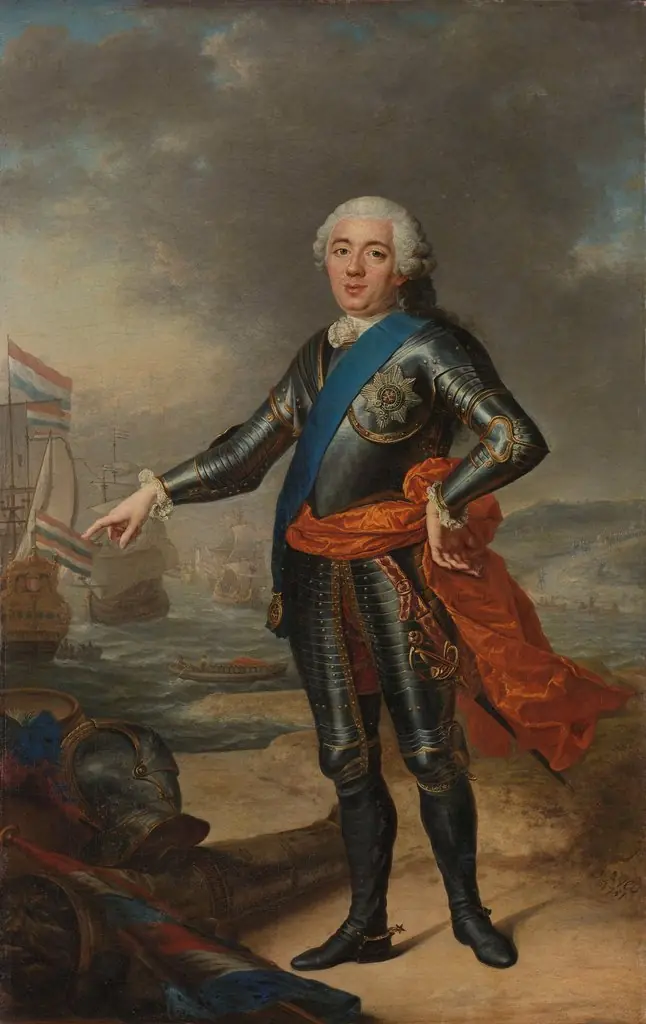 Portrait of William IV (1711–1751), Prince of Orange
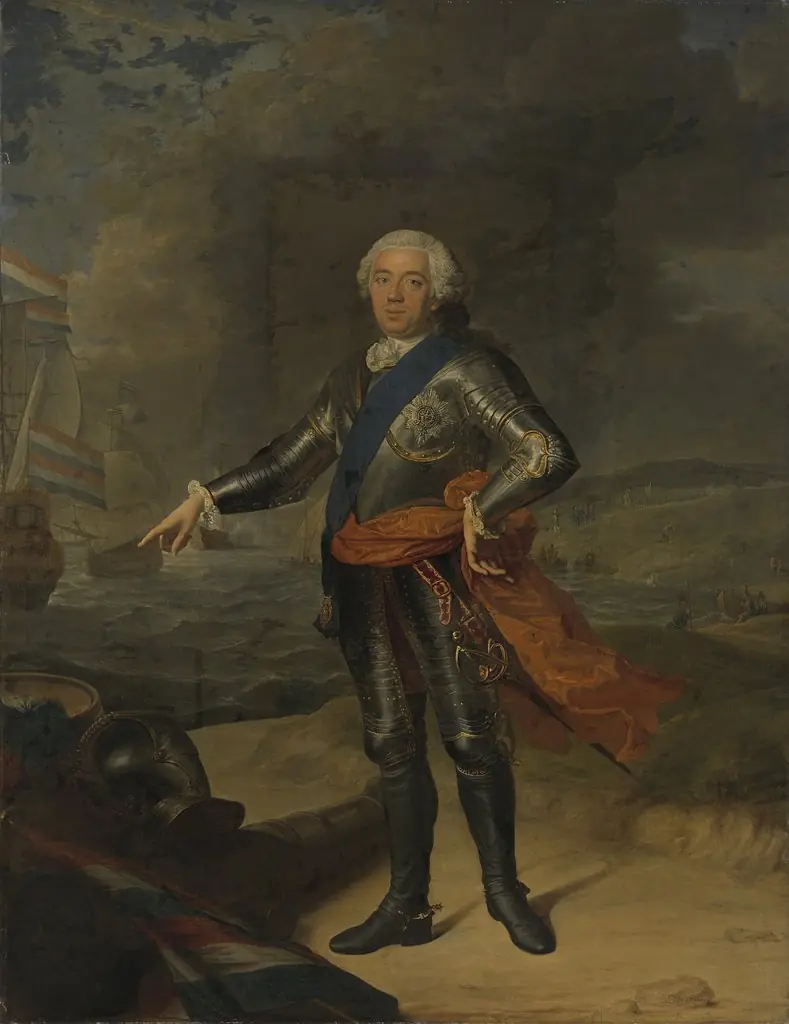 Willem IV (1711-1751), prince of Orange-Nassau
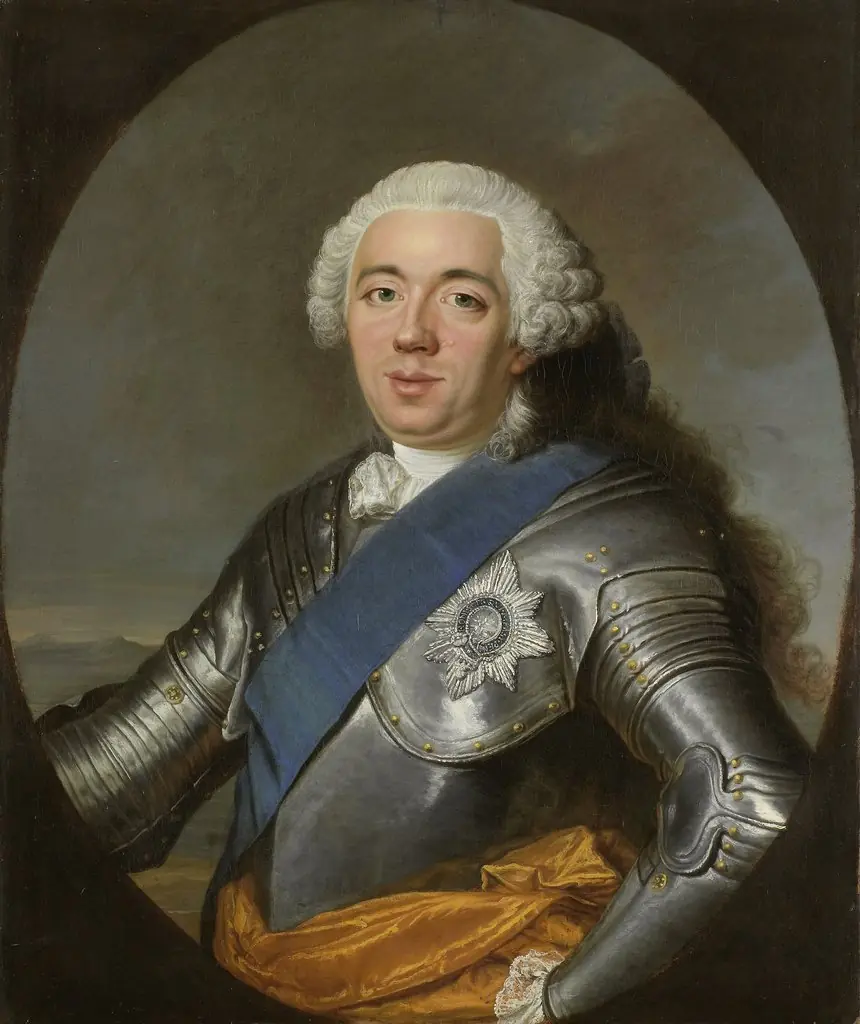 Willem IV, prince of Orange-Nassau
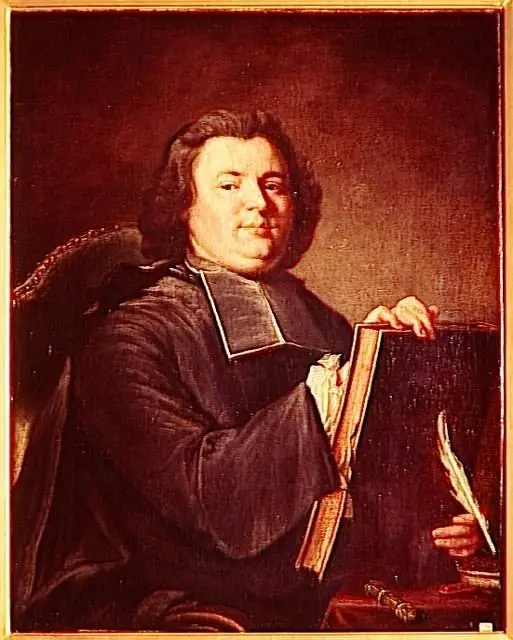 Portrait d'abbé Nicolas-Sylvestre Bergier
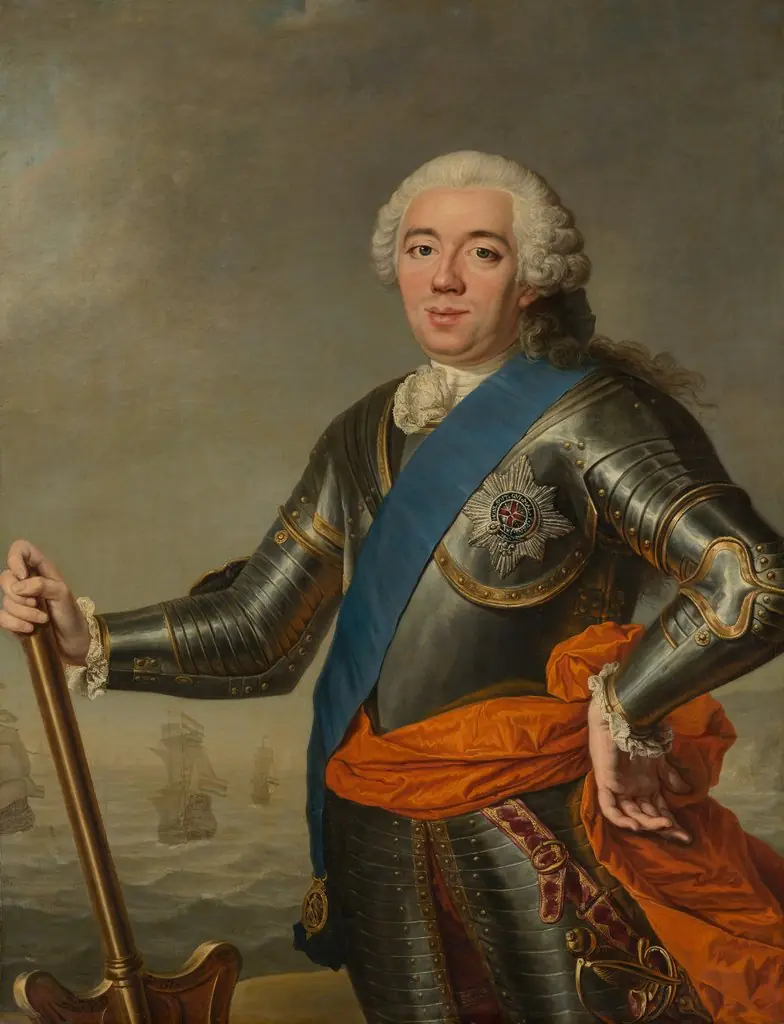 Posthumous Portrait of William IV (1711-1751)
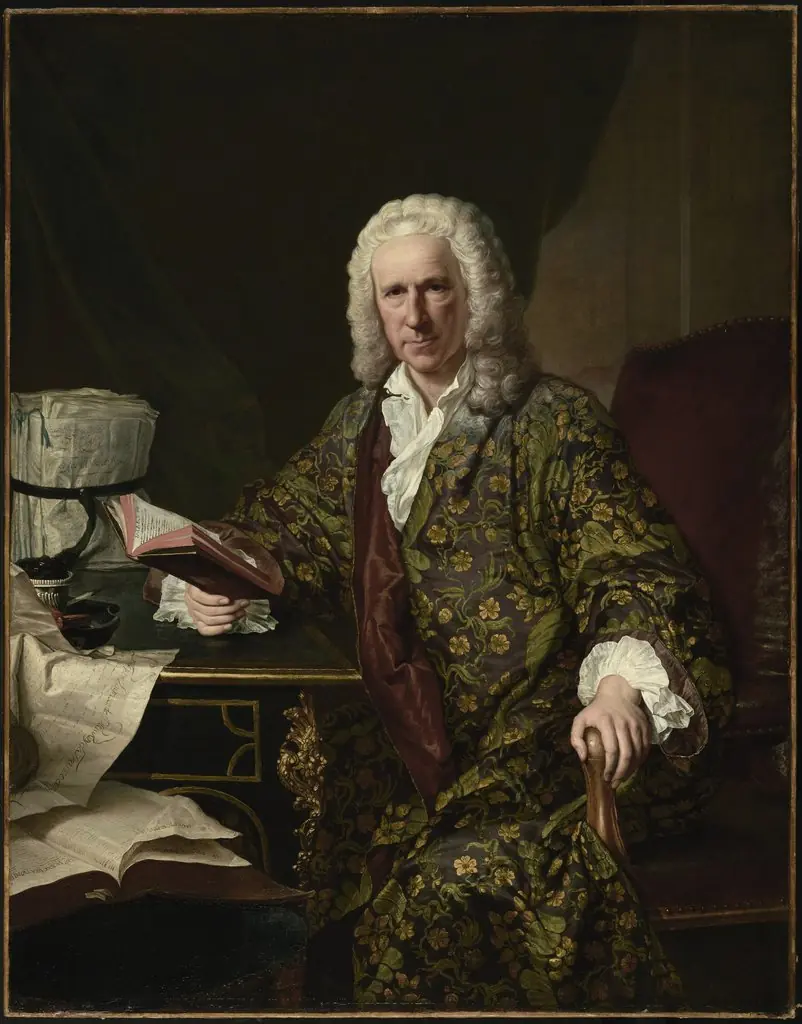 Portrait of Marc de Villiers
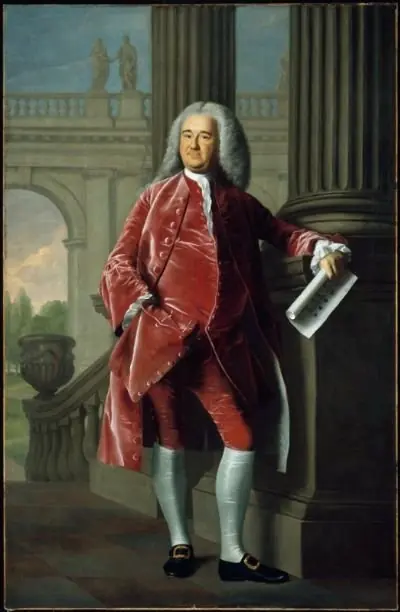 Nathaniel Sparhawk
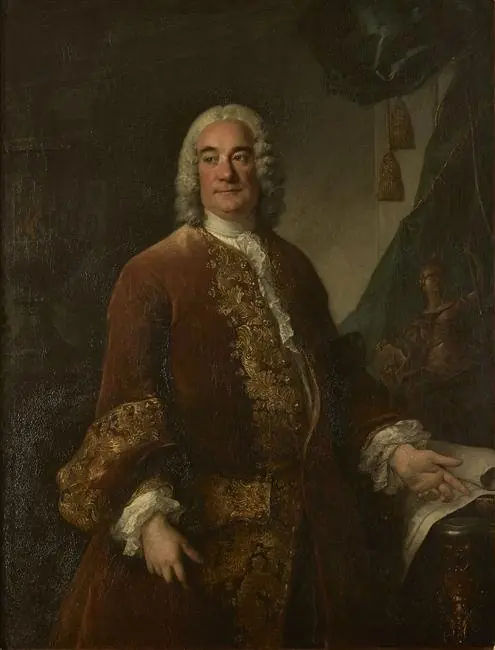 Portrait of Charles François Paul Le Normant de Tournehem (1684-1751)
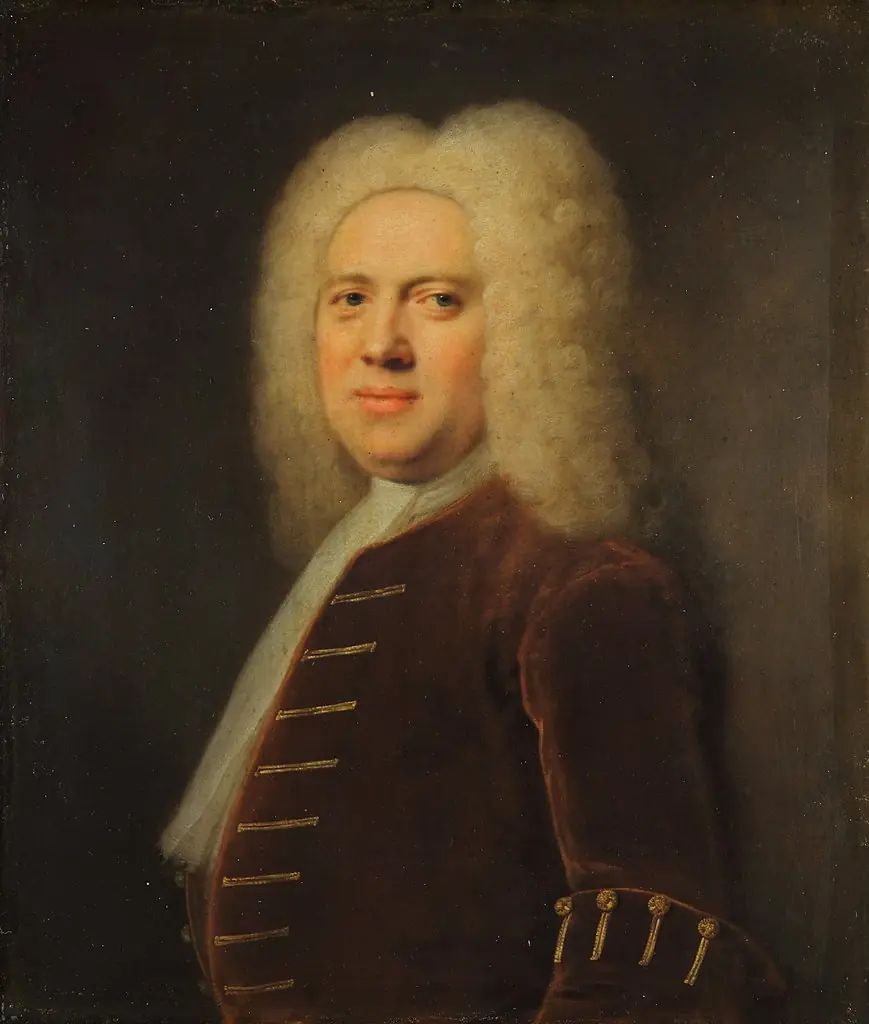 Self-Portrait
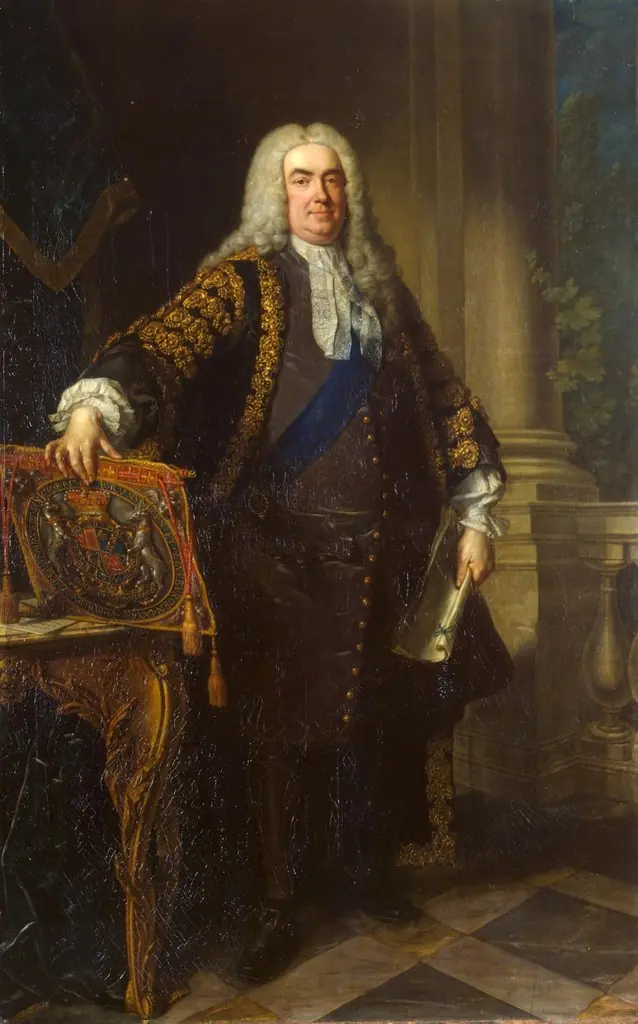 Portrait of Sir Robert Walpole
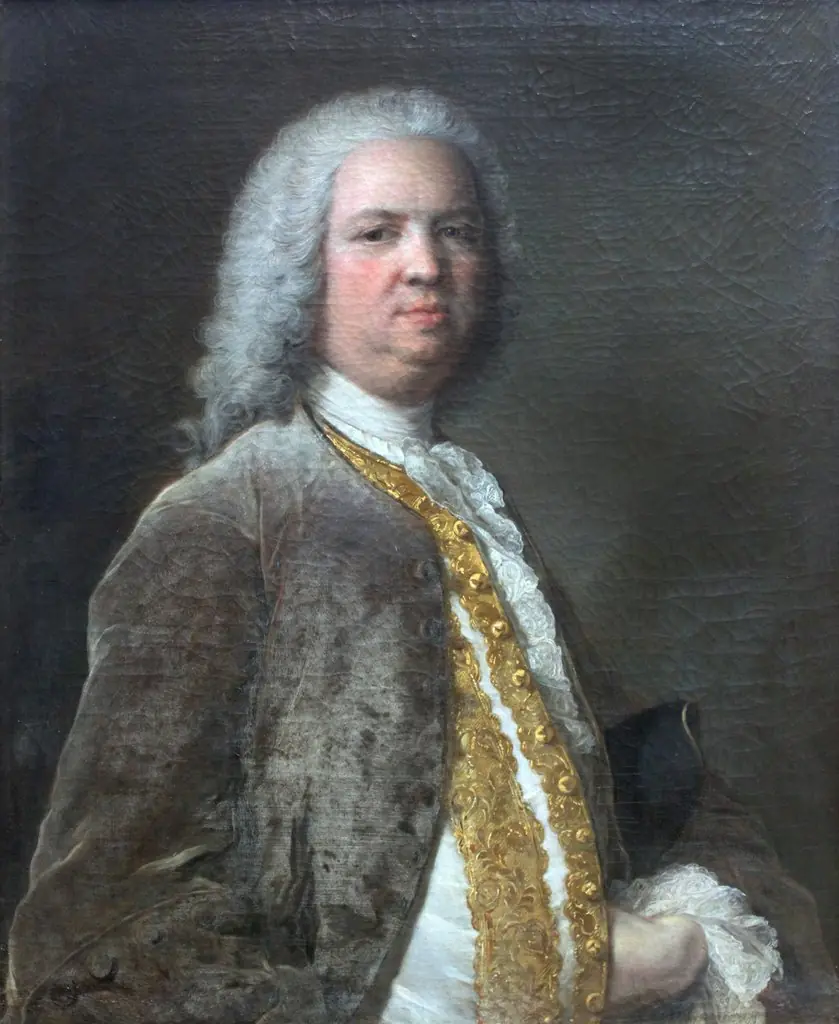 Portrait of the Frankfurt banker Johann Georg Leerse
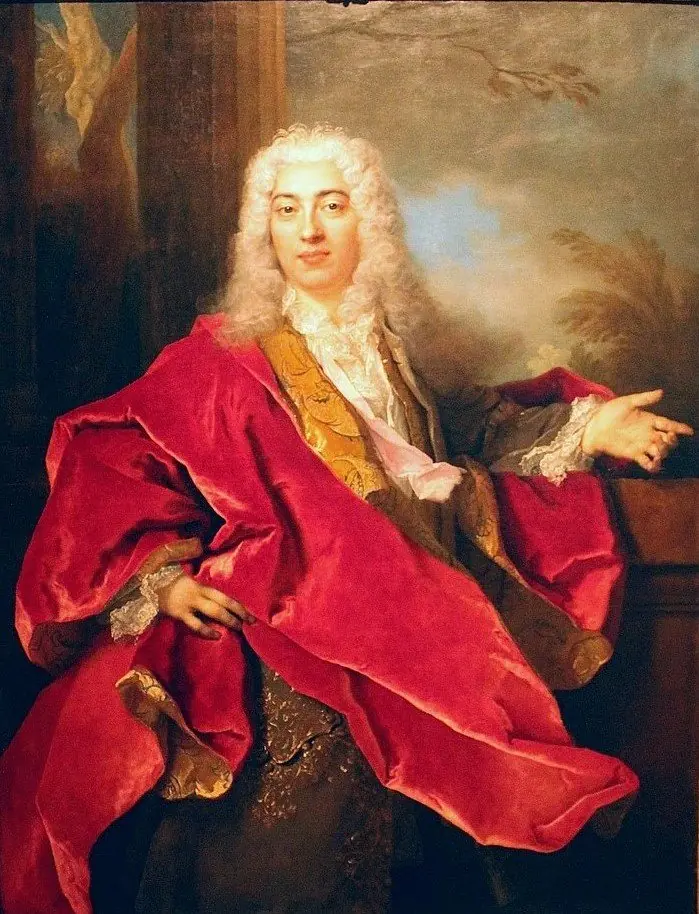 Portrait of Monsieur de Noirmont
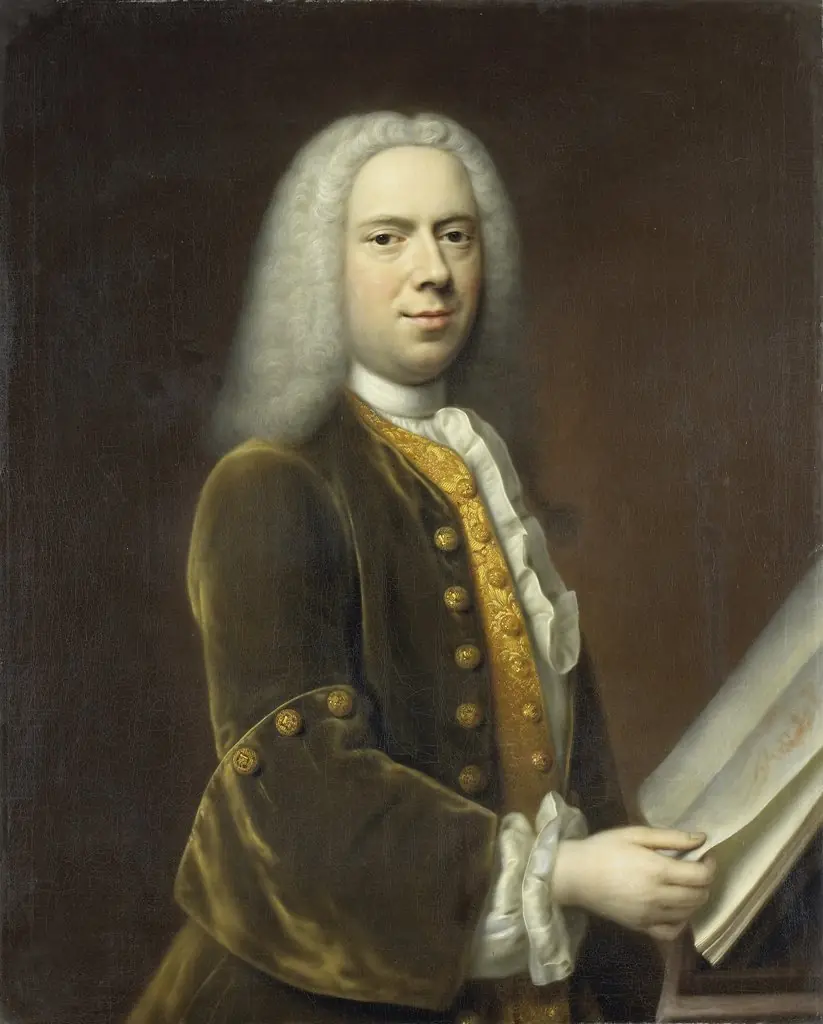 Portrait of a Man, probably Cornelis Troost
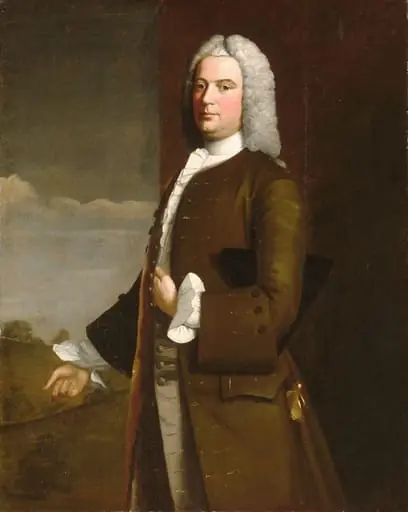 Tench Francis
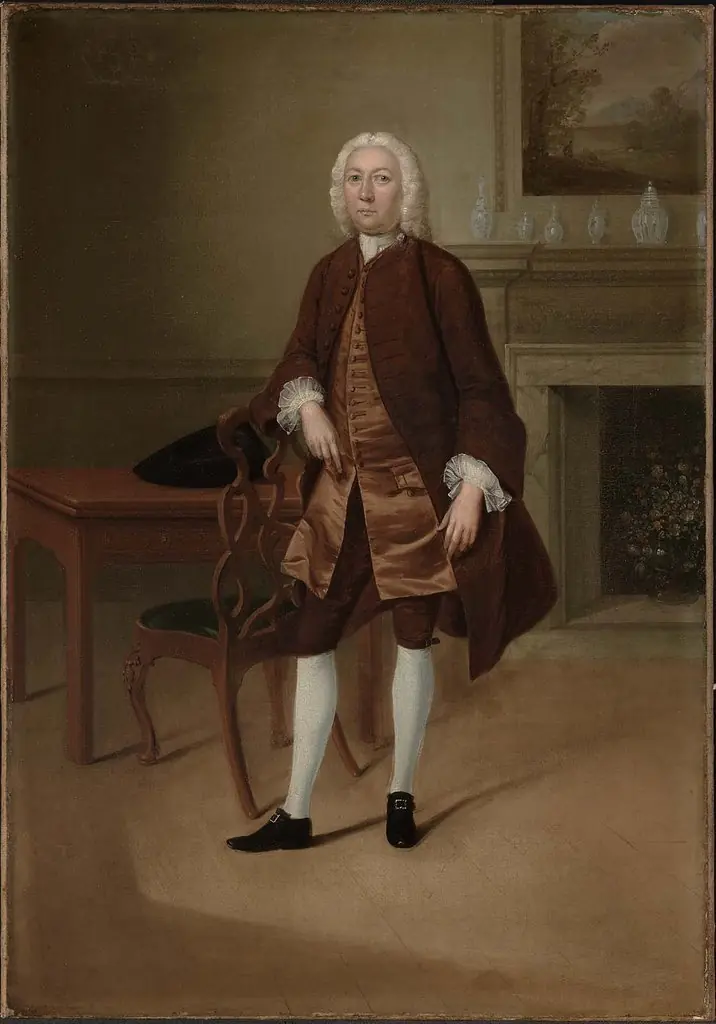 Portrait of a Man Standing Beside a Table
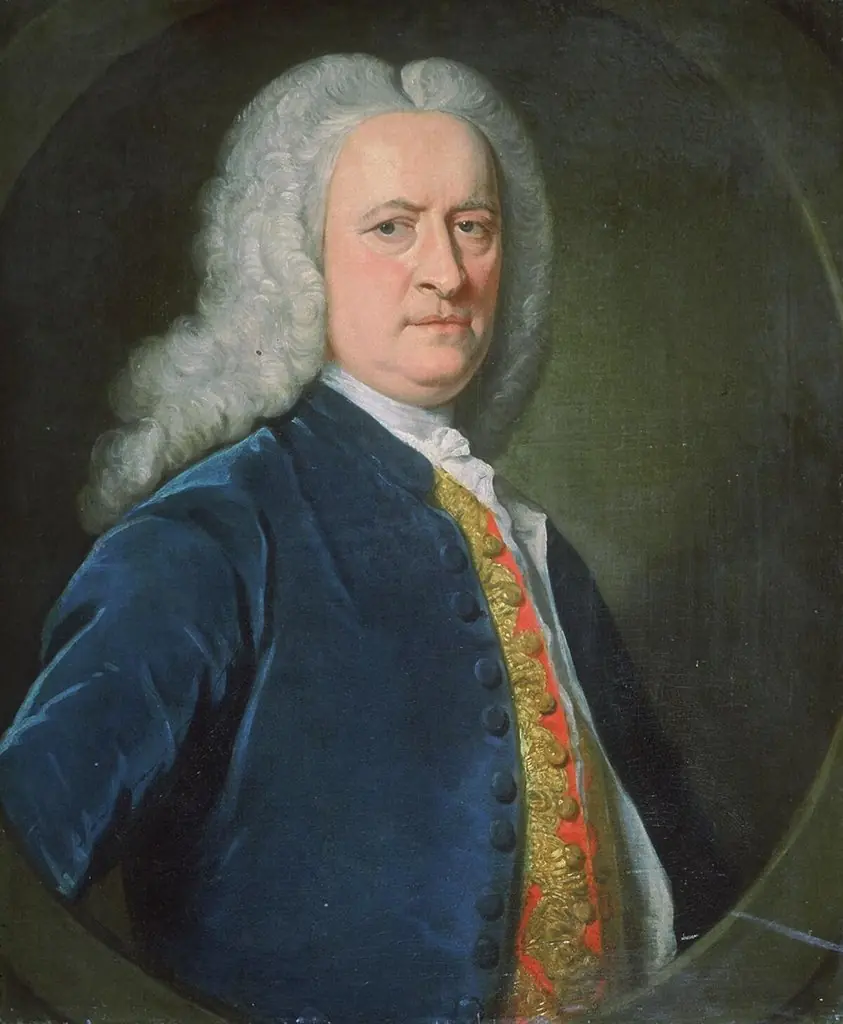 Portrait of a man
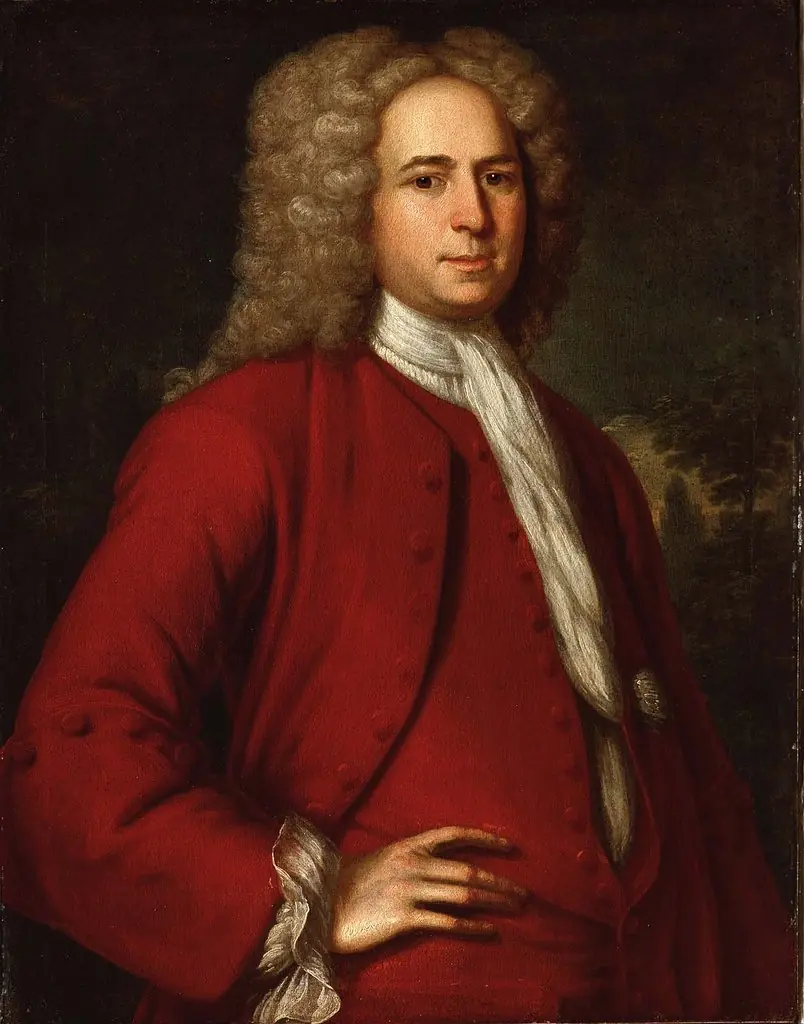 William Dudley