Artwork
Baron Gustaf Adam von Nolcken
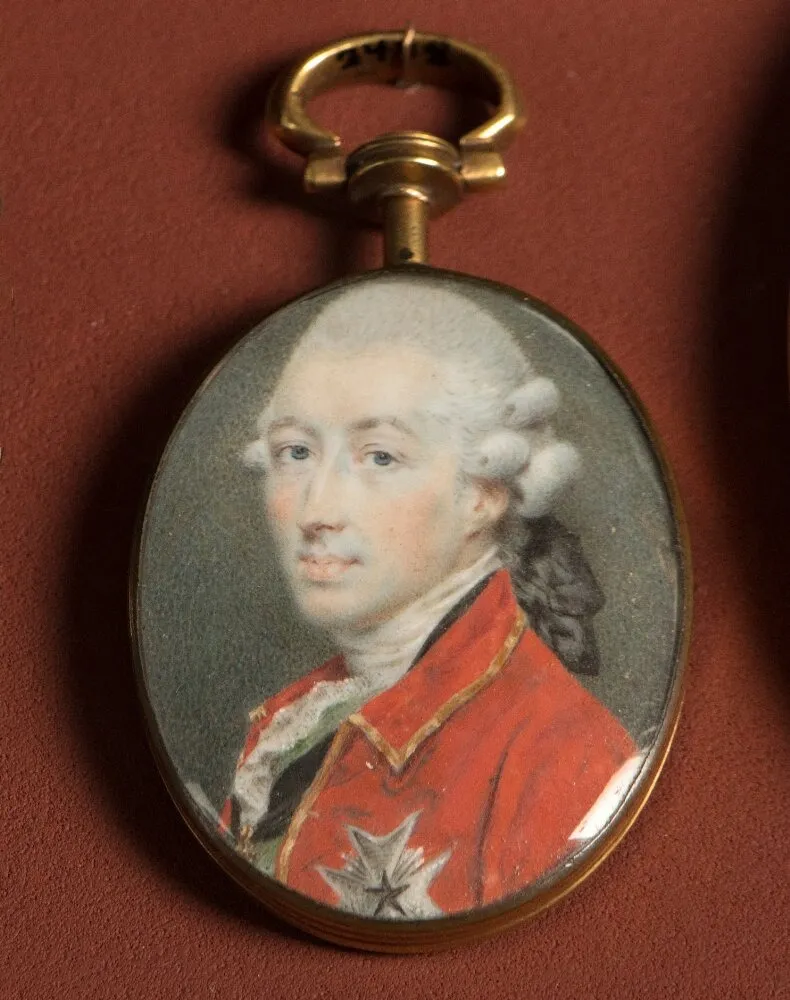
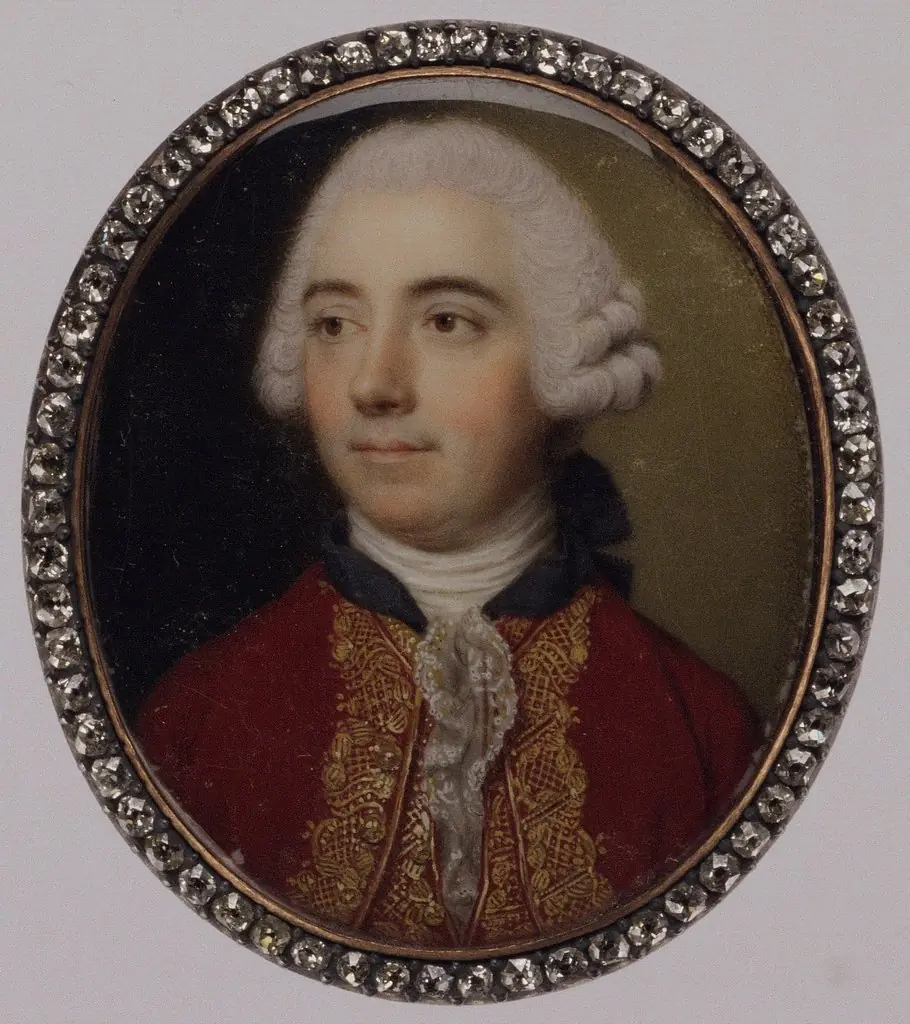
Baron Gustaf Adam von Nolcken is a watercolor painting by the Rococo painting artist John Smart. It dates from 1775 and is held in the collection of the Nationalmuseum.
About this work
Overview
This small portrait, painted in 1775 on a thin sheet of ivory, depicts Baron Gustaf Adam von Nolcken, a Swedish nobleman. Created by the English artist John Smart, it exemplifies the precision and intimacy characteristic of 18th-century portrait miniatures. The work is part of the Nationalmuseum’s collection in Stockholm, where it remains a key example of elite portraiture from the period.
Subject & Meaning
The baron is portrayed in a military-style coat adorned with gold trim and a star emblem, signaling his rank and service.
The baron is portrayed in a military-style coat adorned with gold trim and a star emblem, signaling his rank and service. His white hair, neatly tied in a ponytail, and crisp white cravat reflect contemporary aristocratic fashion. The direct gaze and composed expression convey dignity and self-possession, aligning with ideals of noble identity in the late Enlightenment era, where personal presence was as significant as lineage.
Technique & Style
Smart employed fine brushwork on ivory, a surface prized for its smooth, luminous quality that enhanced skin tones and subtle gradations. The folds of the coat, the texture of the cravat, and the soft modeling of the face demonstrate meticulous attention to detail. The dark grey background isolates the figure, focusing attention on the subject’s form and attire, a common compositional choice in portrait miniatures of the time.
History & Provenance
The portrait was completed in 1775 during Smart’s active years as a miniaturist in England. It likely entered the Nationalmuseum’s collection through diplomatic or familial channels, given the baron’s Swedish status and Smart’s international clientele. Its preservation in a public institution underscores its value as a document of aristocratic representation and artistic craftsmanship from the period.
Context
Portrait miniatures on ivory flourished in Europe during the 18th century, serving as personal mementos or diplomatic gifts among the elite. Smart, alongside contemporaries like Richard Cosway, elevated the form with technical refinement. This work reflects the transnational nature of aristocratic culture, where Swedish nobility commissioned English artists to capture their likeness in a style associated with British artistic prestige.
Legacy
The portrait stands as a testament to the skill required in miniature painting, where scale did not diminish complexity. It remains a reference point for understanding how personal identity was visually constructed in the pre-photographic era. While not widely exhibited, its presence in the Nationalmuseum ensures its continued study as an artifact of both artistic technique and social history.
Artist & collection
Artist
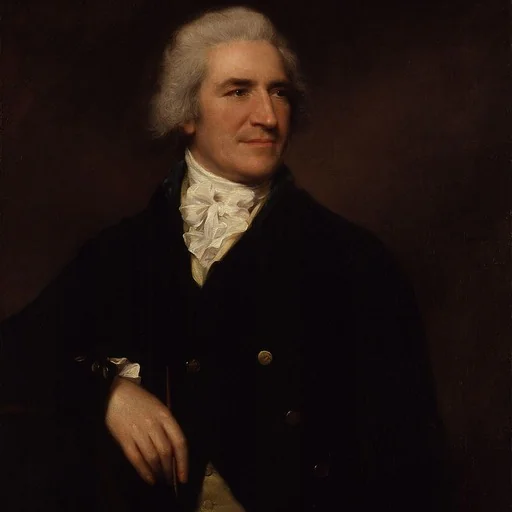
John Smart (1 May 1741 – 1 May 1811) was an English painter who specialised in portrait miniatures. He was a contemporary of Richard Cosway, George Engleheart, William Wood and Richard Crosse.

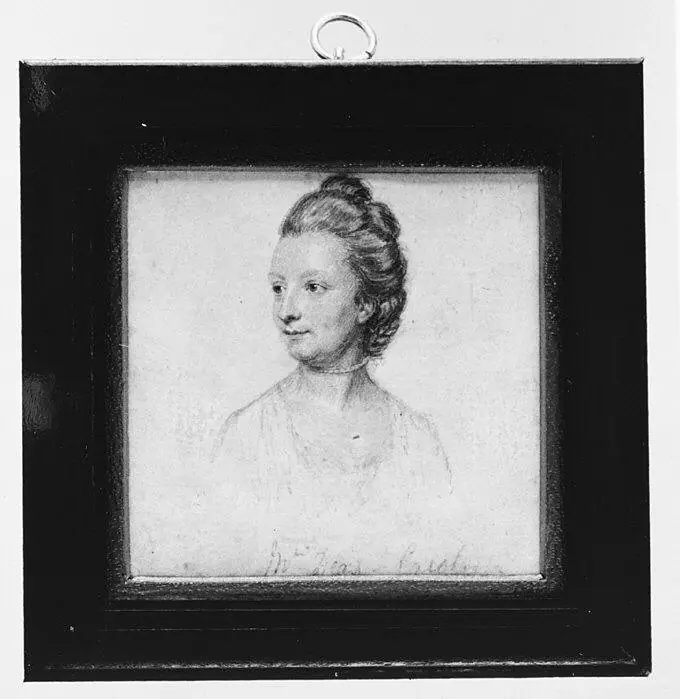
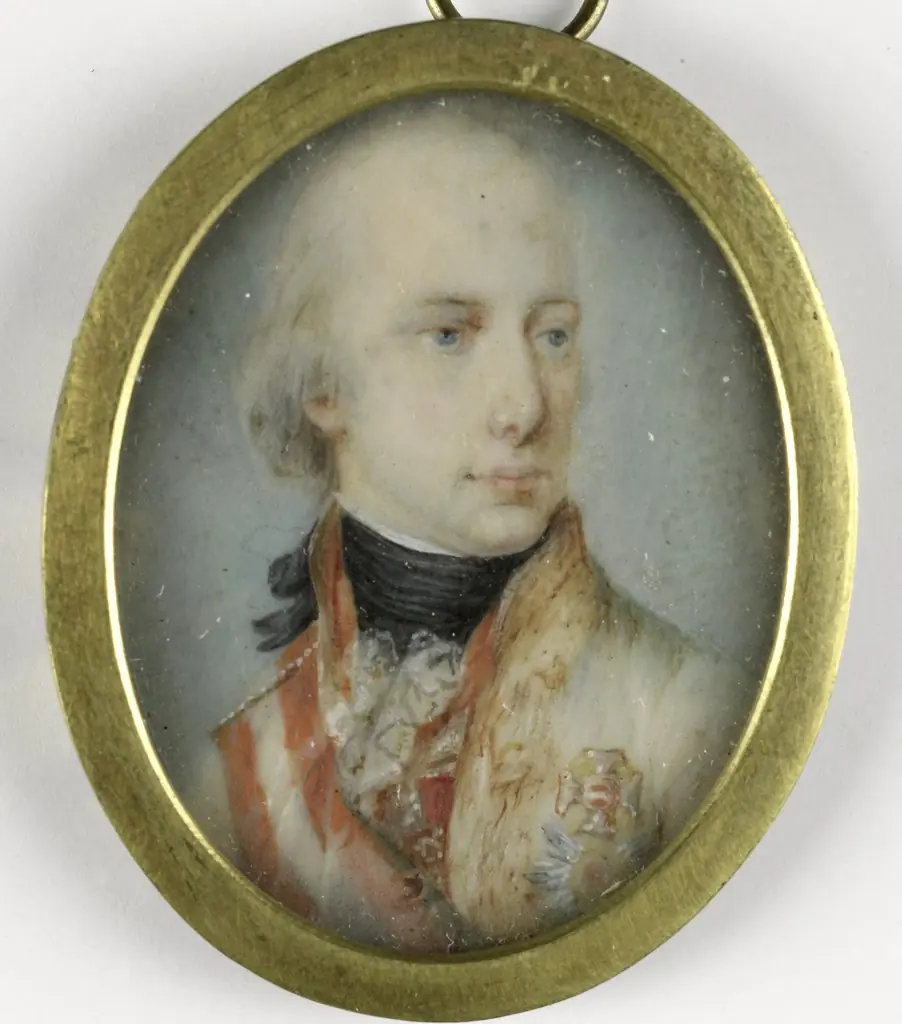 Portrait of Frans I van Habsburg (1768-1835), emperor of Austria
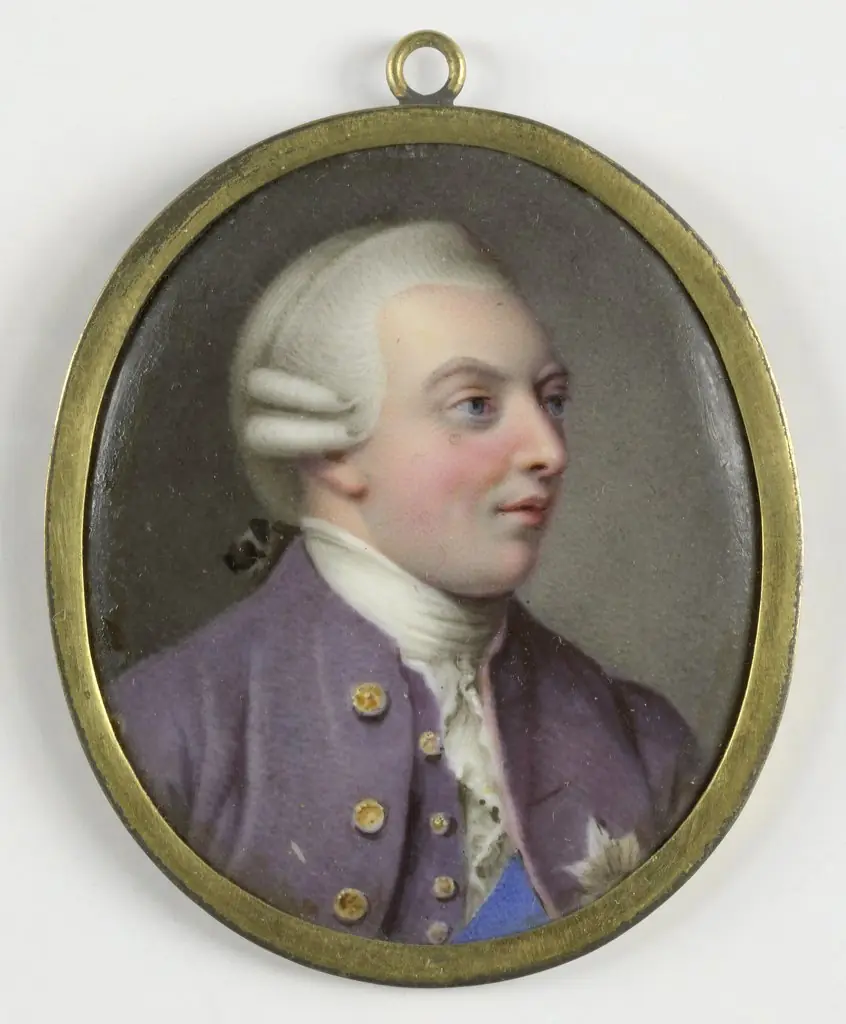 George III (1738-1820), koning van Engeland
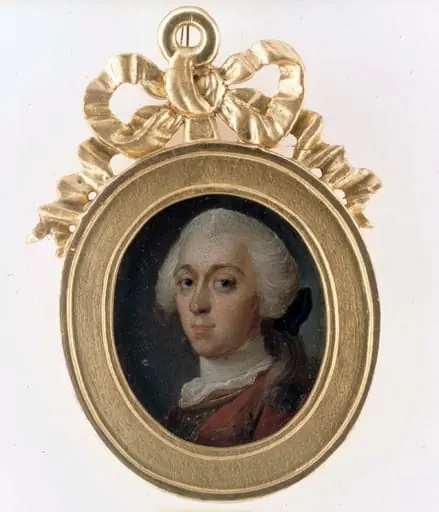 Valtaneuvos Clas Ekeblad
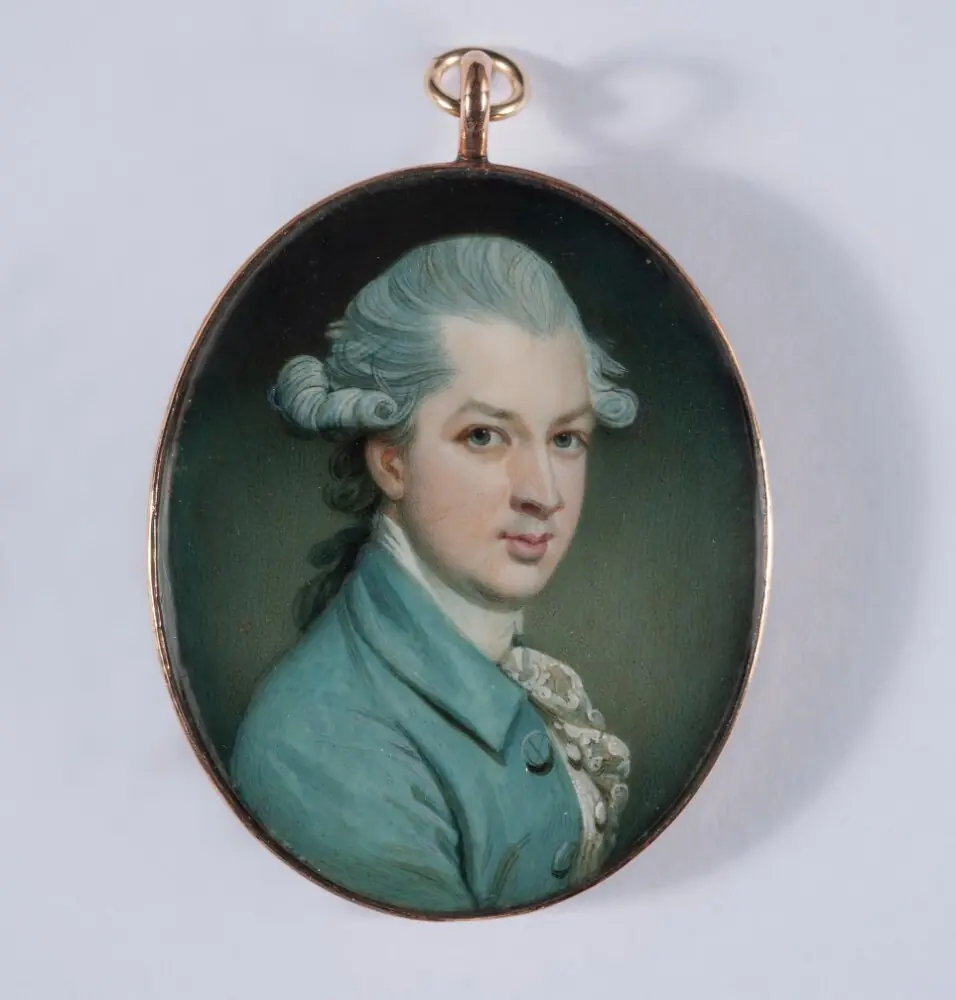 Self-Portrait
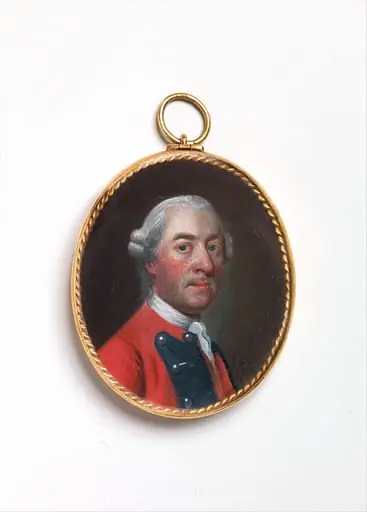 John St. Clair
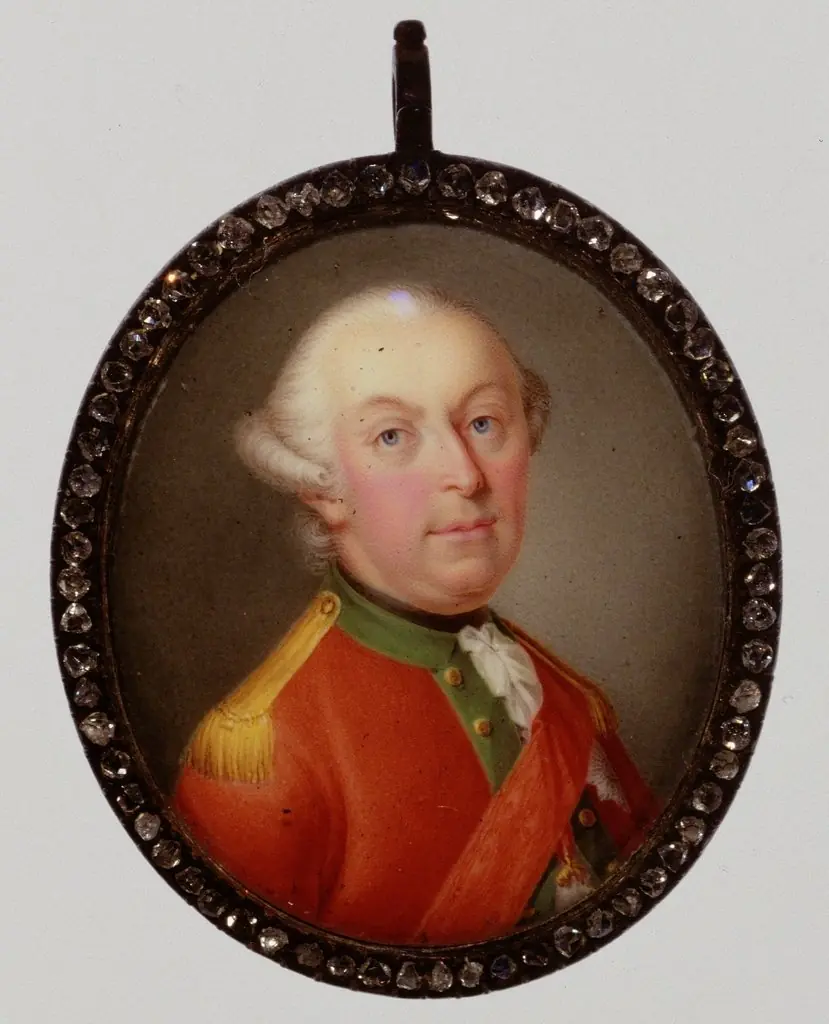 Joseph II (1741–1790), Emperor of Austria
 Portret van een man
 An Unknown French Officer
 Portrait of Willem V van Oranje- Nassau (1748-1806)
 Porträtt av en man i cremefärgad jacka
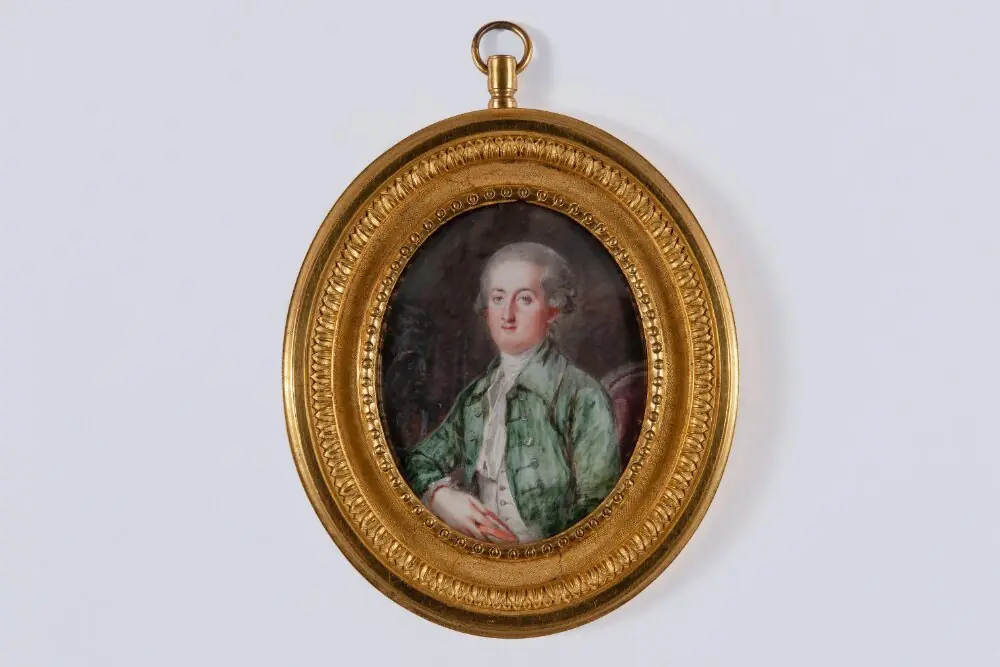 Portrait Presumed to be René Louis de Girardin (1735–1808), Marquis, Writer and Gardening Lord
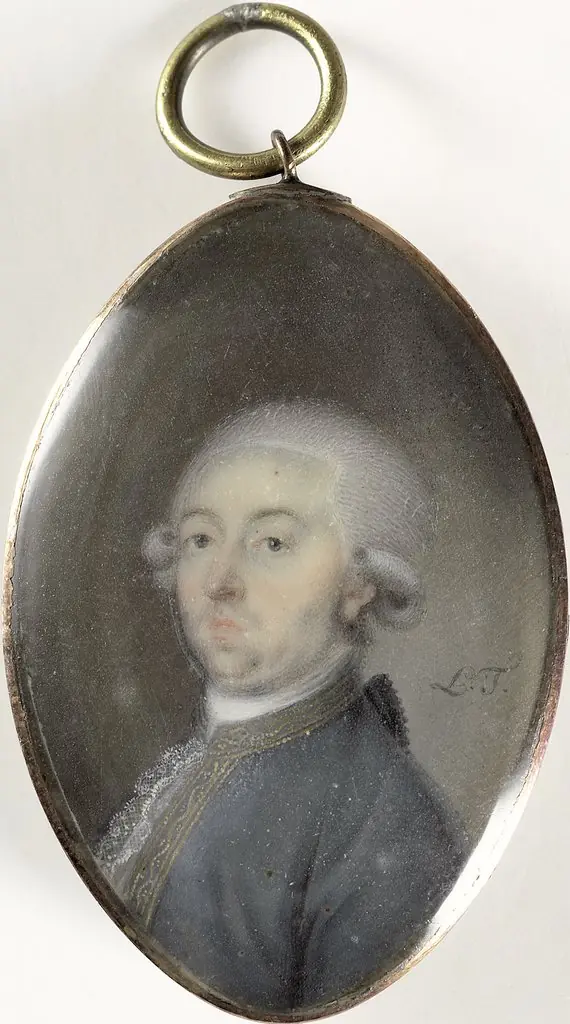 Portrait of Roedolph van Olden (1752-1828)