Artwork
Governor Lewis Morris
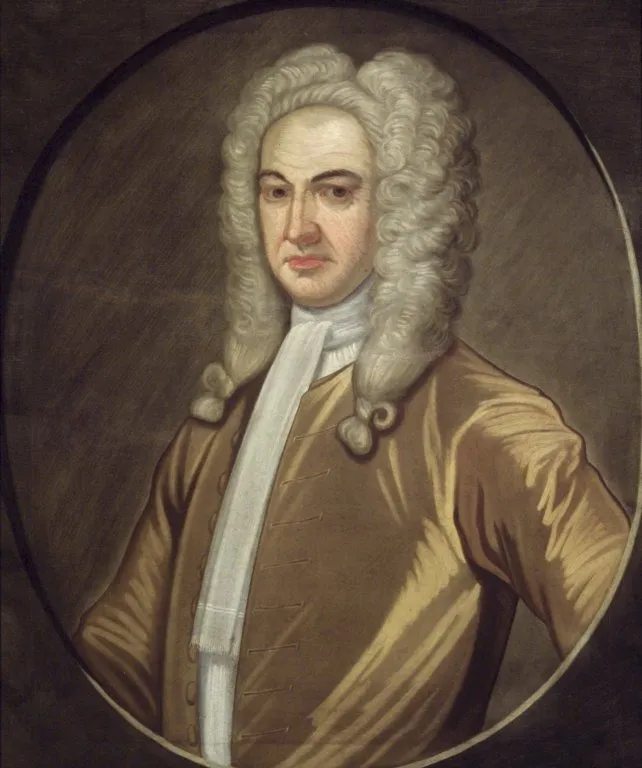
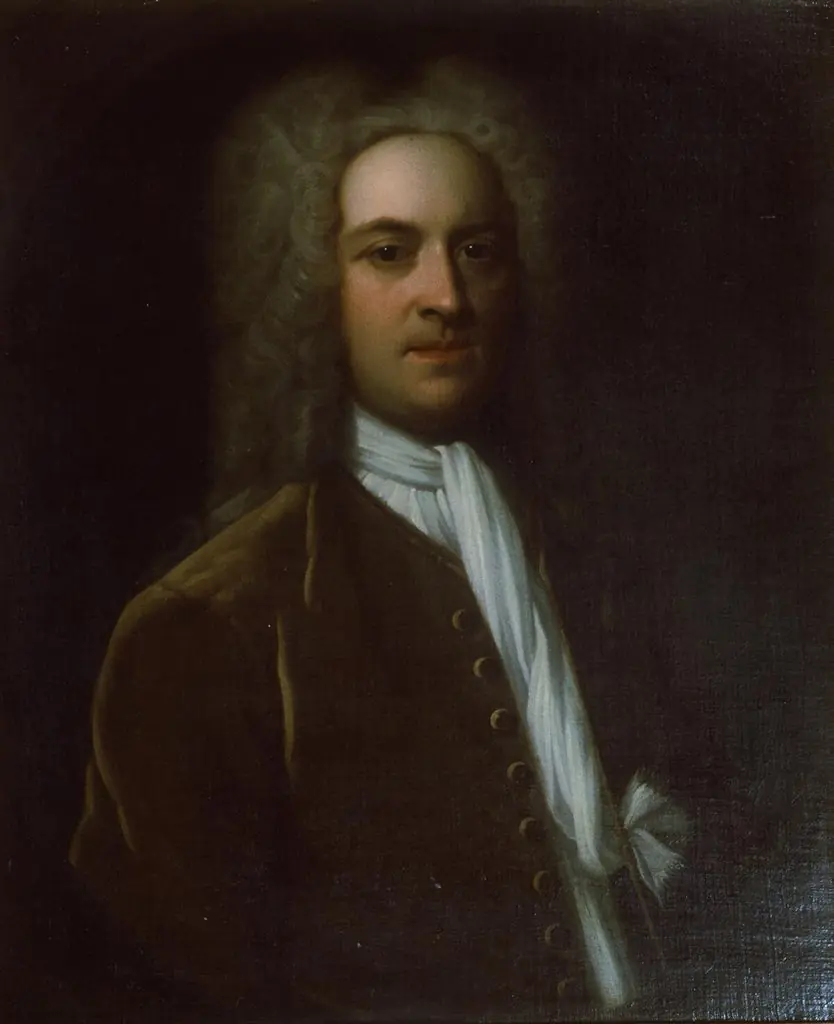
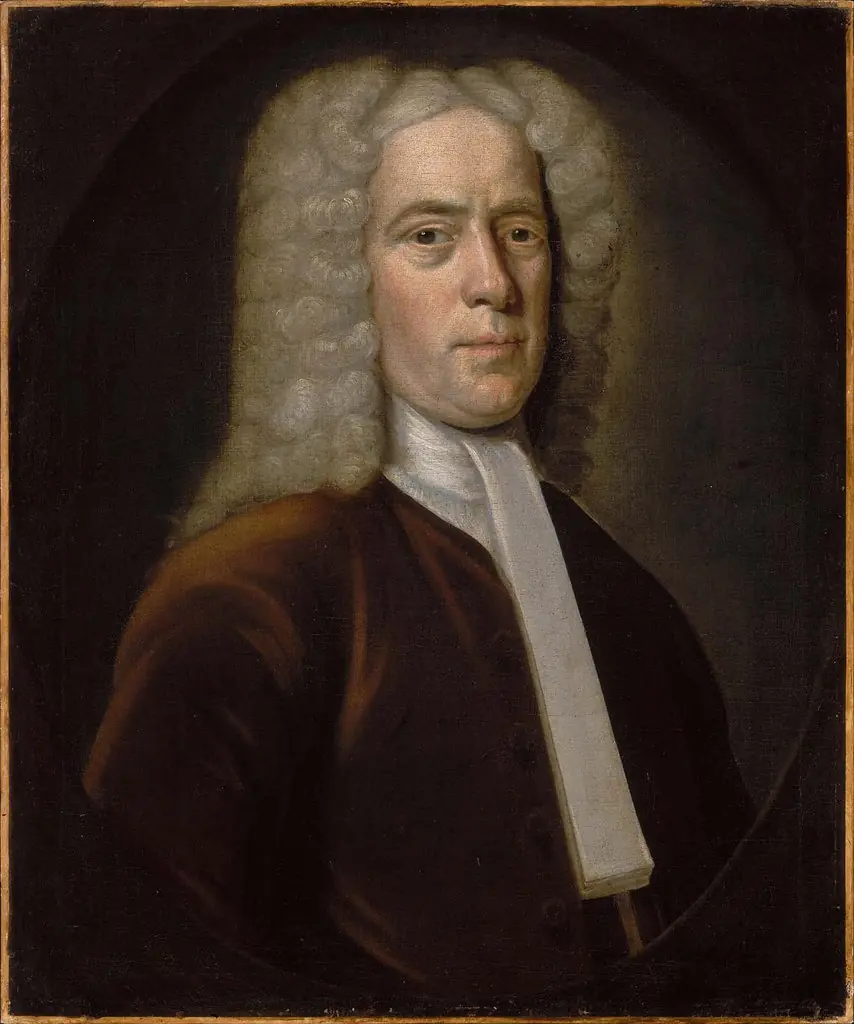
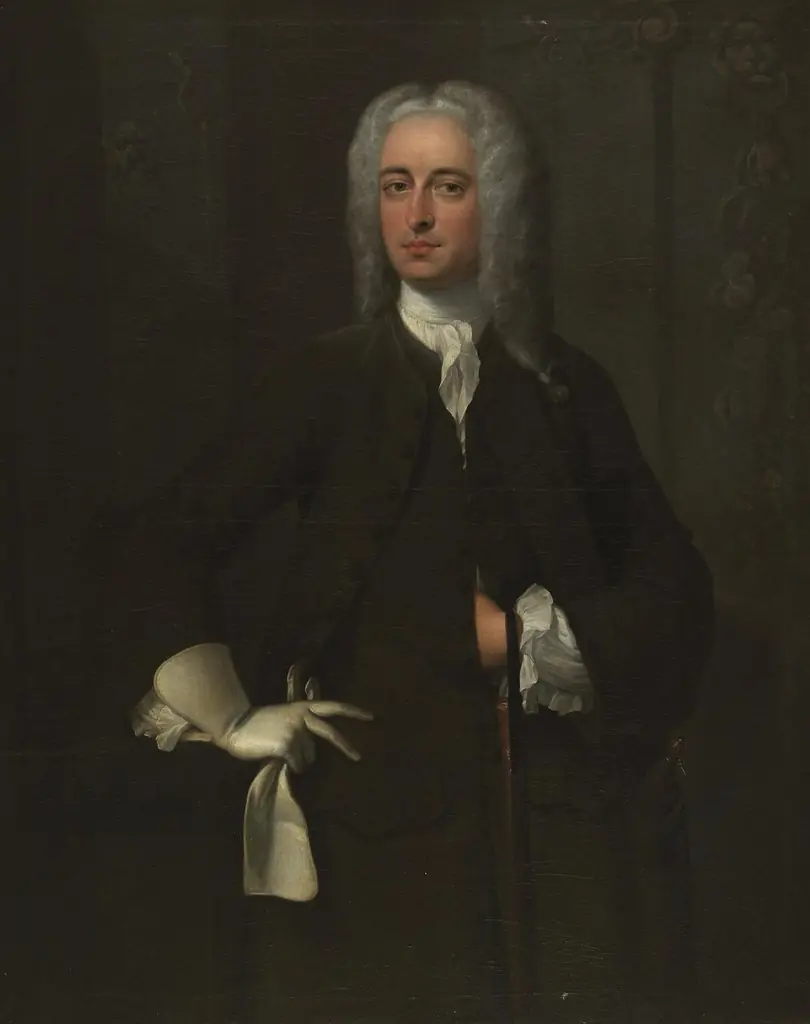
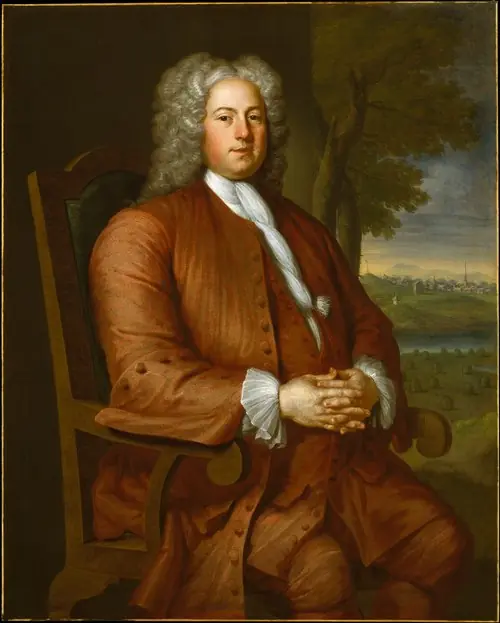
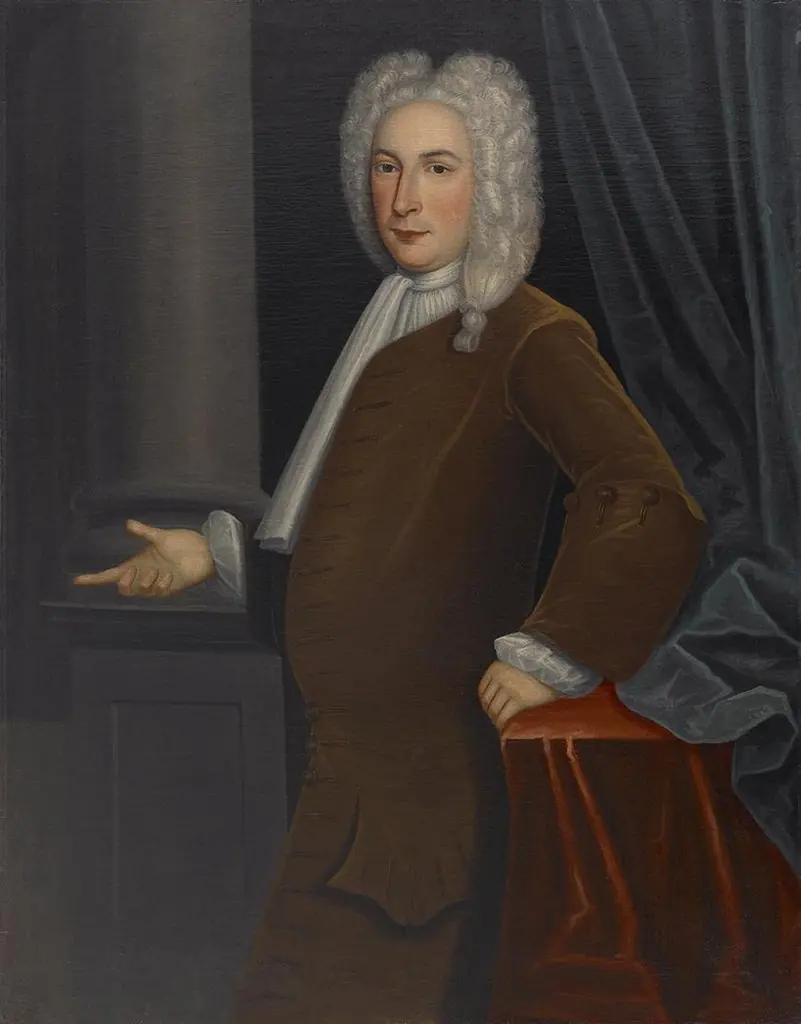
Governor Lewis Morris is an oil painting by the Rococo painting artist John Watson. It dates from 1726 and is held in the collection of the Brooklyn Museum.
About this work
Overview
Painted in 1726 by John Watson, this oil portrait captures Lewis Morris, a colonial administrator and landowner. The work is part of the Brooklyn Museum’s collection and exemplifies early 18th-century American portraiture. Its composition emphasizes the sitter’s authority through formal posture and controlled lighting, reflecting the era’s conventions for depicting civic leadership.
Subject & Meaning
Lewis Morris, depicted in his later years, presents a composed and solemn demeanor, typical of portraits meant to convey dignity and social standing. His white wig and formal attire signal his status within colonial society. The direct gaze and hand resting on the hip suggest quiet confidence, reinforcing his role as a figure of governance and influence in New York’s colonial elite.
Technique & Style
Watson employs chiaroscuro to model the sitter’s face and clothing, using sharp contrasts between light and shadow to create volume and texture. The dark, unadorned background isolates the figure, focusing attention on his features and attire. Brushwork is precise but not overly ornate, favoring clarity and realism over decorative flourish, consistent with provincial portraiture of the period.
History & Provenance
The painting’s survival offers insight into the material culture of colonial elites and their investment in visual representation as a marker of legacy.
The portrait was commissioned during Morris’s tenure as a colonial official and remained in family hands for generations before entering the Brooklyn Museum’s collection. Its preservation reflects the enduring interest in early American political figures. The painting’s survival offers insight into the material culture of colonial elites and their investment in visual representation as a marker of legacy.
Context
In the 1720s, colonial governors like Morris were often portrayed to assert legitimacy and social rank in a society still developing its own artistic traditions. British portraiture influenced American artists, but local painters like Watson adapted these styles with limited resources. This work reflects the intersection of European conventions and colonial identity, where image-making served both personal and political ends.
Legacy
As one of the few surviving portraits of Lewis Morris, the painting contributes to the historical record of New York’s colonial leadership. It remains a reference for scholars studying early American portraiture and the visual language of power. Its presence in a public museum ensures continued access, allowing contemporary viewers to engage with the aesthetics and values of the colonial elite.
Artist & collection
Artist
John Watson always painted his sitters with a straight face, even when the sitter was a wigged colonial governor who’d just lost a fight with his own teeth.