Artwork
Edmund Halley
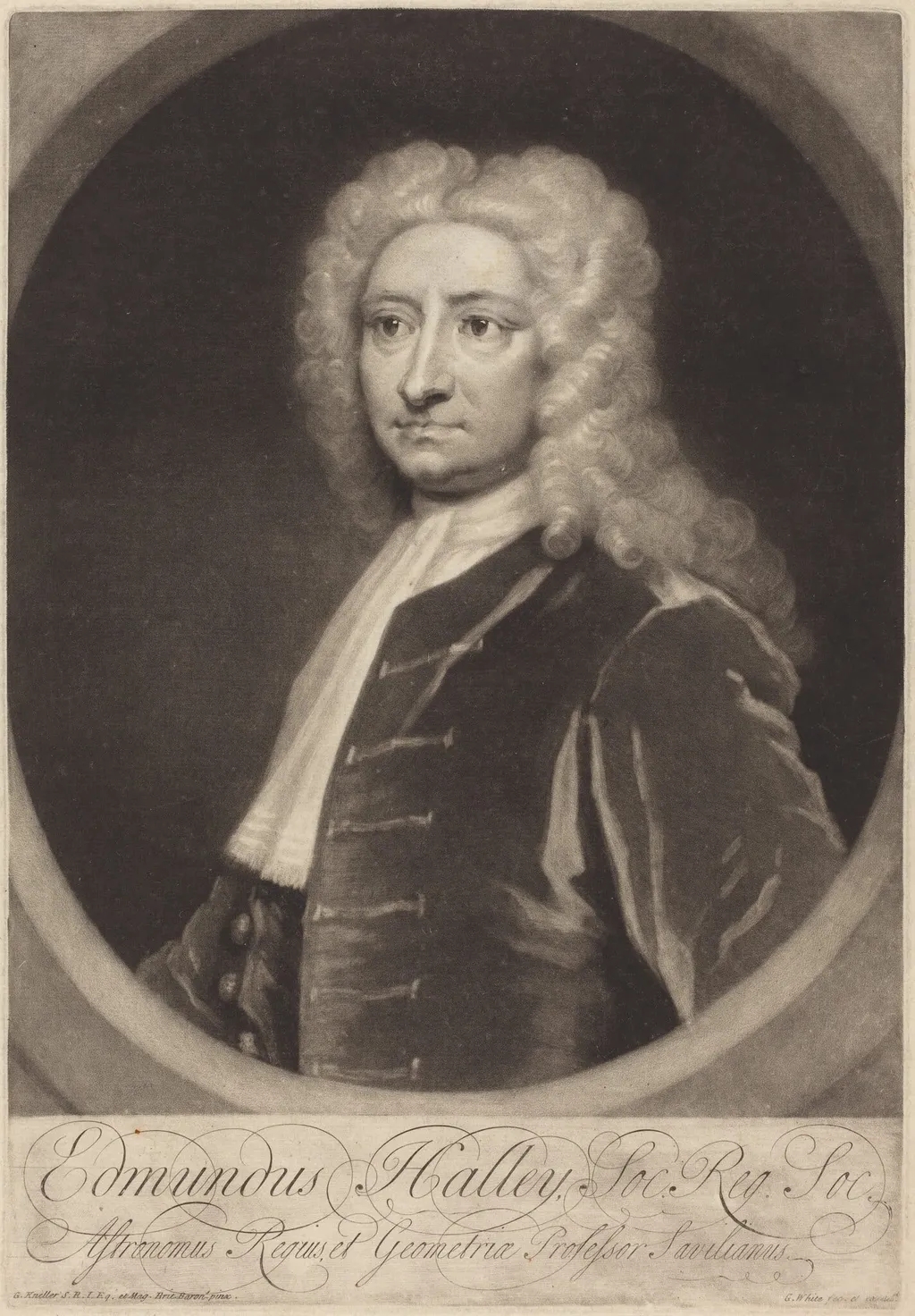
Edmund Halley is an ink print by the Baroque artist George White. It is held in the collection of the National Gallery of Art.
About this work
Overview
George White’s 1735 mezzotint presents the astronomer Edmund Halley in a restrained, formal pose. Rendered in monochrome on laid paper, the image focuses on the sitter’s face and shoulders, set against an unadorned background that emphasizes his expression and attire.
Subject & Meaning
The portrait depicts Halley wearing a dark coat, white cravat, and a neatly arranged wig, his gaze turned slightly away, suggesting contemplation. Inscribed beneath his likeness are his name and Latin titles referencing his scientific achievements, reinforcing his identity as a leading figure in 18th‑century astronomy.
Technique & Style
Executed as a mezzotint, the work relies on fine gradations of tone achieved through a labor‑intensive process of roughening and smoothing a copper plate. The resulting rich blacks and subtle highlights convey depth and texture, while the curved border frames the composition in a manner typical of early‑modern portrait prints.
History & Provenance
Created in 1735, the print was likely produced shortly after Halley’s most celebrated discoveries, including the comet that bears his name. It has survived as a printed work on laid paper, a common support for mezzotints of the period, and is now held in several public collections.
Context
The portrait belongs to a broader tradition of scientific portraiture in the Enlightenment, where scholars were commemorated through printed media. Mezzotint, valued for its capacity to render delicate tonal variation, was a favored medium for disseminating images of notable intellectuals across Europe.
Artist & collection


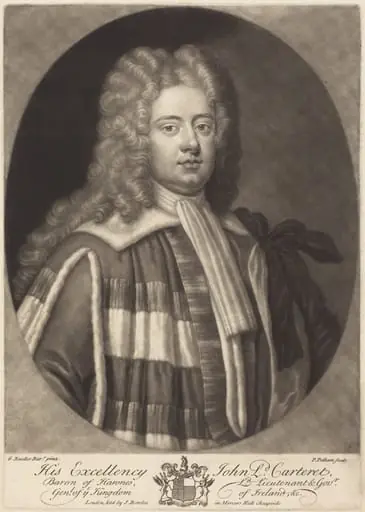 John, Lord Carteret
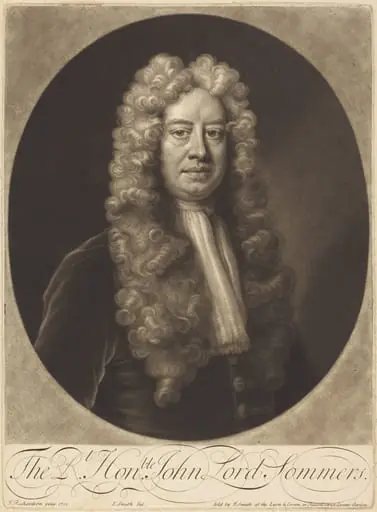 John Lord Sommers
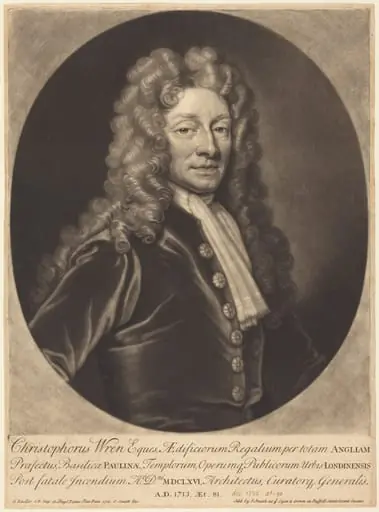 Sir Christopher Wren
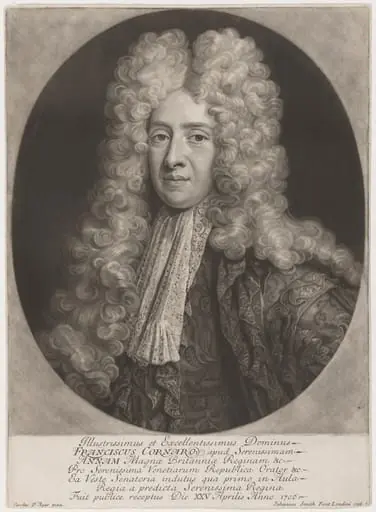 Francisco Cornaro
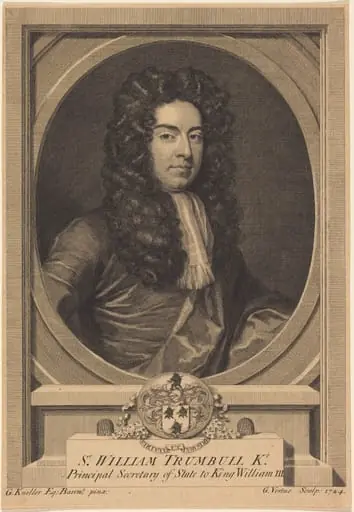 William Trumbull
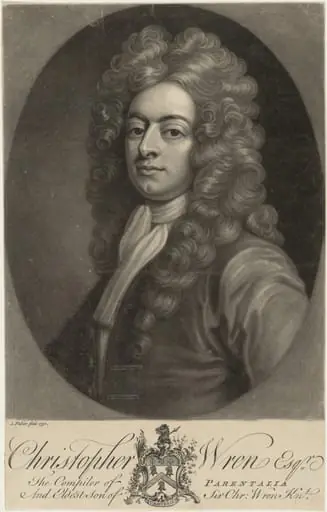 Christopher Wren, Son of the Architect
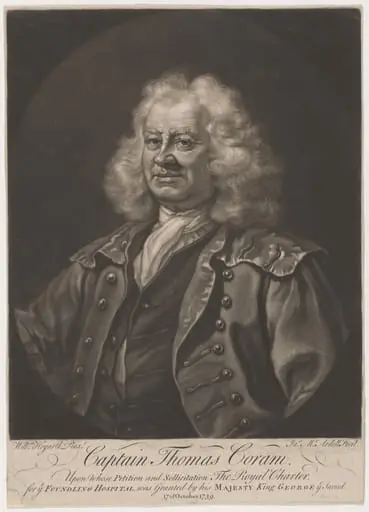 Captain Thomas Coram
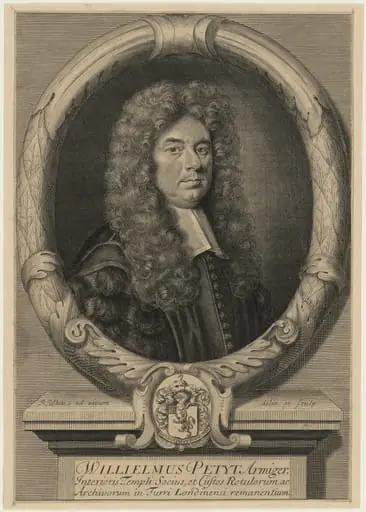 William Petyt, Keeper of the Records in the Tower
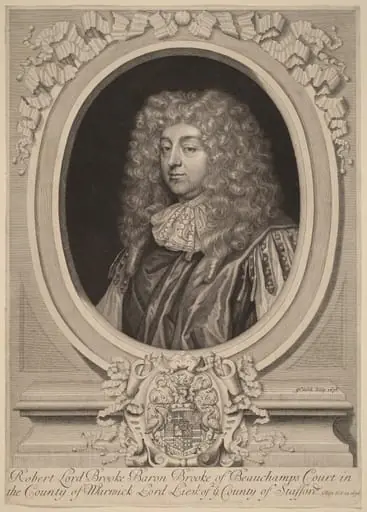 Robert Greville, Lord Brooke
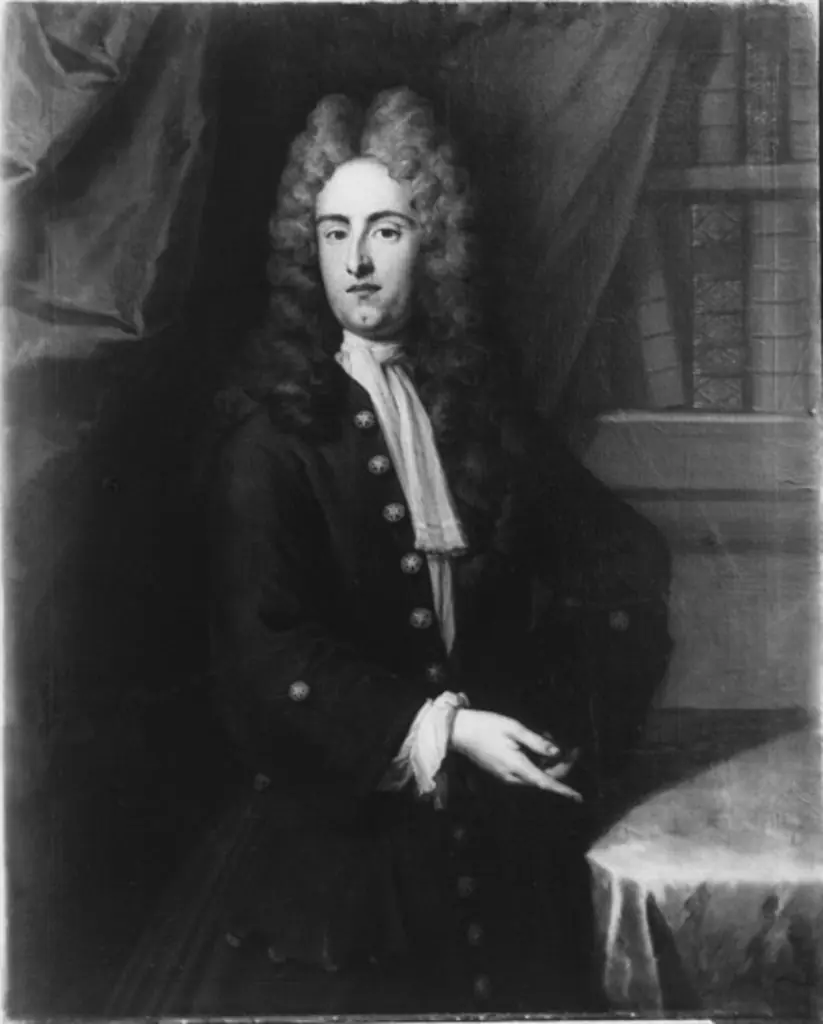 Dr. med. Rudolf Lavater in seiner Bibliothek
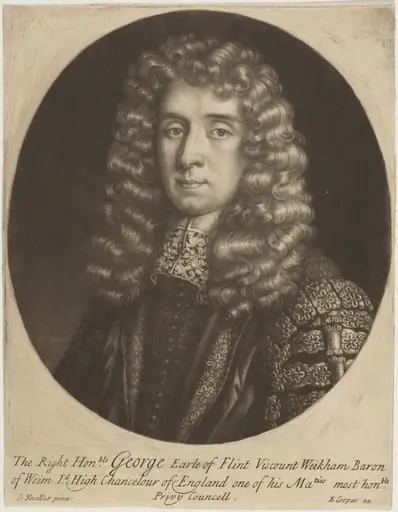 George Jeffreys, Earl of Flint, Viscount Weikham
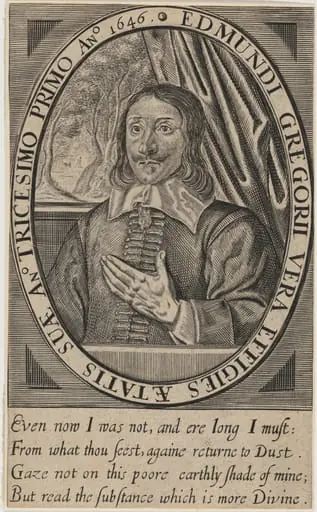 Edmund Gregory