Artwork
Budai
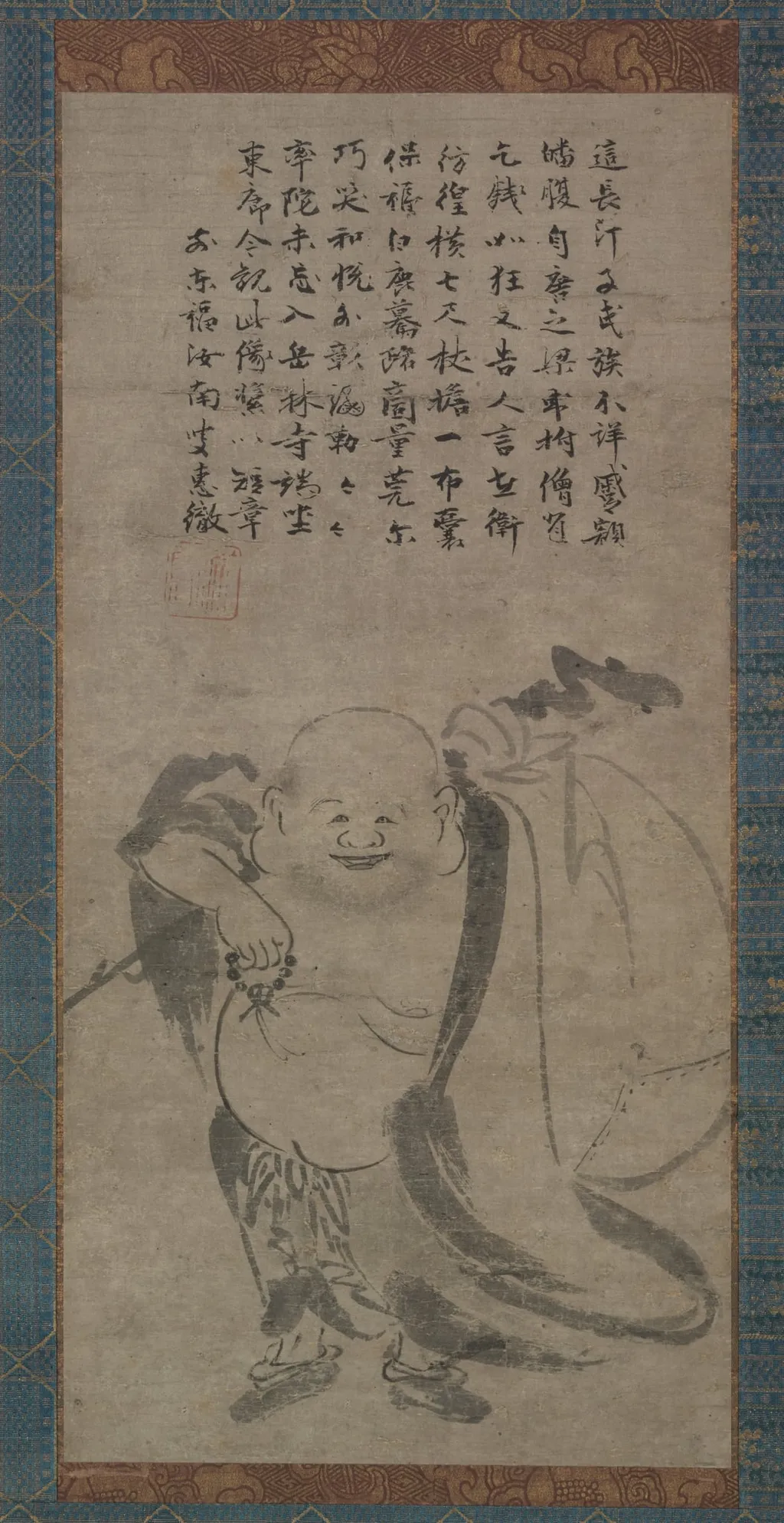
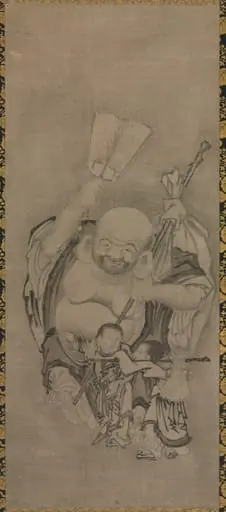
Budai is an unspecified painting by the Renaissance artist Jonan Etetsu. It dates from 1404 and is held in the collection of the Cleveland Museum of Art.
About this work
Overview
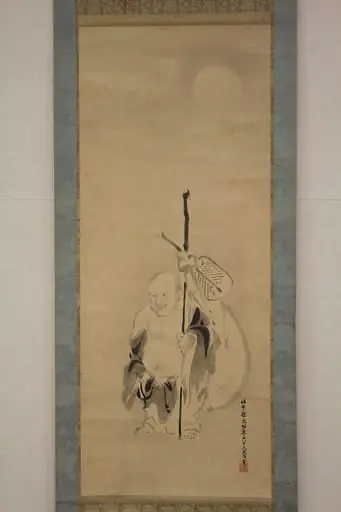
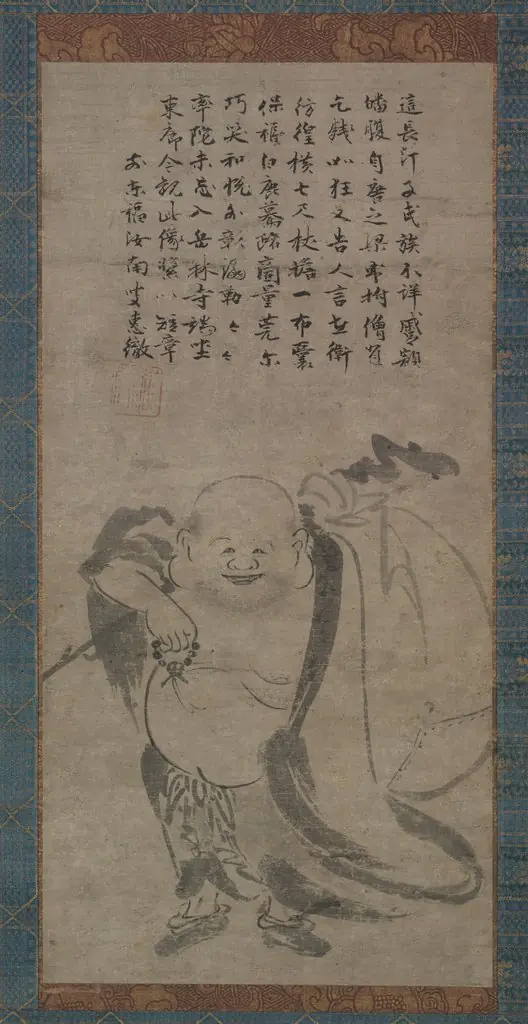
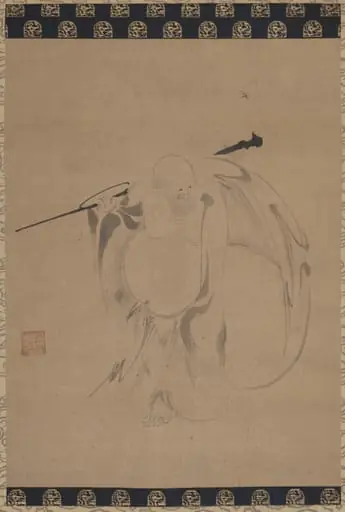
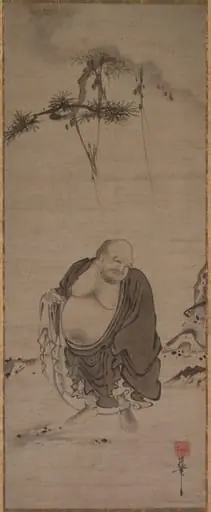
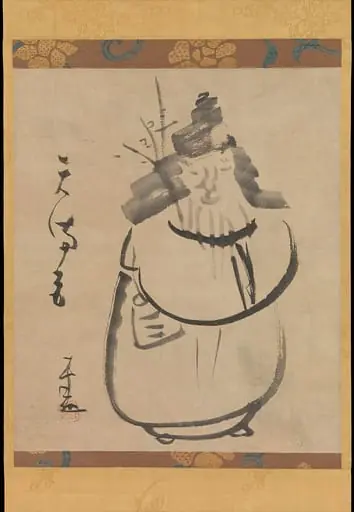
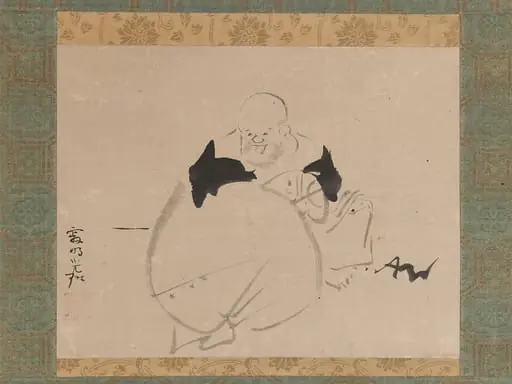
This ink painting depicts Budai, the laughing, rotund monk celebrated in Chinese Chan tradition as a precursor of the future Buddha Miroku. He is shown seated cross‑legged, smiling broadly, and dressed in simple monastic robes. The work is attributed to the Zen monk Jonan Etetsu, the 183rd abbot of Kyoto’s Tōfuku‑ji, though the artist’s hand remains uncertain.
Subject & Meaning
Budai, known in Japan as Hotei, became a beloved figure from the fourteenth century onward, embodying both the joyous wanderer of folklore and the promise of enlightenment. In Japanese visual culture he symbolised an unencumbered path to spiritual awakening, merging popular myth with Zen teachings about the imminent arrival of Miroku in human form.
Technique & Style
Executed in monochrome ink on paper, the painting employs the fluid brushwork typical of Muromachi‑period Zen art. The figure’s rounded belly and serene expression are rendered with soft, sweeping strokes, while the simple garment folds convey a sense of understated elegance. The composition’s minimal background focuses attention on the monk’s contemplative smile.
History & Provenance
Jonan Etetsu (d. 1514) is documented as abbot of Tōfuku‑ji and known from a handful of inscriptions that record his friendship with fellow monk Ryō’an Keigo. Two of his own poems appear on surviving paintings, one of which is this image of Budai. The work entered the Cleveland Museum of Art’s collection in the twentieth century, where it remains on view.
Context
During the Muromachi era, Zen monasteries were major patrons of the arts, fostering a style that prized spontaneity and spiritual insight. The popularity of Hotei images reflected a broader cultural synthesis of Zen doctrine and folk narratives, allowing lay audiences to engage with Buddhist concepts through a familiar, jovial icon.
Artist & collection