Artwork
Interior of an Amateur Statuary's Workshop
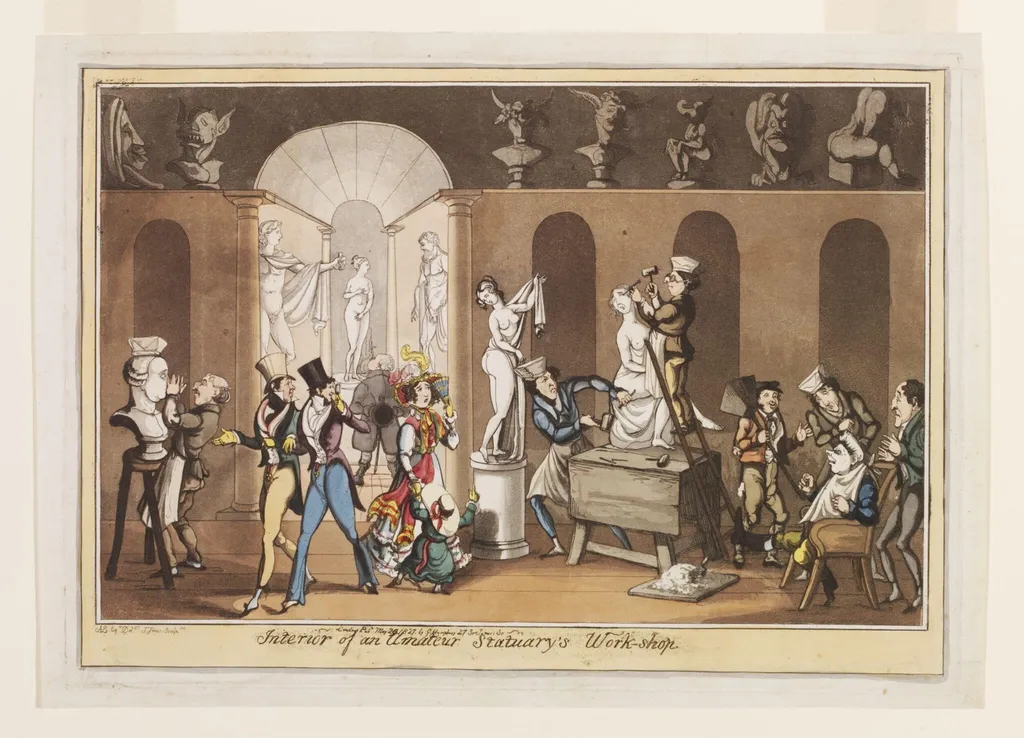
Interior of an Amateur Statuary's Workshop is a print by the Romanticist artist J. Jones. It dates from 1827 and is held in the collection of the Victoria and Albert Museum. This 1827 print depicts a bustling amateur sculptor’s workshop, where multiple modes of observation collide.
About this work
This print from 1827 shows a crowded sculpture workshop. A kid tugs a mom’s sleeve toward a nude statue while she hides her eyes. Two fussy men stare right at her instead.
The humor comes from clashing ways of seeing. Studious types focus on art. Others just gawk. The print laughs at who looks where, and how.
Look up the Victoria and Albert Museum next.
Overview
This 1827 print depicts a bustling amateur sculptor’s workshop, where multiple modes of observation collide.
This 1827 print depicts a bustling amateur sculptor’s workshop, where multiple modes of observation collide. Figures engage with sculptures in ways that reveal social attitudes toward art, nudity, and propriety. The scene is layered with irony: some viewers treat classical forms with reverence, while others react to the human body with discomfort or voyeurism, blurring the line between aesthetic contemplation and crude curiosity.
Subject & Meaning
The print contrasts idealized classical statues—Apollo, Hercules, and Venus—with exaggerated, almost caricatured nude figures in shadowed corners. A child points excitedly at a voluptuous bust, while the mother averts her gaze in dismay. Meanwhile, two fashionable men fixate on the woman herself, treating her as if she were another exhibit. The work critiques shifting perceptions of beauty and the hypocrisy of public decorum versus private gaze.
Technique & Style
The print employs fine, precise line work to distinguish textures: the smooth plaster of classical casts, the rougher surfaces of crude busts, and the fabric of clothing. Figures are arranged in a crowded, almost theatrical composition, guiding the viewer’s eye through competing focal points. The tonal contrast between well-lit central figures and dimly lit background sculptures enhances the thematic divide between refinement and grotesquerie.
History & Provenance
Created in 1827, the print emerged during a period of growing public interest in classical antiquity and the expansion of private collections among the British middle class. It reflects contemporary anxieties about the display of nudity and the role of art in domestic spaces. The work was likely circulated as a satirical broadside, targeting the pretensions of amateur collectors and the performative modesty of polite society.
Context
In early 19th-century Britain, classical sculpture was revered as the pinnacle of artistic achievement, yet public displays of the nude body remained controversial. Amateur collectors often acquired plaster casts to signal cultural refinement, but their households were also sites of tension between moral restraint and latent fascination with the human form. This print captures that cultural friction, using humor to expose contradictions in social behavior.
Legacy
The print endures as a quiet commentary on the performative nature of aesthetic appreciation. It anticipates later critiques of the male gaze and the objectification embedded in art viewing. Though not widely known today, it remains a sharp document of how class, gender, and taste shaped visual culture in the Victorian era’s formative years.
Artist & collection
Artist
Early 19th-century British printmaker J. Jones made crisp, detailed prints that look into everyday life and small workspaces. Try “Interior of an Amateur Statuary’s Workshop” (1827), a tidy snapshot of marble pieces and…

 H Beard Print Collection
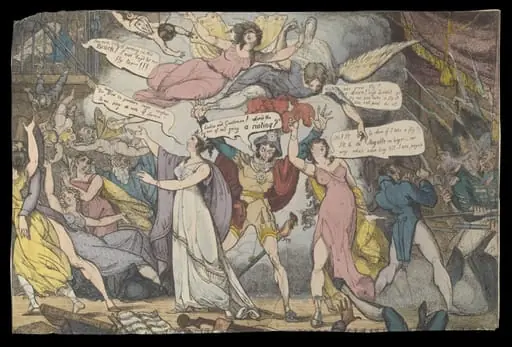 H Beard Print Collection
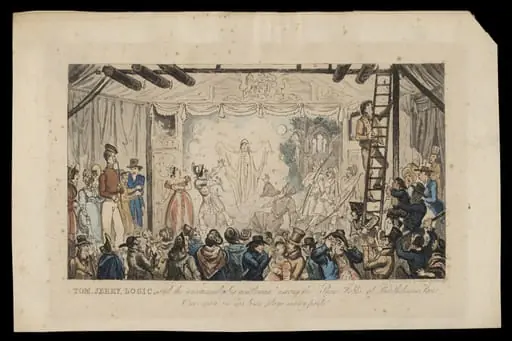 H Beard Print Collection
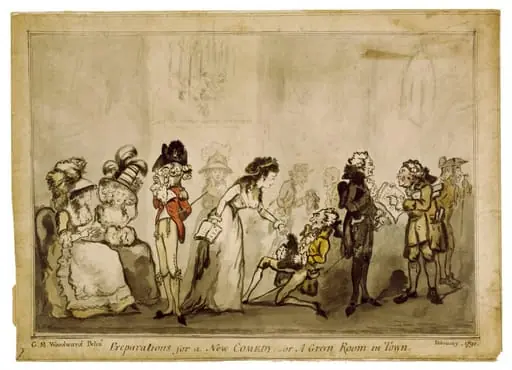 Preperations for a New Comedy
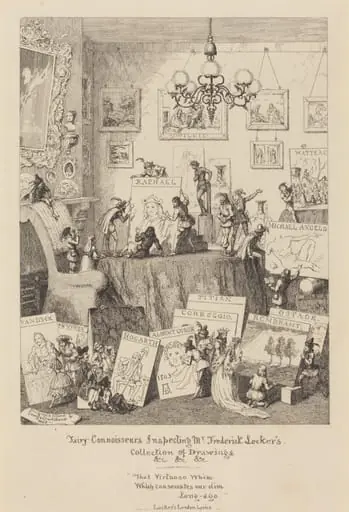 Fairy Connoisseurs Inspecting Mr. Frederick Locker's Collection of Drawings
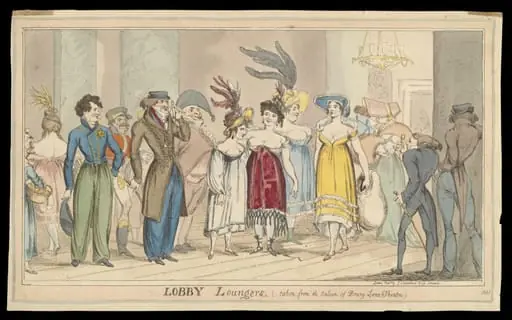 H Beard Print Collection
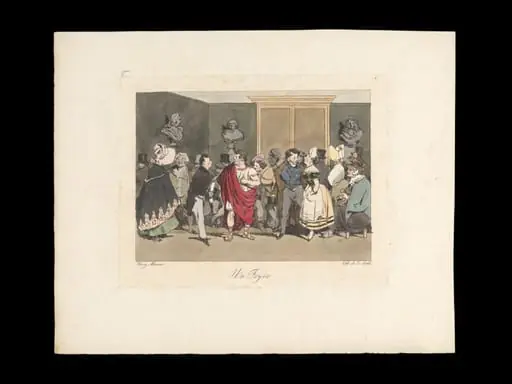 H Beard Print Collection
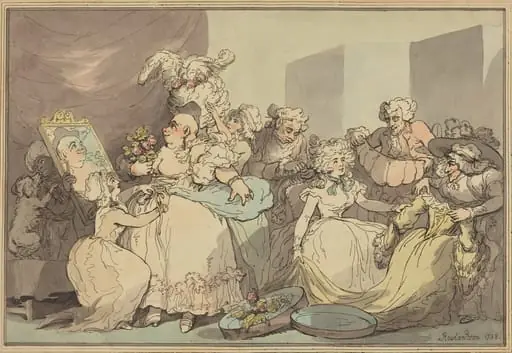 Dressing for a Birthday
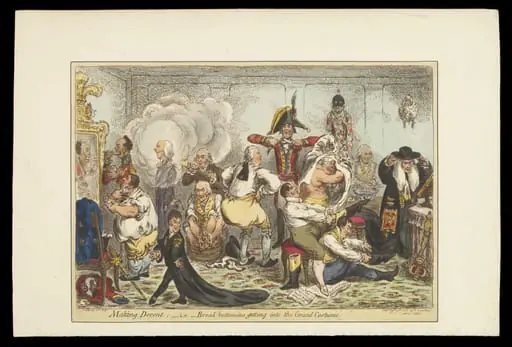 H Beard Print Collection
 H Beard Print Collection
 H Beard Print Collection
 H Beard Print Collection