Artwork
H Beard Print Collection
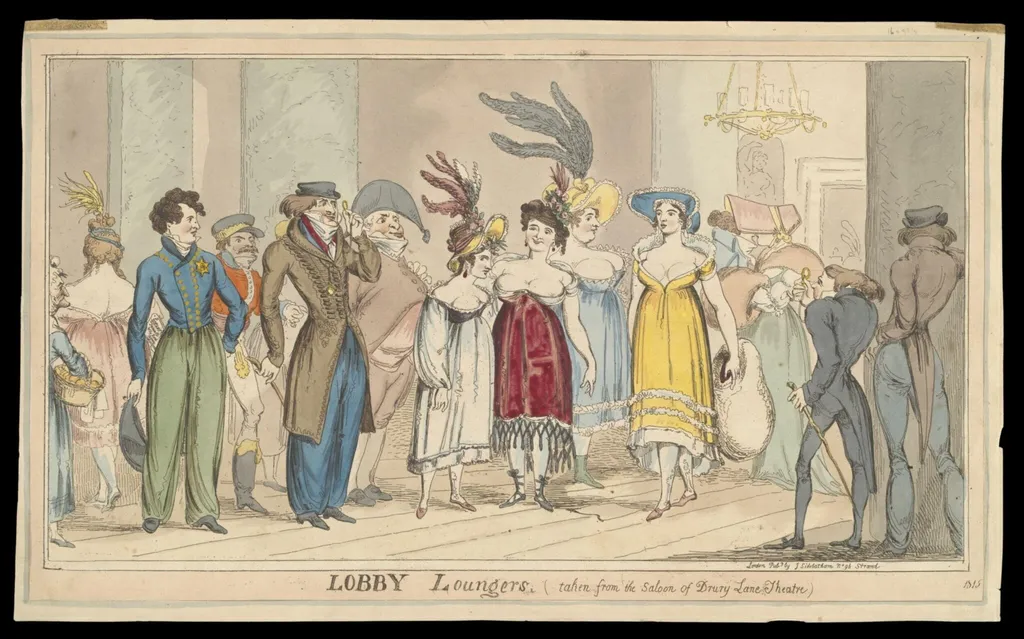
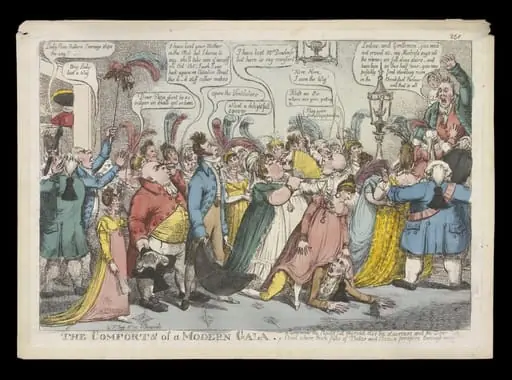
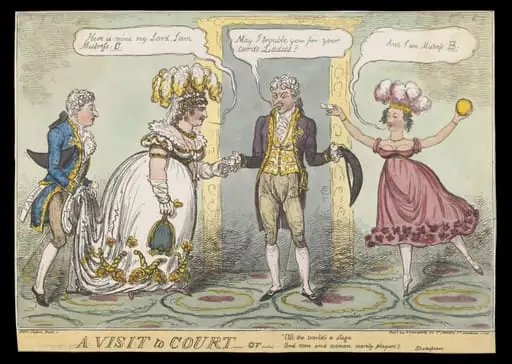
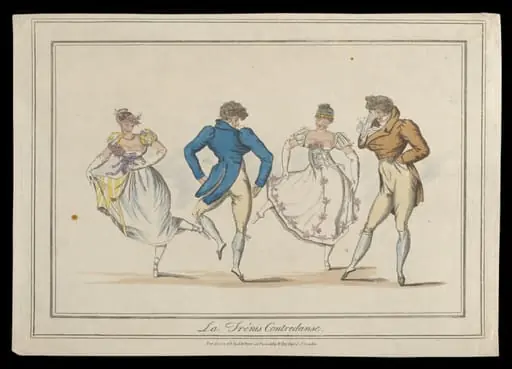
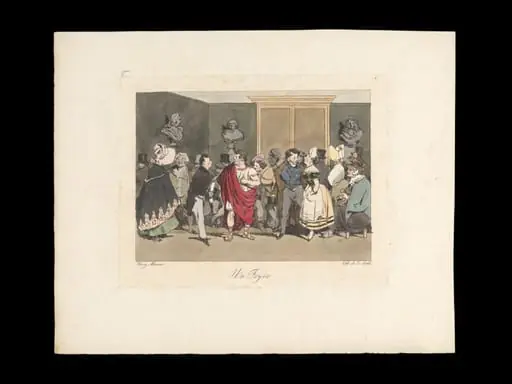
H Beard Print Collection is a print by the Romanticist artist J. Sidebotham. It dates from 1815 and is held in the collection of the Victoria and Albert Museum.
About this work
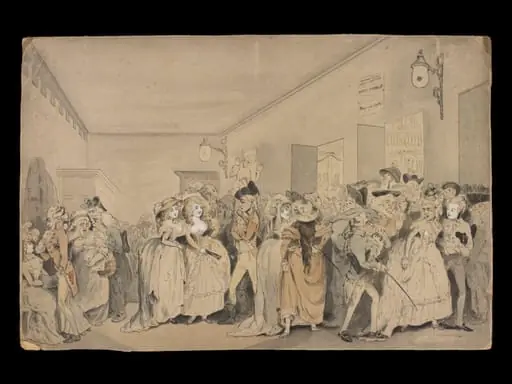
This print is called 'H Beard Print Collection' and it's also known as 'Lobby Loungers'.
It was made by J. Sidebotham in 1815.
It's part of the Romanticism movement and shows a genre scene.
The print is held at the Victoria and Albert Museum.
I don't know what it looks like.
This print is interesting because it was published in 1815.
Check out the Romanticism movement to learn more.
Overview
H Beard Print Collection, also known as 'Lobby Loungers', is a print published by J. Sidebotham in 1815, associated with the Romanticism movement. It depicts a genre scene, now part of the Victoria and Albert Museum's collection.
Subject & Meaning
The print portrays a 'genre scene', suggesting everyday life as its subject. However, specific details about the composition and the exact nature of the 'Lobby Loungers' are not provided.
Technique & Style
While the exact visual characteristics are unknown, its classification under Romanticism implies an emphasis on emotive and often intimate depictions of daily life, potentially with expressive or atmospheric qualities.
History & Provenance
Published in 1815 by J. Sidebotham, the print is currently held in the collection of the Victoria and Albert Museum, indicating its recognized historical and artistic value.
Context
Created during the Romanticism movement, the work reflects the era's focus on ordinary life and emotional depth. For deeper understanding, exploring the broader Romanticism movement is recommended.
Legacy
The print's significance is underscored by its inclusion in a major museum collection, though its specific influence or renown within the broader artistic canon is not detailed here.
Artist & collection
Artist
This printmaker carved crisp, detailed scenes in the early 1800s, leaving two small books of black-and-white prints.