Artwork
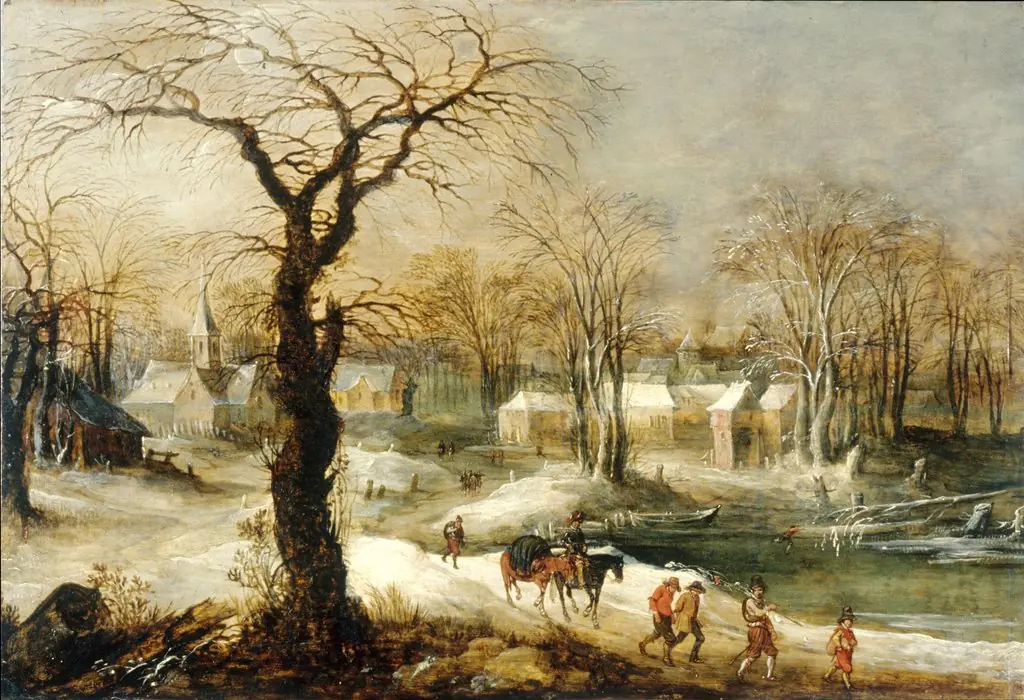
Winter Landscape with the Flight into Egypt
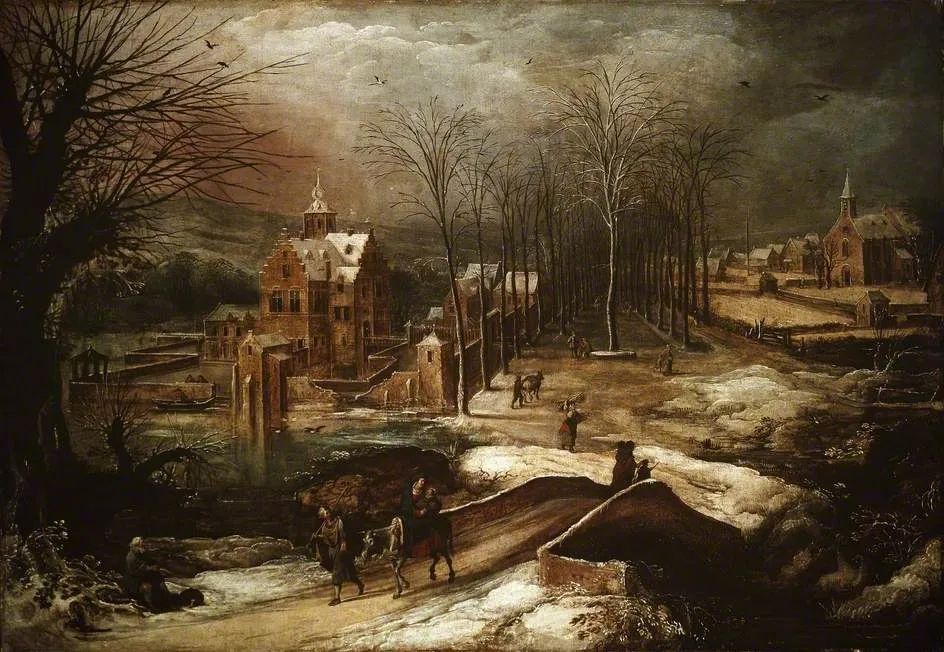
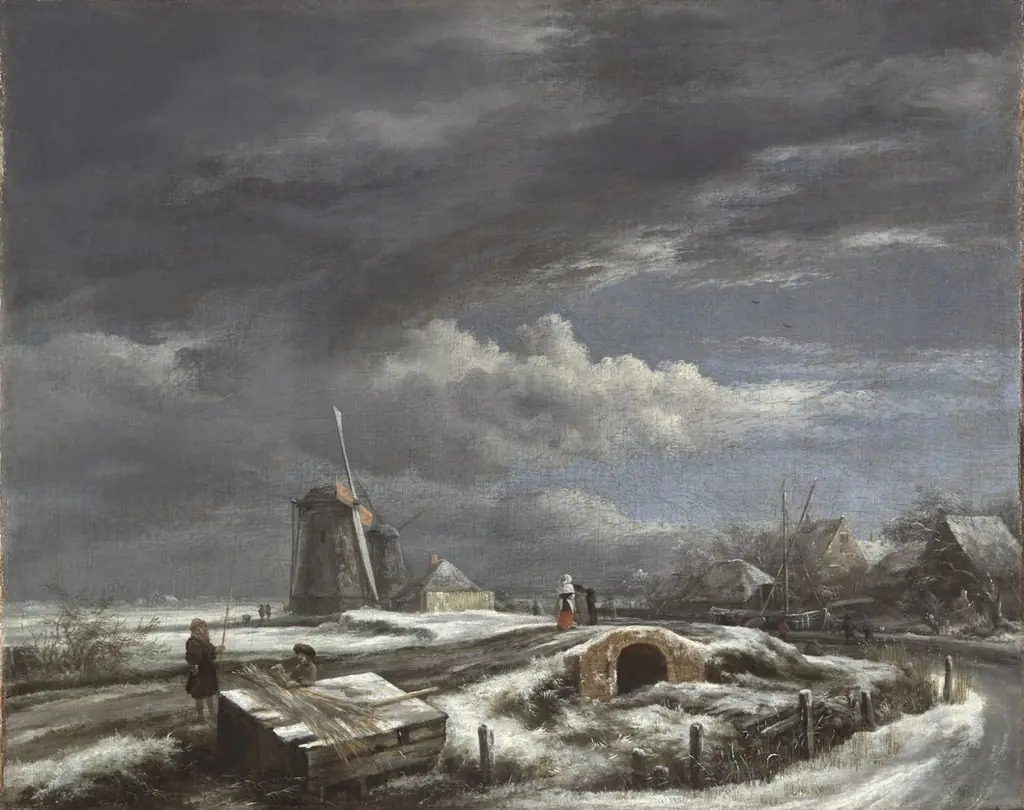
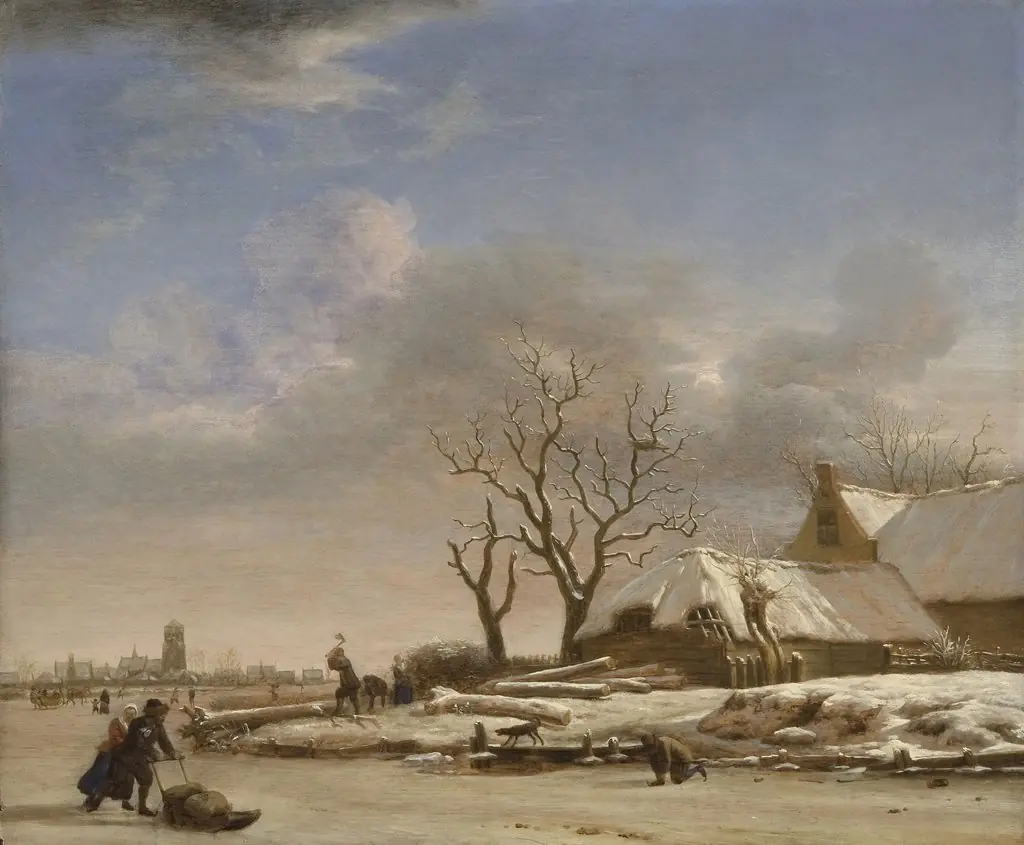
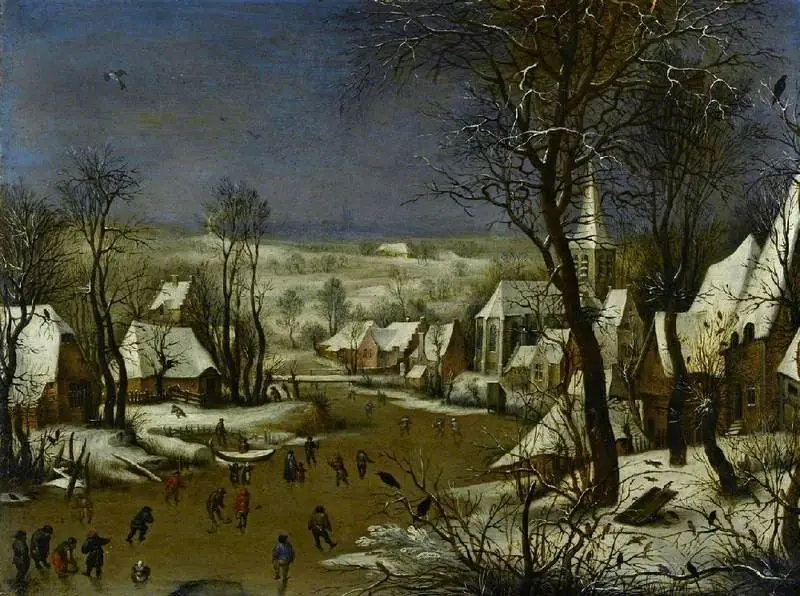
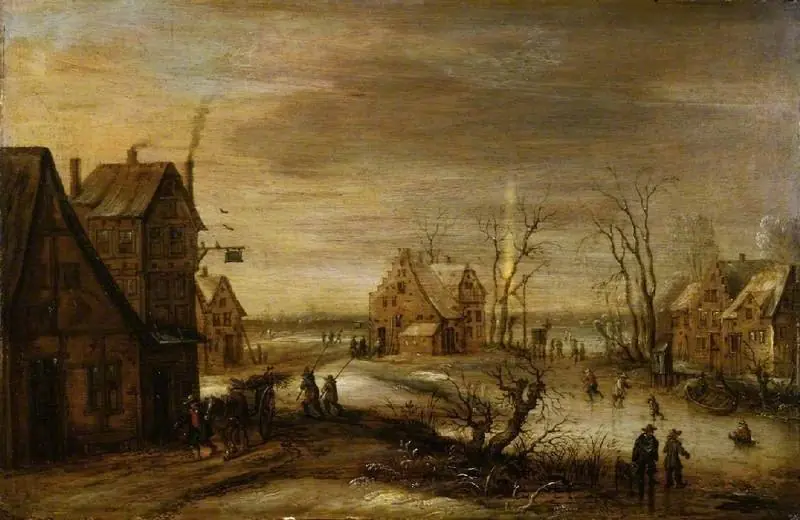
Winter Landscape with the Flight into Egypt is an oil painting by the Flemish Baroque painting artist Joos de Momper the Younger. It dates from 1625 and is held in the collection of the Ashmolean Museum.
About this work
Overview
The painting remains part of the Ashmolean Museum’s collection, where it exemplifies Northern European winter scenes from the early 17th century.
Painted in 1625 by Joos de Momper the Younger, this oil-on-panel work presents a quiet winter scene infused with the biblical story of the Holy Family’s journey. As a Flemish artist based in Antwerp, Momper synthesized observational detail with traditional narrative, aligning his approach with the evolving landscape traditions of the early Baroque period. The painting remains part of the Ashmolean Museum’s collection, where it exemplifies Northern European winter scenes from the early 17th century.
Subject & Meaning
The painting illustrates the Flight into Egypt, a moment from the Gospel of Matthew in which Mary, Joseph, and the infant Jesus flee Herod’s persecution. Rather than emphasizing drama, Momper embeds the figures subtly within a vast, frozen landscape—small in scale against the snow-covered terrain. Their presence invites contemplation rather than alarm, transforming the sacred event into a quiet, human passage through nature’s stillness.
Technique & Style
Momper employed fine brushwork to render textures of snow, bark, and ice, while maintaining a muted, atmospheric palette of grays and browns. His composition balances foreground activity with distant, hazy architecture and trees, creating depth without theatrical perspective. The style bridges Mannerist stylization and emerging naturalism, showing clear influence from Pieter Brueghel’s attention to everyday life within expansive winter settings.
History & Provenance
The painting was completed in 1625 during Momper’s mature period in Antwerp, a hub of artistic exchange. It entered the Ashmolean Museum’s collection in the 19th century, likely through a private donation or acquisition. Its survival in good condition reflects careful stewardship, and its consistent attribution to Momper has been supported by stylistic analysis and archival records from the Flemish art market of the era.
Context
In early 17th-century Flanders, landscape painting gained prominence as a genre independent of religious or mythological narrative. Momper’s work reflects this shift, using biblical themes as structural anchors rather than focal points. Winter scenes, popular among Northern patrons, conveyed both spiritual reflection and appreciation for seasonal change, aligning with broader cultural interests in nature and domestic tranquility.
Legacy
Momper’s approach influenced later Dutch and Flemish landscape artists who favored serene, observational winter views. While not widely celebrated in his lifetime, his integration of biblical narrative into naturalistic settings helped normalize the genre’s secular appeal. Today, the painting stands as a quiet testament to how sacred stories could be rendered through the ordinary rhythms of the natural world.
Artist & collection
Artist
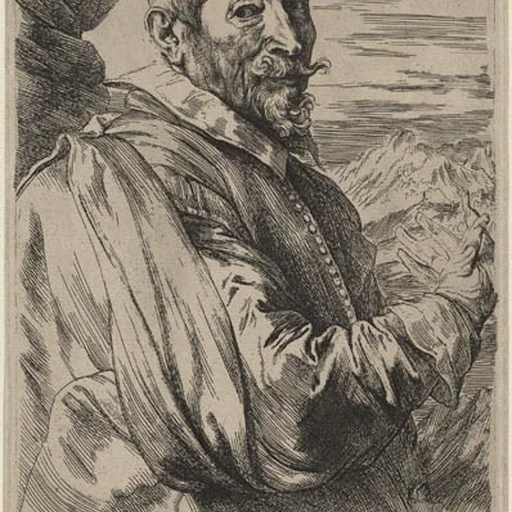
Joos de Momper the Younger or Joost de Momper the Younger (c. 1564 – 5 February 1635) was a Flemish landscape painter active in Antwerp between the late 16th century and the early 17th century. Brueghel's influence is…