Artwork
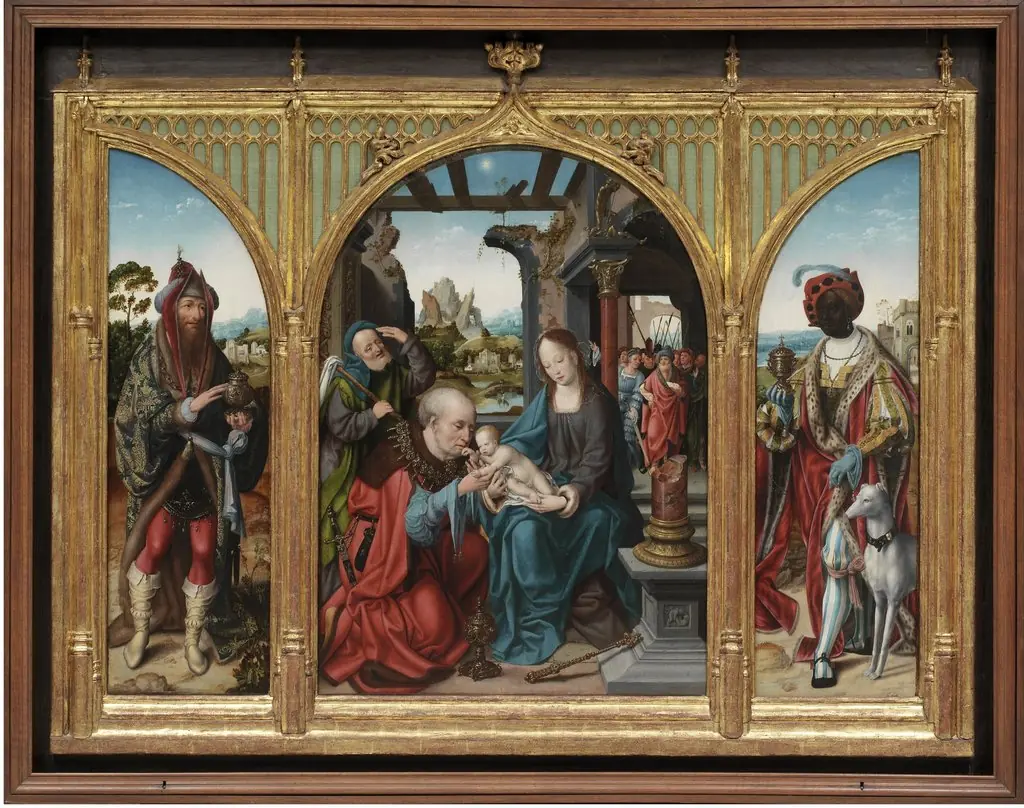
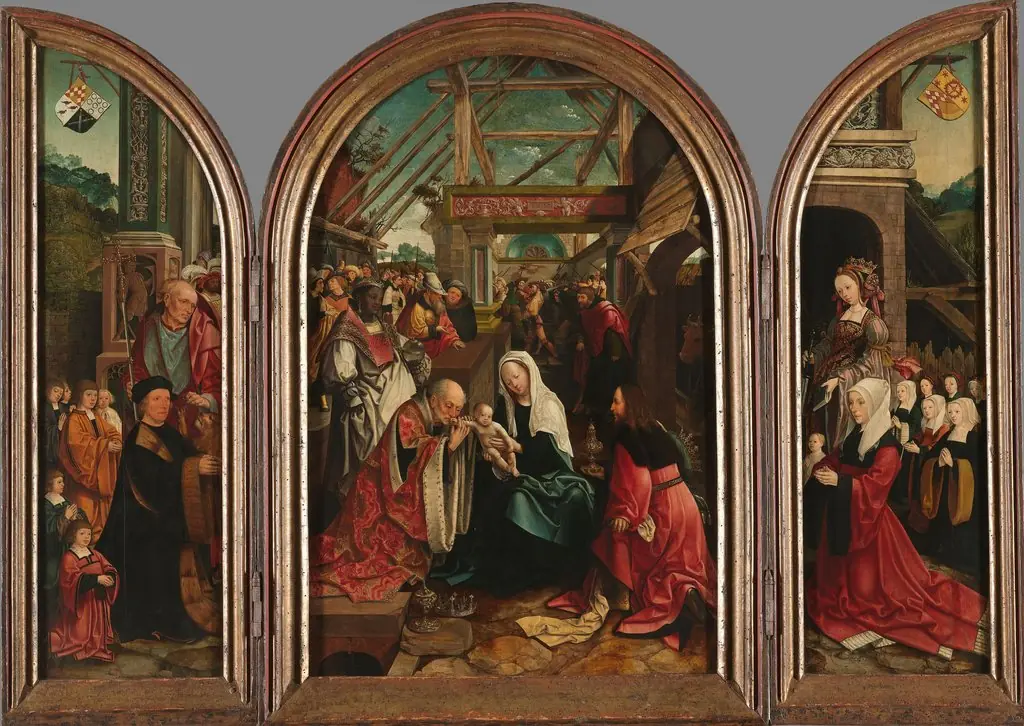
Adoration of the Magi with Sigismund I of Poland.
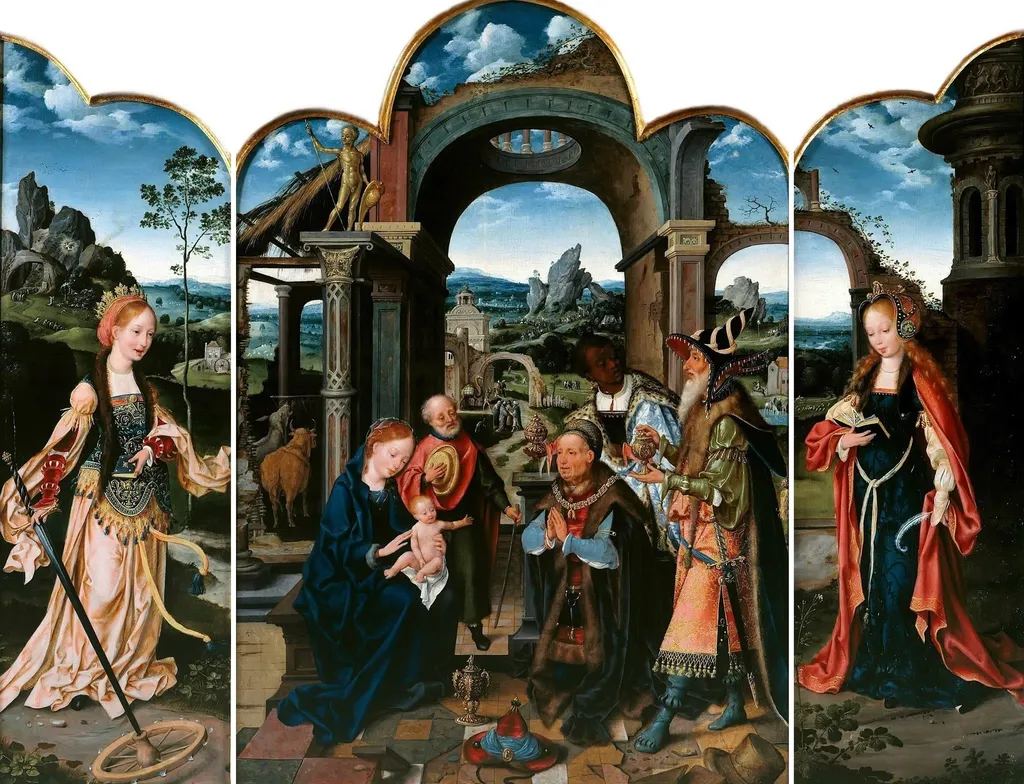
Adoration of the Magi with Sigismund I of Poland. is a paint painting by the Northern Renaissance artist Joos van Cleve. It dates from 1520 and is held in the collection of the Gemäldegalerie Berlin.
About this work
Overview
Created in 1520 by Joos van Cleve, a prominent Antwerp painter of the Northern Renaissance, this triptych presents a devotional scene that intertwines biblical narrative with contemporary portraiture. The central image shows the infant Jesus receiving gifts from the Magi, while the flanking panels add symbolic figures and a portrait of Sigismund I of Poland, linking sacred history to the reigning monarch.
Subject & Meaning
In the left panel a cloaked woman, sword in hand and crowned with stars, stands upon a wheel amid a craggy landscape, suggesting a martyr’s triumph.
The work depicts the traditional Adoration of the Magi, emphasizing reverence toward the newborn Christ. In the left panel a cloaked woman, sword in hand and crowned with stars, stands upon a wheel amid a craggy landscape, suggesting a martyr’s triumph. The central panel gathers the Magi and a kneeling figure before the infant, underscoring humility and devotion. The right panel features a woman in red, book in hand, positioned before a stone arch, perhaps representing wisdom or ecclesiastical authority.
Technique & Style
Van Cleve combines the meticulous detail and layered glazing characteristic of Early Netherlandish painting with the broader compositional gestures emerging in early 16th‑century art. Fine brushwork renders textures of fabric and metal, while the distant landscape—mountains, trees, and atmospheric perspective—creates depth across the central panel. The triptych format allows distinct yet harmonious visual narratives within a unified color palette.
History & Provenance
The painting was likely commissioned to commemorate Sigismund I’s patronage, integrating his likeness into a sacred tableau. After its creation, the work remained in the Polish royal collection before entering various European collections over the centuries. Documentation traces its movement through private hands in the 17th and 18th centuries, eventually reaching a museum setting where it is now displayed.
Context
Produced at a time when Northern artists were absorbing Italian influences, van Cleve’s triptych reflects the cultural exchange between the Low Countries and Central Europe. The inclusion of a reigning monarch within a biblical scene illustrates the period’s practice of aligning royal authority with divine legitimacy, a common motif in courtly art of the early 1500s.
Own this work as a print
Artist & collection
Artist
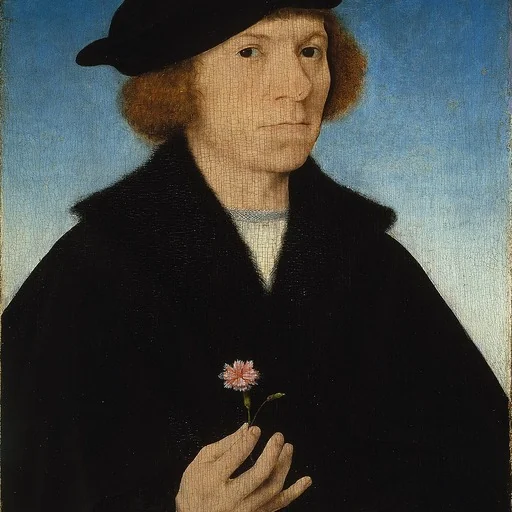
Joos van Cleve (; also Joos van der Beke; c. 1485–1490 – 1540/1541) was a leading painter active in Antwerp from his arrival there around 1511 until his death in 1540 or 1541. Within Dutch and Flemish Renaissance…

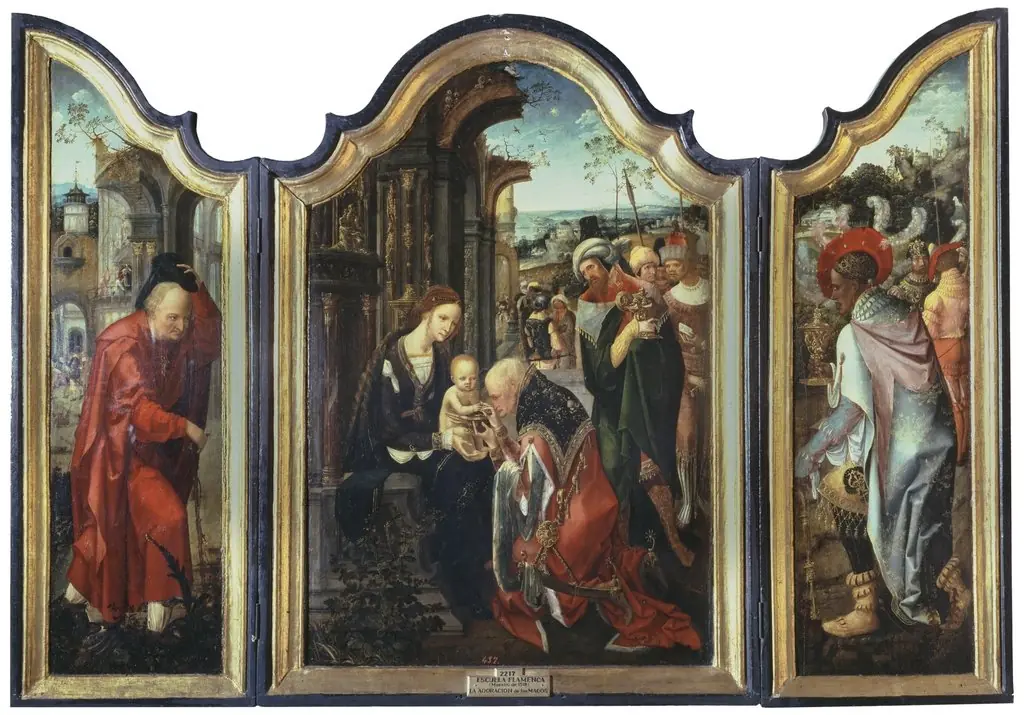 Adoration of the Magi
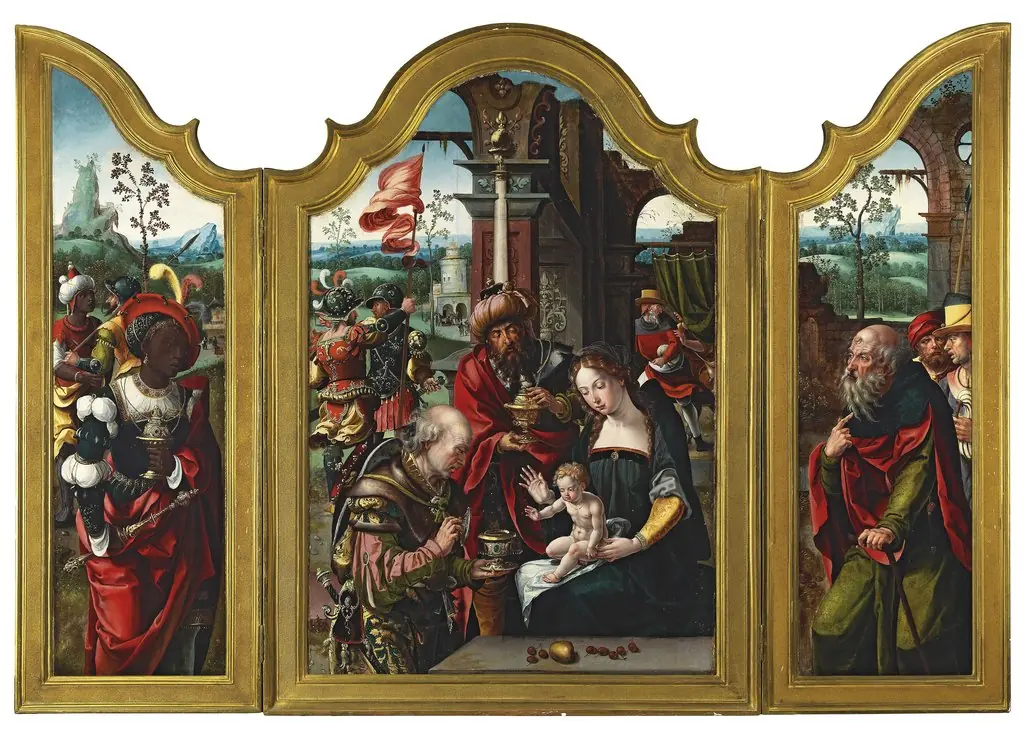 Adoration of the Magi
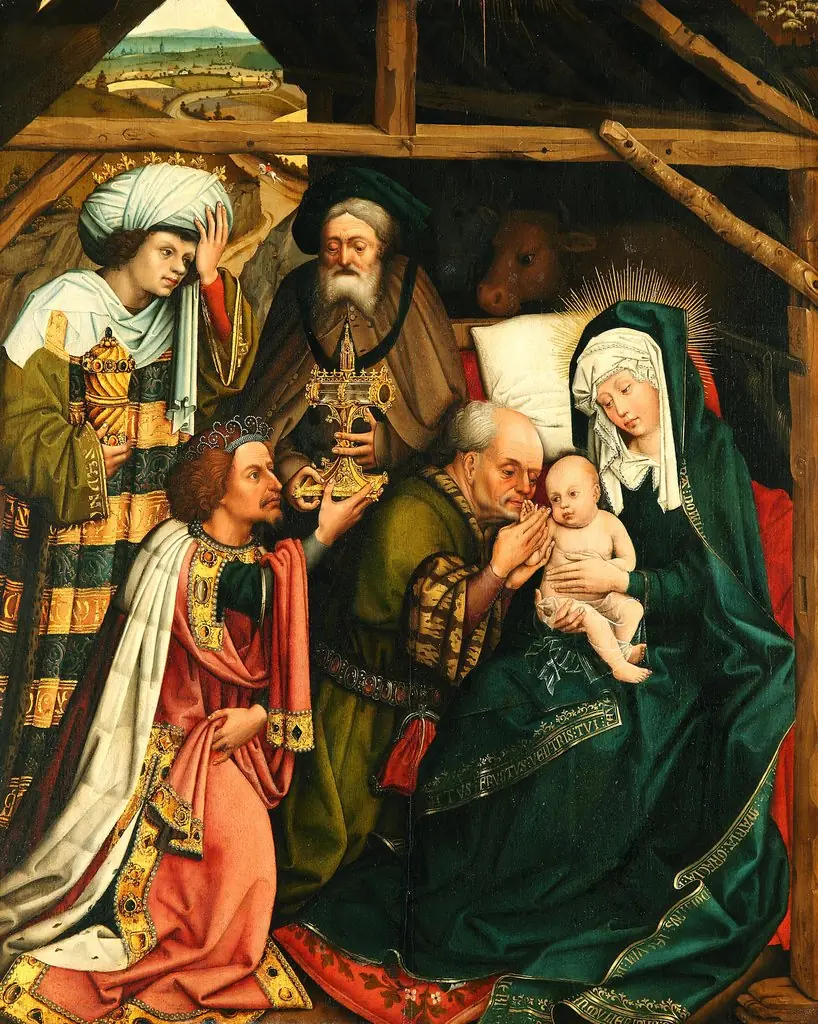 Adoration of the Magi
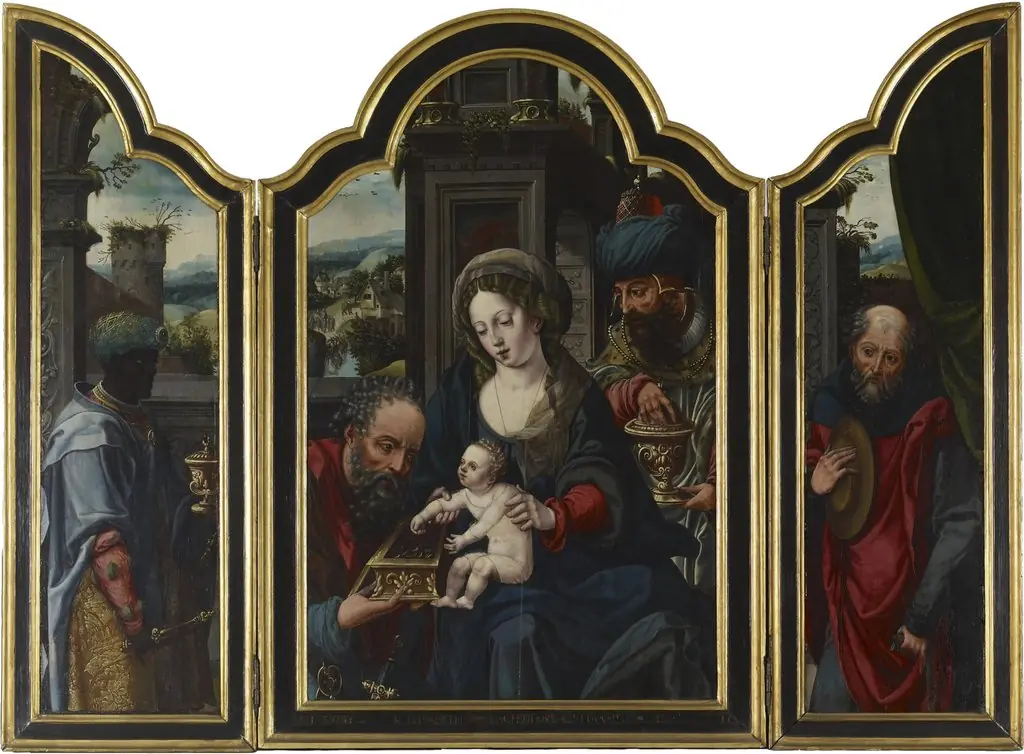 Adoration of the Magi
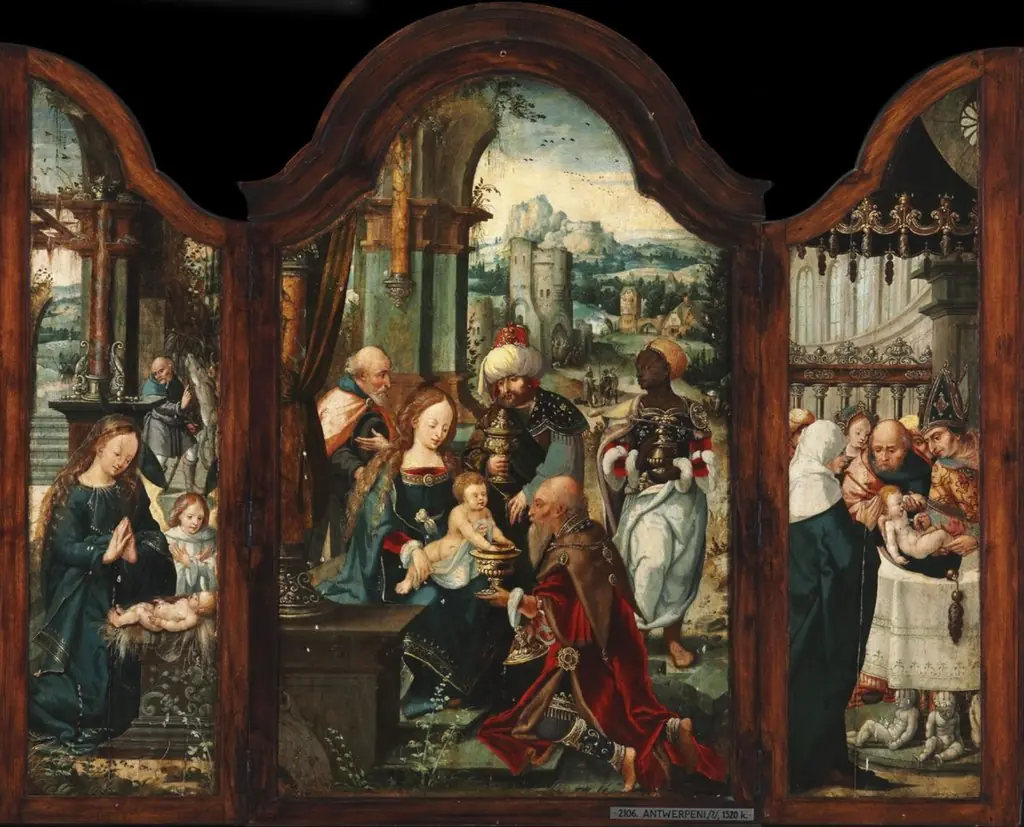 Triptych. Central panel: The Adoration of the Magi; left wing: The Nativity; right wing: The Circumcision
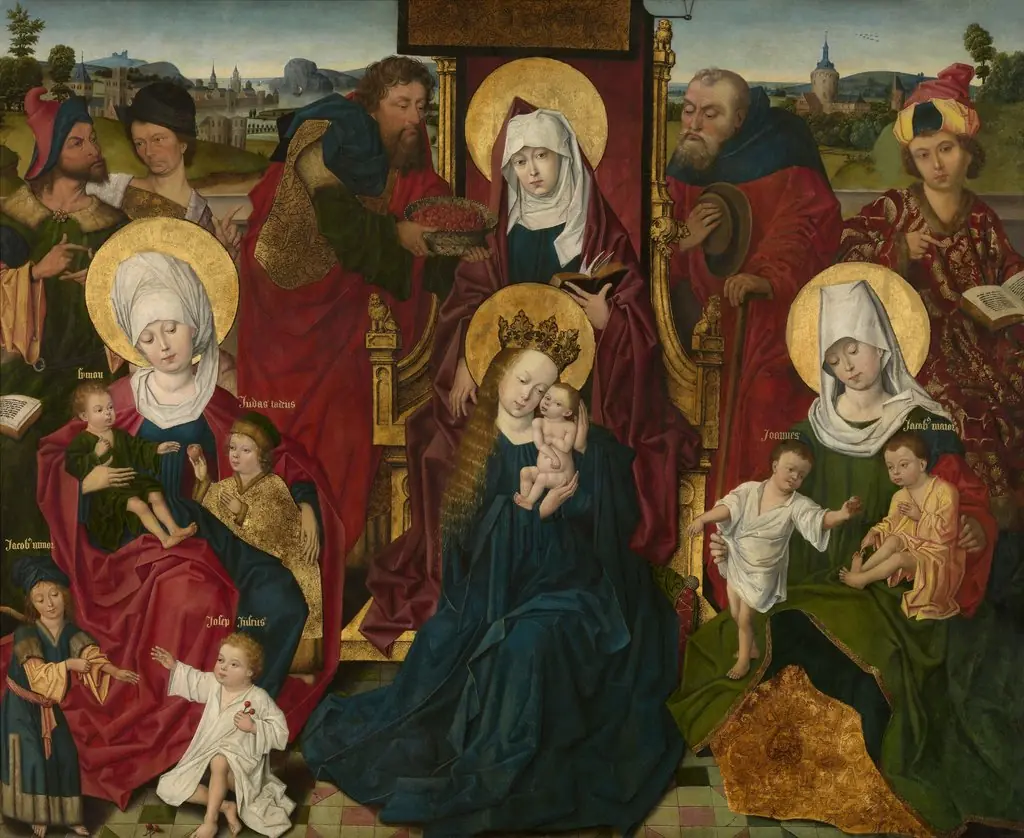 Holy Kinship
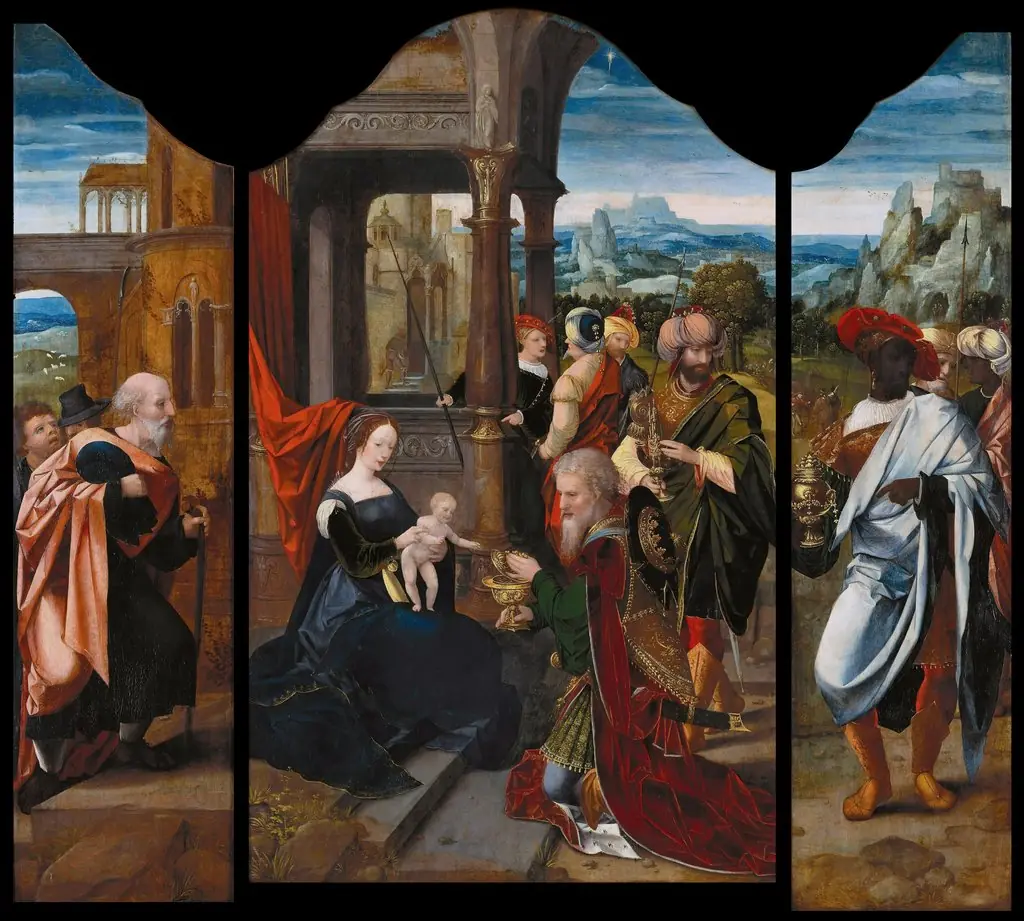 Triptych with the Adoration of the Magi
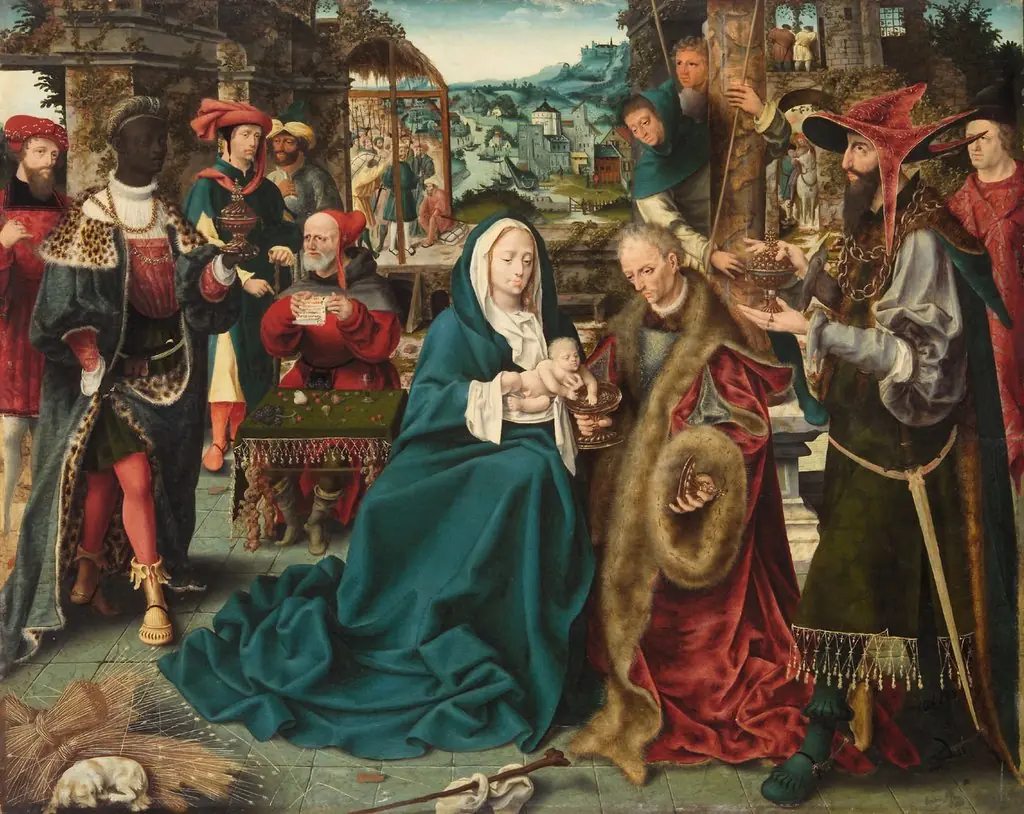 Anbetung der Könige
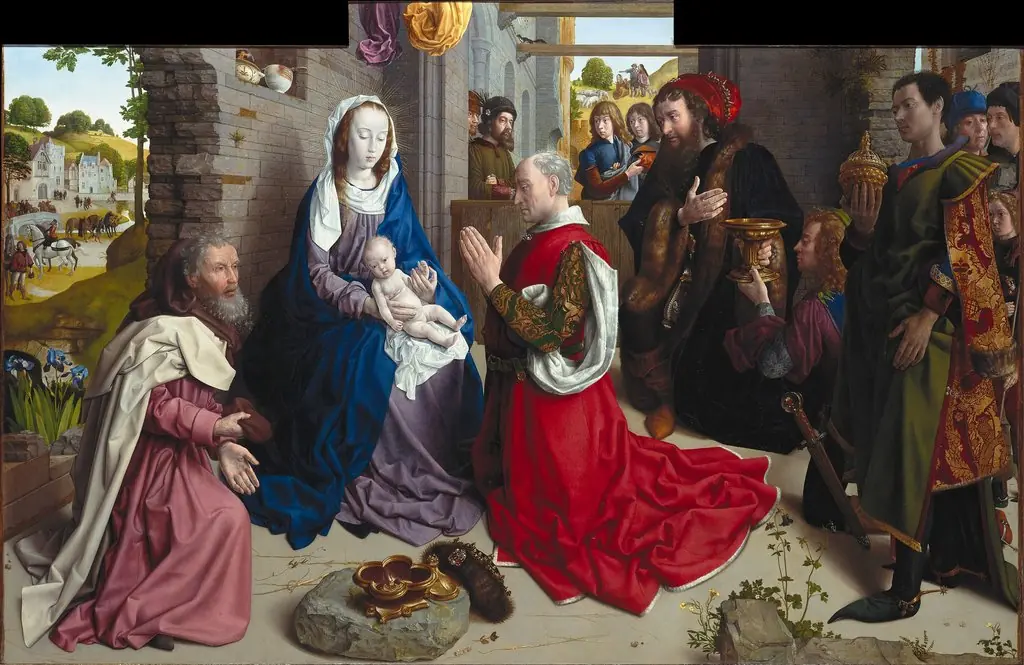 Monforte Altarpiece
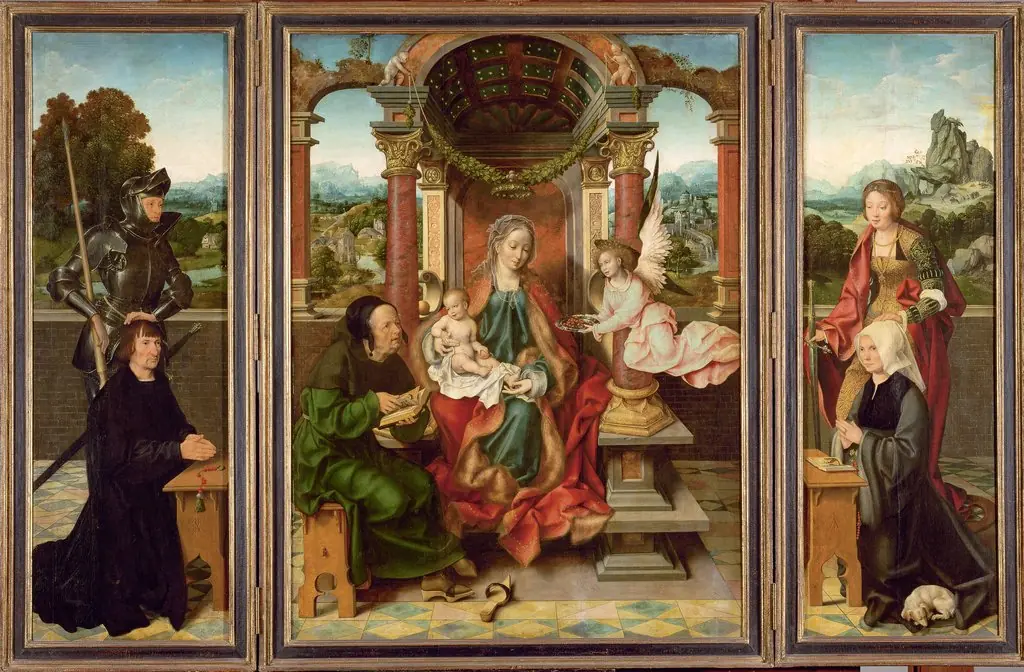 Winged Altar
 The Adoration of the Magi