Artwork
Portrait of a Woman
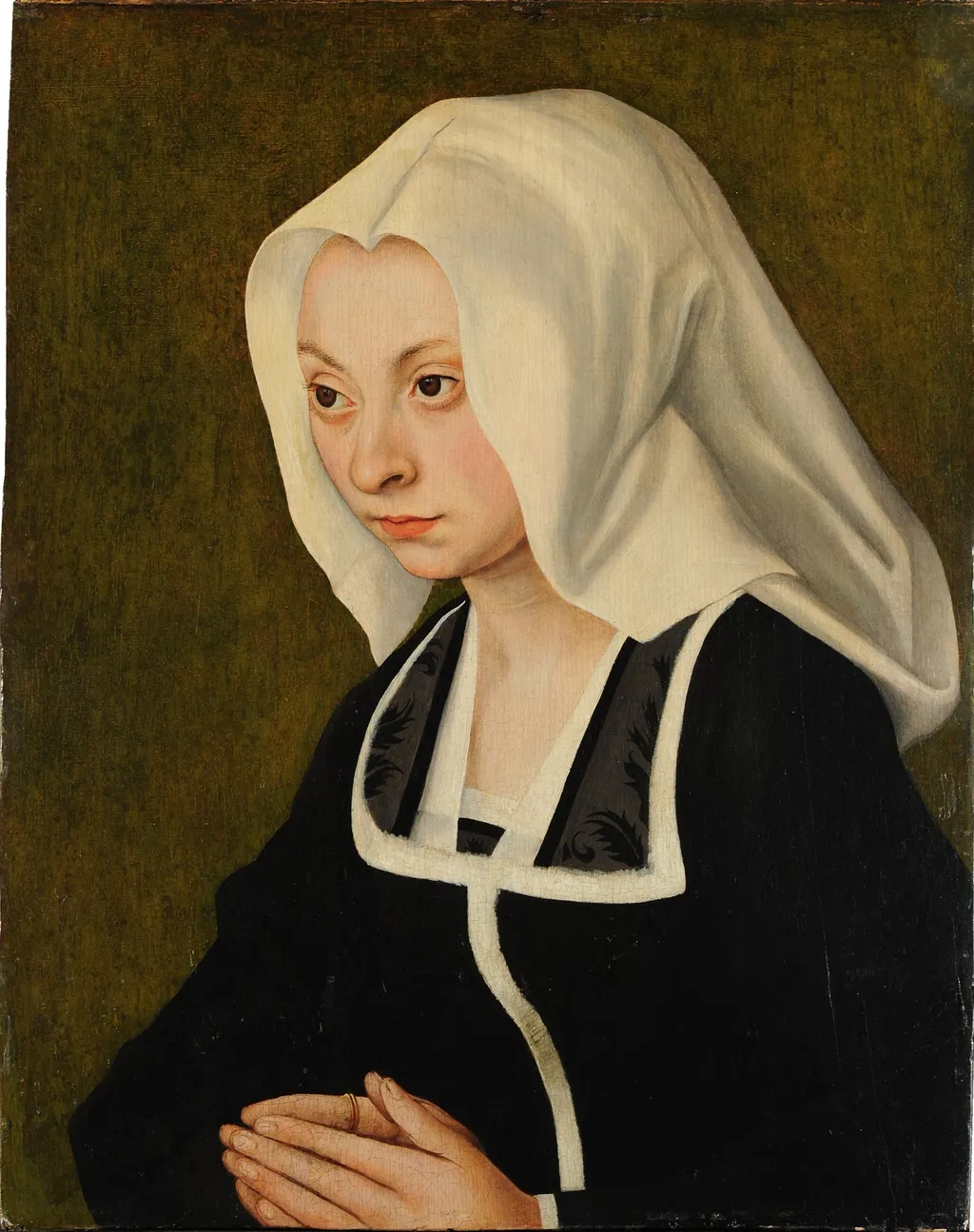
Portrait of a Woman is a paint painting by the Northern Renaissance artist Lucas Cranach the Elder. It dates from 1508 and is held in the collection of the Kunsthaus Zürich.
About this work
Overview
Painted in 1508 by Lucas Cranach the Elder, this portrait captures a woman in quiet repose. Executed in oil on panel, it belongs to the collection of the Kunsthaus Zürich. The work exemplifies Cranach’s early style, blending Northern European precision with a restrained elegance. Its compact scale and intimate composition suggest a private commission rather than a public display.
Subject & Meaning
The sitter is depicted in modest attire, her hands folded and gaze lowered, conveying a sense of solemnity and introspection. The white head covering and black dress with fine white edging reflect contemporary Nuremberg fashion among urban women of means. Her demeanor suggests piety or social restraint, common ideals in early 16th-century portraiture, though her identity remains unknown.
Technique & Style
Cranach employs subtle chiaroscuro to model the woman’s face and hands, drawing attention to their delicate contours against a dark, undefined background.
Cranach employs subtle chiaroscuro to model the woman’s face and hands, drawing attention to their delicate contours against a dark, undefined background. The fabric of her dress is rendered with meticulous attention to texture and fold, while the fine lace trim is suggested through thin, precise brushwork. The overall effect is one of quiet realism, avoiding theatricality in favor of restrained observation.
History & Provenance
The painting entered the Kunsthaus Zürich’s collection in the 19th century, though its earlier ownership is undocumented. It has been consistently attributed to Cranach since at least the early 1900s, based on stylistic parallels with his other portraits from the same period. No records of its original commission or patron have survived.
Context
Created during Cranach’s formative years in Wittenberg, this portrait reflects the influence of both German and Netherlandish traditions. While Italian Renaissance ideals of idealization were gaining ground, Cranach maintained a focus on individual likeness and material detail. Such portraits served as markers of social standing and moral character among the rising merchant class.
Legacy
Though not among Cranach’s most widely reproduced works, this portrait exemplifies his early mastery of psychological restraint and textile rendering. It contributes to the broader understanding of how Northern Renaissance artists captured private identity without overt symbolism. The painting remains a quiet reference point in studies of gender, dress, and portraiture in early 16th-century Germany.
Own this work as a print
Artist & collection
Artist
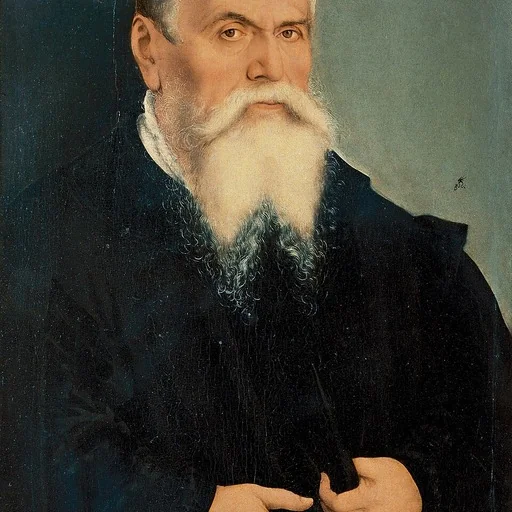
Lucas Cranach the Elder was a German Renaissance painter and printmaker in woodcut and engraving.

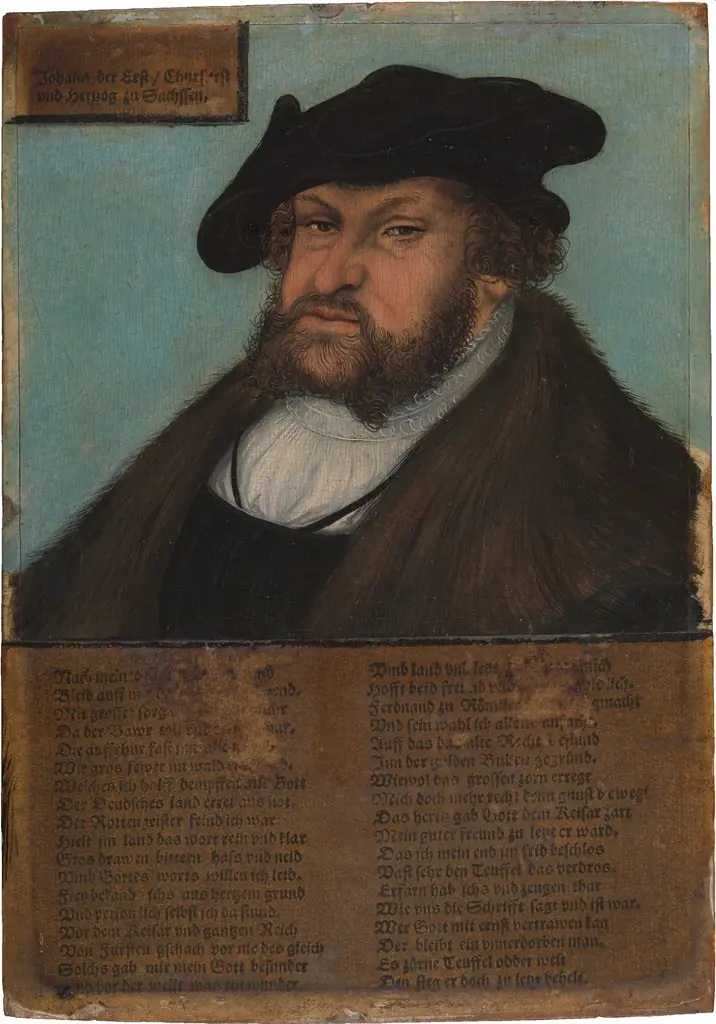
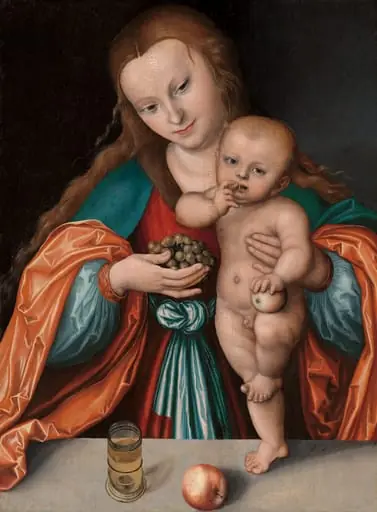
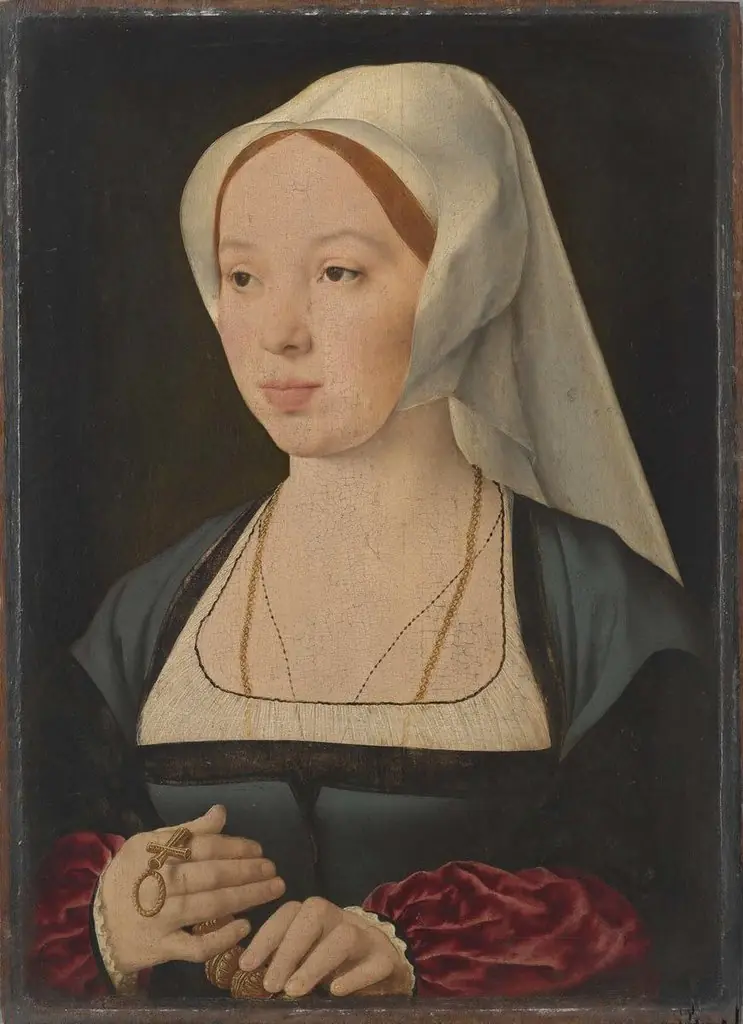 Portrait of a Lady
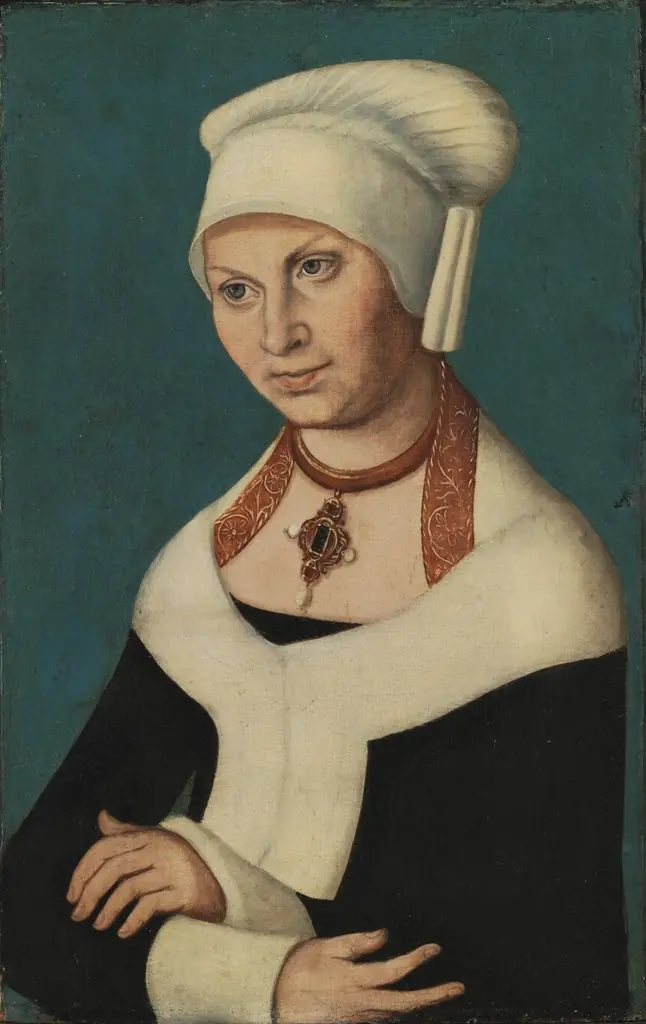 Portrait of the Duchess Barbara of Saxony, 1478-1534 (wife of George the Bearded)
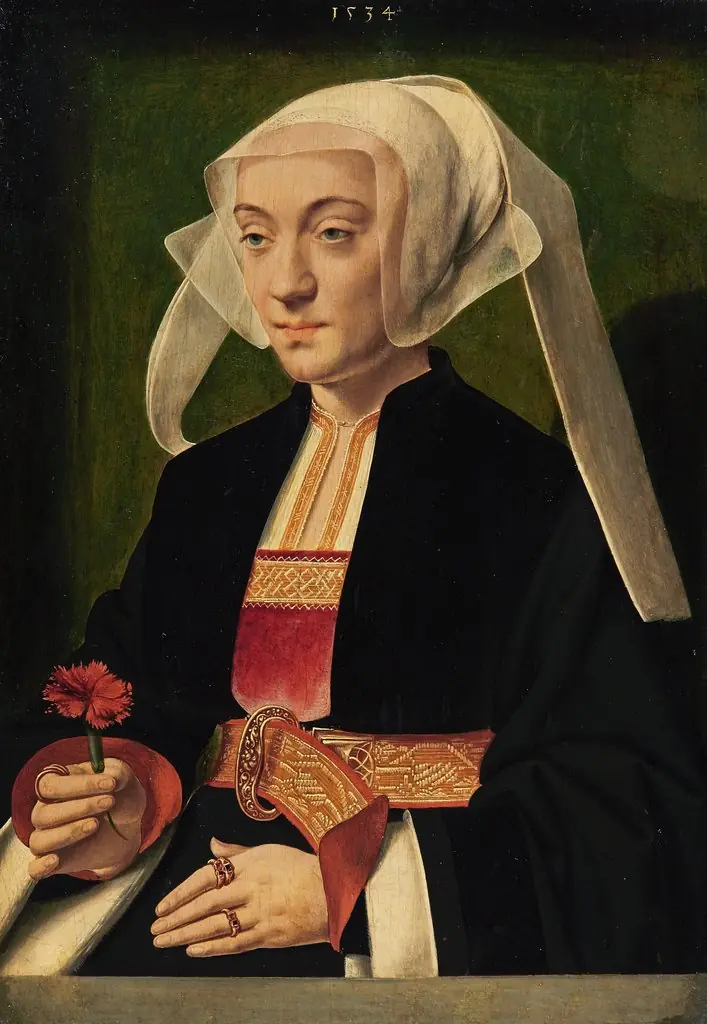 Portrait of a Woman
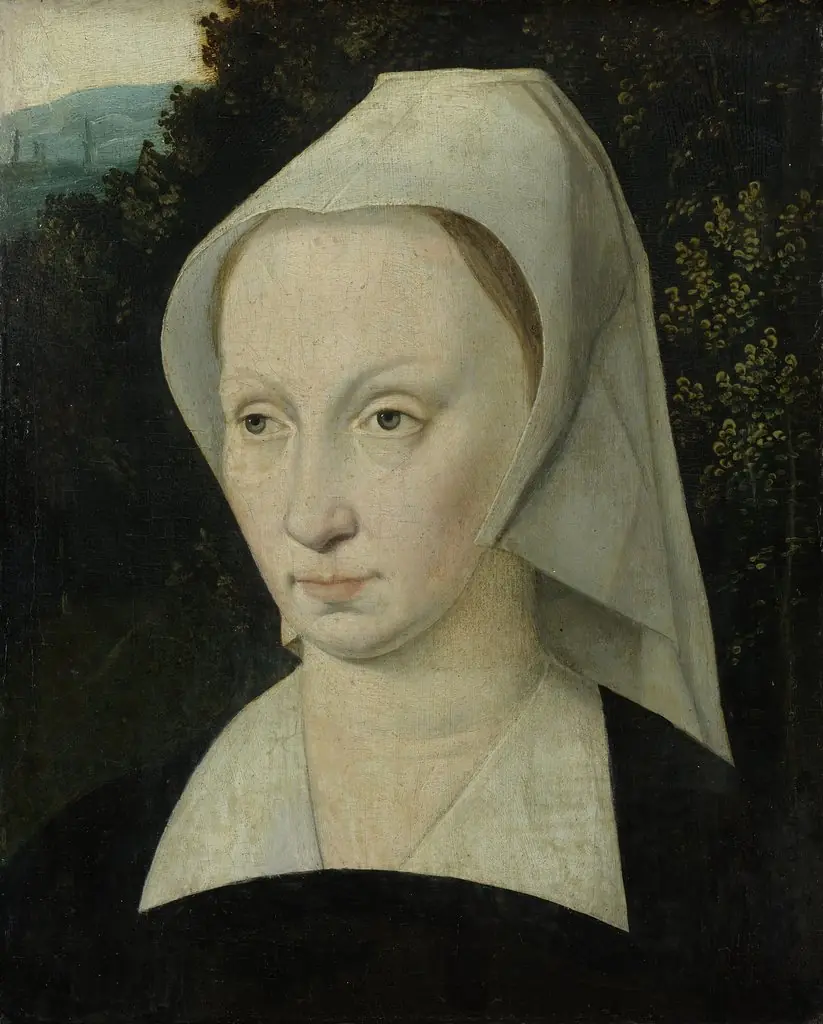 Portrait of a woman
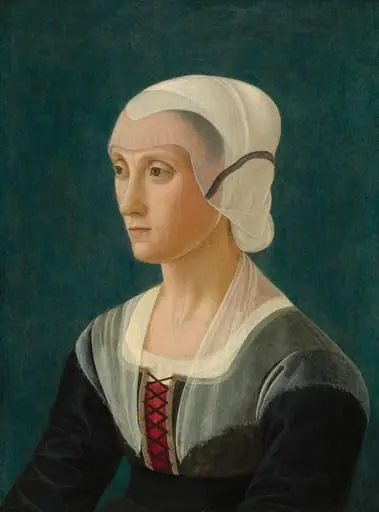 Lucrezia Tornabuoni
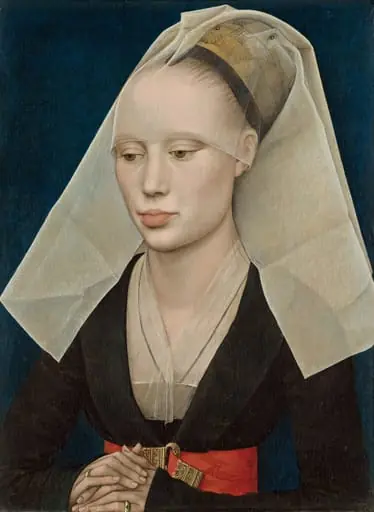 Portrait of a Lady
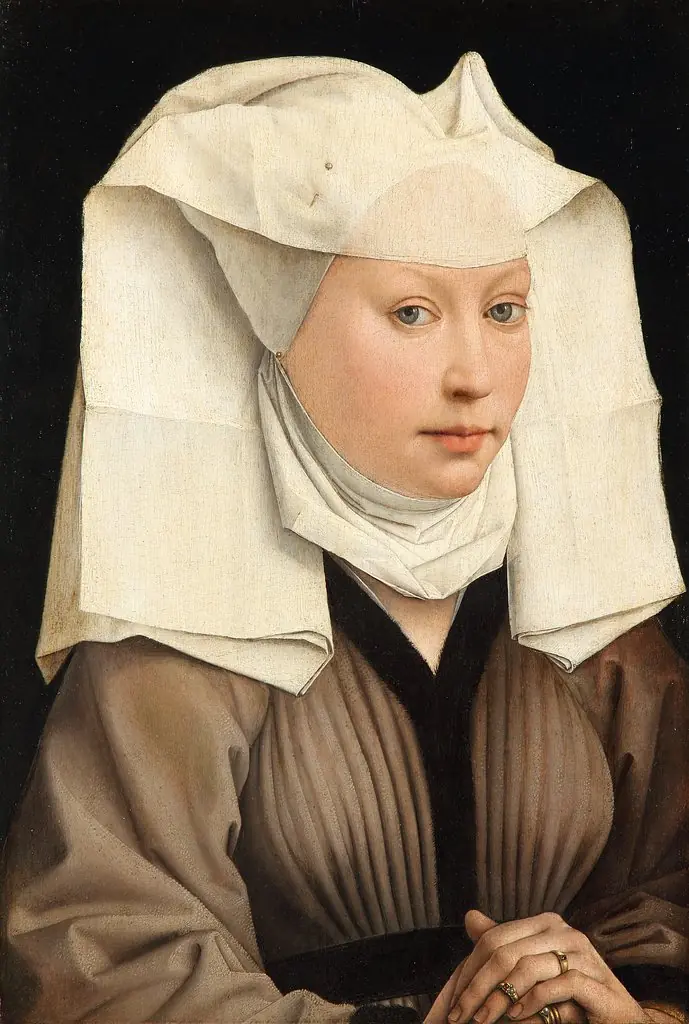 Portrait of a Young woman with a Winged Bonnet
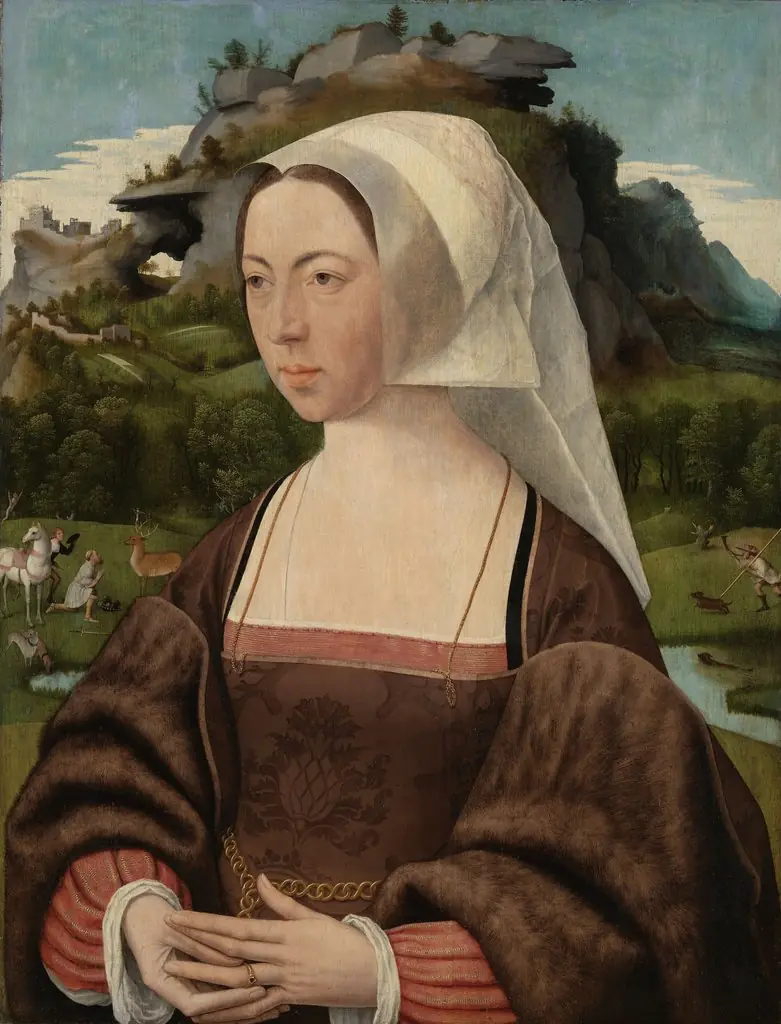 A Woman
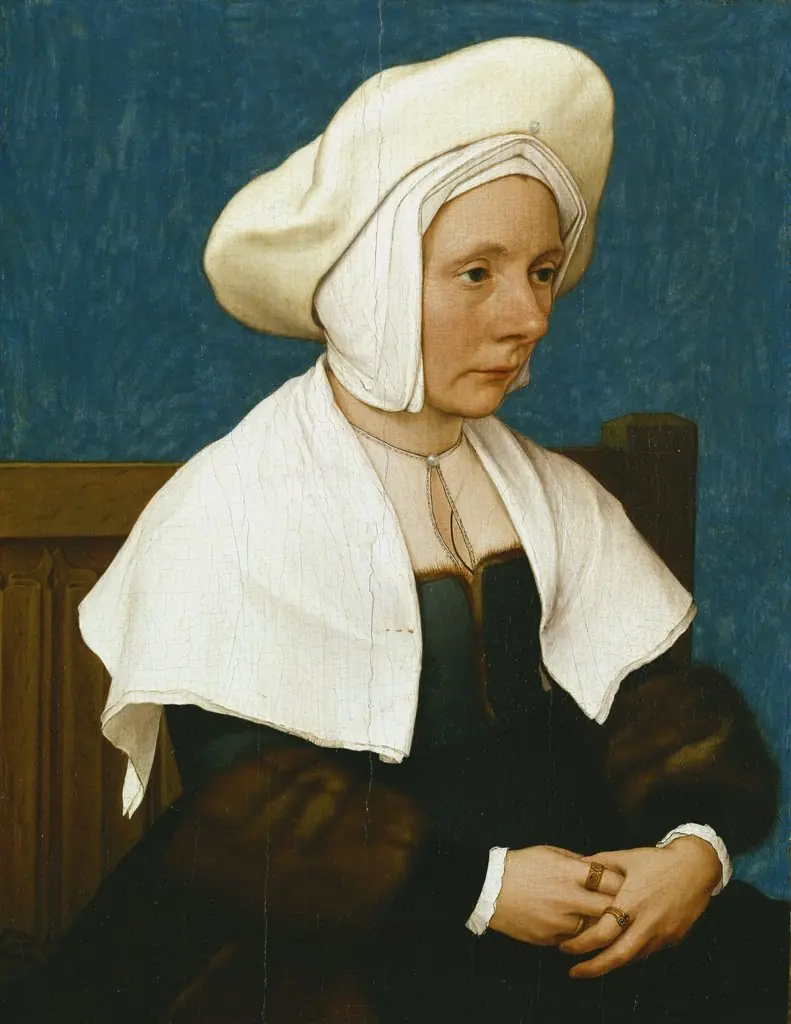 Portrait of a Woman
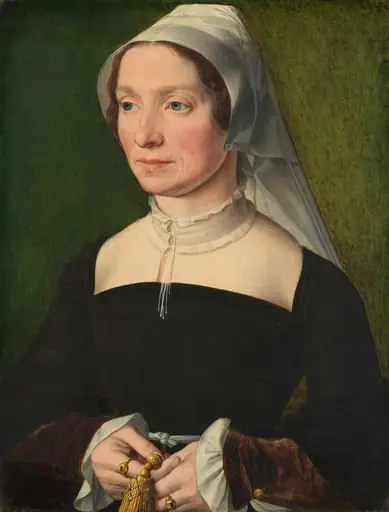 Wife of a Member of the de Hondecoeter Family
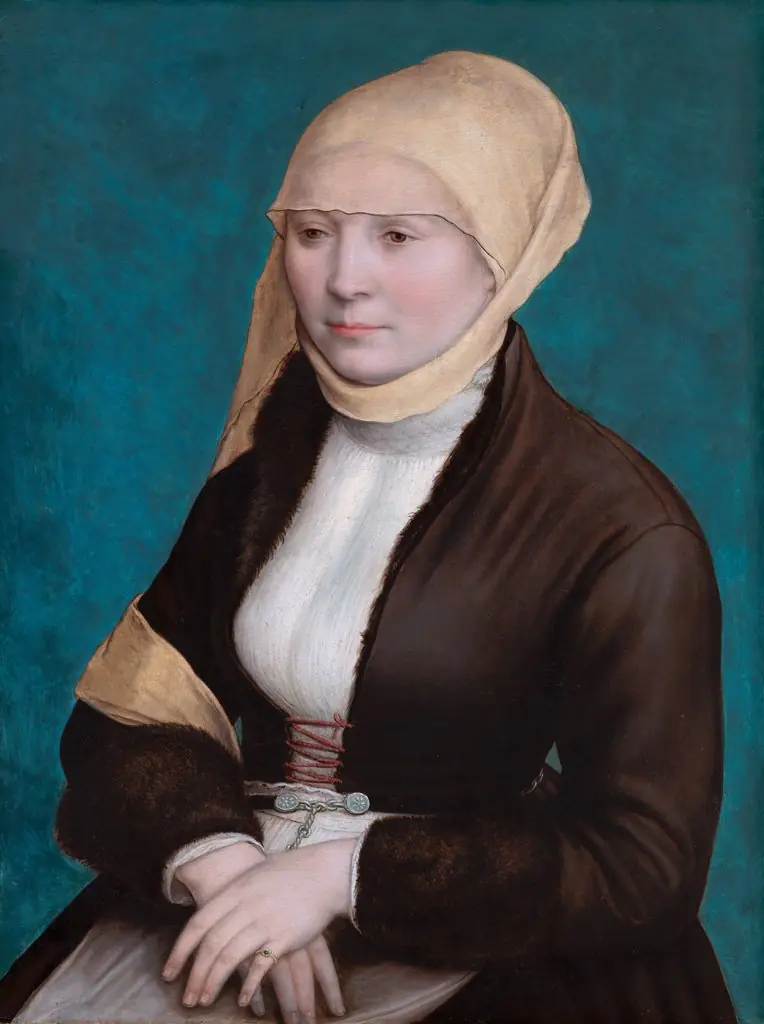 Portrait of a woman from southern Germany
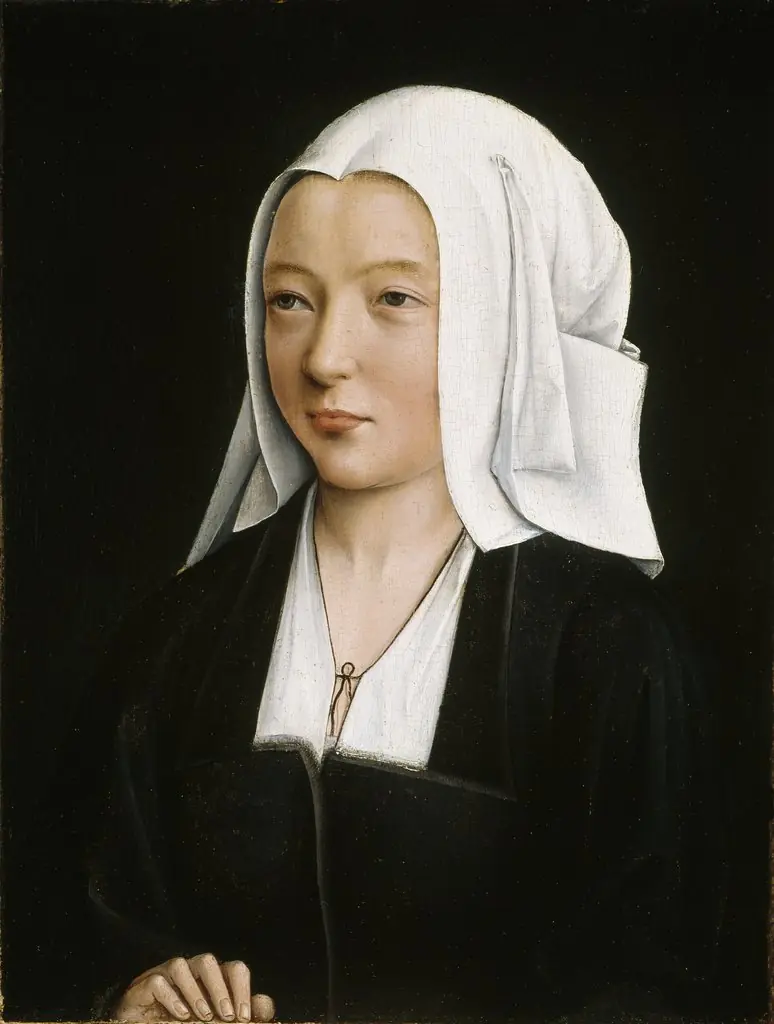 Portrait of a Young Woman