Artwork
Apelles malt Kampaspe
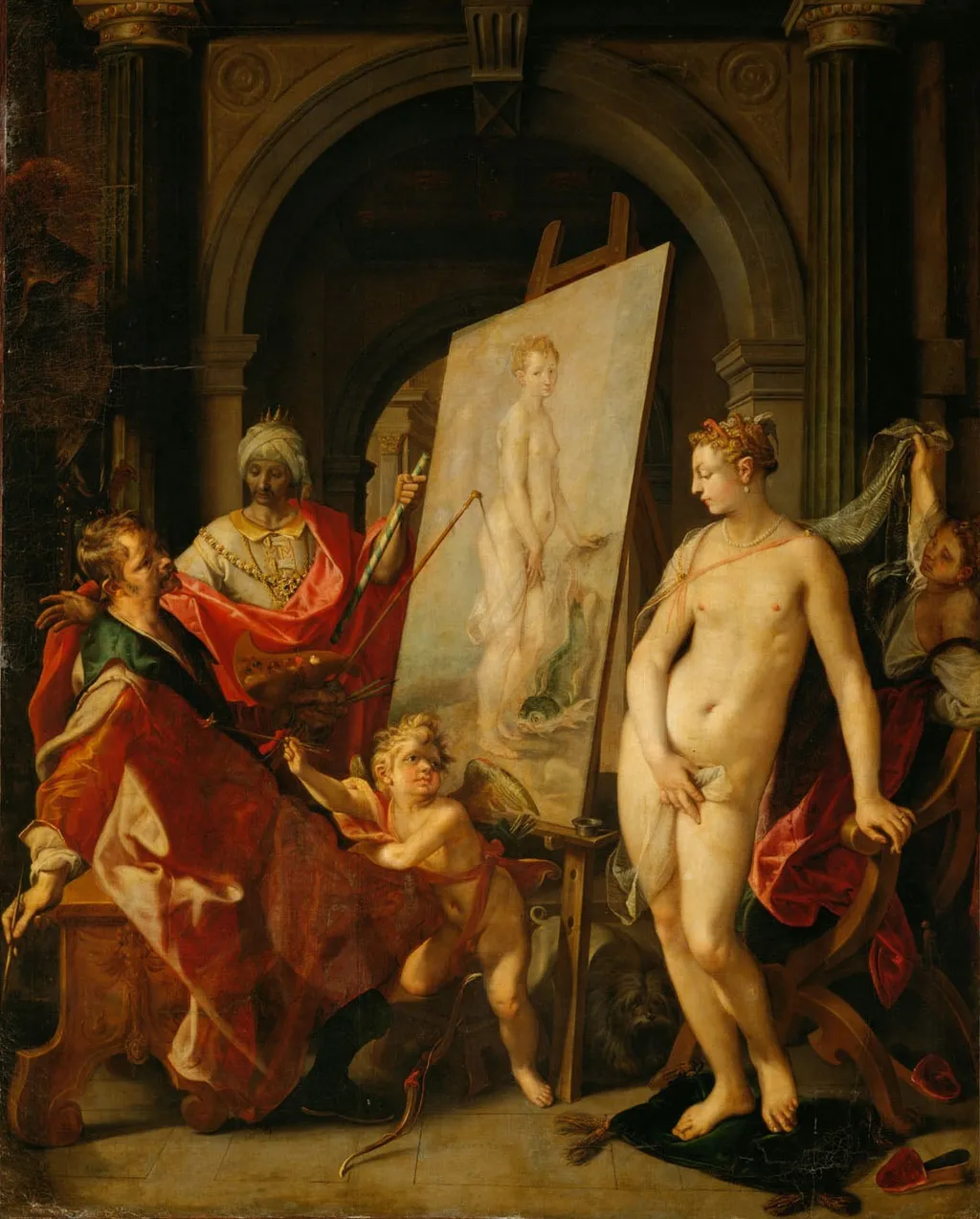
Apelles malt Kampaspe is an unspecified painting by the Flemish Baroque painting artist Joos van Winghe. It dates from 1600 and is held in the collection of the Kunsthistorisches Museum.
About this work
Overview
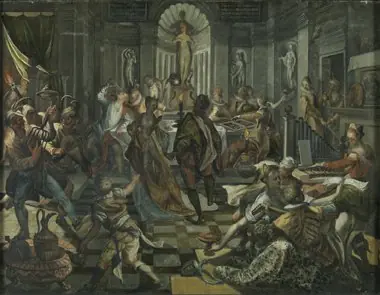
Created in 1600, *Apelles malt Kampaspe* is an oil painting by the Flemish artist Joos van Winghe. Executed during the late phase of the Flemish Baroque, the work illustrates a classical anecdote about the ancient Greek painter Apelles. It combines a narrative scene with a still‑life depiction of a painted nude, set within an interior space framed by a large arch.
Subject & Meaning
The composition references a legend in which Apelles paints the figure of Kampaspe, a beautiful woman whose likeness is shown on an easel. The surrounding figures— a robed man with a scepter, a child with a bow, and a standing attendant—appear to observe the artwork, suggesting themes of artistic creation, admiration, and perhaps the interplay between reality and representation.
Technique & Style
Strong contrasts of light and shadow create a chiaroscuro effect that models the figures and emphasizes the central painted nude.
Winghe employs a pronounced Mannerist vocabulary, evident in the elongated poses and intricate drapery. Strong contrasts of light and shadow create a chiaroscuro effect that models the figures and emphasizes the central painted nude. The interior is rendered with careful attention to architectural detail, while the palette balances deep reds, muted earth tones, and the luminous flesh of the depicted woman.
History & Provenance
Born in Brussels, Joos van Winghe served as a court painter before moving to Frankfurt after Antwerp’s fall in 1584. Under the patronage of Holy Roman Emperor Rudolf II, he refined his style toward the mannered elegance seen in this canvas. The painting’s early ownership records are sparse, but it remained within Central European collections linked to Rudolf’s court.
Context
The work reflects the late‑16th‑century fascination with classical antiquity and the role of the artist as a learned figure. By portraying Apelles—a model of artistic perfection—Winghe aligns himself with the humanist ideals promoted by Rudolf II’s court, where art, science, and mythology were often intertwined.
Artist & collection
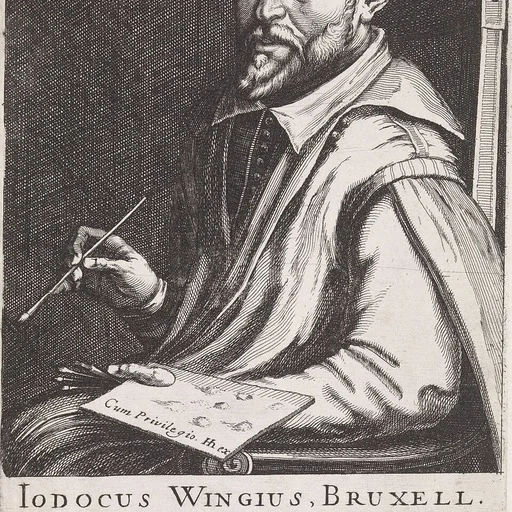
Artist
Joos van Winghe, Jodocus a Winghe or Jodocus van Winghen (1544–1603) was a Flemish painter and print designer.

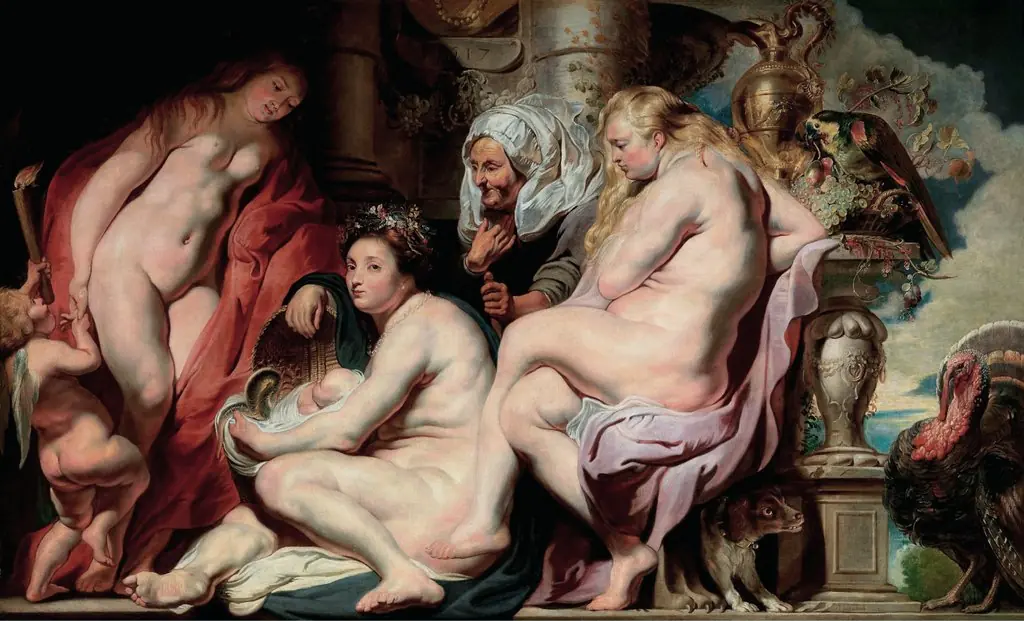 The Daughters of Cecrops Finding the Child Erichthonius
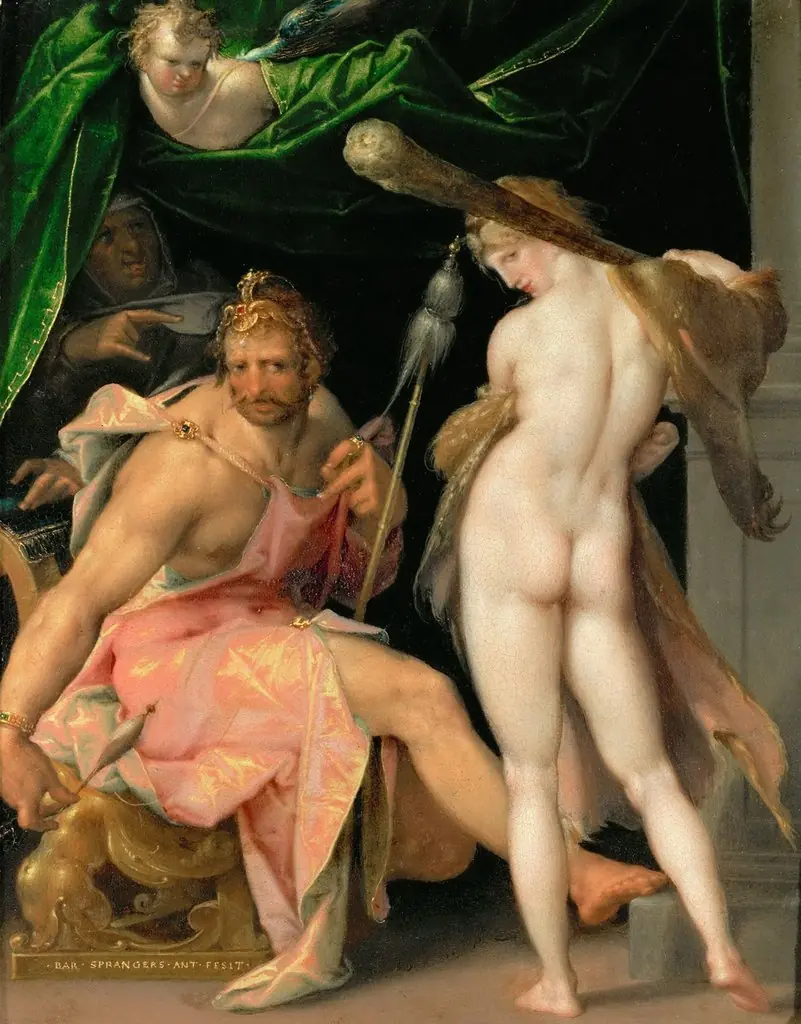 Herakles and Omphale
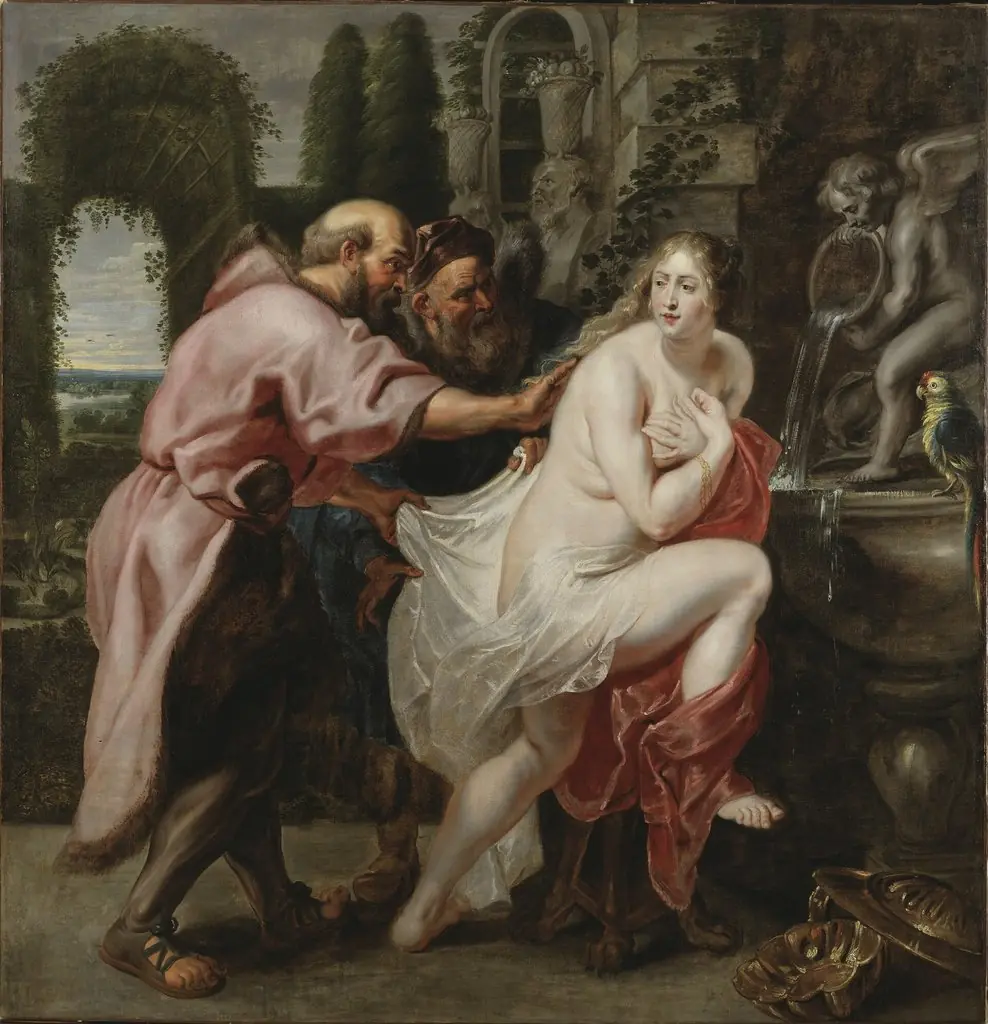 Susanna and the Elders
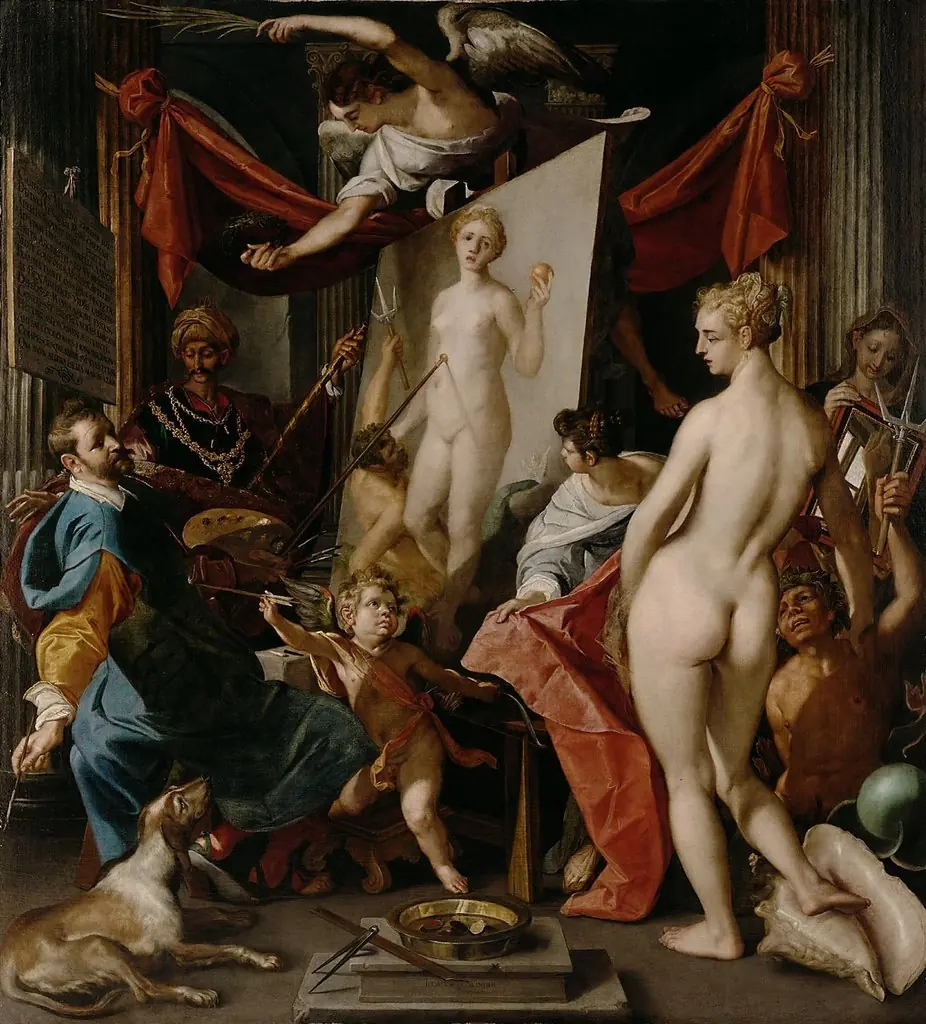
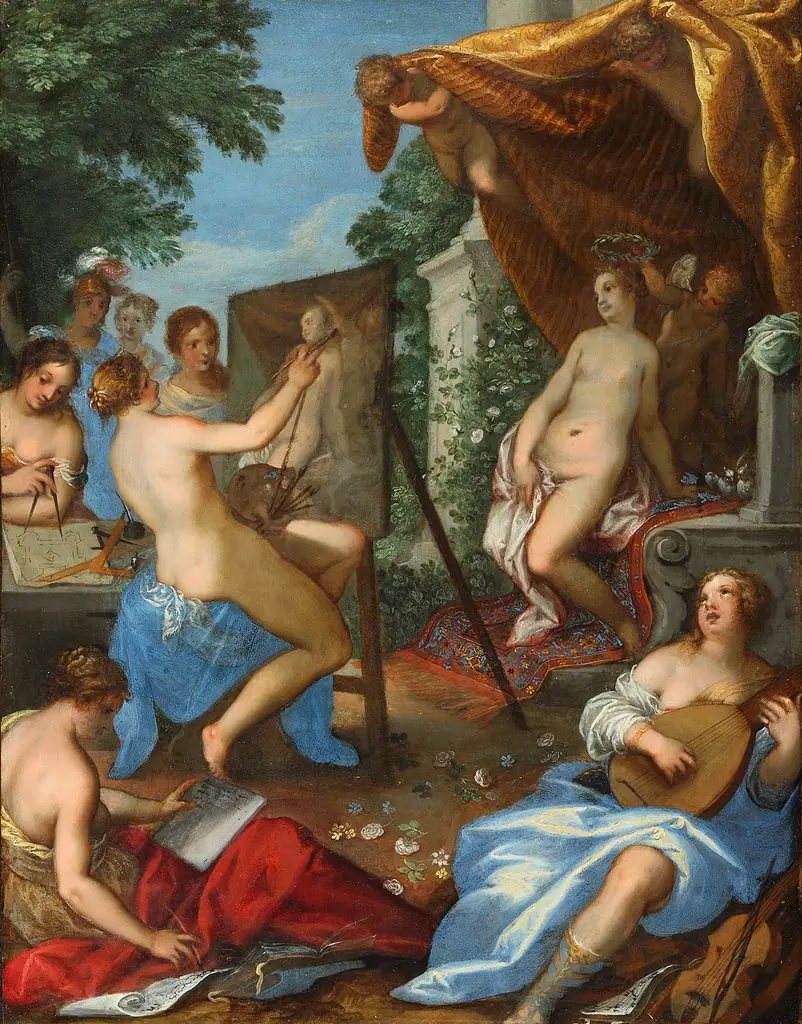 Allegory of Arts with Venus and Pictura painting
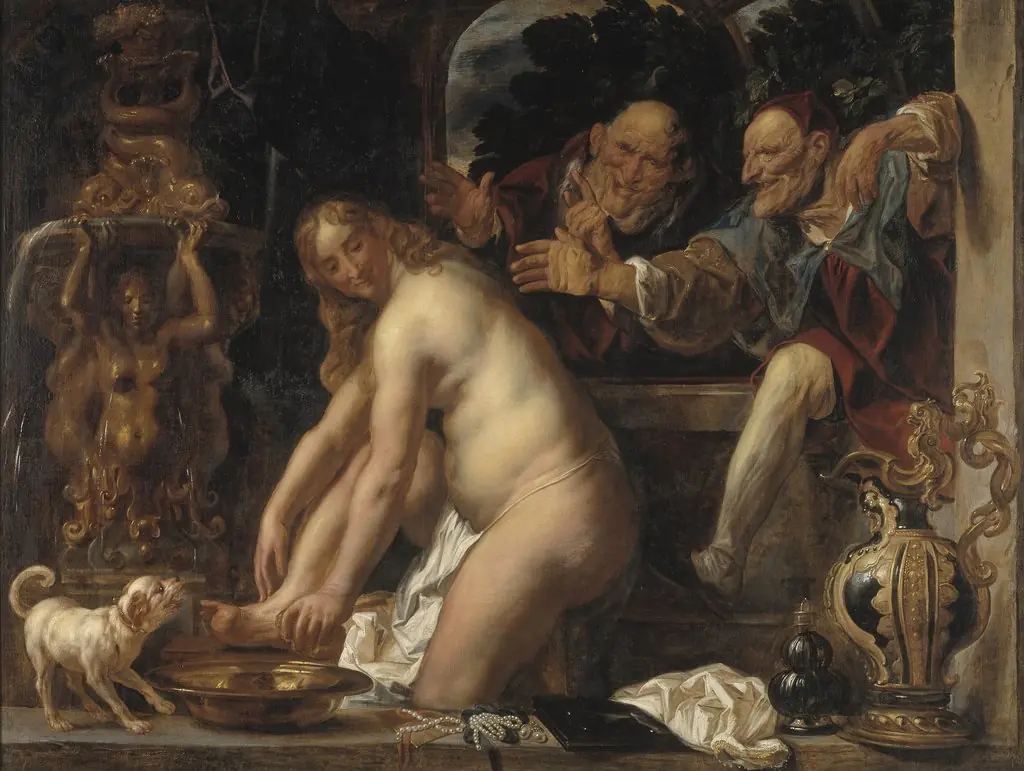 Susanna and the Elders
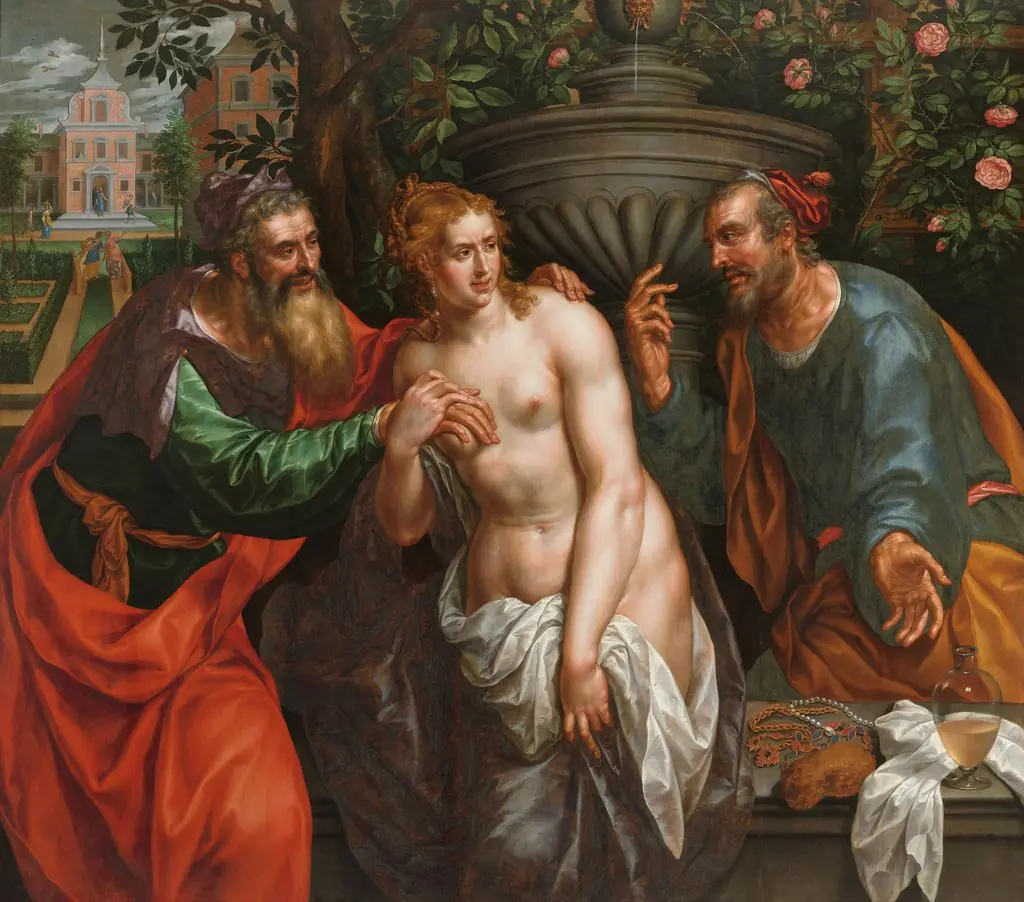 Susanna and the elders
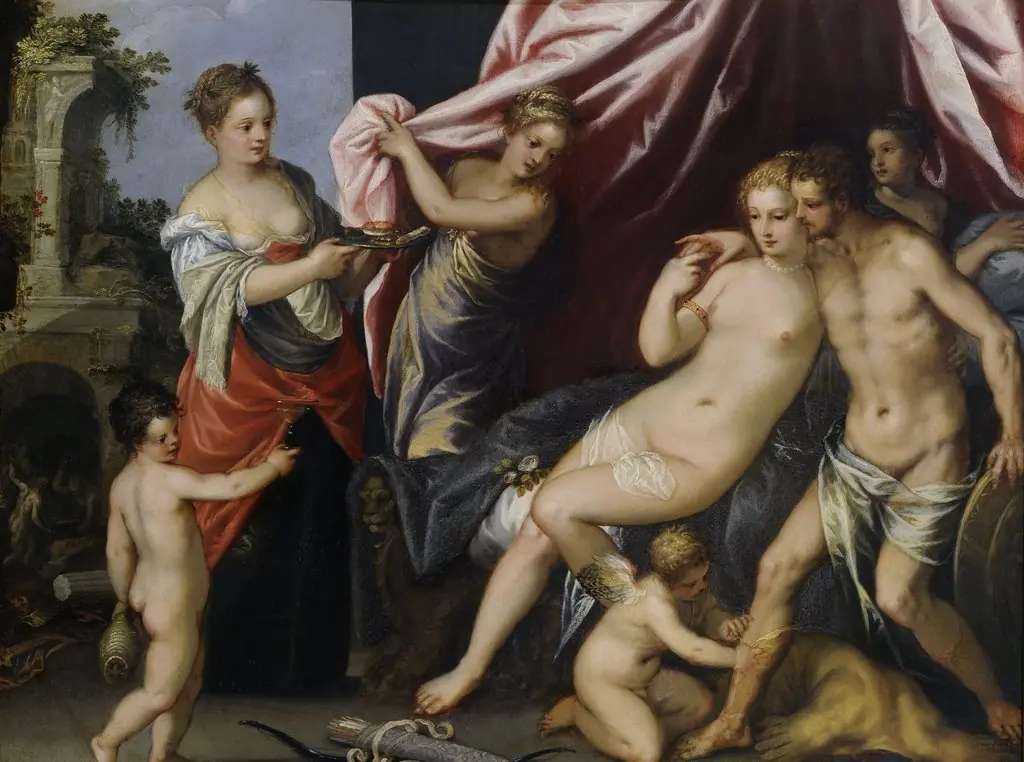 Venus and Mars
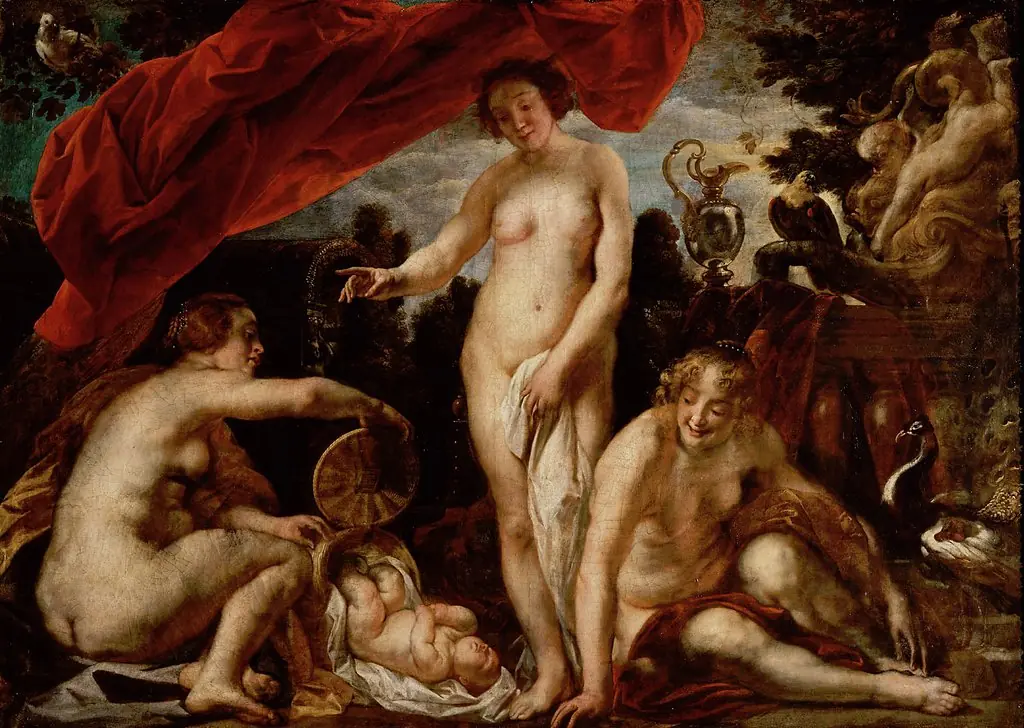 Daughters of Kekrops Finding Erichthonios.
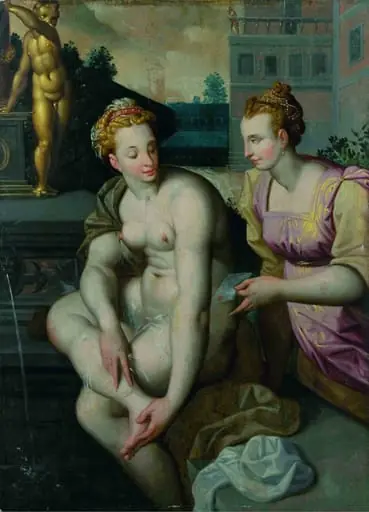 Betsabeea primind o scrisoare de la regele David
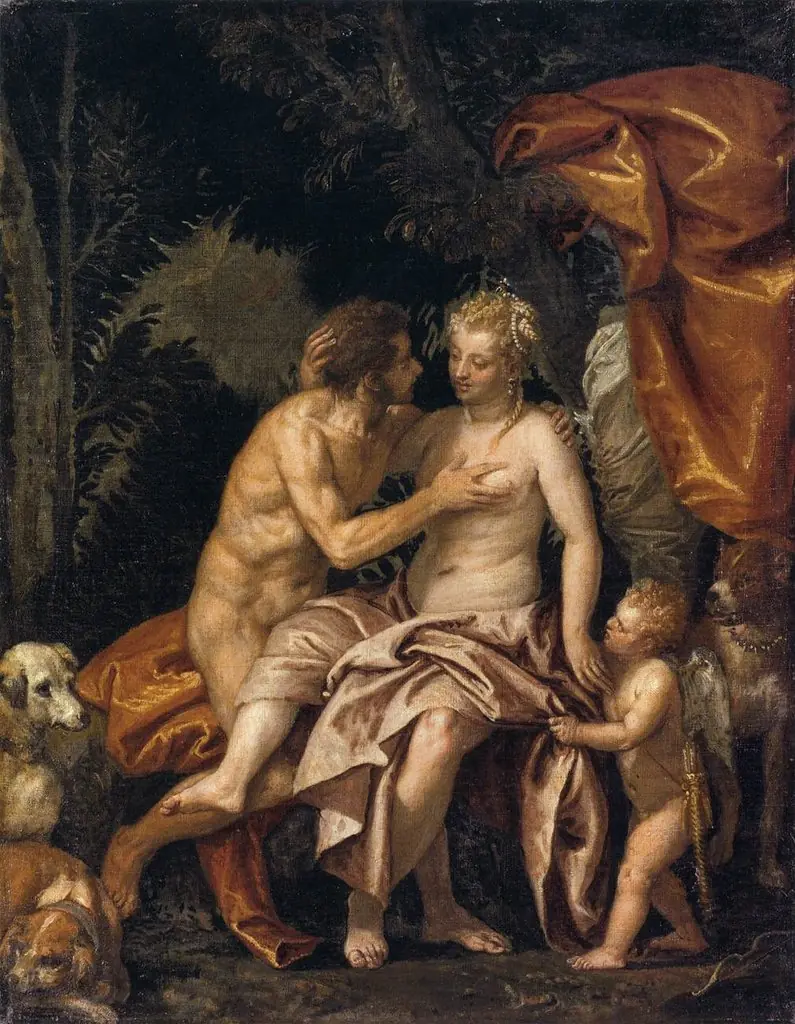 Venus and Adonis
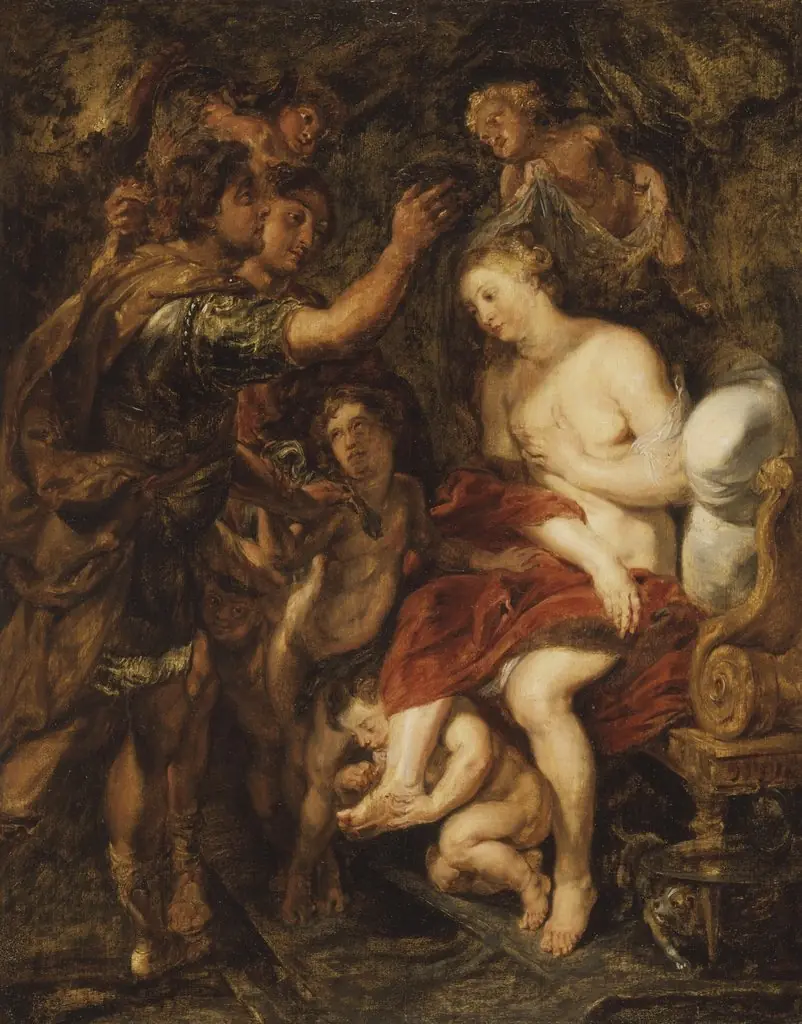 The Crowning of Roxana