Artwork
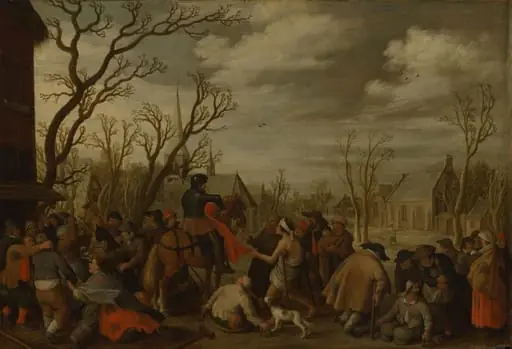
Dorfplünderung
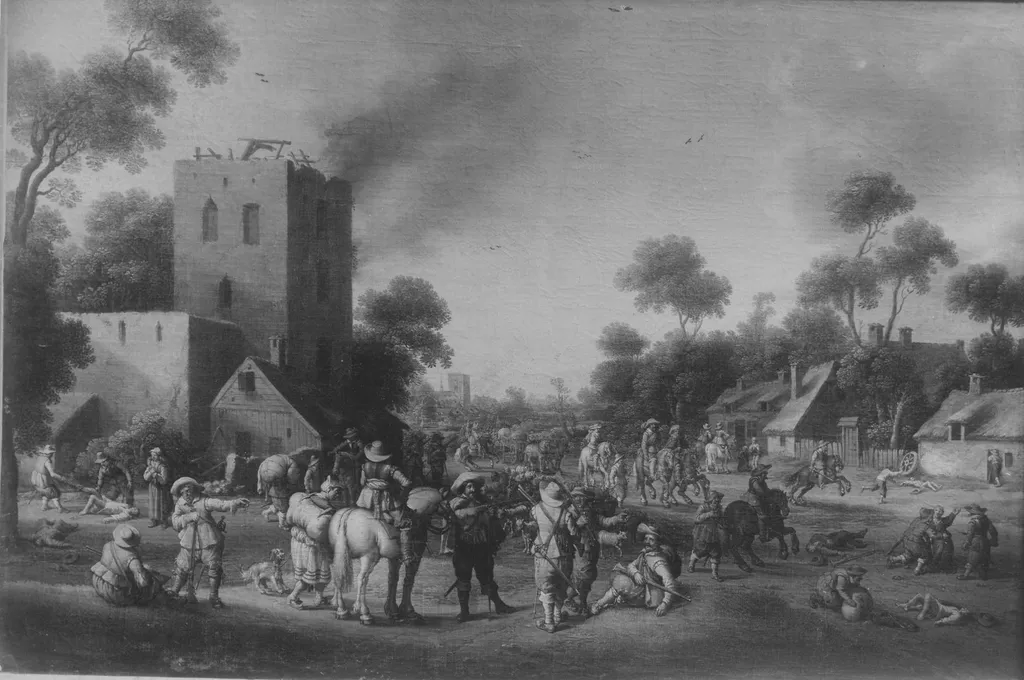
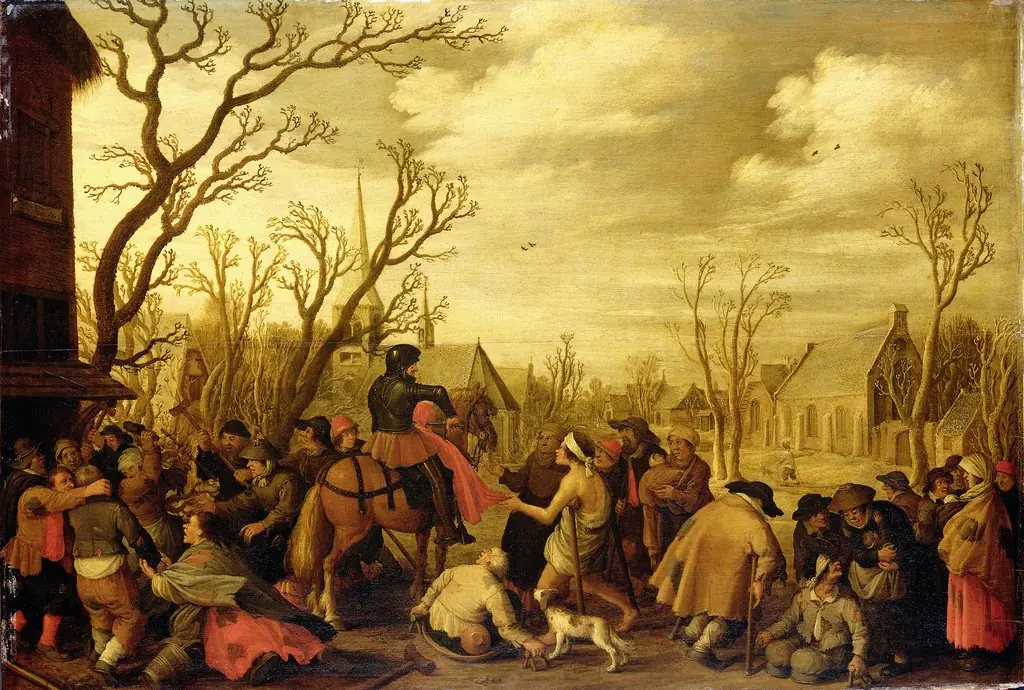
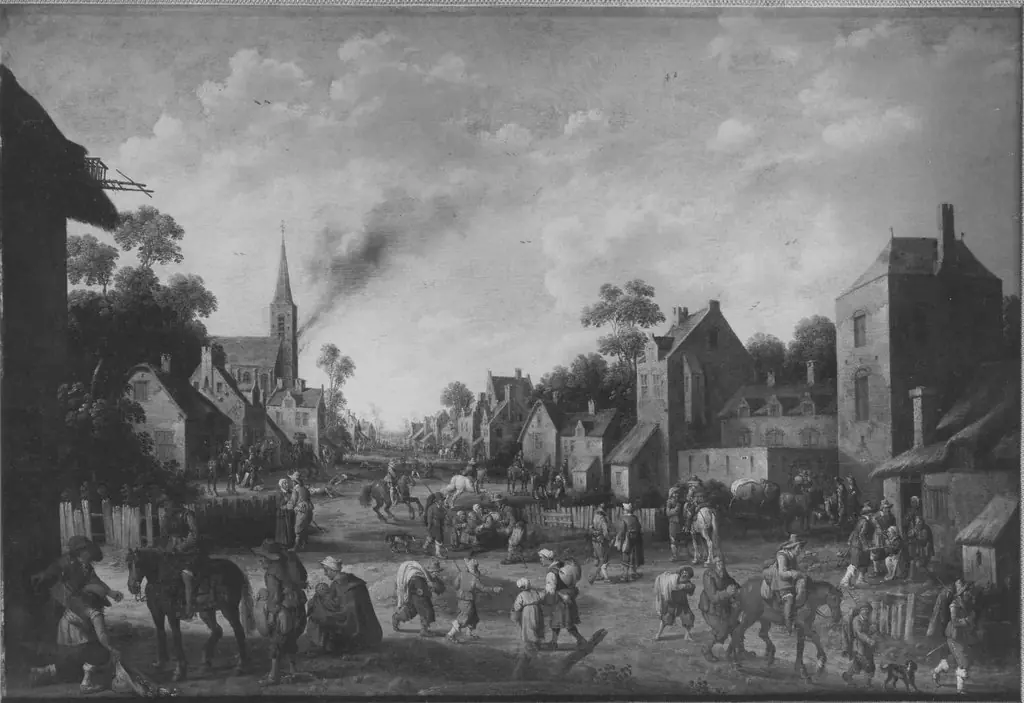
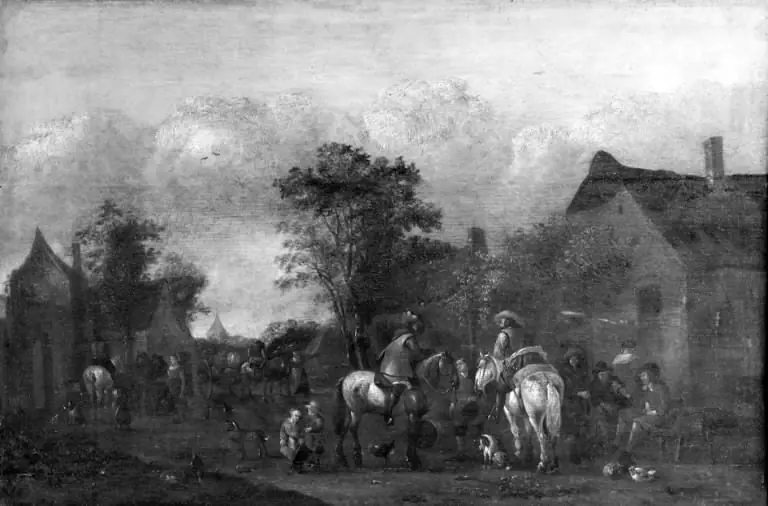
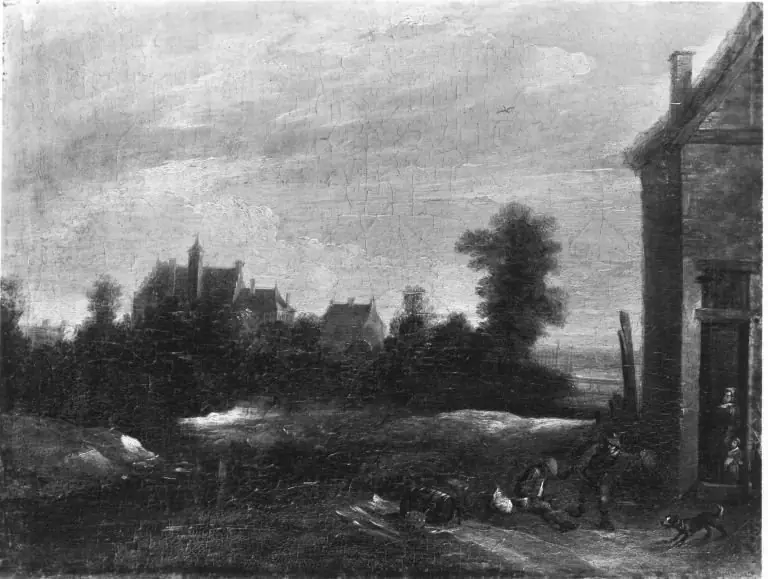
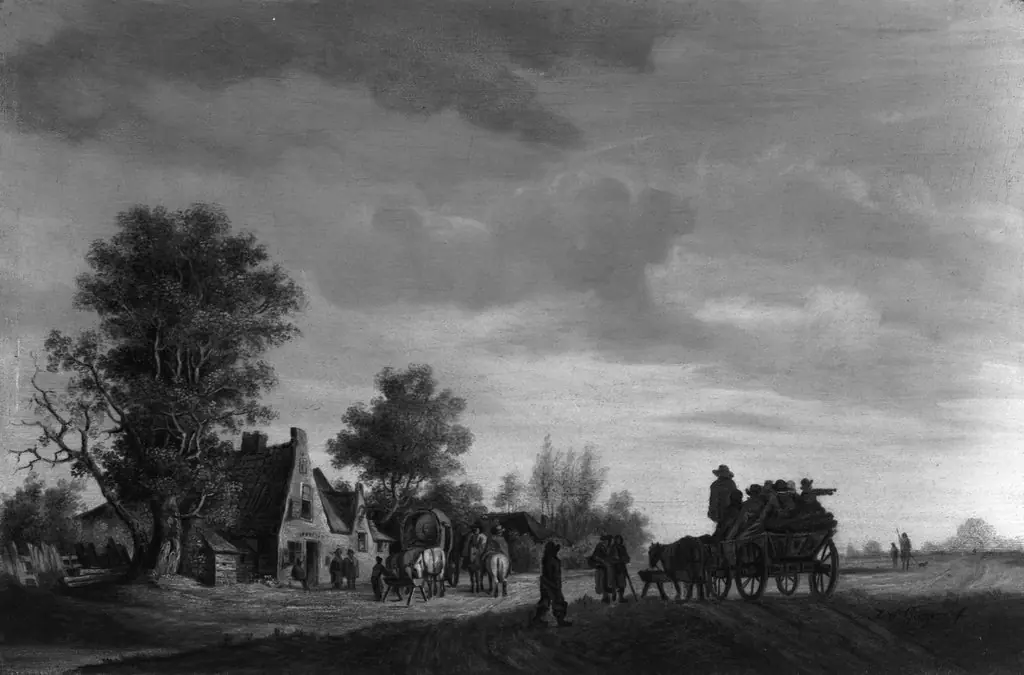
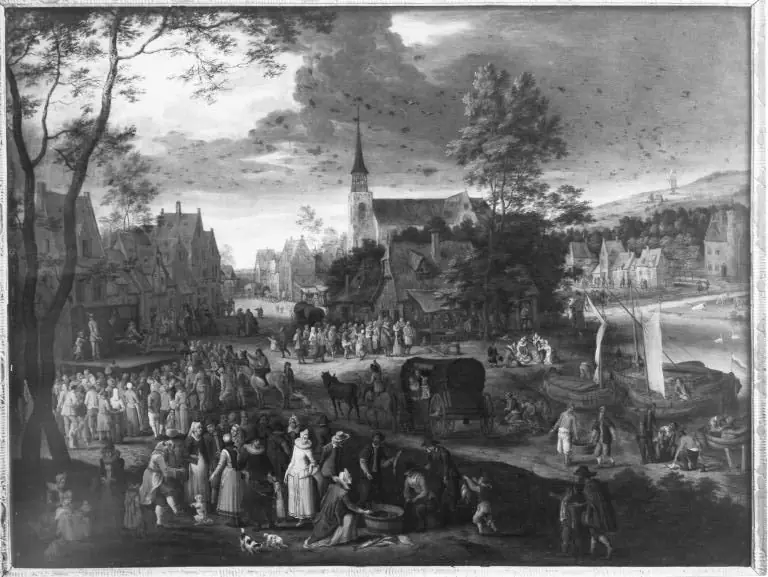
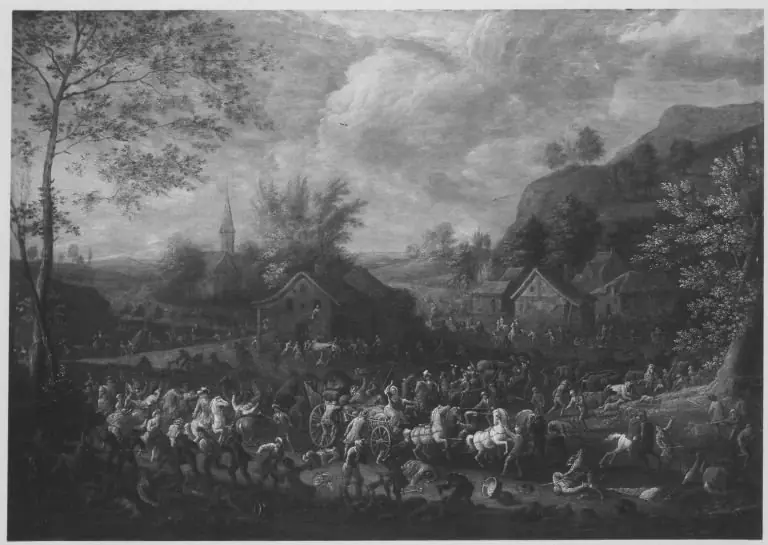
Dorfplünderung is an unspecified painting by the Dutch Golden Age artist Joost Cornelisz Droochsloot. It dates from 1626 and is held in the collection of the Bavarian State Painting Collections.
About this work
Overview
It remains part of the Alte Pinakothek’s collection, where it contributes to the museum’s broader representation of 17th-century Dutch narrative painting.
Painted in 1626 by Joost Cornelisz Droochsloot, *Dorfplünderung* is a genre scene capturing the turmoil of a rural village under attack. Created during the Dutch Golden Age, the work reflects the artist’s interest in everyday life marked by disorder and human conflict. It remains part of the Alte Pinakothek’s collection, where it contributes to the museum’s broader representation of 17th-century Dutch narrative painting.
Subject & Meaning
The painting portrays a village ravaged by violence, with figures scrambling amid horses and burning structures. Droochsloot does not glorify the chaos but presents it as a sobering depiction of societal breakdown. The scene suggests the consequences of war on civilian life, aligning with contemporary moral concerns about lawlessness and the fragility of community order in wartime.
Technique & Style
Droochsloot employs a dense, active composition with multiple figures in motion, arranged to guide the eye across the canvas. His brushwork is precise yet energetic, capturing textures of fabric, wood, and animal fur. The palette is muted, dominated by earth tones, enhancing the grim realism. Depth is suggested through layered background elements, while foreground details intensify the sense of immediacy.
History & Provenance
The painting was completed in 1626 and entered the Alte Pinakothek’s holdings in the 19th century, likely through the Bavarian royal collection. Its documented presence in the museum since then confirms its longstanding recognition within European art institutions. No significant alterations or reattributions are recorded, supporting its consistent identification as Droochsloot’s work.
Context
Created during the Thirty Years’ War, the painting resonates with the widespread disruption affecting the Low Countries. Though the Netherlands was largely at peace, neighboring regions suffered raids and troop movements, making such scenes familiar through reports and travelers’ accounts. Droochsloot’s depiction draws from this broader anxiety, translating distant violence into intimate, local terms.
Legacy
Droochsloot’s *Dorfplünderung* stands as a representative example of Dutch genre painting that engages with social unrest rather than idealized rural life. While not widely reproduced, it remains a key reference in studies of war’s impact on civilian communities in early modern art. Its inclusion in a major European collection underscores its enduring scholarly value.
Artist & collection
Artist
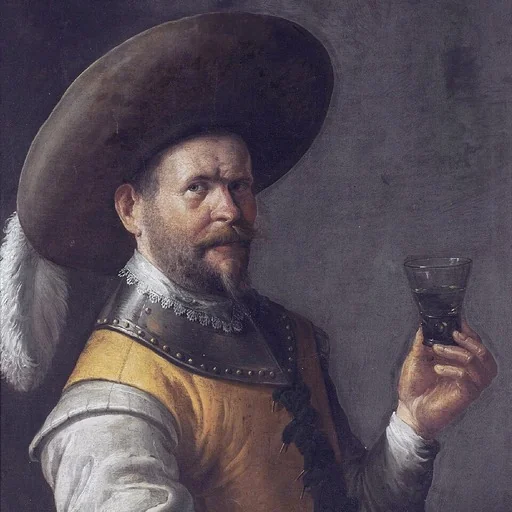
Joost Cornelisz Droochsloot or Droogsloot (1586 – May 14, 1666), was a Dutch painter of village scenes, landscapes, genre pictures, moral allegories and biblical stories.