Artwork
Soldaten ziehen durch ein Dorf
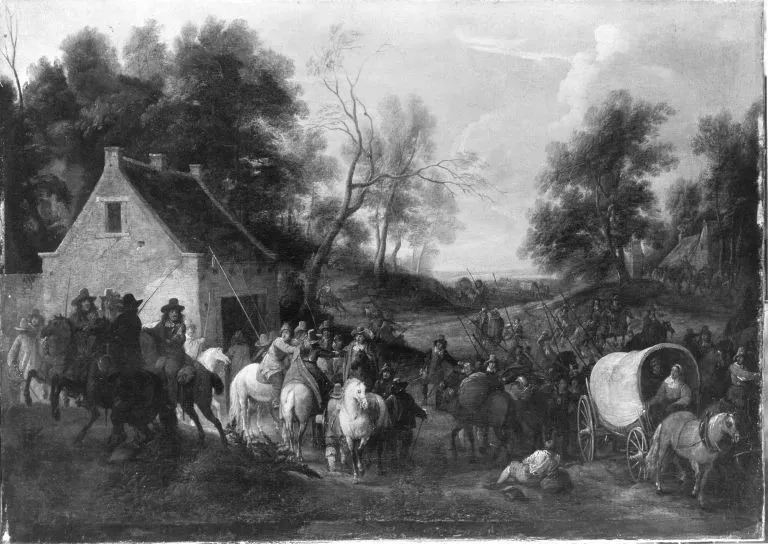
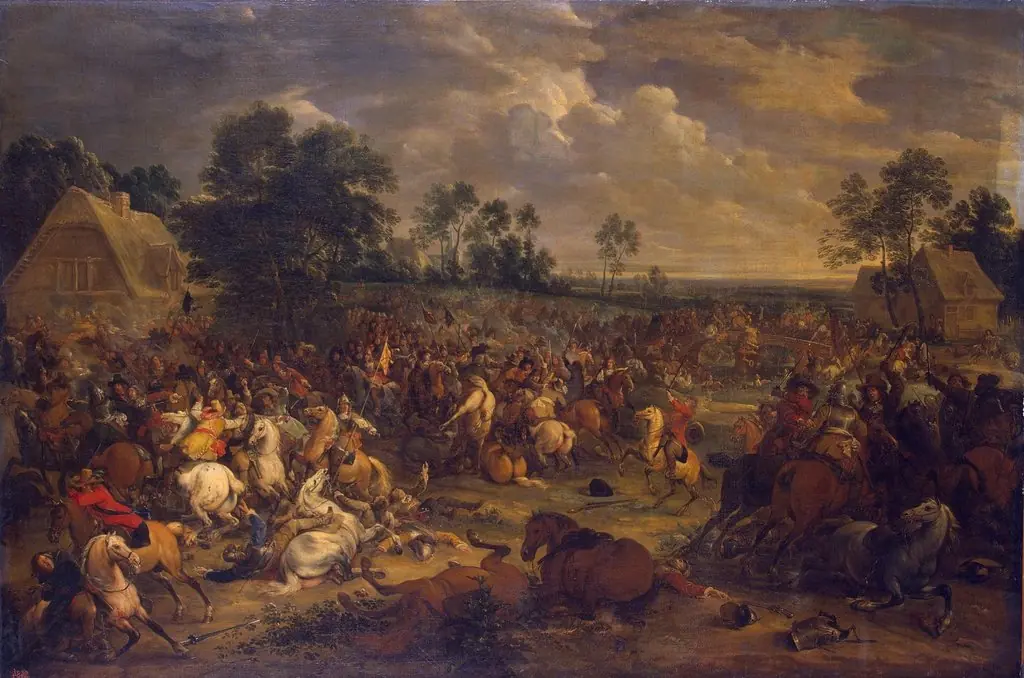
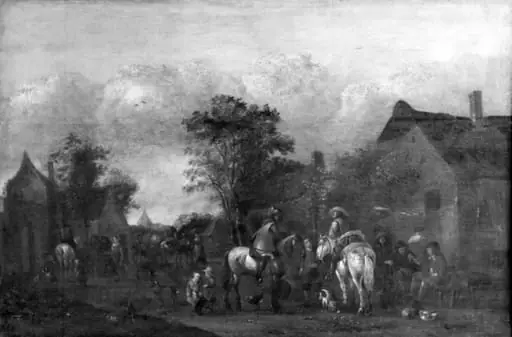
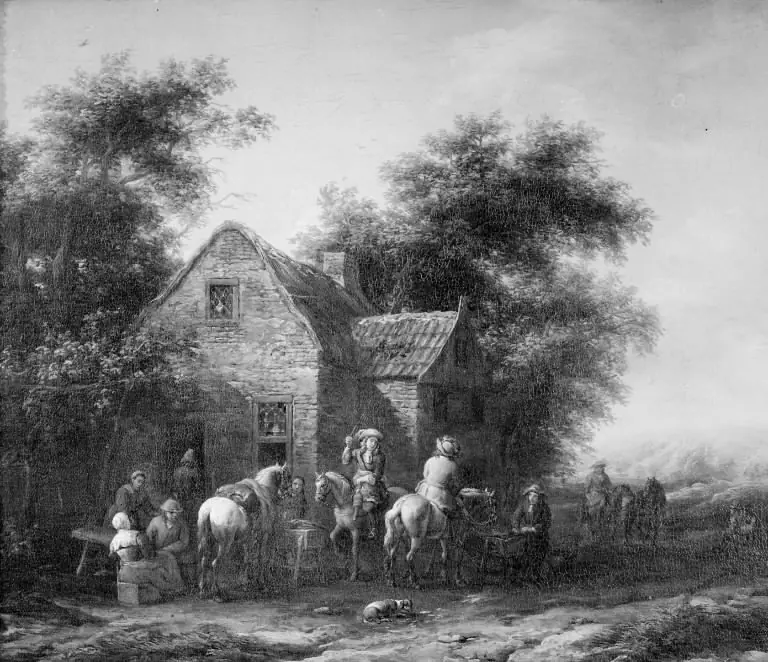
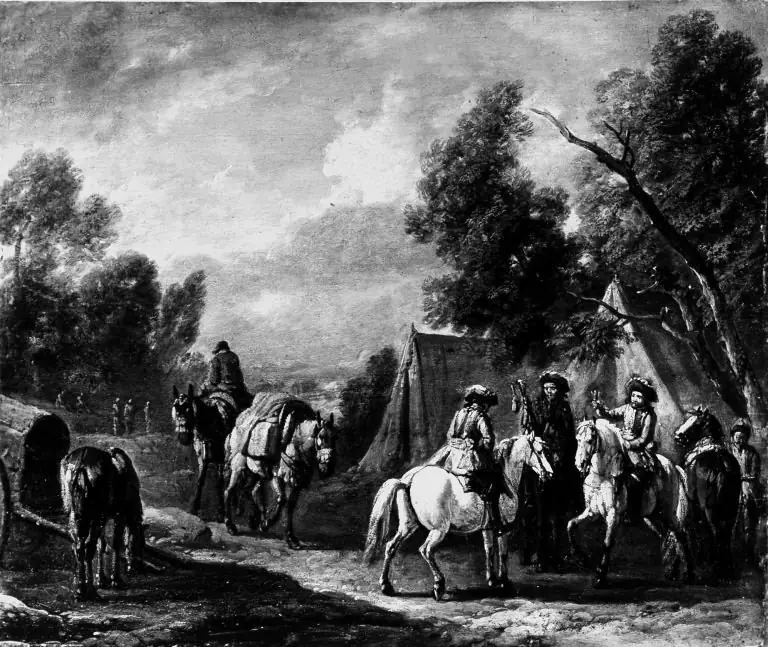
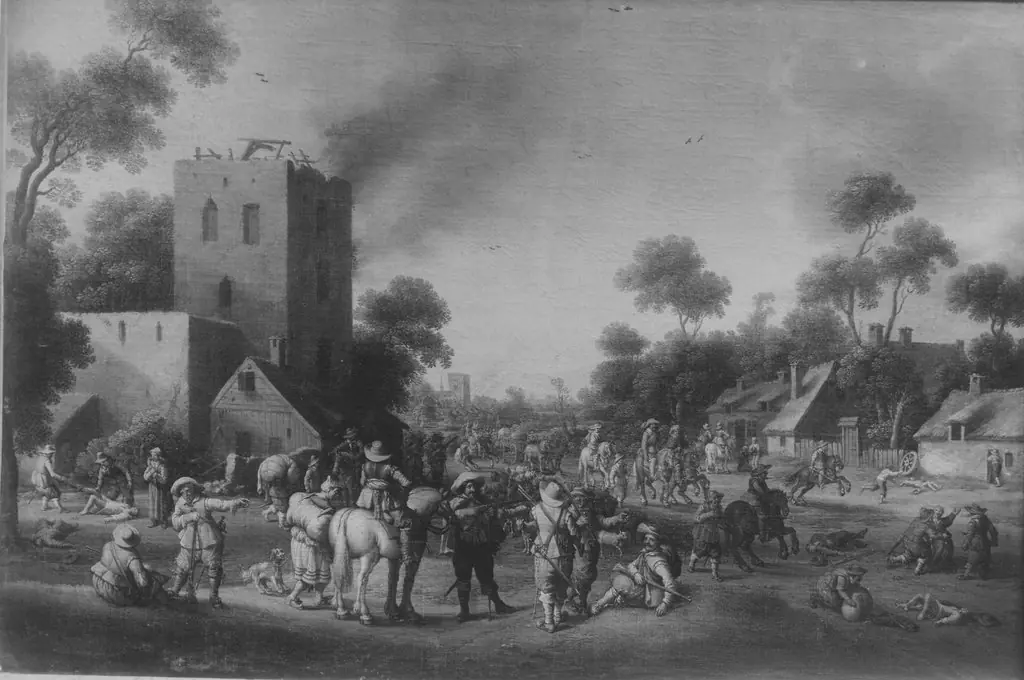
Soldaten ziehen durch ein Dorf is an unspecified painting by the Flemish Baroque painting artist Adam Frans van der Meulen. It dates from 1661 and is held in the collection of the Bavarian State Painting Collections.
About this work
Overview
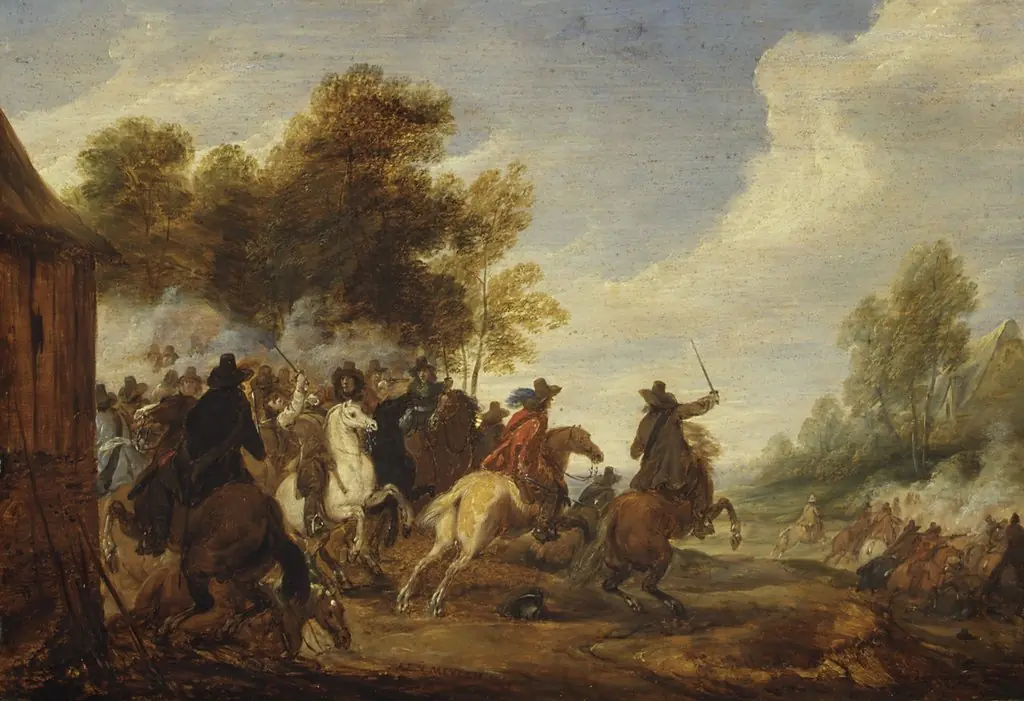
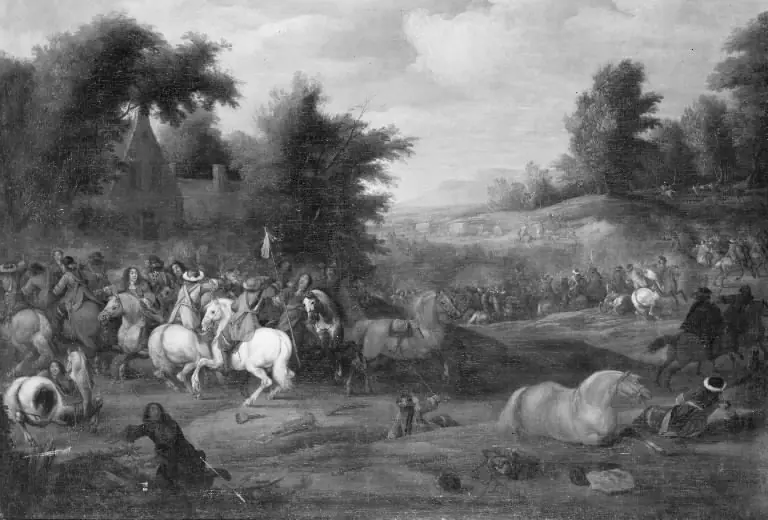
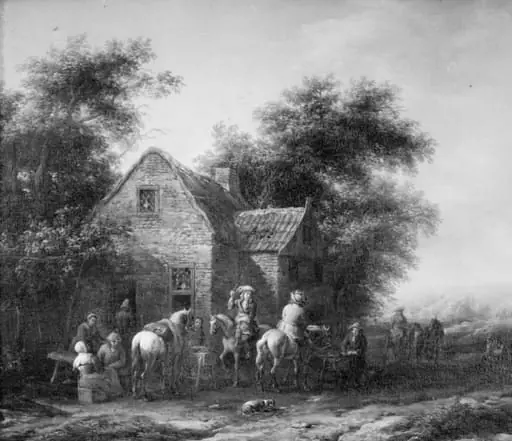
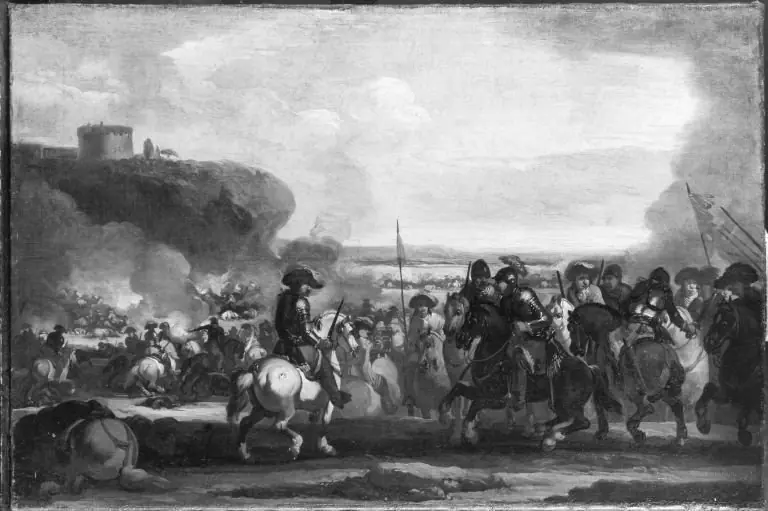
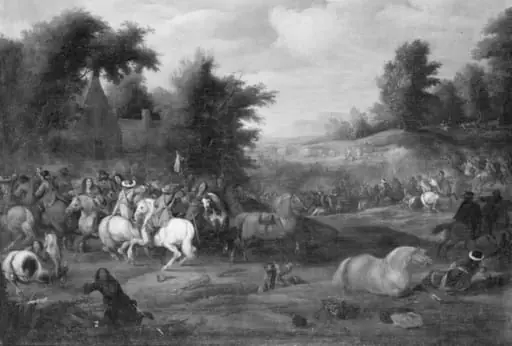
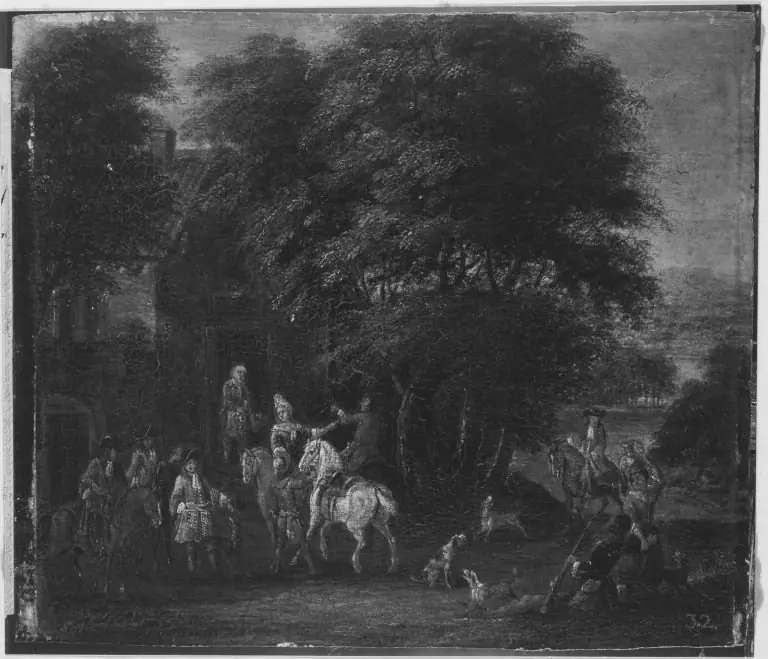
Adam Frans van der Meulen’s 1661 canvas *Soldaten ziehen durch ein Dorf* presents a bustling military procession set within a rural landscape. Executed in the Flemish Baroque idiom, the work captures a moment of armed movement through a village, populated by infantry, cavalry, and a modest architectural backdrop.
Subject & Meaning
The composition foregrounds a clash of soldiers—some on horseback, others on foot—engaged in the turmoil of combat. Fallen combatants and dynamic horse postures convey the disorder of battle, while the surrounding trees and building hint at the intrusion of war into everyday life.
Technique & Style
Van der Meulen employs a chiaroscuro scheme that models figures through contrasts of light and shadow, imparting depth and a dramatic atmosphere. Meticulous attention to the details of uniforms, weapons, and equine anatomy reflects his specialization in military subjects and aligns with the Baroque emphasis on realism and vigor.
History & Provenance
A native of Flanders, van der Meulen served the court of Louis XIV, producing works that documented the French monarch’s campaigns. *Soldaten ziehen durch ein Dorf* entered the collection of the Alte Pinakothek, where it remains part of the museum’s holdings of 17th‑century European painting.
Context
Created during a period when visual representations of warfare were used to reinforce royal authority, the painting illustrates the broader trend of state-sponsored art in the mid‑1600s. Its detailed portrayal of a military column reflects contemporary interests in both the spectacle of war and the technical aspects of its execution.
Artist & collection
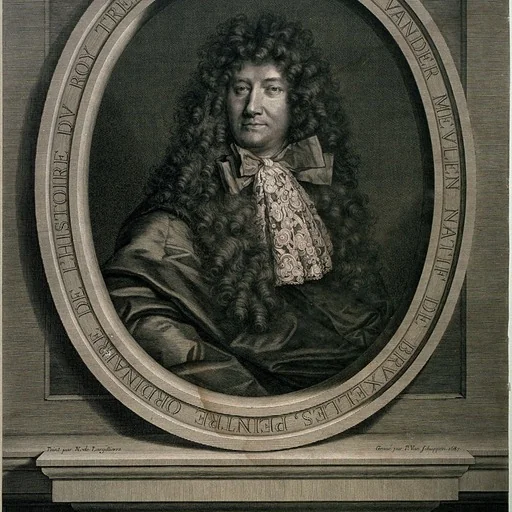
Artist
Adam Frans van der Meulen or Adam-François van der Meulen (11 January 1632 – 15 October 1690) was a Flemish painter and draughtsman who was particularly known for his scenes of military campaigns and conquests.