Artwork
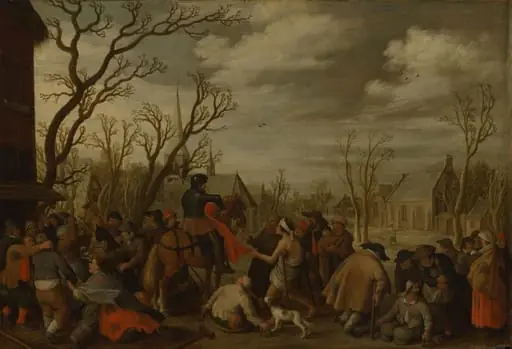
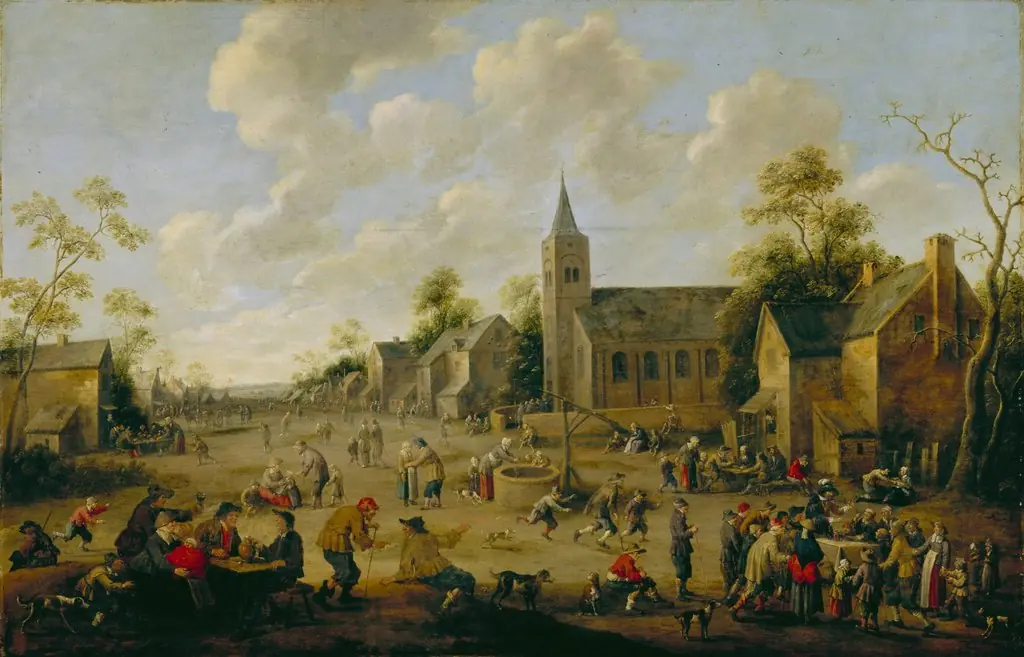
St Martin cutting off part of his cloak for a beggar
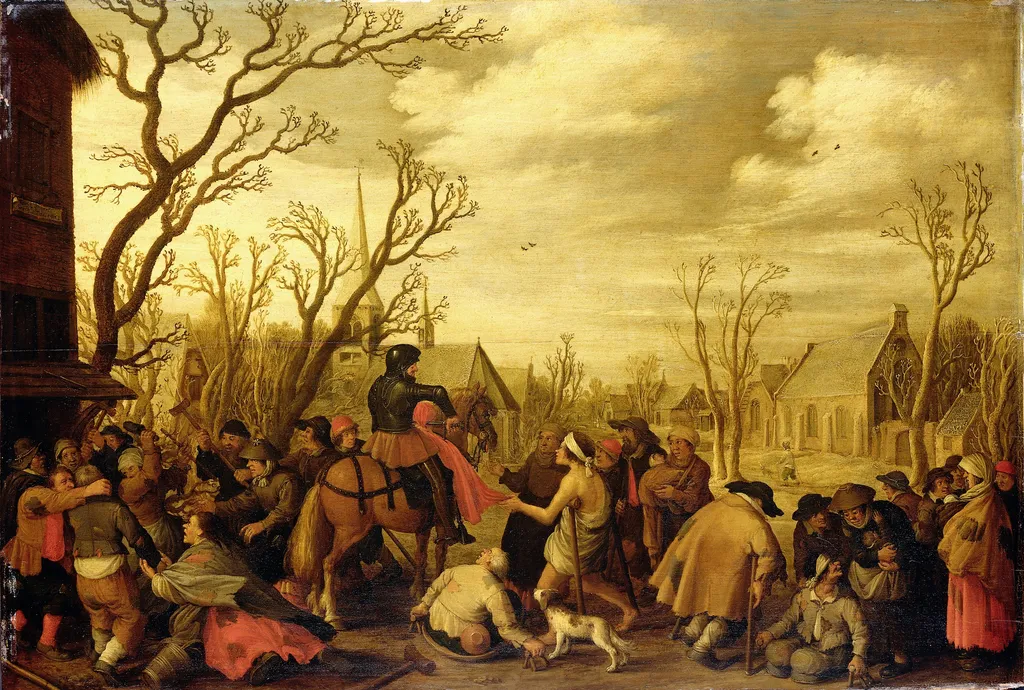
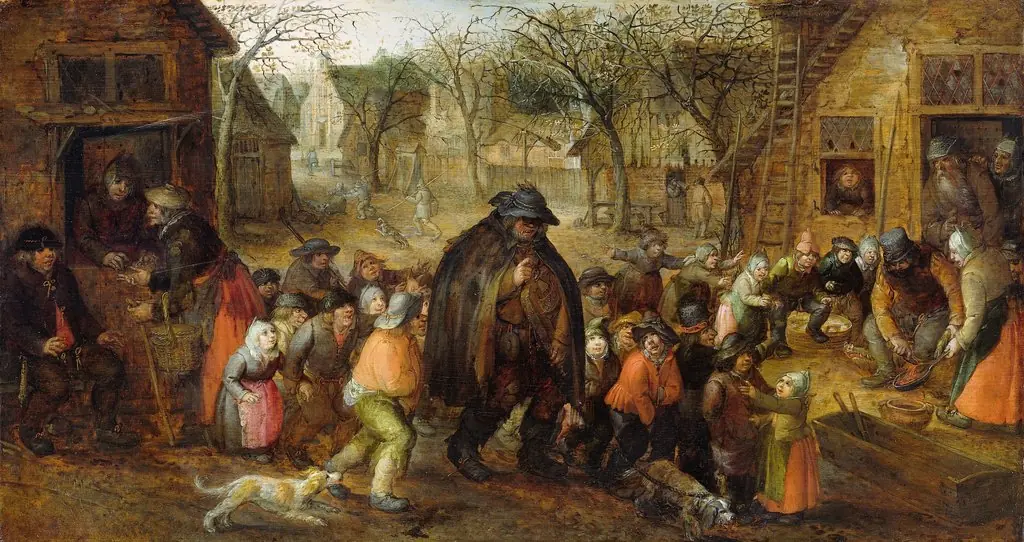
St Martin cutting off part of his cloak for a beggar is an oil painting by the Dutch Golden Age artist Joost Cornelisz Droochsloot. It dates from 1623 and is held in the collection of the Rijksmuseum.
About this work
Overview
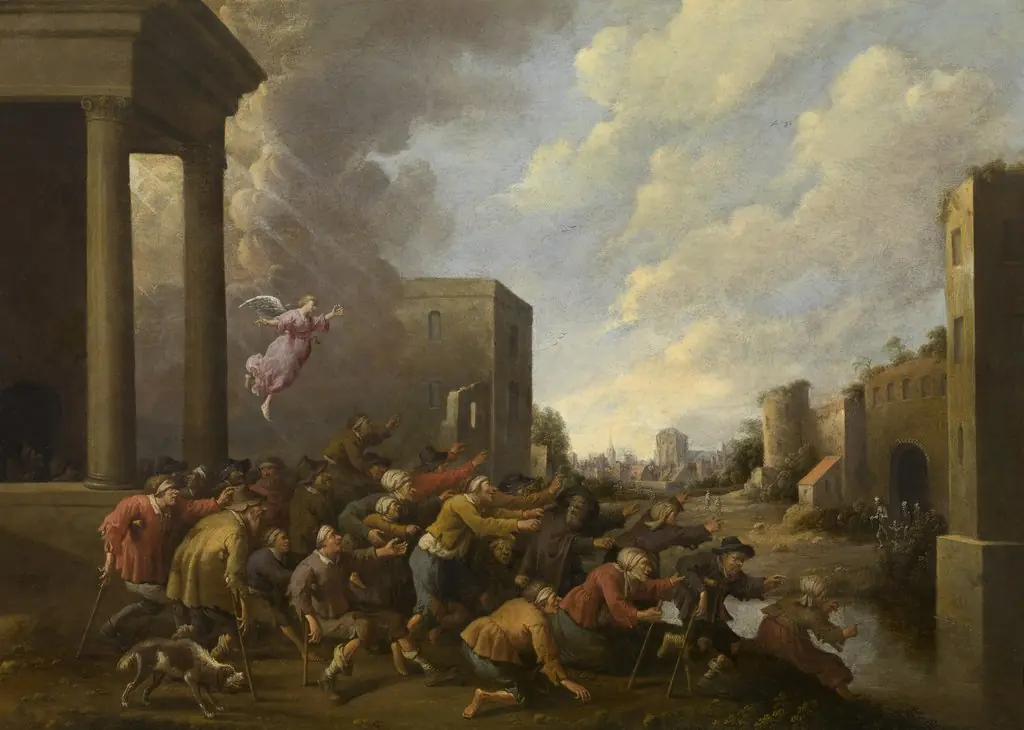
St Martin cutting off part of his cloak for a beggar is a 1623 oil painting by Joost Cornelisz Droochsloot, depicting a biblical act of charity. The work is characteristic of Droochsloot's religious narratives, executed during the Dutch Golden Age.
Subject & Meaning
The painting illustrates the legend of St Martin of Tours sharing his cloak with a beggar, symbolizing Christian benevolence. This scene, popular in medieval art, emphasizes the virtue of kindness to the poor.
Technique & Style
While specific technical details of this work are not highlighted, Droochsloot's style in similar pieces often features detailed, everyday settings and figures, suggesting this work may blend religious narrative with elements of genre painting.
History & Provenance
Created in 1623, the painting is now part of the Rijksmuseum's collection, reflecting its significance within Dutch Golden Age art.
Context
Droochsloot's work was influenced by the religious and social values of his time, with the scene's emphasis on charity resonating with both Catholic and emerging Protestant virtues in 17th-century Netherlands.
Legacy
As part of Droochsloot's oeuvre, the painting contributes to the artist's reputation for capturing religious and everyday life scenes, though its individual impact on the broader art historical canon is not distinctly outlined.
Own this work as a print
Artist & collection
Artist
Joost Cornelisz Droochsloot or Droogsloot (1586 – May 14, 1666), was a Dutch painter of village scenes, landscapes, genre pictures, moral allegories and biblical stories.