Artwork
Sfânta Familie cu Sfânta Elisabeta și Sfântul Ioan copil
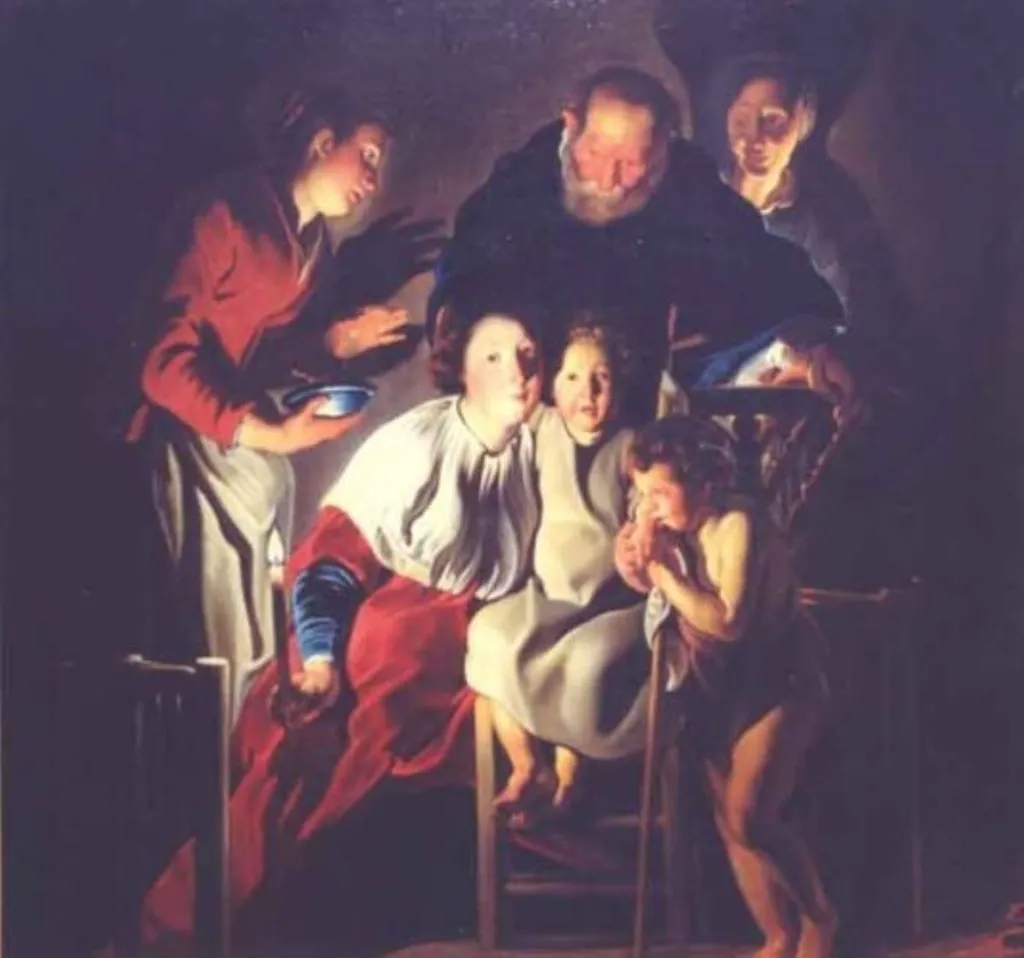
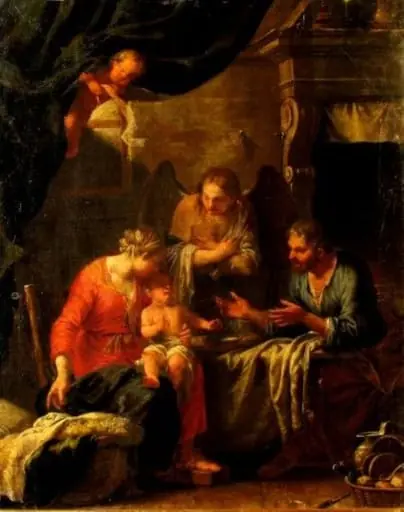
Sfânta Familie cu Sfânta Elisabeta și Sfântul Ioan copil is an unspecified painting by Jacob Jordanes. It is held in the collection of the National Museum of Art of Romania. This painting depicts a sacred family group in a tightly composed, dimly lit interior.
About this work
Overview
The central trio—a seated man, woman, and child—are framed by two standing figures, all rendered with quiet intimacy.
This painting depicts a sacred family group in a tightly composed, dimly lit interior. Five figures are grouped closely, their forms emerging from deep shadows through selective illumination. The central trio—a seated man, woman, and child—are framed by two standing figures, all rendered with quiet intimacy. The absence of ornate detail and the muted palette emphasize spiritual focus over grandeur.
Subject & Meaning
The scene portrays the Holy Family—Mary and Joseph—with the infant Jesus, accompanied by Saint Elizabeth and the young John the Baptist. Their proximity suggests familial bond and divine continuity. The inclusion of John, often associated with prophecy, hints at Christ’s future role. The quiet, domestic setting transforms a theological narrative into a moment of human tenderness.
Technique & Style
The artist employs chiaroscuro to model forms and direct attention: faces and hands glow softly against near-black backgrounds. Light falls unevenly, enhancing emotional depth and spatial compression. Brushwork is restrained, favoring smooth transitions over texture. The figures are rendered with naturalistic proportions, avoiding idealization, reinforcing the scene’s humble, grounded character.
History & Provenance
The work originates in the late 16th or early 17th century, likely from a Romanian or Moldavian workshop influenced by Byzantine and Western Renaissance traditions. It was probably created for private devotion or a small parish church. Its survival suggests it was valued within a local religious community, though its exact early ownership remains undocumented.
Context
Produced during a period of religious consolidation in Eastern Europe, the painting reflects a blend of Orthodox iconography and emerging Western naturalism. While traditional icons favored flatness and symbolism, this work embraces three-dimensionality and emotional nuance, indicating exposure to Italian or Flemish models through trade or travel.
Legacy
The painting stands as an example of regional religious art that adapted broader European techniques to local devotional needs. It preserves a quiet, human-centered approach to sacred subjects, distinct from both rigid iconography and Baroque drama. Its preservation offers insight into how faith was visually expressed beyond major artistic centers.
Artist & collection
Artist
Jacob Jordaens painted people who looked like they could drink you under the table—rosy cheeks, big bellies, laughing into their wine cups in sunlit Flemish kitchens.

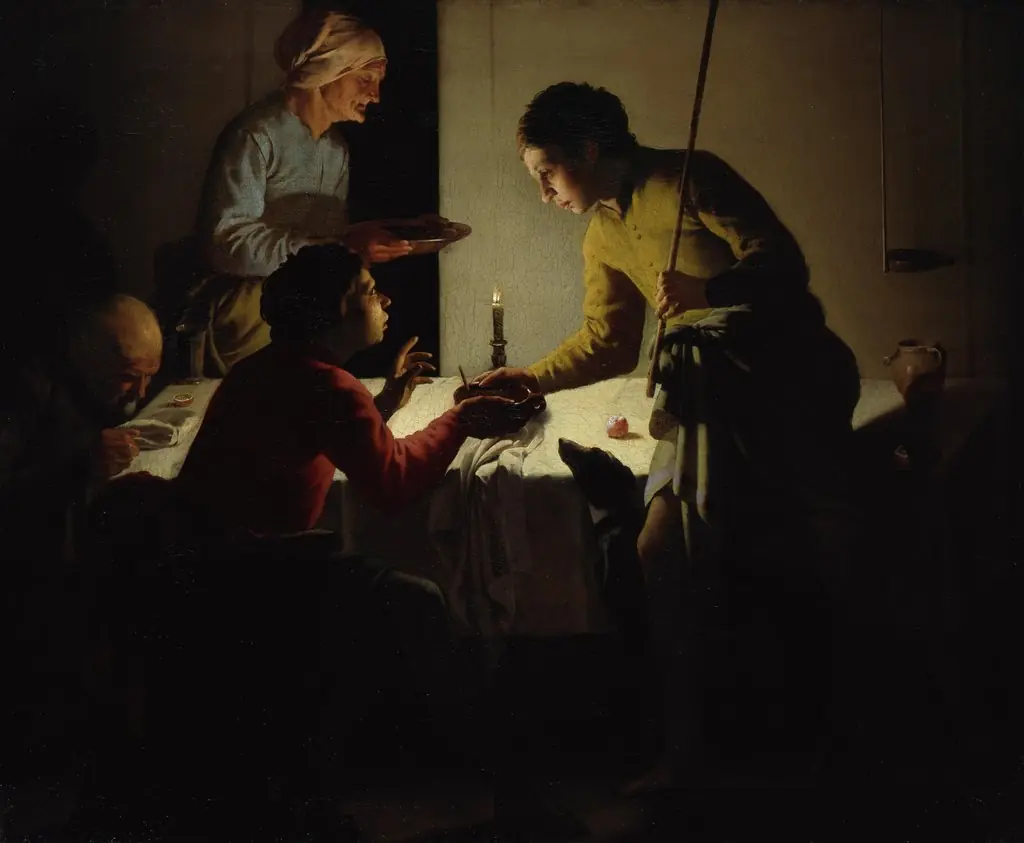 Esau Sells his Birthright
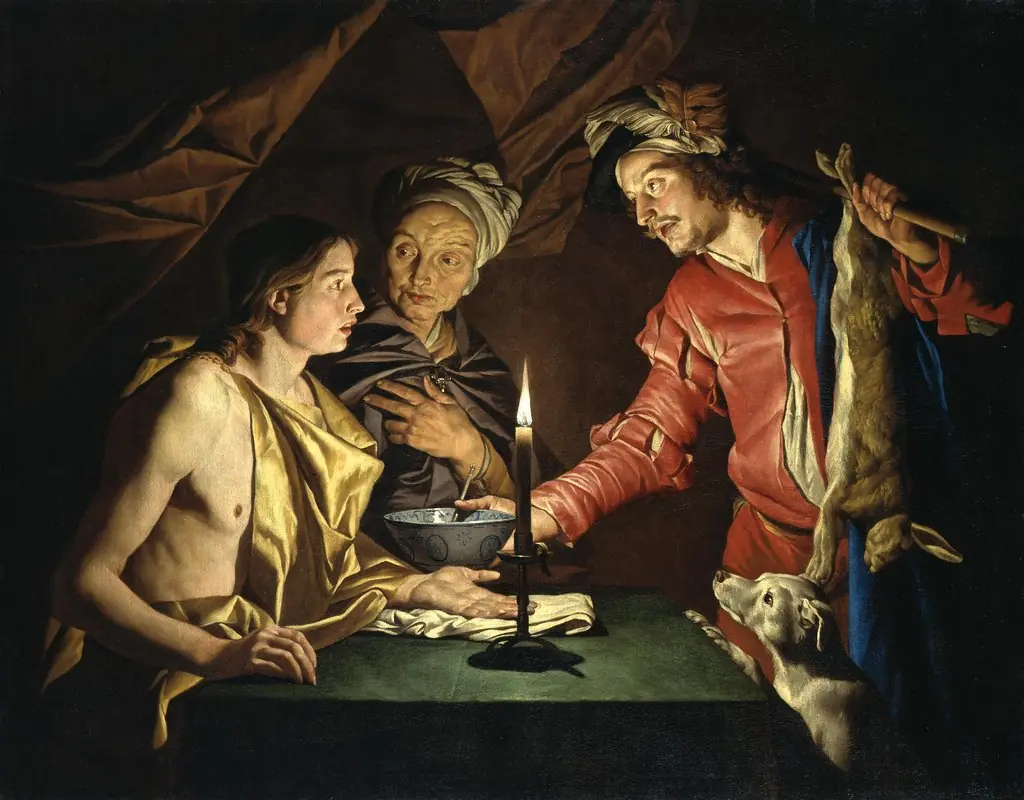 Esau, returning hungry from the hunt, sells his first birthright to Jacob for a pottage of lentils(Genesis 25:31)
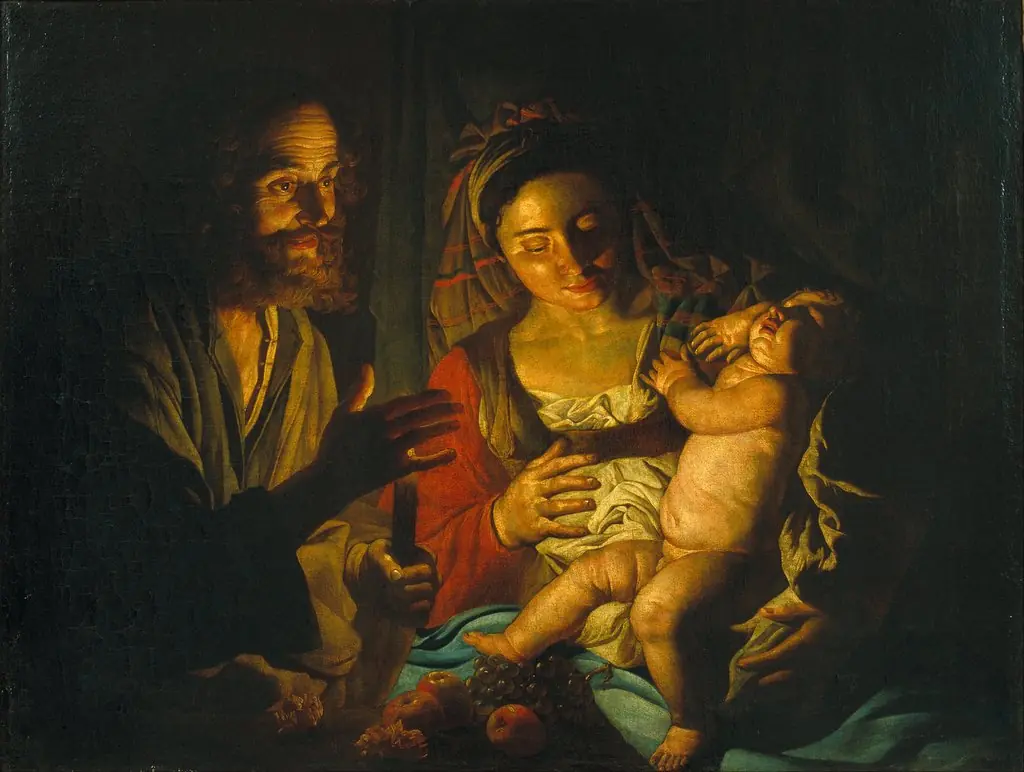 Holy Family
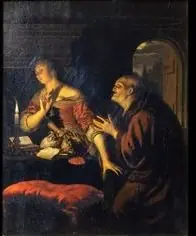 The Old Lover
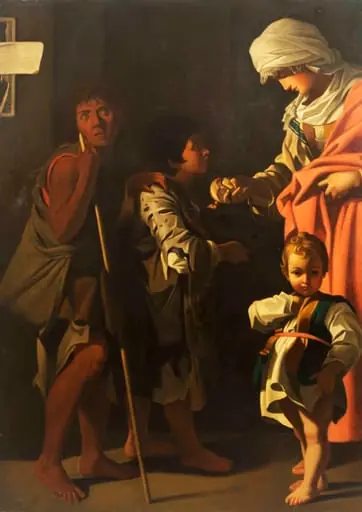 Caritatea
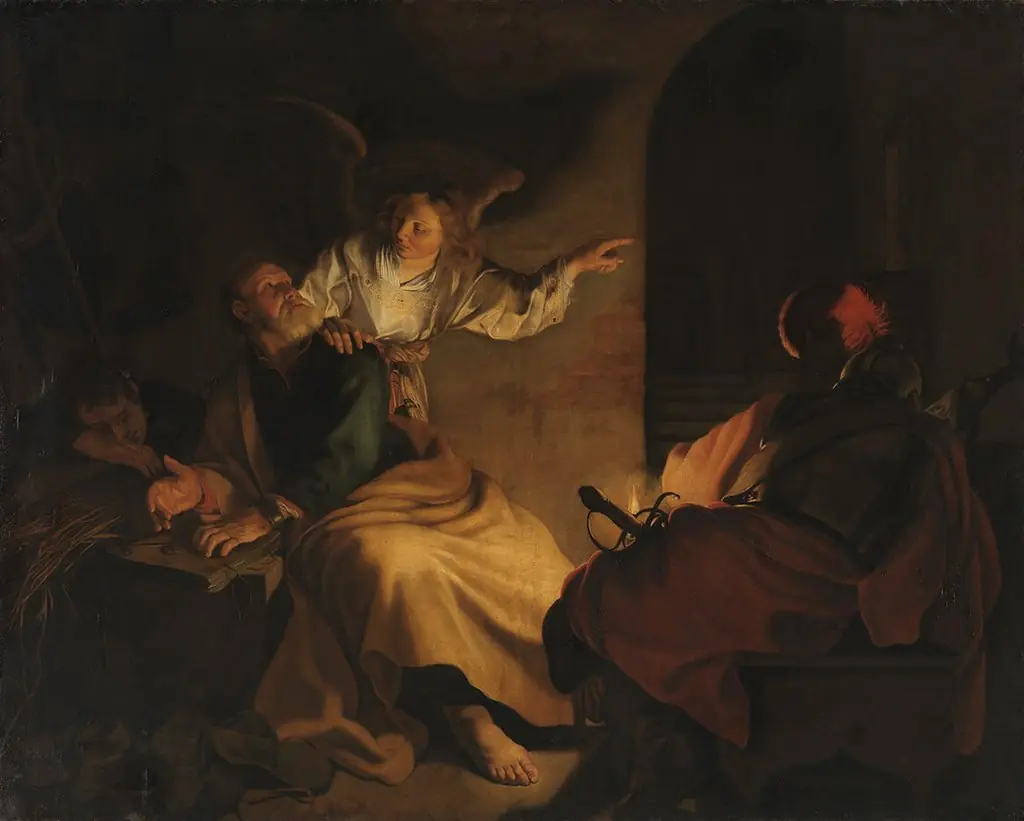 Die Befreiung Petri (Kopie nach)
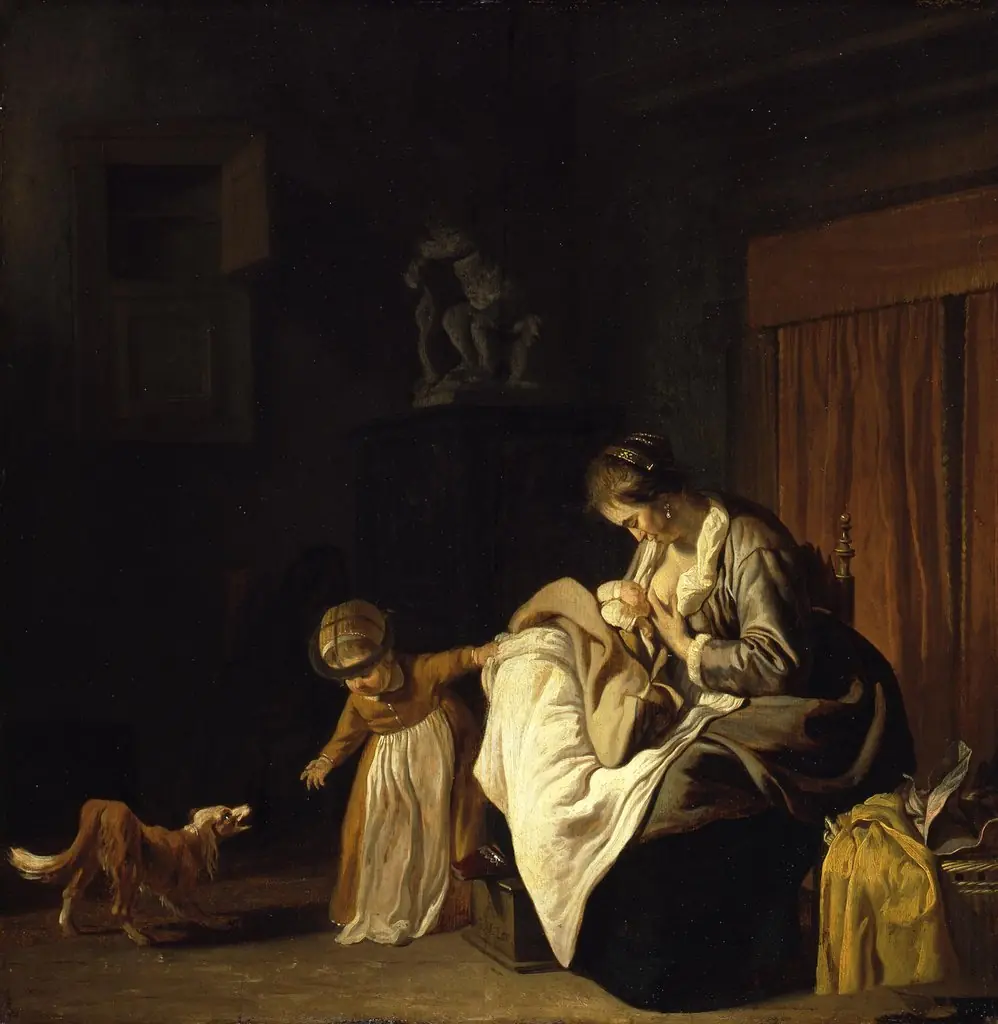 Mother with two children
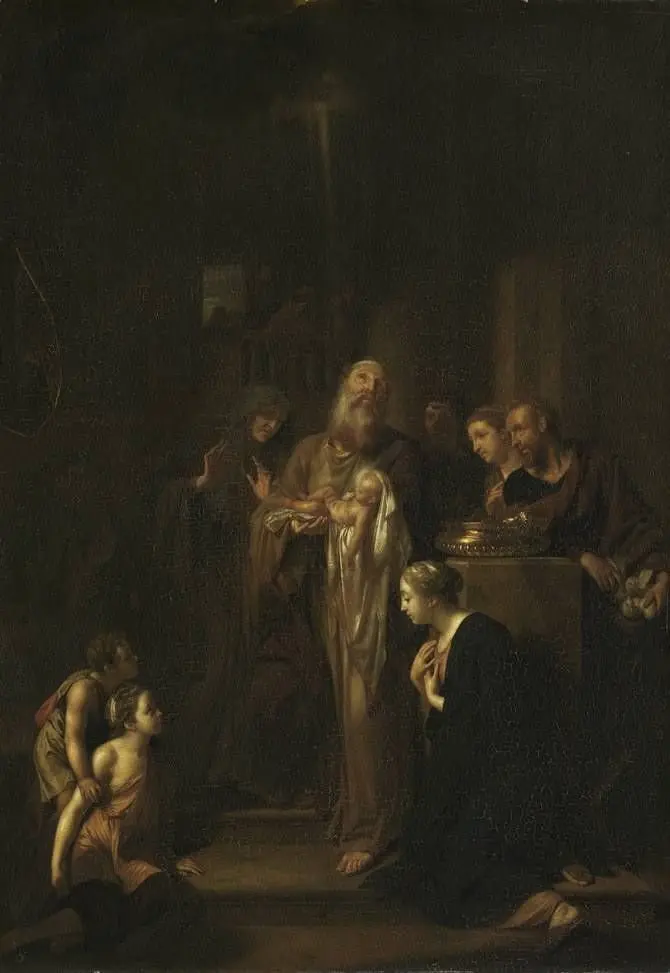 The Presentation in the Tempel
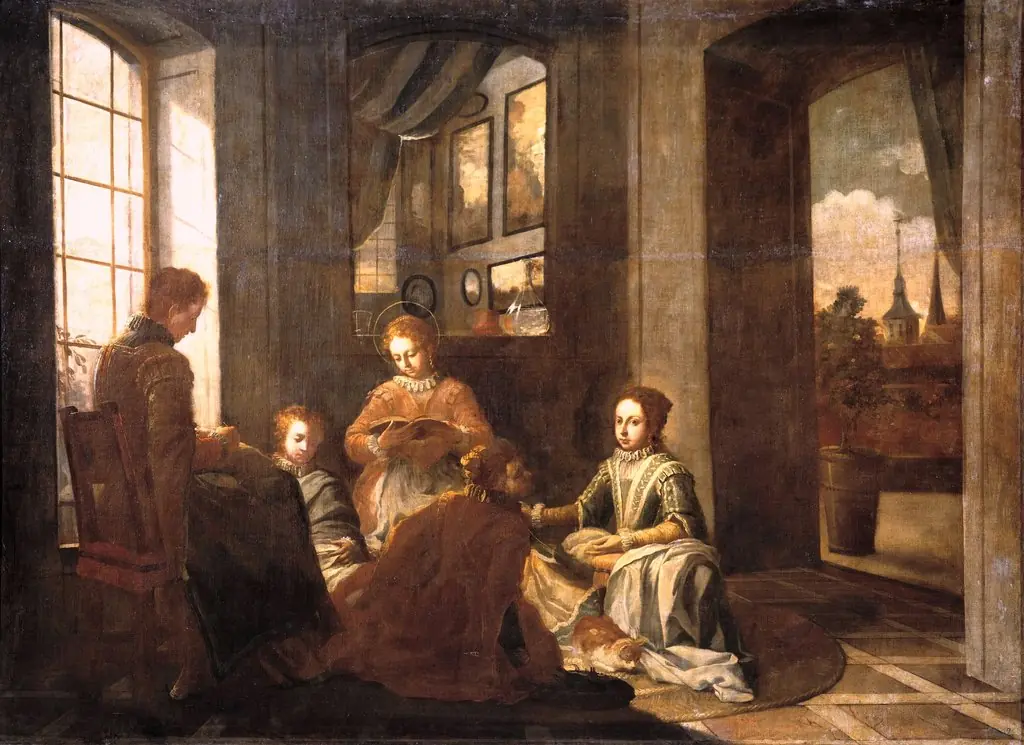 The Education of Saint Theresa
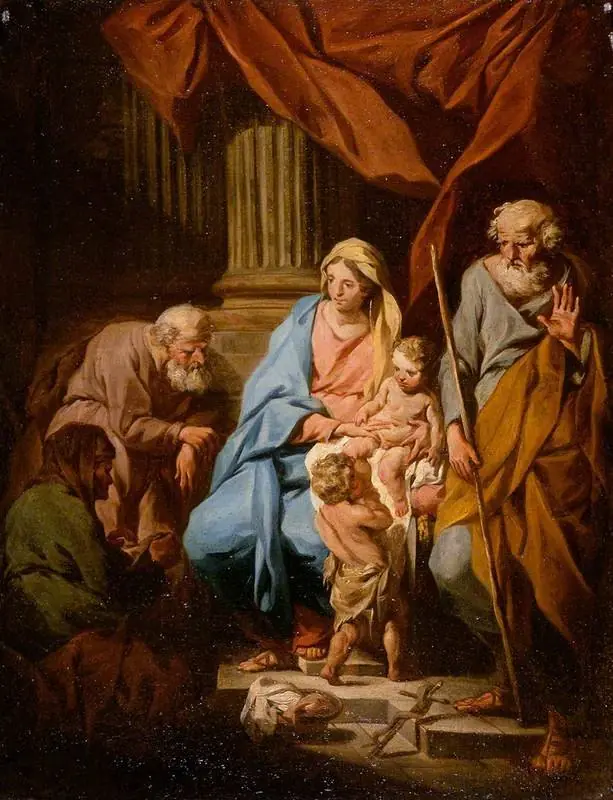 The Holy Family with Saints Elisabeth and Zaccharias and the Infant Saint John
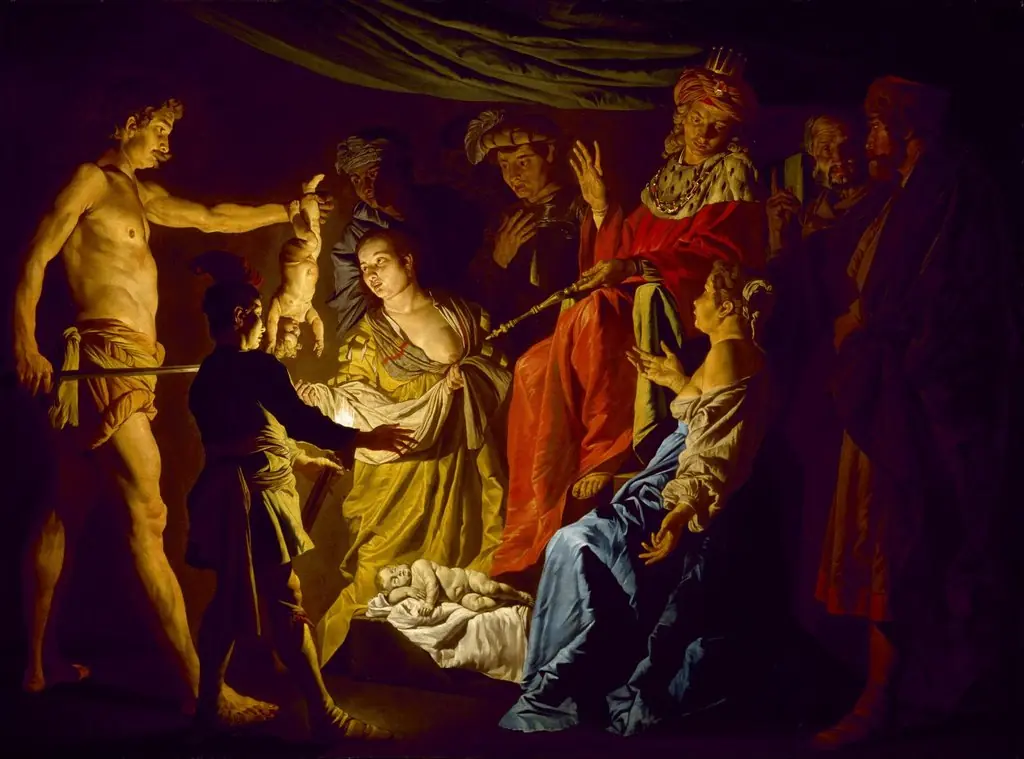 The Judgment of Solomon
 Sfânta familie