Artwork
Self-portrait
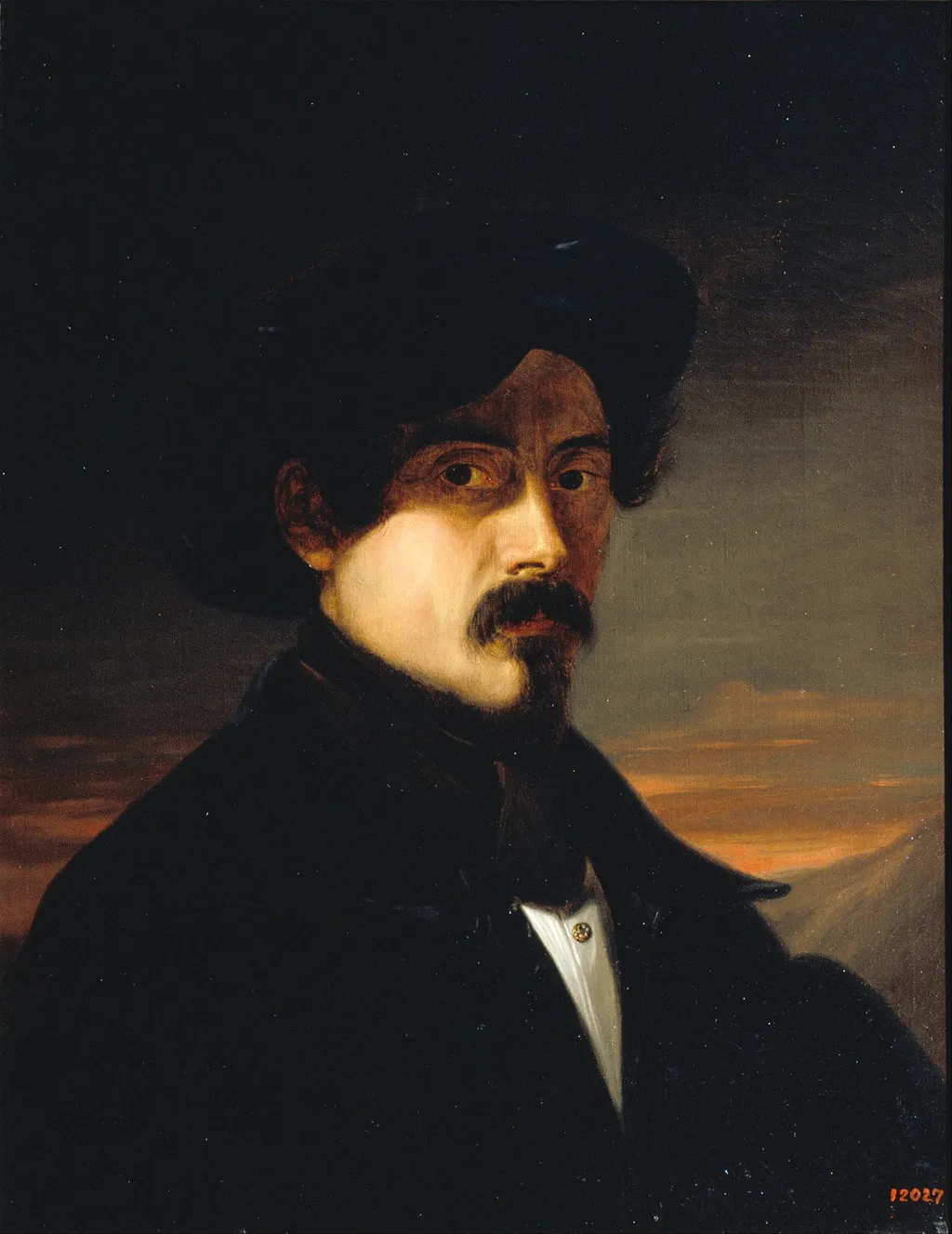
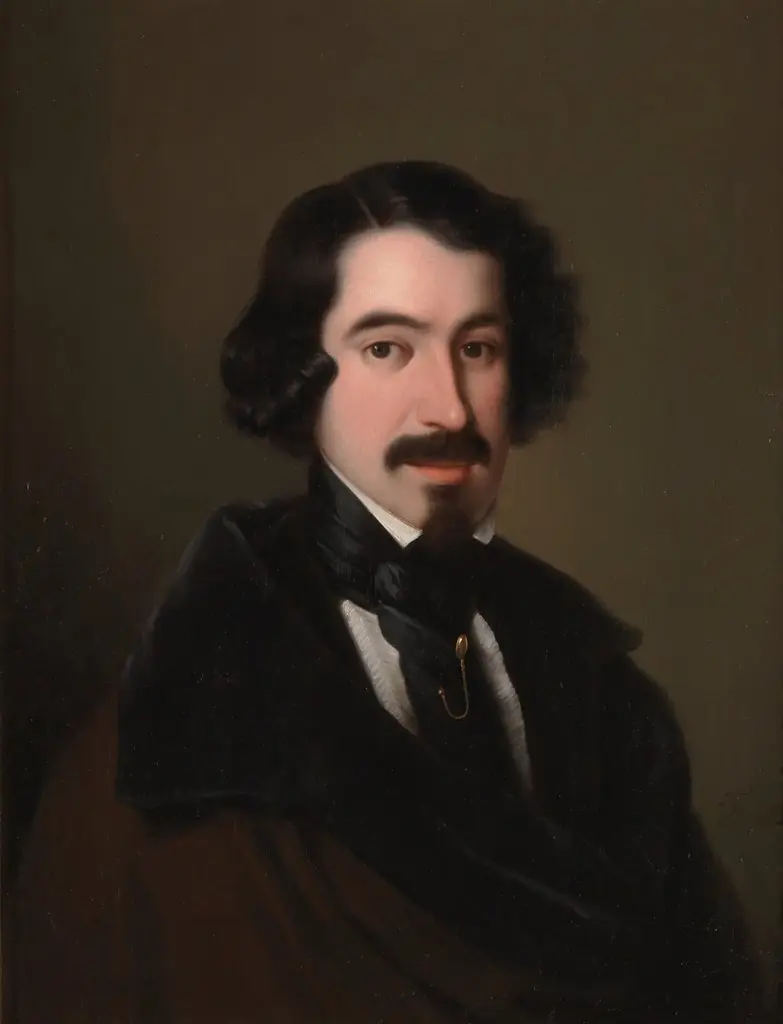
Self-portrait is an oil painting by José Arrau y Barba. It dates from 1837 and is held in the collection of the Museu Nacional d'Art de Catalunya.
About this work
Overview
José Arrau i Barba painted his self-portrait in 1837 using oil on canvas, a work that reflects his identity as both an artist and a scholar of art.
José Arrau i Barba painted his self-portrait in 1837 using oil on canvas, a work that reflects his identity as both an artist and a scholar of art. The piece is part of the permanent collection at the Museu Nacional d'Art de Catalunya, where it stands as a quiet testament to his role in 19th-century Catalan art. Arrau i Barba’s engagement with art theory and conservation extended beyond his brushwork, informing the thoughtful composition of this image.
Subject & Meaning
The painting presents the artist in formal attire—a black jacket over a white shirt—conveying a sense of professional dignity. His dark hair and mustache, paired with a solemn expression, suggest introspection rather than performance. The absence of symbolic props or elaborate setting directs attention to the face as the sole vessel of identity, aligning with the tradition of the intellectual self-portrait, where inner character supersedes external display.
Technique & Style
Arrau i Barba employs chiaroscuro to model the face with strong contrasts between light and shadow, originating from the left. This technique lends volume and psychological depth, grounding the figure in a tangible space. The dark, atmospheric background—painted with muted orange clouds—enhances the focus on the head, while the restrained palette and precise brushwork reflect a commitment to realism over ornamentation.
History & Provenance
Created in 1837, the self-portrait remained within Catalan artistic circles before entering the Museu Nacional d'Art de Catalunya’s collection. Its preservation reflects the institution’s early efforts to document regional artistic identity. Though little is documented about its immediate reception, its inclusion in the museum’s holdings signals its recognized significance as a personal and cultural artifact from the period.
Context
In the 1830s, Catalonia was experiencing a cultural revival tied to regional identity, and artists like Arrau i Barba played a role in shaping its visual language. While Romanticism influenced broader European art, his approach remained restrained, emphasizing technical precision and intellectual presence. His writings on restoration further situate him within a movement that valued art’s material continuity as much as its aesthetic form.
Legacy
Arrau i Barba’s self-portrait endures not as a flamboyant statement but as a quiet record of an artist’s self-awareness. His dual legacy as painter and conservator influenced how Catalan art was studied and preserved. The painting remains a reference point for understanding the intersection of personal identity and professional rigor in 19th-century Spanish art, without theatricality or grandeur.
Own this work as a print
Artist & collection
Artist
Josep Arrau i Barba (4 May 1802 - 2 January 1872) was a Catalan painter, noted for his portraits.

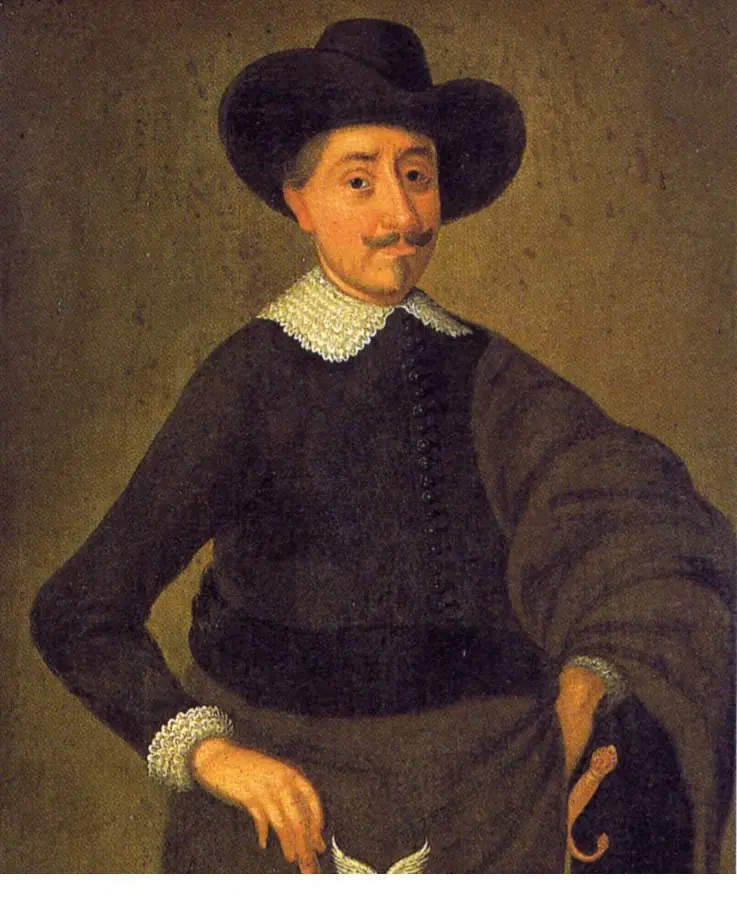 Portrait of Antonio van Diemen (1593-1645)
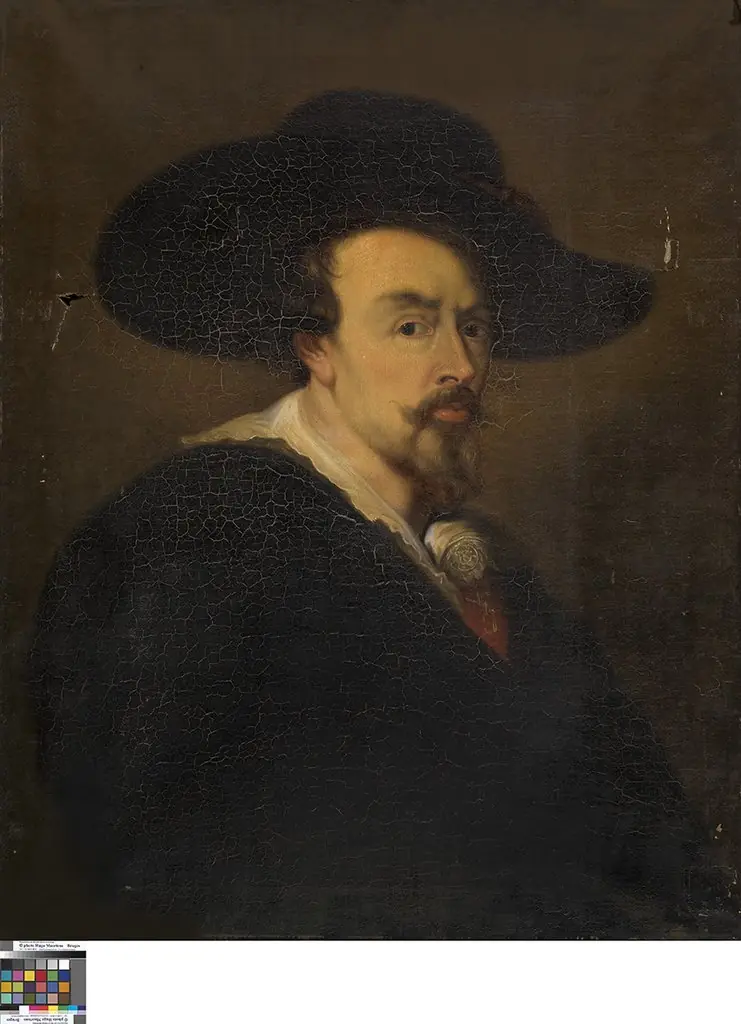 Portret van Peter Paul Rubens
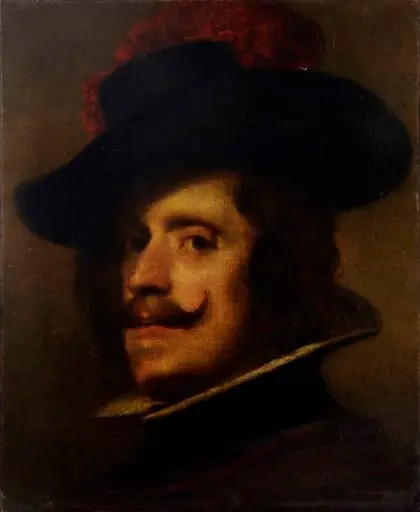 Regele Filip al IV-lea al Spaniei
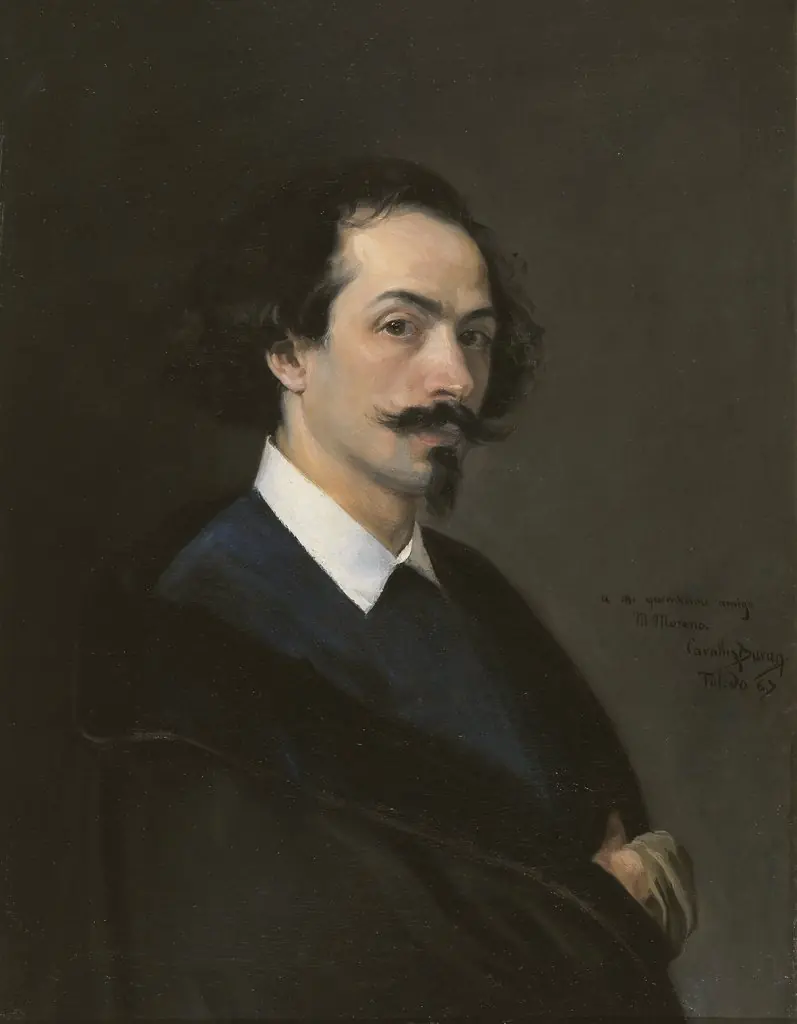 The Painter Matías Moreno
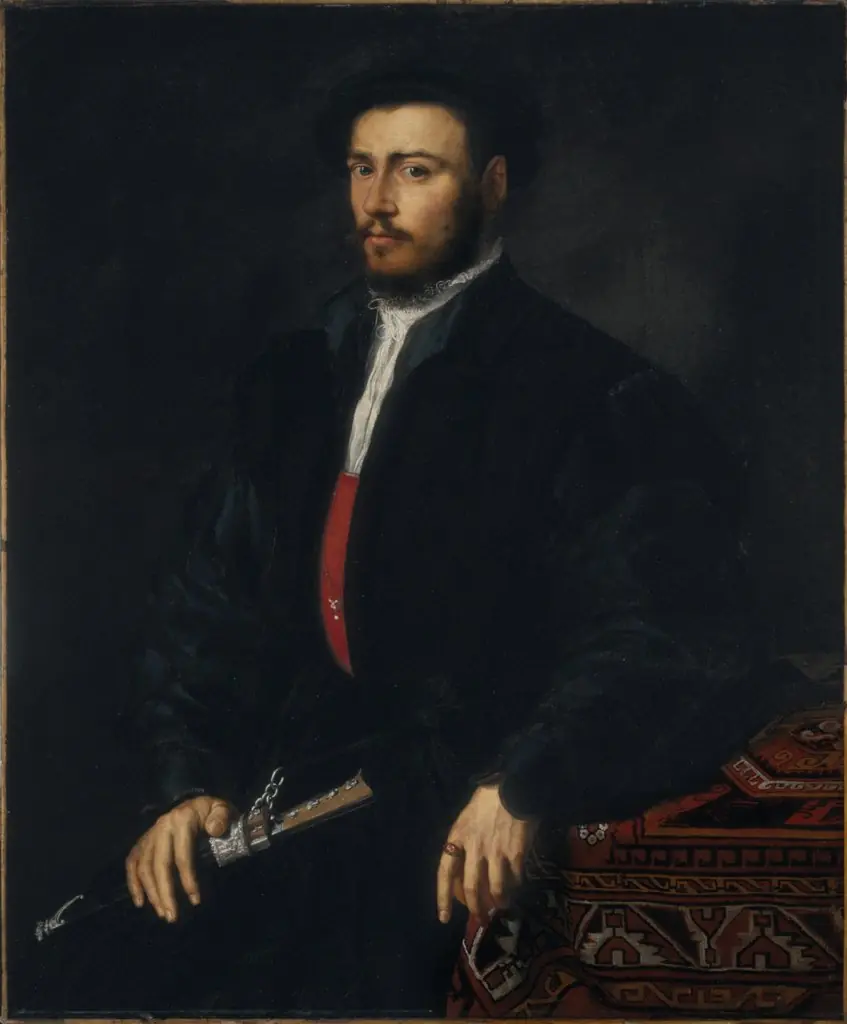 Portrait of a Young Nobleman
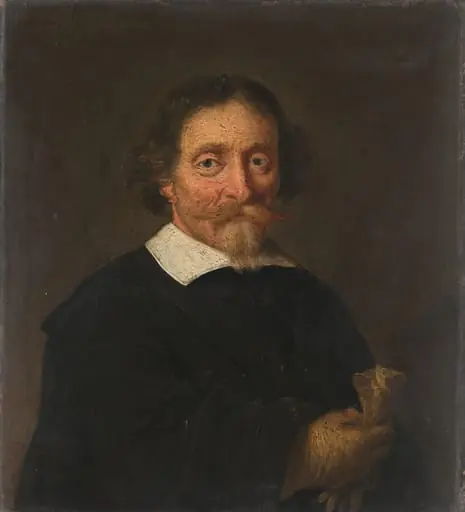 Portrait of a Man
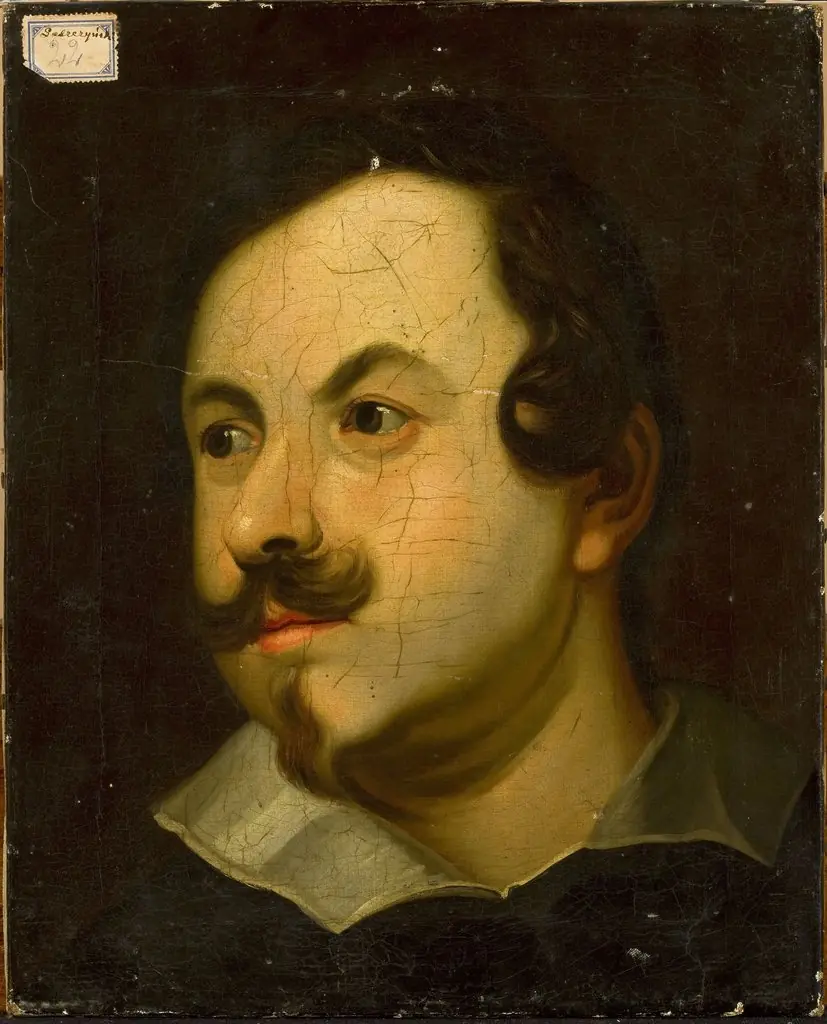 Portrait of a man
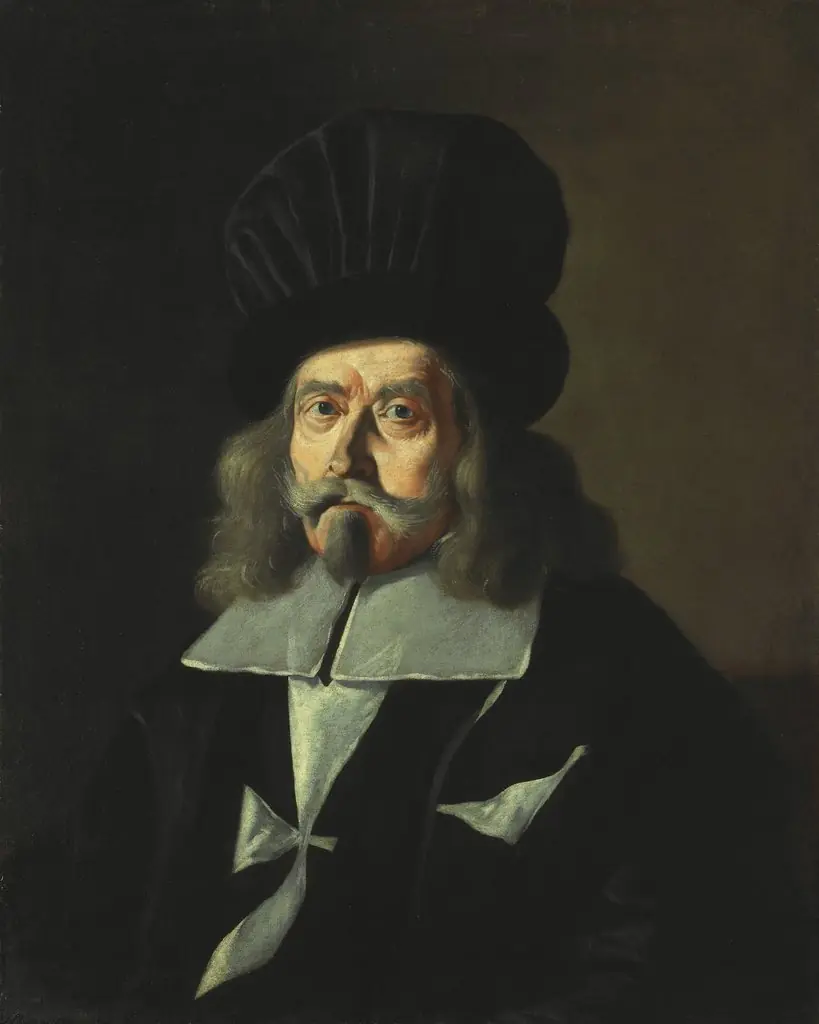 Portrait of a Grand Master of the Knights of Malta, Martin de Redin
 Portrait of a Grand Master of the Knights of Malta, Martin de Redin
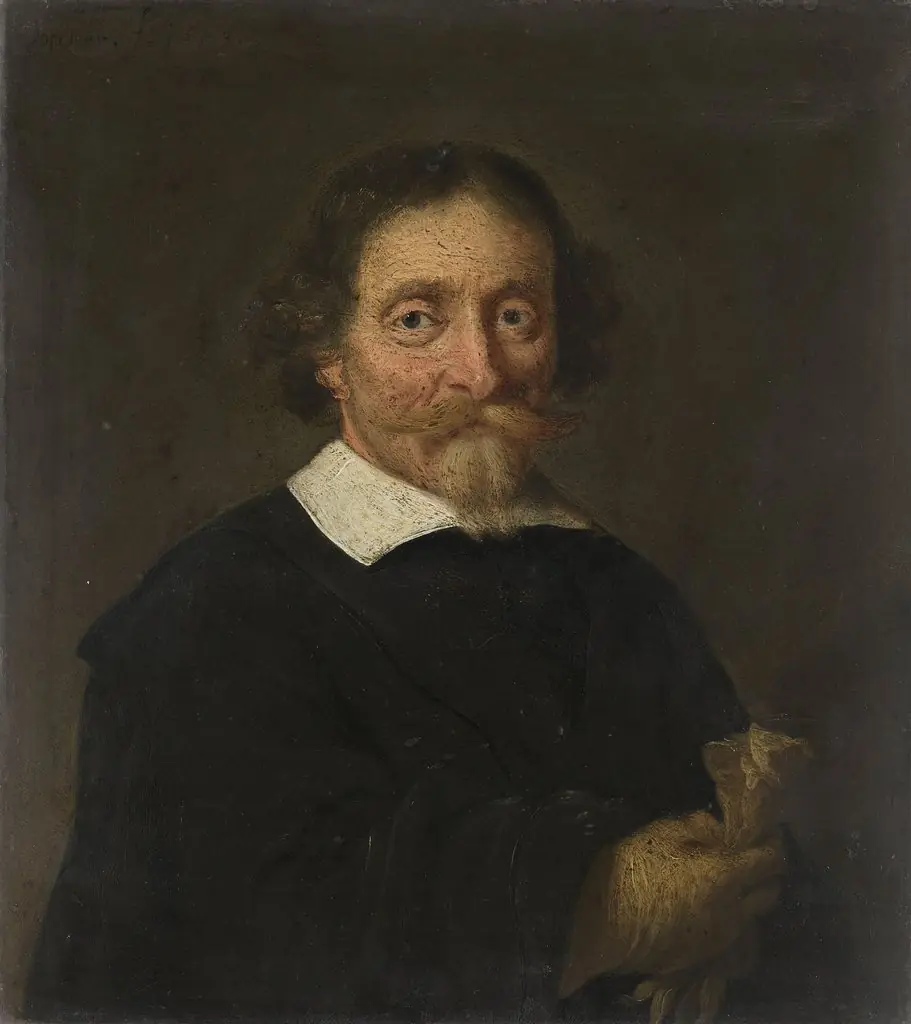 Portrait of a man
 El escritor José de Espronceda
 Portrait of a man, probably Pieter Anthonisz van Bronckhorst (1588-1661)