Artwork
Outside the Bullring
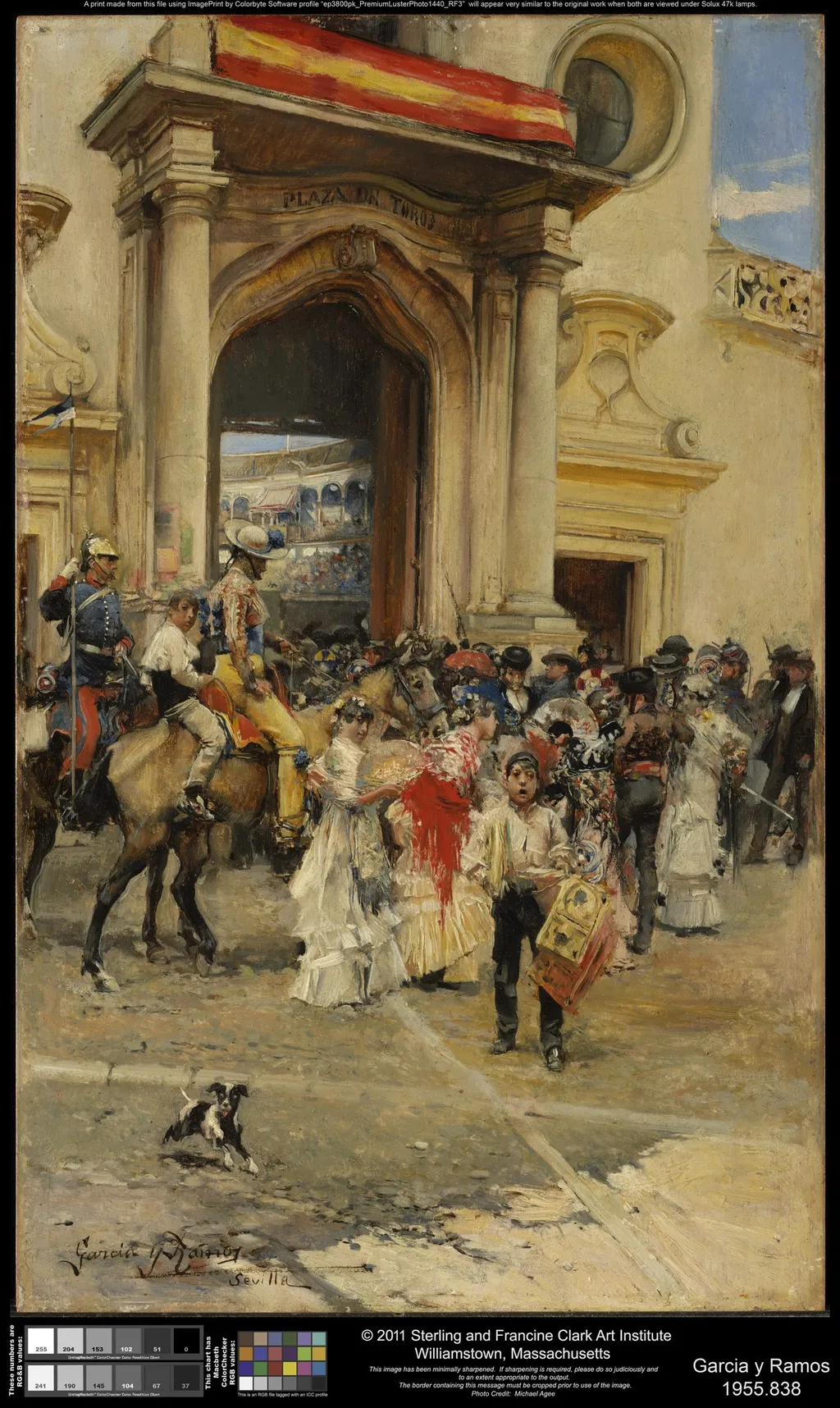
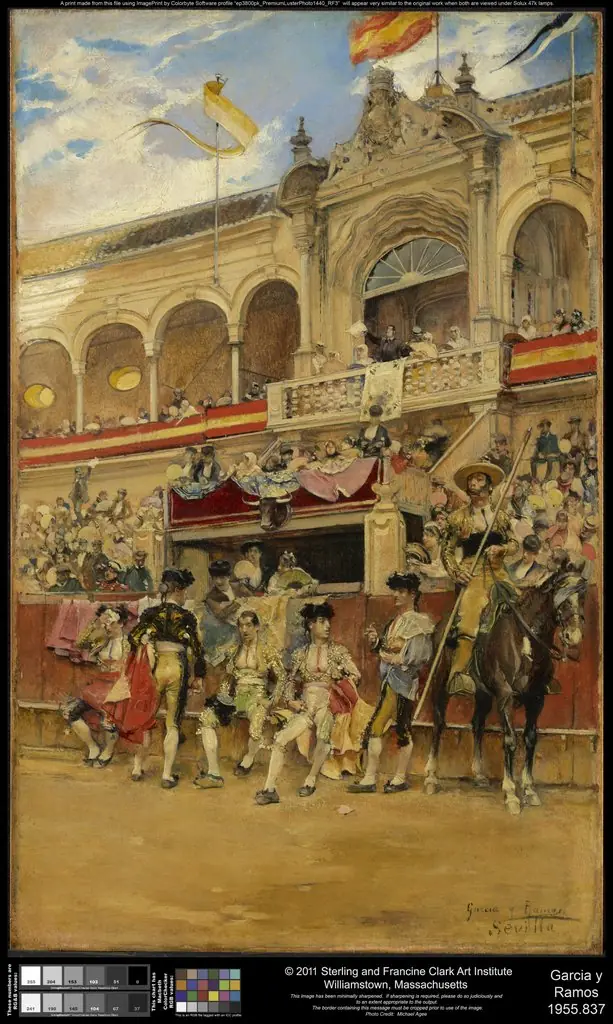
Outside the Bullring is an oil painting by the Orientalist artist José García y Ramos. It dates from 1890 and is held in the collection of the Clark Art Institute.
About this work
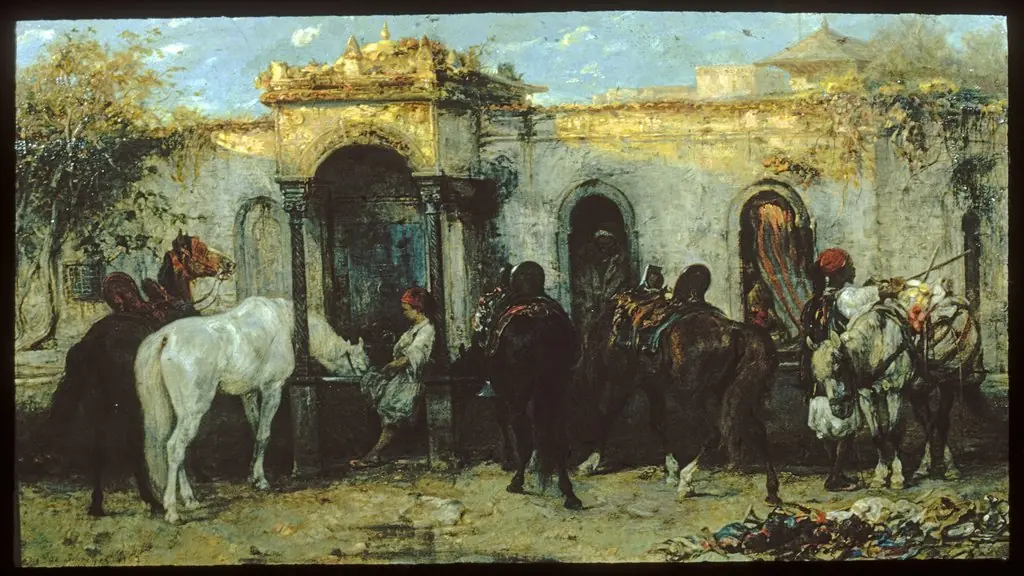
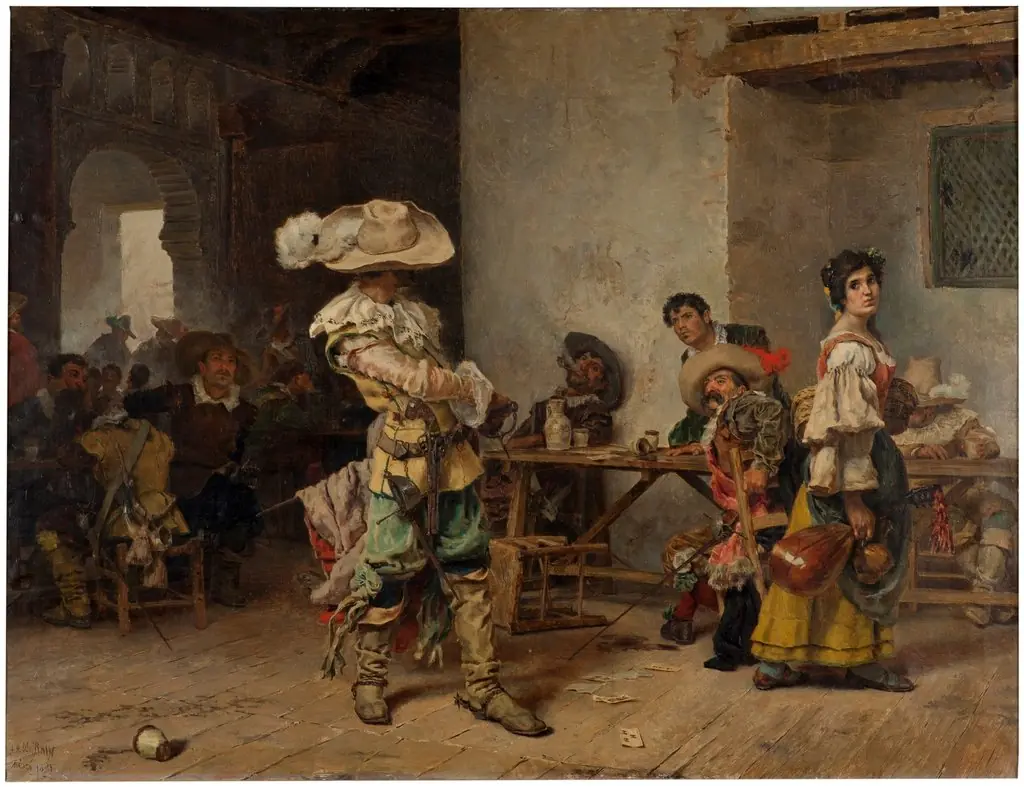
In the foreground, a man leads a horse, while a woman in a white dress and a man in a white shirt and black pants walk together, carrying items.
This painting depicts a lively scene outside a bullring, with a crowd of people gathered near the entrance. The archway of the bullring is prominent, featuring a red and yellow striped awning above it. In the foreground, a man leads a horse, while a woman in a white dress and a man in a white shirt and black pants walk together, carrying items.
The artist has used oil paint to create this scene, which is held at the Clark Art Institute. The painting is dated 1880, and it showcases the artist's skill in capturing a moment in time.
If you're interested in learning more about the artist behind this work, you can explore the art of José García y Ramos.
Overview
José García y Ramos, a Sevillian artist active in the late 19th century, painted *Outside the Bullring* in 1890 using oil on canvas. The work captures a moment of public life near a bullring entrance, reflecting his focus on local customs and social scenes. It is part of the Clark Art Institute’s collection and aligns with the costumbrista tradition, which emphasized regional daily life over idealized or historical subjects.
Subject & Meaning
The painting portrays a bustling crowd gathered at the bullring’s entrance, with figures engaged in mundane activities: a man leading a horse, a couple walking together carrying goods. The red and yellow striped awning frames the scene, suggesting anticipation of the event within. No violence or spectacle is shown; instead, the focus is on the quiet rhythms of ordinary people preparing for or recovering from the bullfight.
Technique & Style
García y Ramos employed oil paint to render subtle shifts in light and texture, particularly in the fabric of clothing and the architectural details of the archway. His brushwork is loose yet deliberate, capturing movement and atmosphere without theatricality. The composition directs attention toward the bullring’s entrance, using the awning as a visual anchor while allowing figures to occupy the foreground with naturalistic spacing.
History & Provenance
Created in 1890, the painting entered the Clark Art Institute’s collection through documented acquisition, though its earlier ownership remains unrecorded in public sources. It was produced during a period when Spanish artists increasingly turned to secular, everyday subjects, moving away from religious or royal themes. The work’s survival and preservation reflect its recognition as a representative example of regional realism in late 19th-century Spain.
Context
In the decades following Spain’s political upheavals of the mid-1800s, artists like García y Ramos turned to costumbrismo to document regional identity. Bullfighting, though controversial, remained a deeply embedded cultural ritual, especially in Andalusia. Paintings such as this one offered non-judgmental glimpses into public rituals, serving as visual records of social behavior rather than endorsements of the spectacle itself.
Legacy
Though García y Ramos is not widely known outside Spain, his body of work contributes to the broader understanding of costumbrista painting in the Iberian Peninsula. *Outside the Bullring* exemplifies how regional artists used oil painting to elevate ordinary moments into enduring cultural documents. The piece continues to be studied for its quiet observation of social dynamics, offering insight into everyday life in late 19th-century Seville.
Artist & collection
Artist
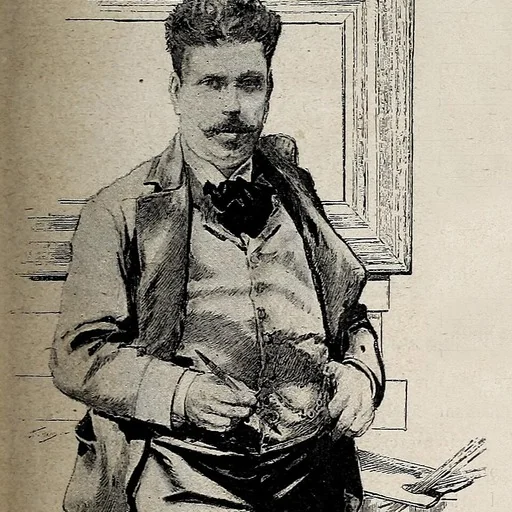
José García Ramos (1852, Seville - 2 April 1912, Seville) was a Spanish painter and illustrator; known primarily for his costumbrista scenes.