Artwork
The Skeleton of the Buses
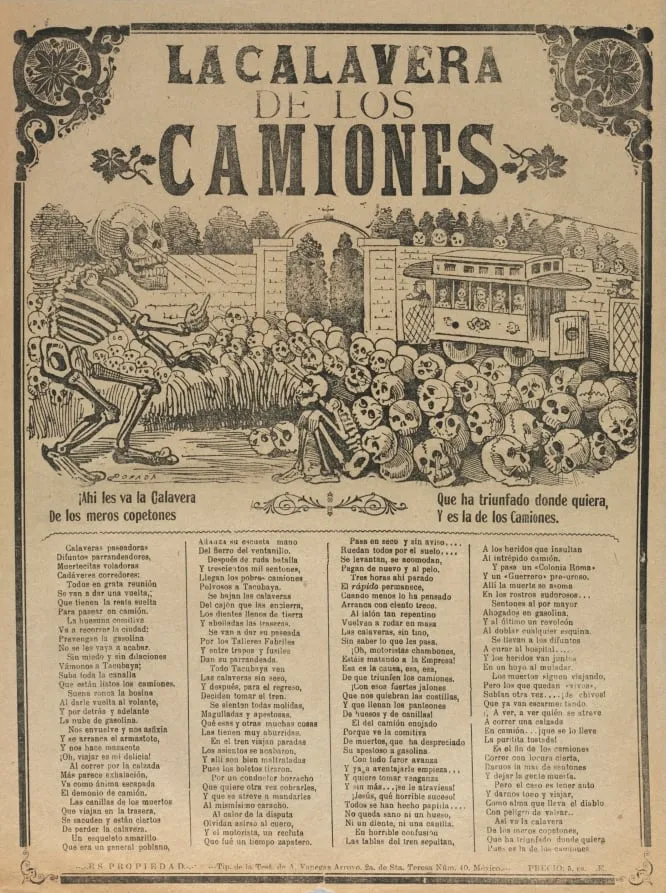
The Skeleton of the Buses is a print by José Guadalupe Posada. It dates from 1905 and is held in the collection of the Cleveland Museum of Art.
About this work
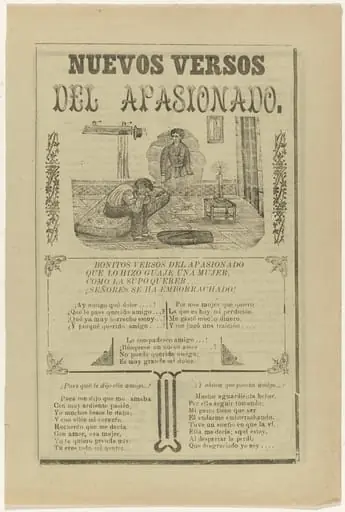
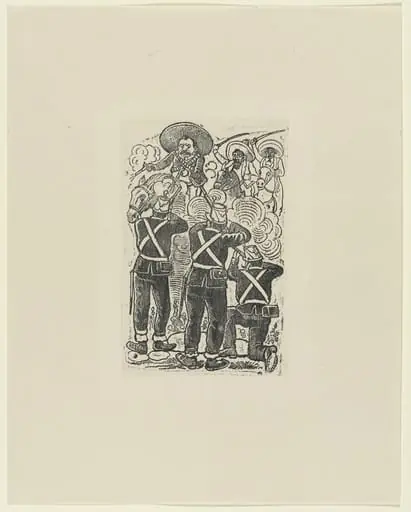
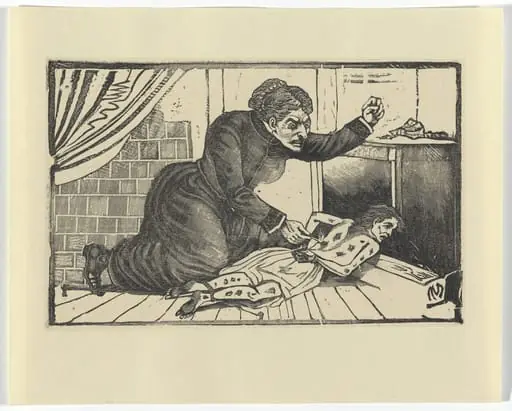
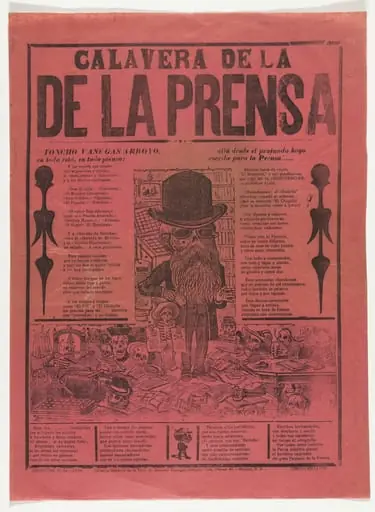
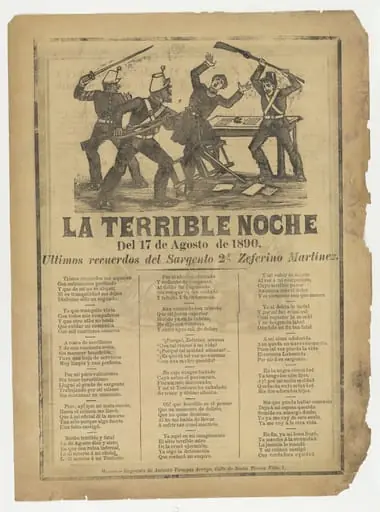
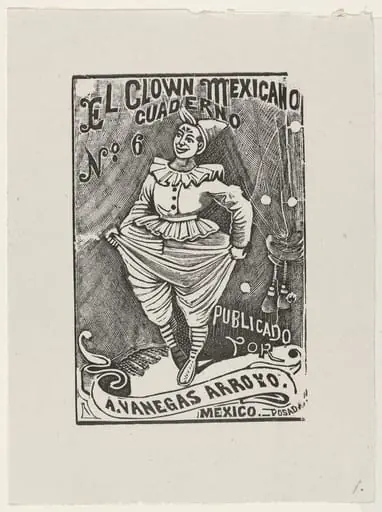
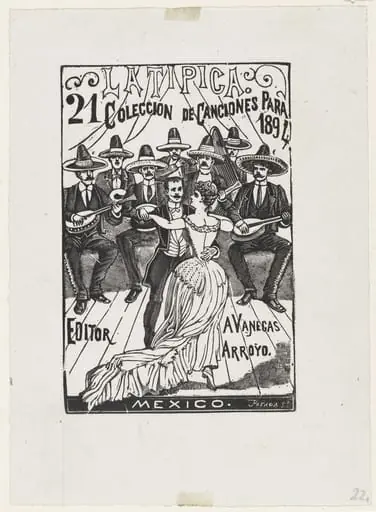
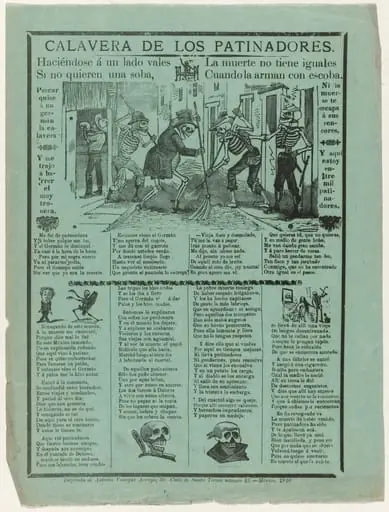
Posada used skeletons to talk about real events in a way that was easy to understand, even if you couldn’t read well.
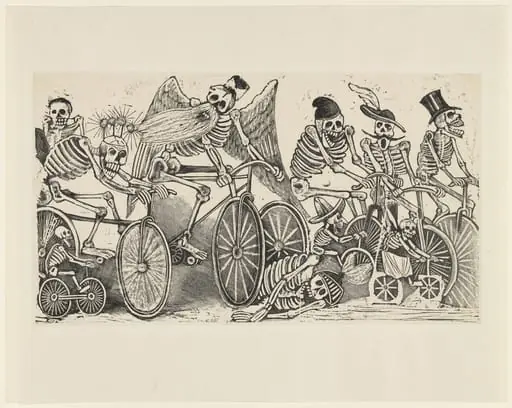
You see a group of skeletons riding a streetcar, dressed in fancy clothes and going about daily life. One skeleton drives the tram, while others sit or stand, just like regular passengers.
This print pokes fun at the dangers of electric trams in Mexico City around 1900. Posada used skeletons to talk about real events in a way that was easy to understand, even if you couldn’t read well. He made these images cheaply so workers and ordinary people could see them and laugh — but also think.
The skeletons are drawn with strong black lines and simple details, giving them expression and personality. His work appeared in newspapers and flyers, spreading fast. Posada cared about social issues and used art to share sharp opinions with the public.
Look up the artist: José Guadalupe Posada (Mexican, 1852–1913). (118 words)
Overview
A number of 20th-century Mexican artists admired José Guadalupe Posada for reaching a broad public through striking imagery and inexpensively printed works. Posada combined image and text in his depictions of social and political issues so that they were accessible to workers, many of whom were illiterate. This print is part of a series in which he used skeletons to humorously comment on current events, such as the danger of electric trams in Mexico City. A streetcar delivers passengers to the figure of Death, who beckons them forward, suggesting that the graveyard where he stands is an inevitable stop on their journey.
Did you know?
José Guadalupe Posada used inexpensive materials and printmaking techniques designed for mass production to make his works accessible to all.
Artist & collection