Artwork
Untitled
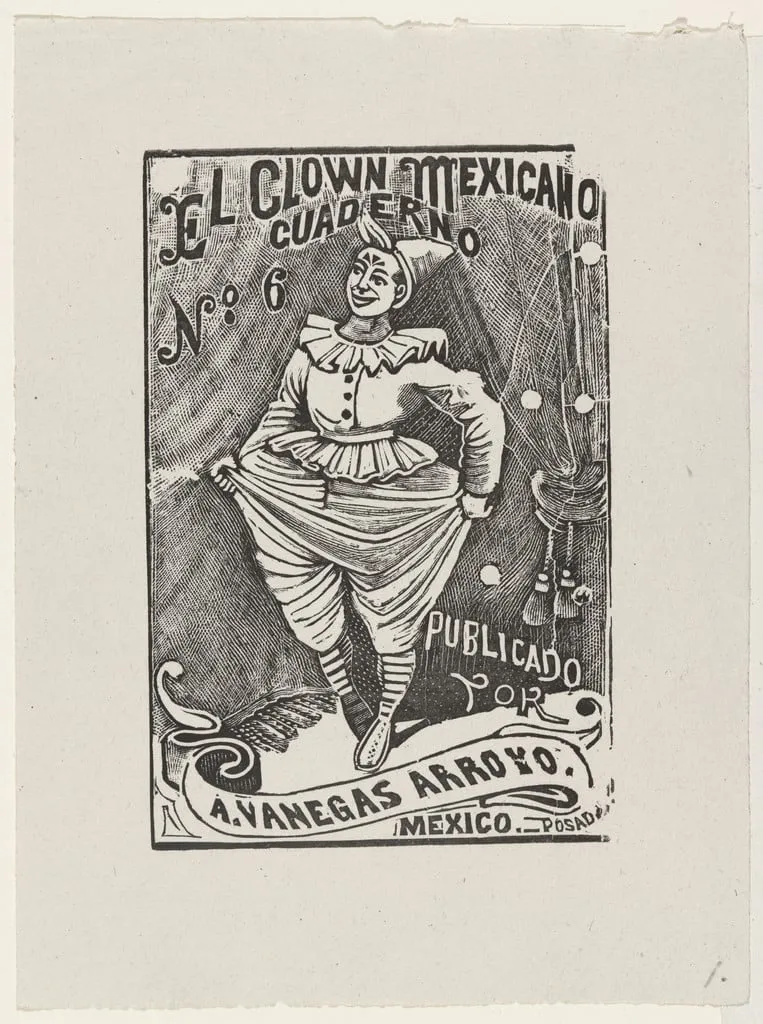
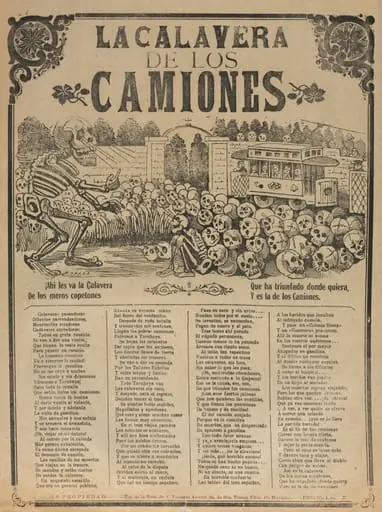
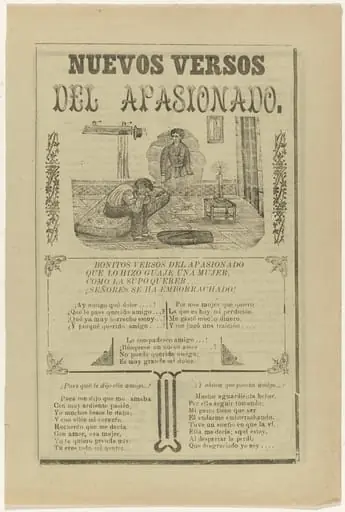
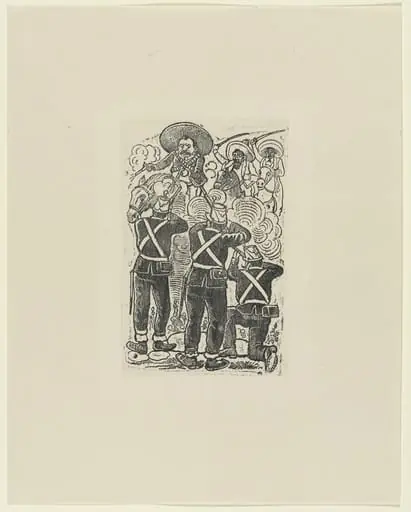
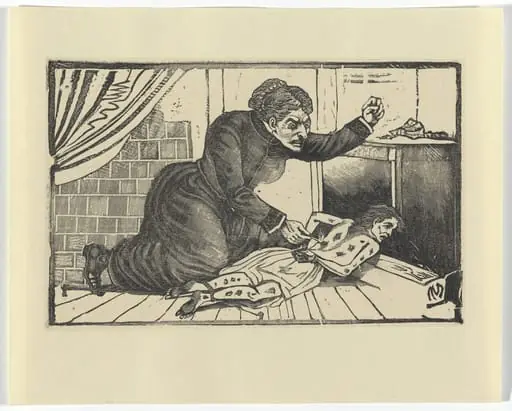
Untitled is an ink print by José Guadalupe Posada. It is held in the collection of the Museum of Modern Art.
About this work
Overview
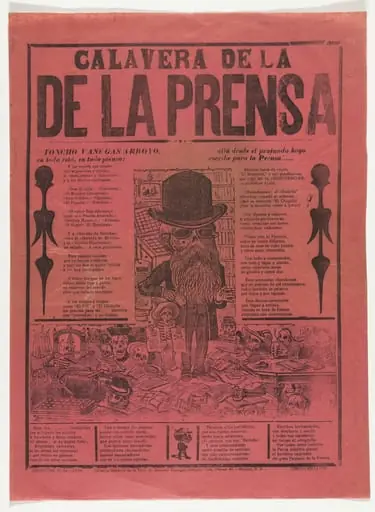
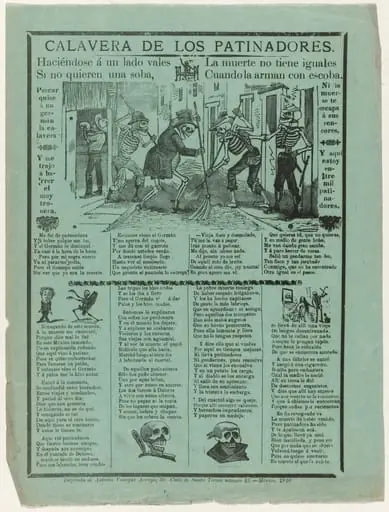
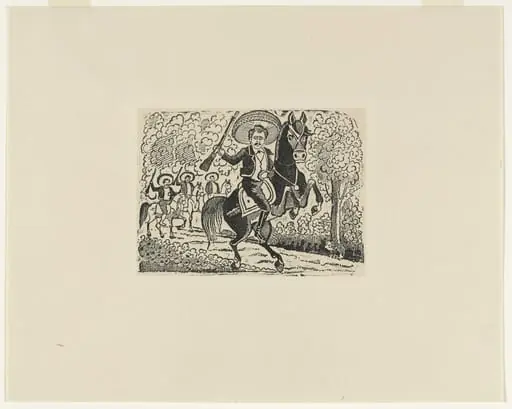
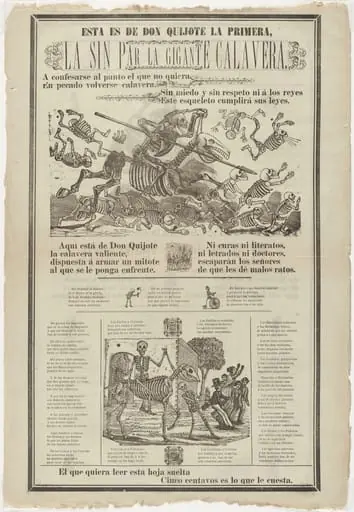
This engraving is one of twenty-five prints from a portfolio produced by José Guadalupe Posada, though dated here incorrectly to 1942—Posada died in 1913.
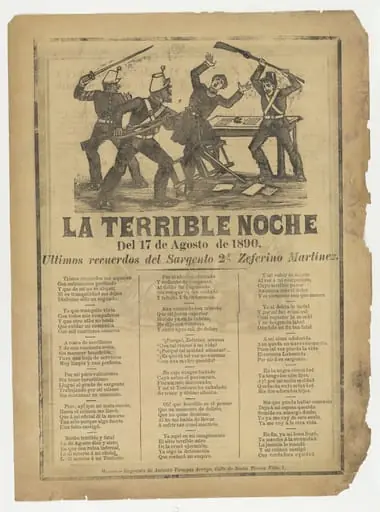
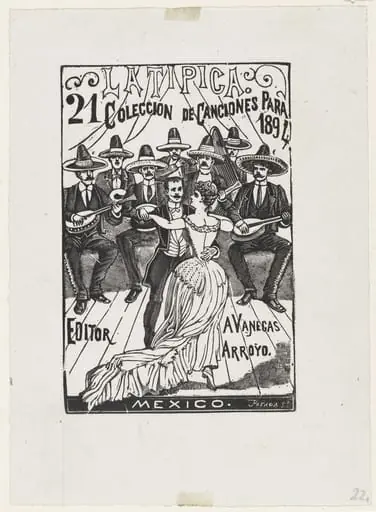
This engraving is one of twenty-five prints from a portfolio produced by José Guadalupe Posada, though dated here incorrectly to 1942—Posada died in 1913. It was published by A. Vanegas Arroyo, a prominent printer of popular broadsides in Mexico City. The work belongs to a tradition of inexpensive, widely distributed imagery meant for public consumption, blending visual wit with social commentary.
Subject & Meaning
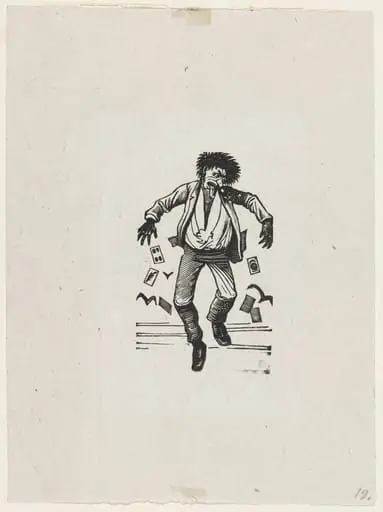
The figure depicts a Mexican clown, identified by the inscription 'El Clown Mexicano,' dressed in exaggerated theatrical attire: ruffled collar, striped stockings, and a skirt-like garment. The pose—hand on hip, arm bent near the waist—suggests performative bravado. The clown is not merely comic; it reflects a cultural archetype used to satirize social pretension, common in Posada’s visual critiques of class and spectacle.
Technique & Style
Executed in bold, incised lines typical of relief engraving, the image relies on stark contrasts between dark ink and the white paper. Decorative Spanish text is integrated into the composition, its letters interwoven with the clown’s form, blurring the boundary between image and typography. The background’s sparse, irregular marks suggest depth without detail, focusing attention on the figure and its textual context.
History & Provenance
Created during Posada’s active years in the late 19th and early 20th centuries, the print was originally produced for mass distribution by Vanegas Arroyo’s press. It entered The Museum of Modern Art’s collection as part of a larger group of Posada’s prints, acquired for their historical significance in Mexican visual culture rather than as fine art objects in the traditional sense.
Context
Posada’s engravings were circulated as cheap broadsides, often accompanying news, ballads, or holidays. This clown image likely appeared during festive seasons or as part of satirical commentary on urban entertainers. Such prints were accessible to working-class audiences and served as both entertainment and subtle social critique, reflecting the tensions of post-revolutionary Mexican society.
Legacy
Though not widely recognized in his lifetime as an artist, Posada’s prints later influenced Mexican muralists and 20th-century visual activists. This engraving, like others in the series, helped establish a visual language of everyday Mexican life that emphasized irony, resilience, and the dignity of common people—values later central to national identity in art.
Artist & collection