Artwork
The blue bucket
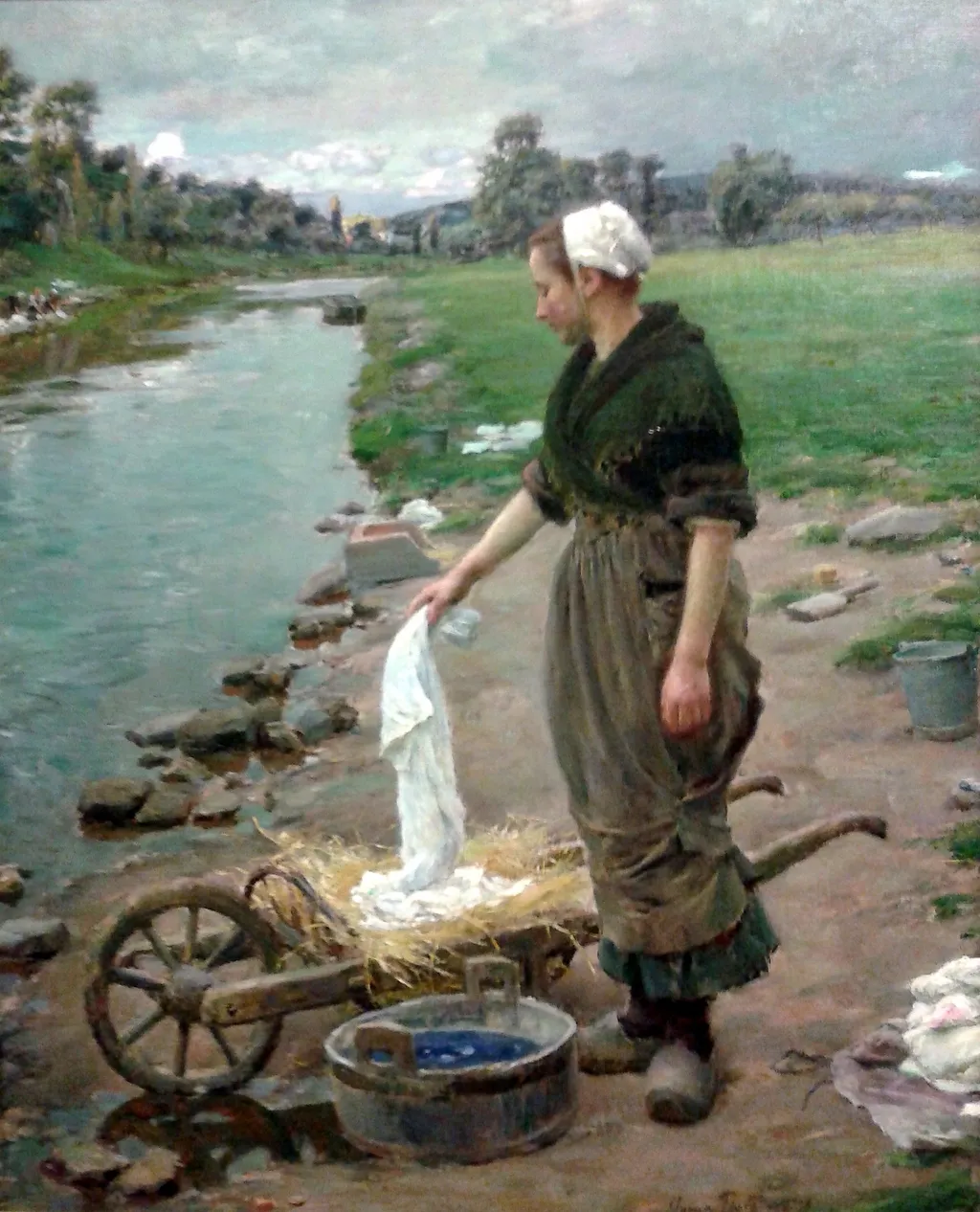
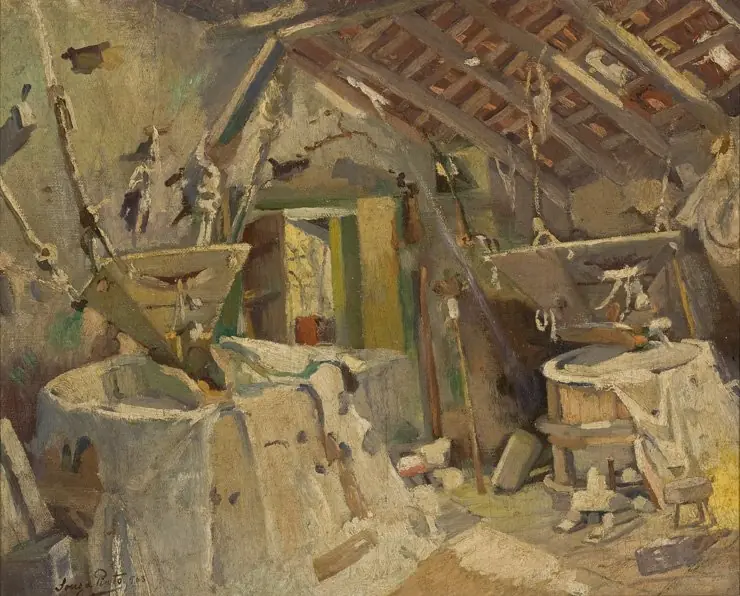
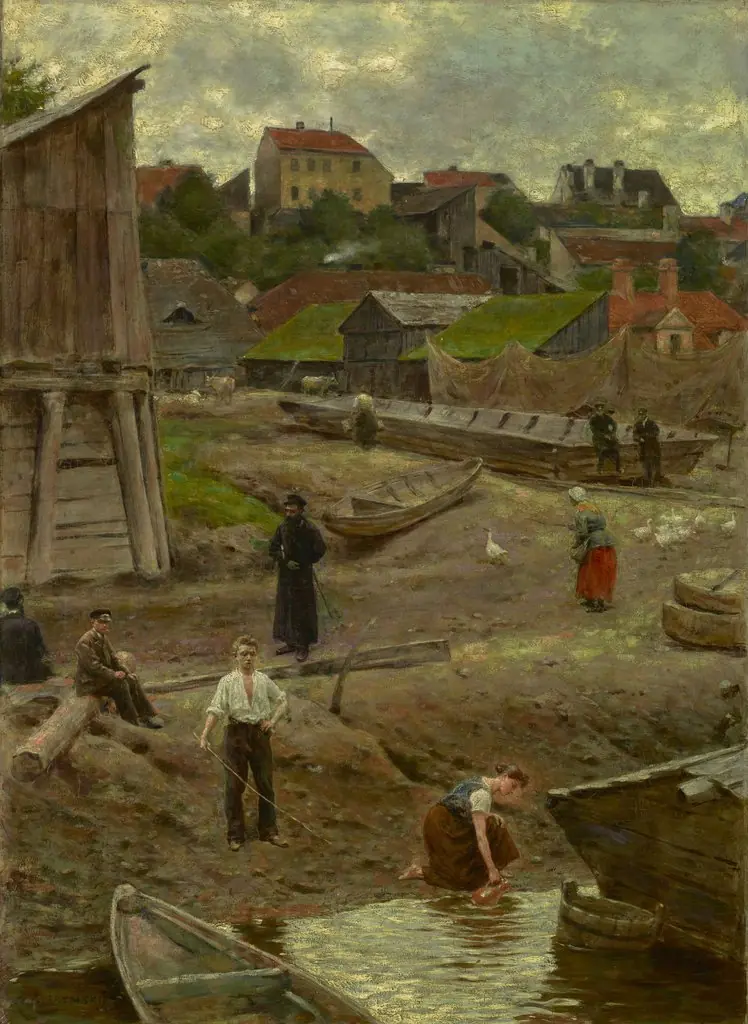
The blue bucket is an oil painting by the Post-Impressionist artist José Júlio de Sousa Pinto. It dates from 1907 and is held in the collection of the Pinacoteca de São Paulo.
About this work
Overview
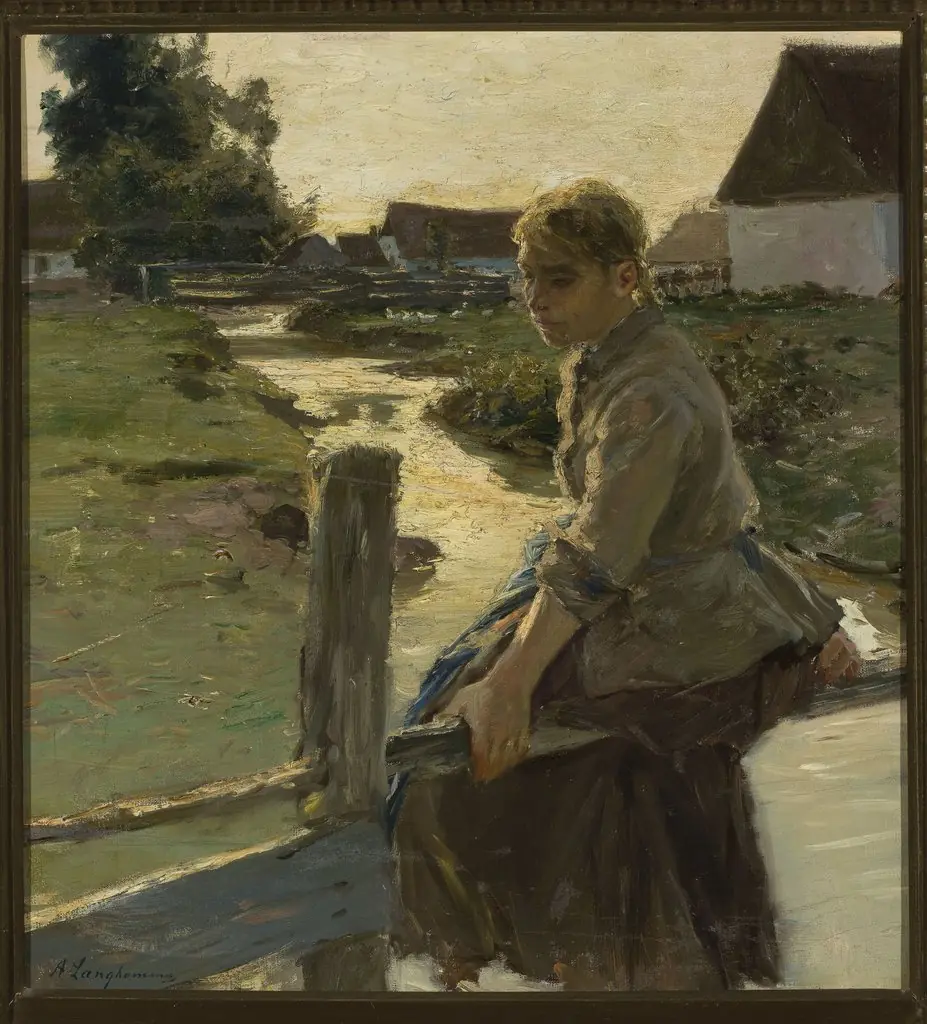
Created in 1907, this oil on canvas by Brazilian painter José Júlio de Sousa Pinto portrays a quiet riverside scene. The composition centers on a woman engaged in domestic labor, with a wooden cart and a prominently blue bucket forming the focal point. The work is part of the collection of the Pinacoteca do Estado de São Paulo, where it remains on display.
Subject & Meaning
The painting captures a moment of everyday life: a woman, dressed in a dark green blouse and long skirt, holds a white cloth while standing beside a river. Scattered garments and the blue bucket suggest she is washing laundry, an activity that underscores themes of labor, routine, and the modest dignity of ordinary tasks.
Technique & Style
Executed in oil, the artist employs a restrained palette dominated by muted greens, earthy browns, and the striking blue of the bucket. Soft brushwork renders the water and distant foliage, while more defined strokes delineate the figure and cart, creating a balance between atmospheric depth and clear narrative detail.
History & Provenance
Since its completion, the canvas has been housed in São Paulo’s principal state museum, the Pinacoteca do Estado. The institution acquired the work early in the 20th century, and it has remained in its permanent collection, serving as an example of early modern Brazilian painting.
Context
Pinto frequently turned to scenes of daily life for his subjects, reflecting a broader turn in Brazilian art toward realism and social observation at the turn of the century. This work aligns with that interest, depicting a rural riverside setting that evokes the country’s agrarian landscape and the rhythms of labor.
Own this work as a print
Artist & collection
Artist
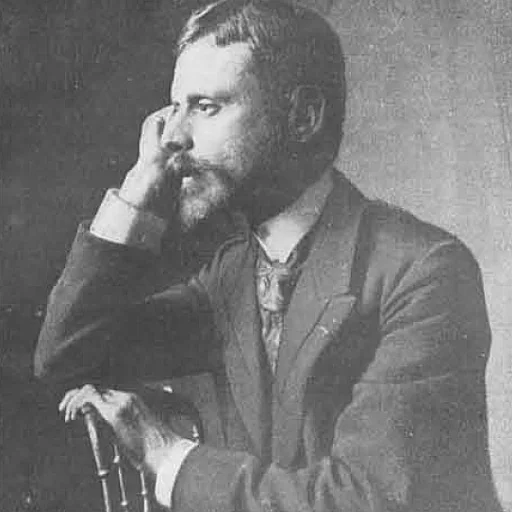
José Júlio de Sousa Pinto (1856–1939) was an artist, born in Angra do Heroísmo.