Artwork
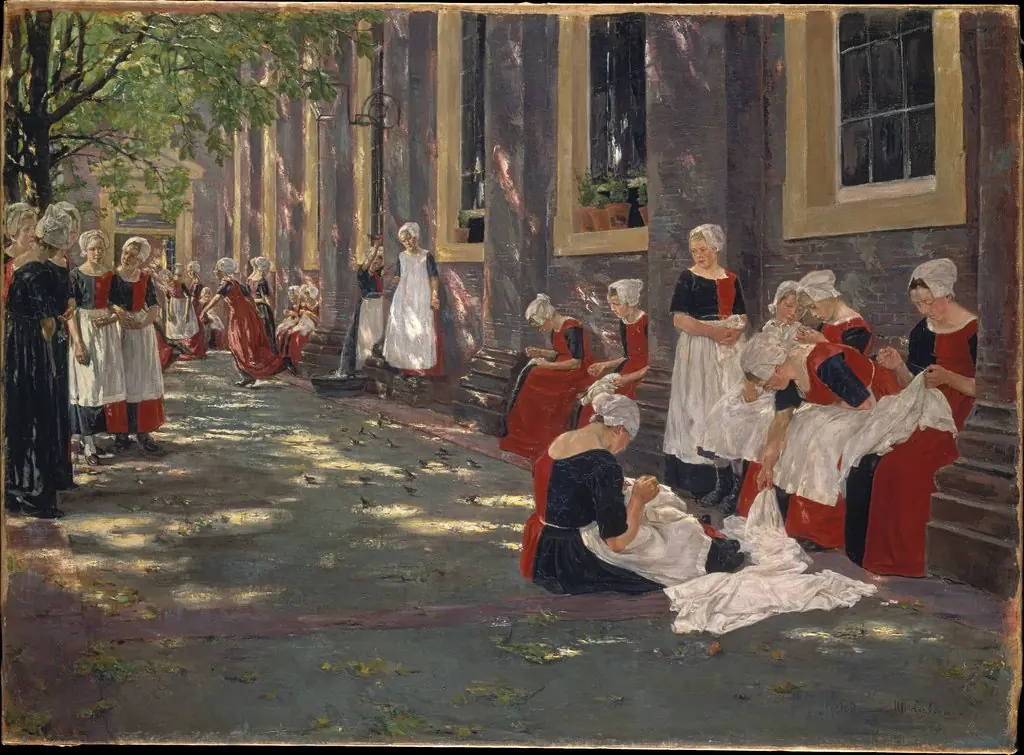
Amsterdamer Waisenmädchen im Garten
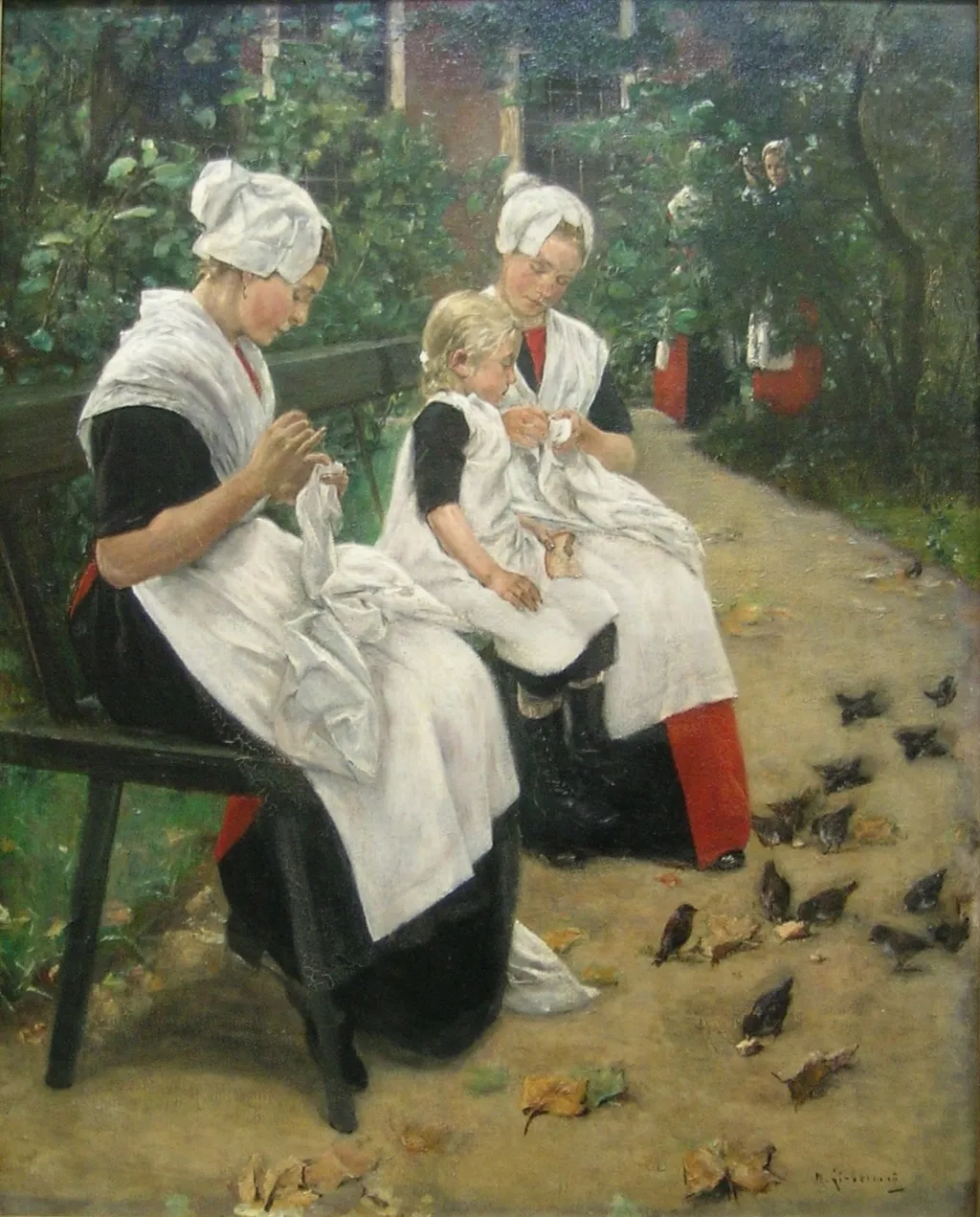
Amsterdamer Waisenmädchen im Garten is an oil painting by the Impressionist artist Max Liebermann. It dates from 1893 and is held in the collection of the Hamburger Kunsthalle.
About this work
Overview
Painted in 1893 by Max Liebermann, this oil on canvas work portrays a quiet moment in a garden setting.
Painted in 1893 by Max Liebermann, this oil on canvas work portrays a quiet moment in a garden setting. Liebermann, a key figure in German Impressionism, captured everyday life with observational precision. The painting belongs to the collection of the Hamburger Kunsthalle and reflects his interest in domestic and institutional scenes, particularly those involving women and children in controlled environments.
Subject & Meaning
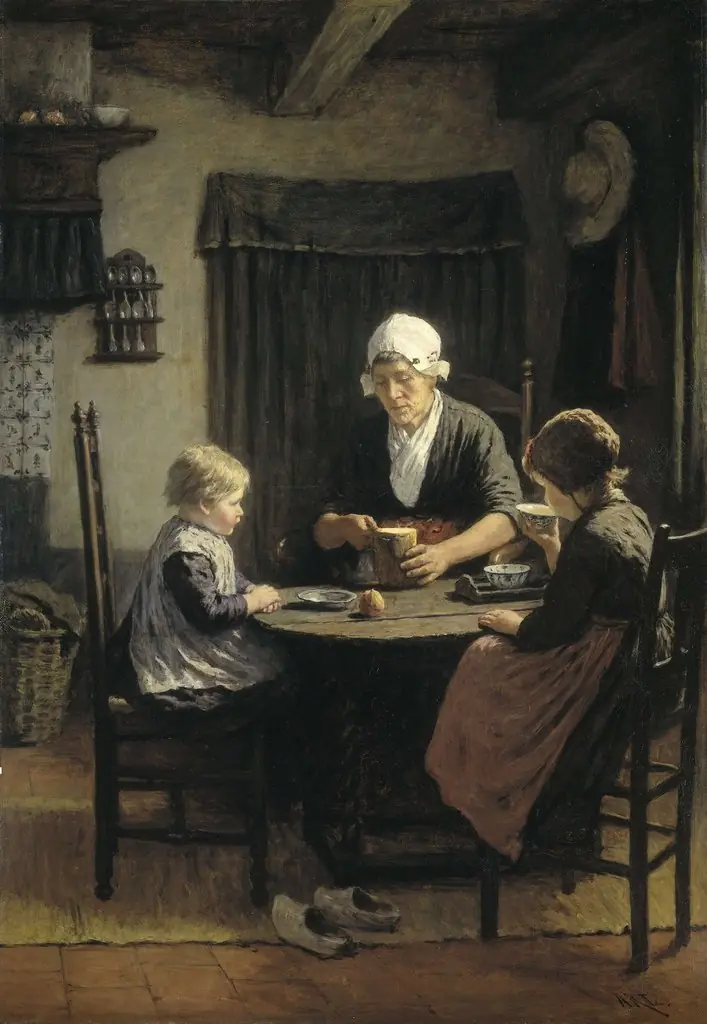
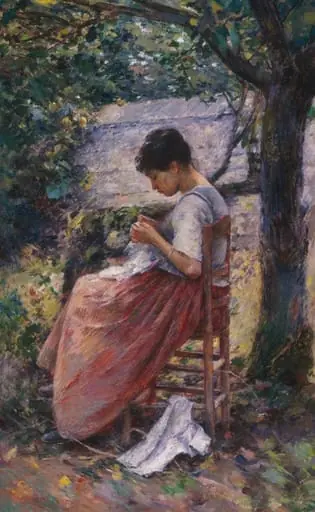
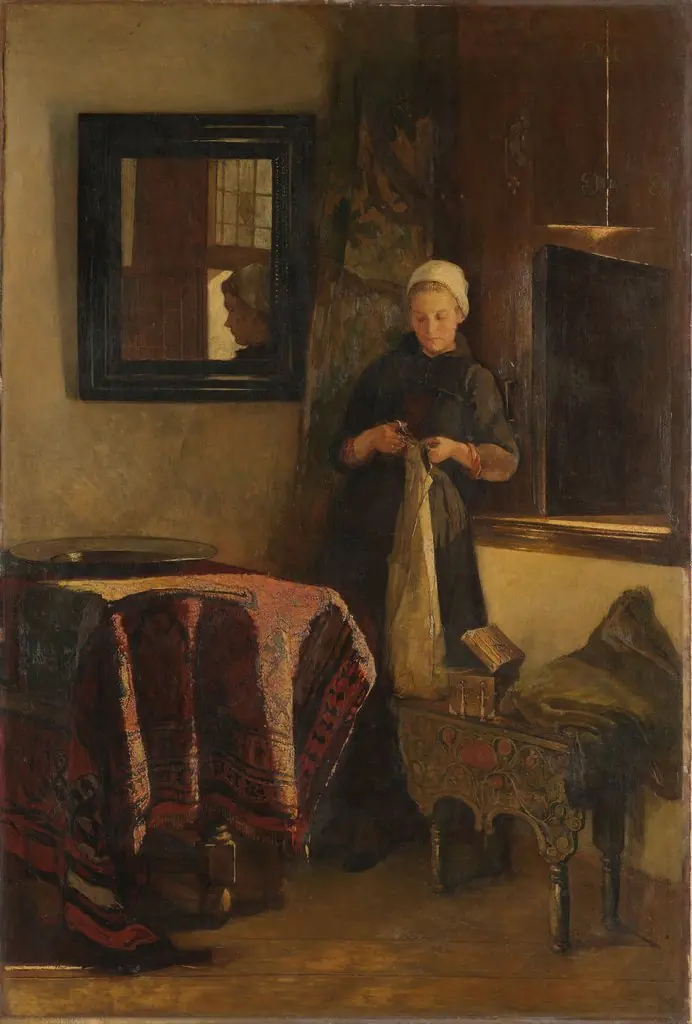
Three women and a young child sit together on a bench, dressed in plain white aprons and head coverings, suggesting they are caregivers or staff at an orphanage. One woman holds a piece of fabric, hinting at mend work or needlecraft. The scene conveys routine rather than drama, emphasizing stillness and duty. The child’s black shirt contrasts subtly with the women’s light attire, quietly signaling vulnerability within a structured setting.
Technique & Style
Liebermann employed loose, textured brushwork to render foliage and fabric, characteristic of his Impressionist approach. Light filters through the trees, casting dappled shadows on the ground and figures. The palette is muted, dominated by soft whites, grays, and earth tones, reinforcing the quiet mood. Details like scattered leaves and the texture of woven cloth are suggested rather than meticulously defined, inviting the viewer to perceive rather than analyze.
History & Provenance
Created during Liebermann’s mature period, the painting emerged from his sustained engagement with Dutch and German social realism. It was likely painted after his earlier travels in the Netherlands, where he observed institutional life. The work entered the Hamburger Kunsthalle’s collection in the early 20th century and has remained there since, preserved as part of the museum’s focus on 19th-century German painting.
Context
In late 19th-century Germany, institutions for orphans and the poor were expanding, and their daily routines became subjects for socially conscious artists. Liebermann, influenced by French Impressionism and Dutch genre painting, avoided moralizing. Instead, he presented these scenes with neutrality, aligning with broader artistic trends that valued observation over sentimentality or narrative drama.
Legacy
The painting stands as a quiet example of Liebermann’s commitment to depicting ordinary life without idealization. While less known than his urban or landscape works, it contributes to understanding his consistent focus on marginalized figures and the dignity of routine. Its preservation in a major public collection ensures continued access to his nuanced portrayal of social environments in fin-de-siècle Europe.
Artist & collection
Artist
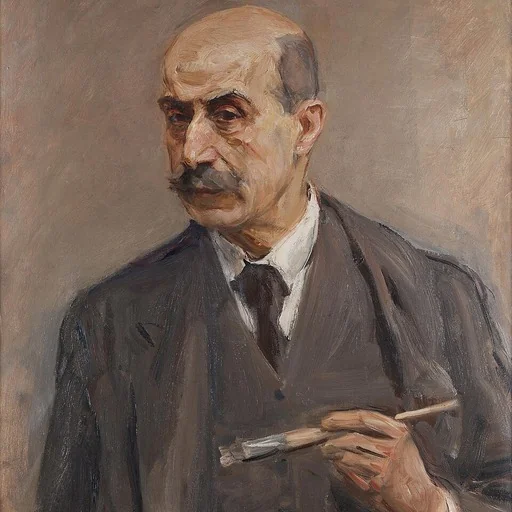
Max Liebermann (20 July 1847 – 8 February 1935) was a German painter and printmaker, and one of the leading proponents of Impressionism in Germany and continental Europe.