Artwork
Untitled
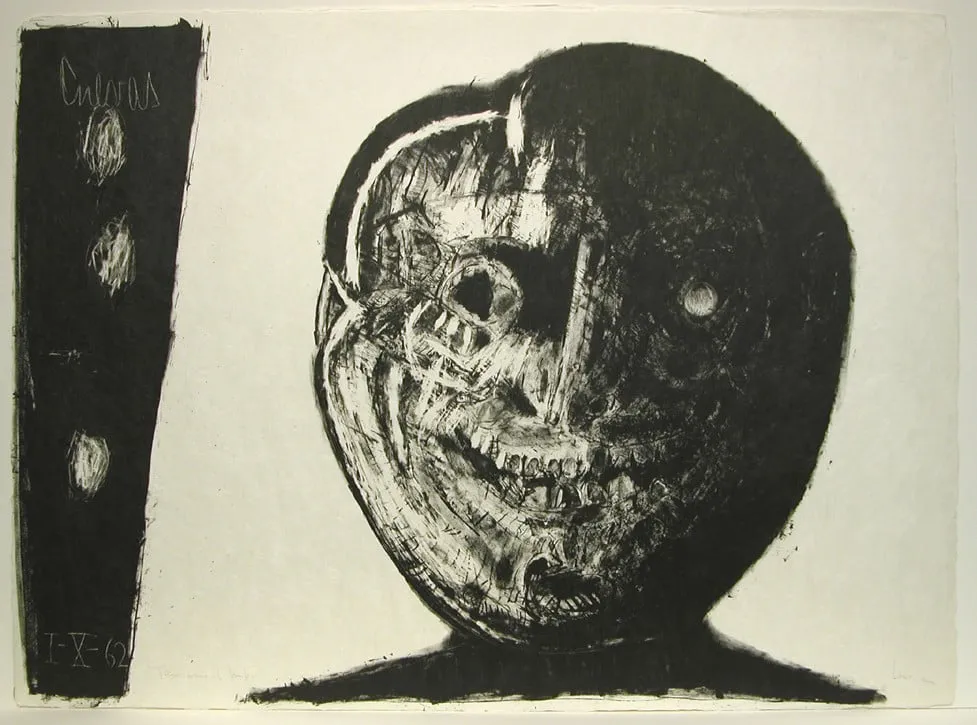
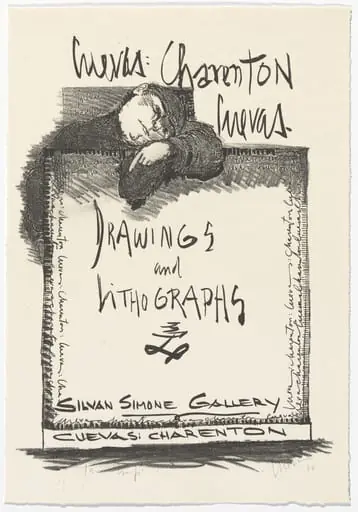
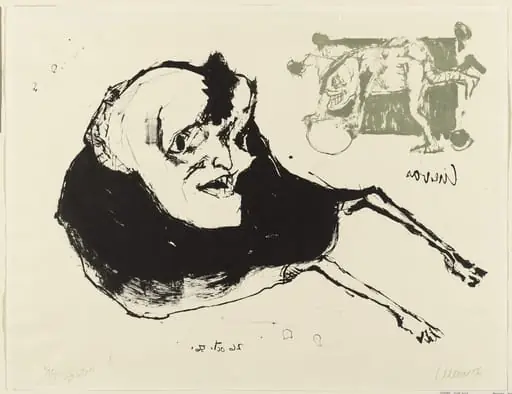
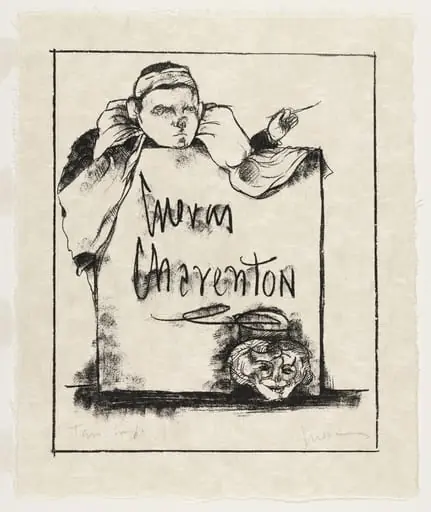
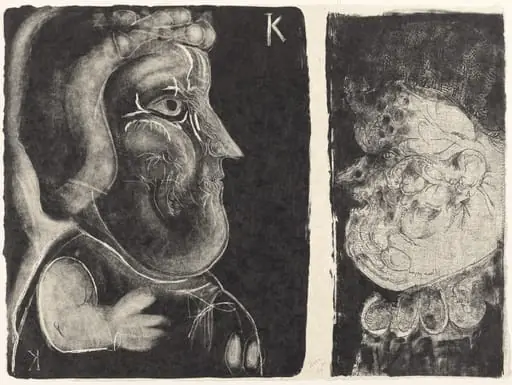
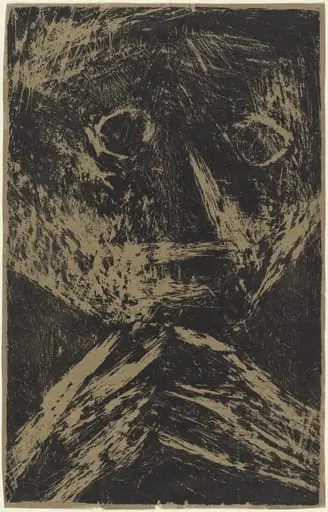
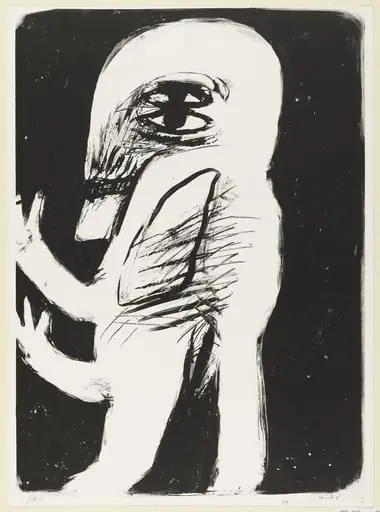
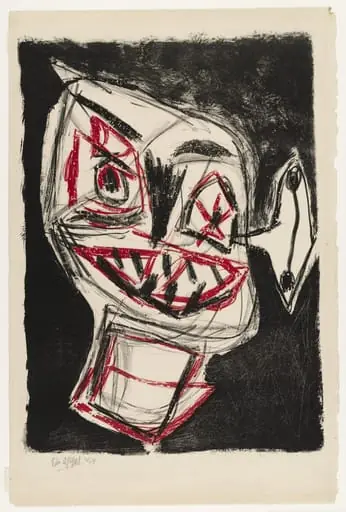
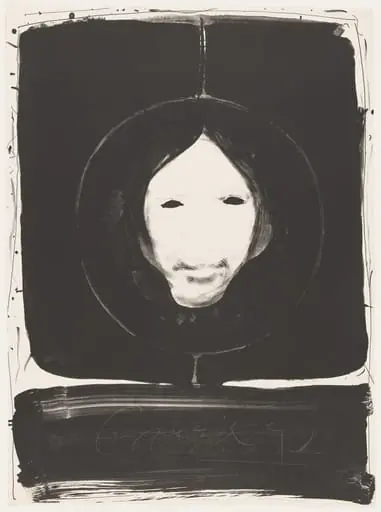
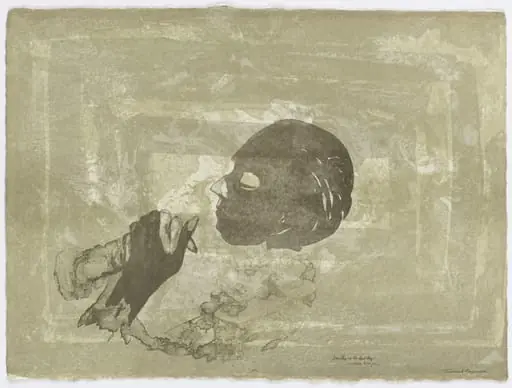
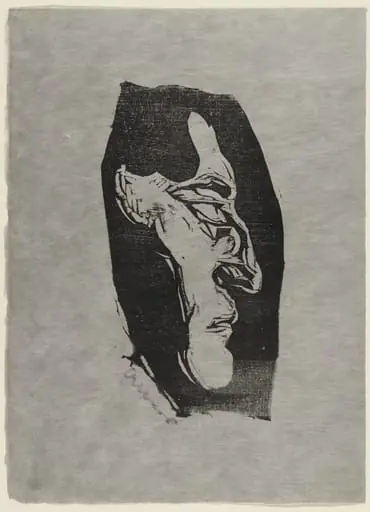
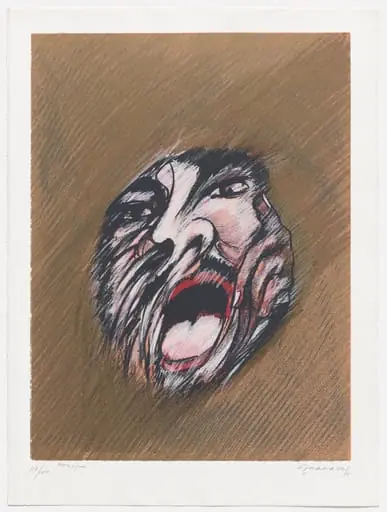
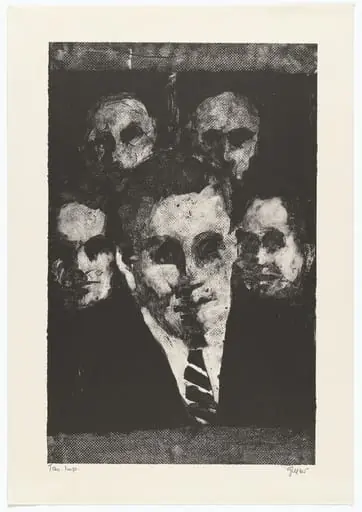
Untitled is an ink print by José Luis Cuevas. It dates from 1962 and is held in the collection of the Museum of Modern Art.
About this work
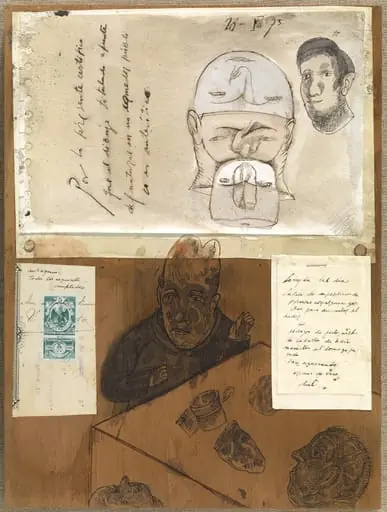
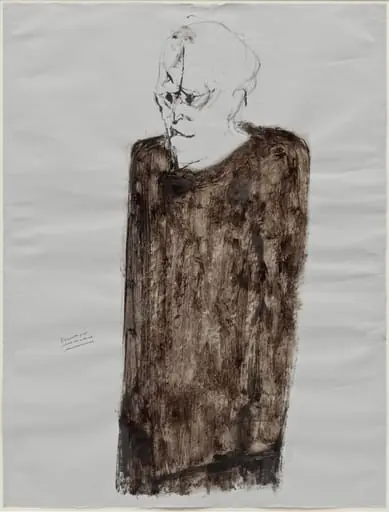
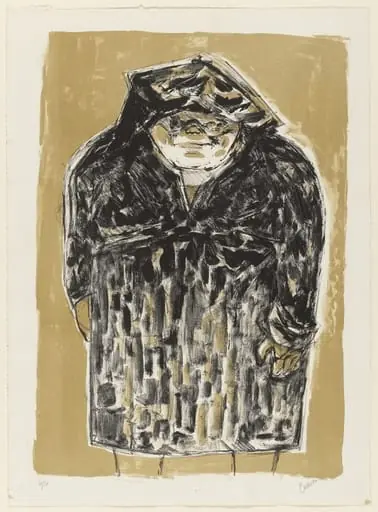
You see a tangle of jagged lines—some thick, some thin—scratching across white paper like a storm of scribbles.
You see a tangle of jagged lines—some thick, some thin—scratching across white paper like a storm of scribbles. Faces and limbs peek out, half-hidden in the chaos.
Cuevas made this in 1962, when Mexican art was still celebrating bright murals. Instead, he drew raw, messy figures that feel like they’re shouting or crying. The lines look fast, almost angry, as if he didn’t plan them.
If you like this, look up lithography—the printing method he used to turn pencil marks into ink on paper.
Overview
José Luis Cuevas created this lithograph in 1962, a work that diverges from the dominant muralist traditions of Mexican art at the time. Executed in black ink on white paper, it presents a dense composition of erratic lines that suggest movement and distress. The print resides in the collection of The Museum of Modern Art, where it stands as a quiet counterpoint to the era’s celebratory public art.
Subject & Meaning
Figures emerge ambiguously from the chaotic lines—partial faces, contorted limbs—hinting at psychological tension rather than narrative clarity. There is no clear story, only the impression of inner turmoil. The forms feel fractured, as if emerging from subconscious unrest, rejecting idealized human representation in favor of raw emotional expression.
Technique & Style
Cuevas employed lithography to translate rapid pencil gestures into a printed surface, preserving the urgency of his hand. The contrast between thick, heavy strokes and fine, skittering lines creates a sense of instability. The medium’s capacity for tonal variation allowed him to amplify the agitation in his mark-making without relying on color or detail.
History & Provenance
Produced during a period when Mexican art emphasized national identity through monumental murals, this work was quietly subversive. It entered MoMA’s collection soon after its creation, signaling international recognition of Cuevas’s departure from regional norms. Its acquisition reflected growing interest in Latin American artists who challenged established aesthetics.
Context
While Mexican muralists like Rivera and Siqueiros promoted social optimism through large-scale public imagery, Cuevas turned inward, exploring alienation and psychological fragmentation. His work aligned more closely with European Expressionism and the emerging Latin American avant-garde, offering a darker, more personal vision amid nationalistic artistic currents.
Legacy
This print helped establish Cuevas as a key figure in postwar Mexican art who prioritized individual experience over collective myth. Its influence can be seen in later generations of artists who embraced abstraction and emotional intensity over figurative clarity, expanding the boundaries of printmaking in Latin America.
Artist & collection

Artist
José Luis Cuevas was a Mexican artist, he often worked as a painter, writer, draftsman, engraver, illustrator, and printmaker.