Artwork
El cardenal Giulio Alberoni
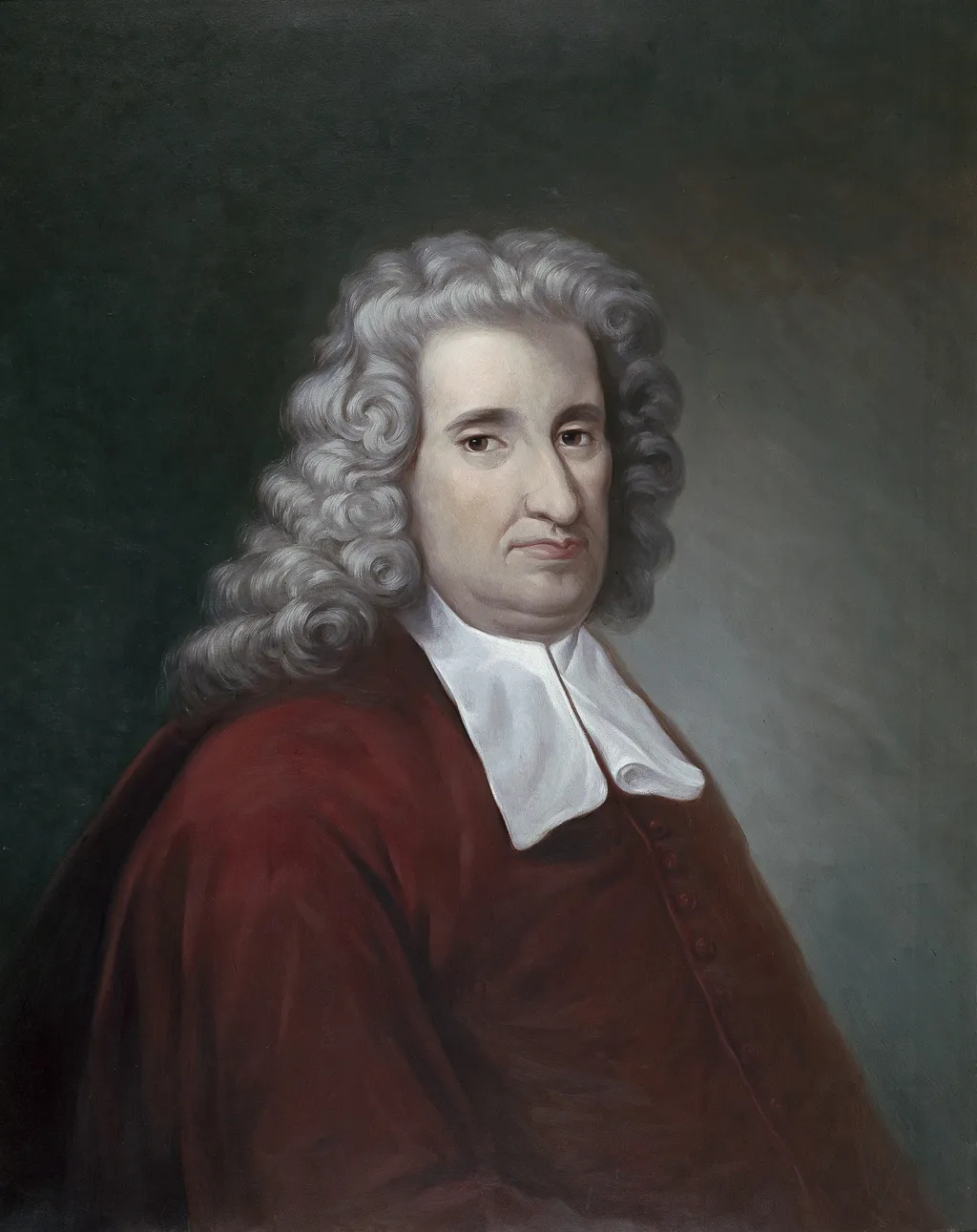
El cardenal Giulio Alberoni is an oil painting by José María Galván y Candela. It dates from 1850 and is held in the collection of the Museo del Prado.
About this work
The subject's attire and hairstyle suggest a formal setting, possibly from the 19th century.
This portrait painting features a man with curly, gray hair and a red coat. He wears a white collar and gazes directly at the viewer.
The subject's attire and hairstyle suggest a formal setting, possibly from the 19th century. The artist's use of oil paint creates a sense of depth and texture in the image.
If you're interested in learning more about this style of painting, you might want to explore the technique of chiaroscuro, which involves using strong contrasts between light and dark to create a sense of volume and depth.
Overview
Created around 1850, this oil portrait by Spanish artist José María Galván y Candela is part of the collection at Madrid’s Museo del Prado. The work presents a single figure in a formal pose, rendered with the characteristic depth and texture afforded by oil paint.
Subject & Meaning
The sitter is a middle‑aged man with curly, silver‑gray hair, dressed in a vivid red coat trimmed with a white collar. He looks straight at the viewer, a compositional choice that conveys confidence and direct engagement, typical of 19th‑century portraiture intended to emphasize status.
Technique & Style
Galván y Candela employs oil on canvas to build layered tones, achieving a subtle modelling of flesh and fabric. The handling of light and shadow creates a modest chiaroscuro effect, giving the figure a three‑dimensional presence while preserving the crispness of the red coat’s texture.
History & Provenance
The painting entered the Museo del Prado’s holdings in the 20th century, where it remains on display. Its attribution to Galván y Candela, a painter active in mid‑19th‑century Spain, aligns with the work’s stylistic traits and the period’s portrait conventions.
Own this work as a print
Artist & collection
Artist
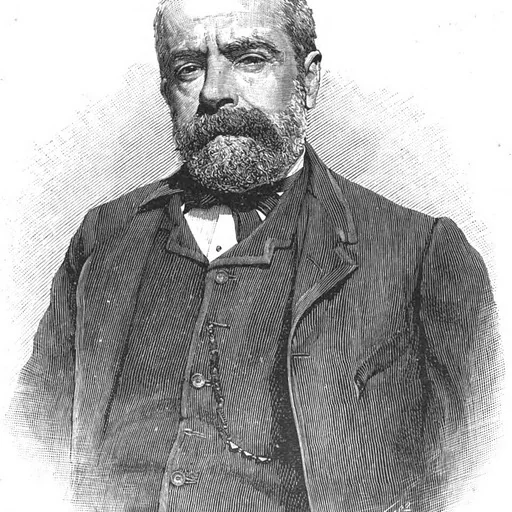
José María Galván y Candela (1837–1899) was an artist, born in Madrid.

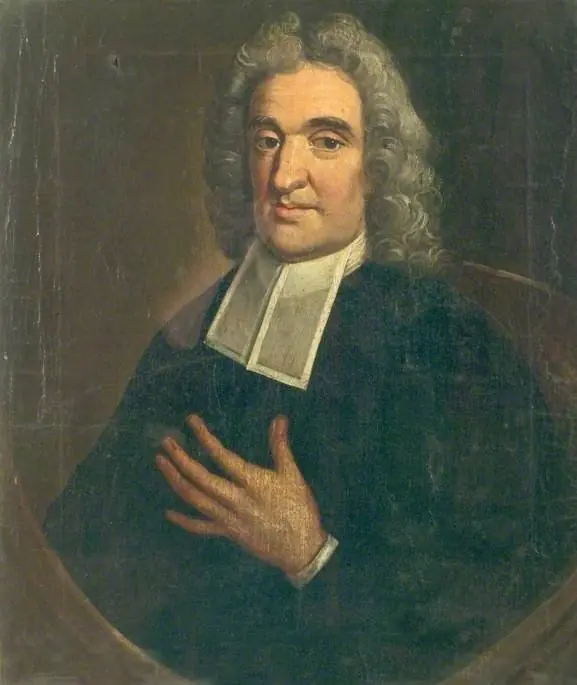 John Flamsteed (1646–1719)
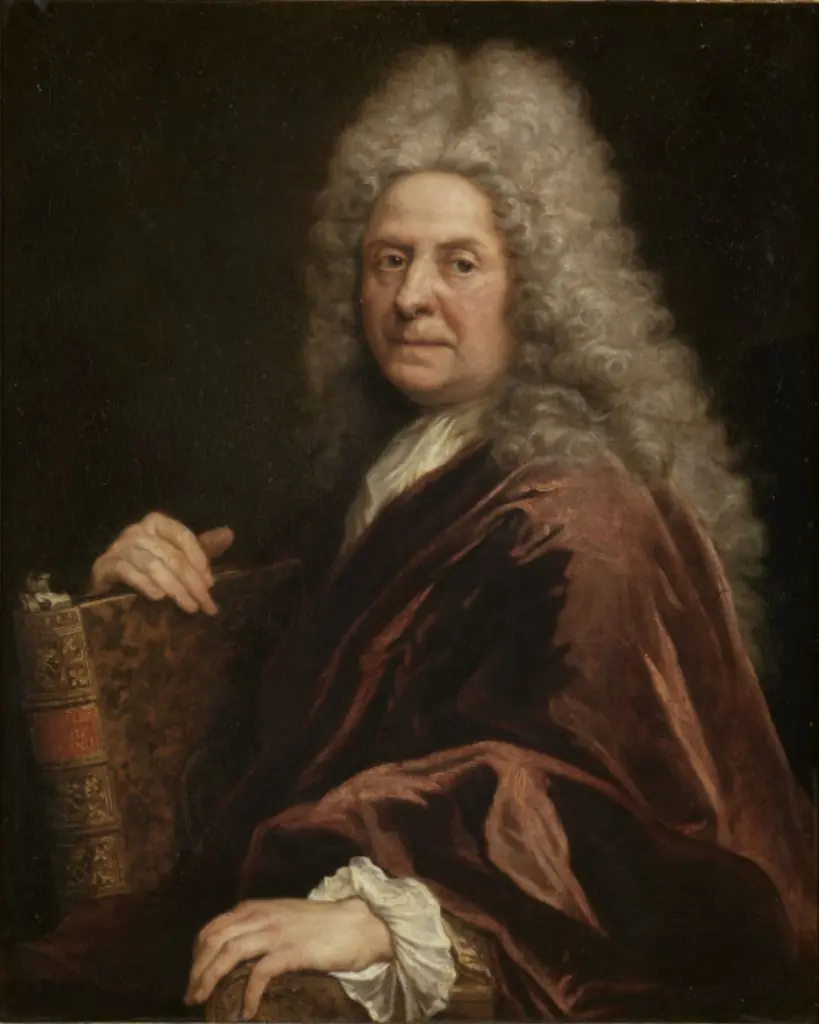 Self portrait of Antoine Coypel, Ecuyer Premier Peintre du Roy (1661-1722)
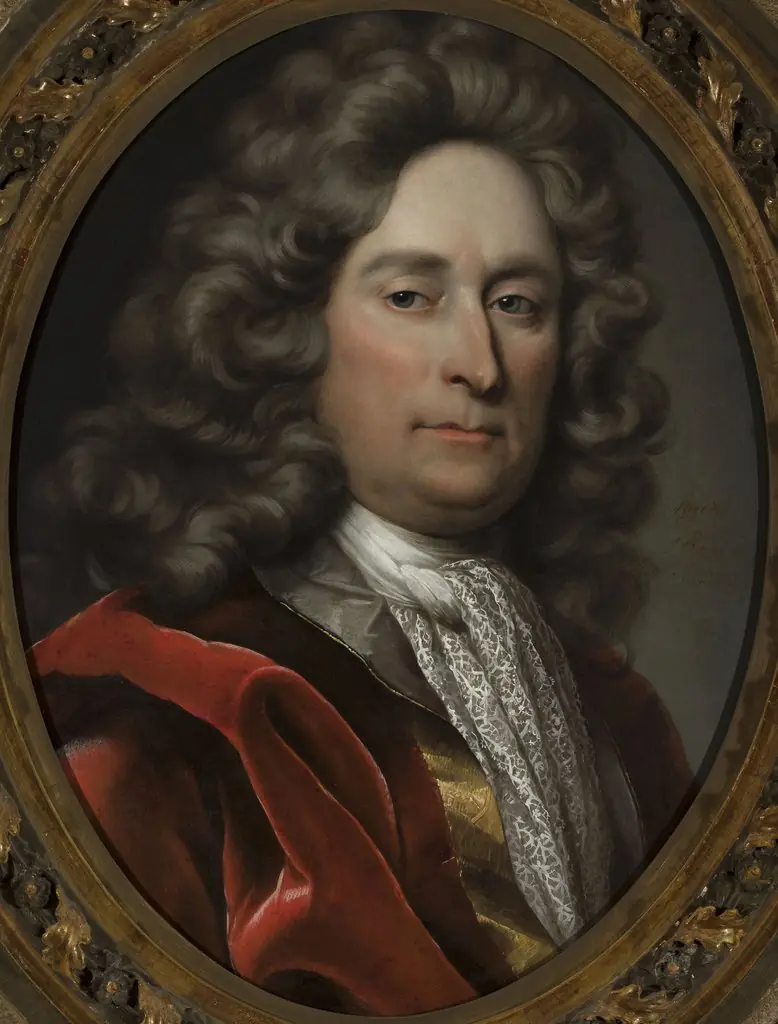 Portrait of a man in a grey wig
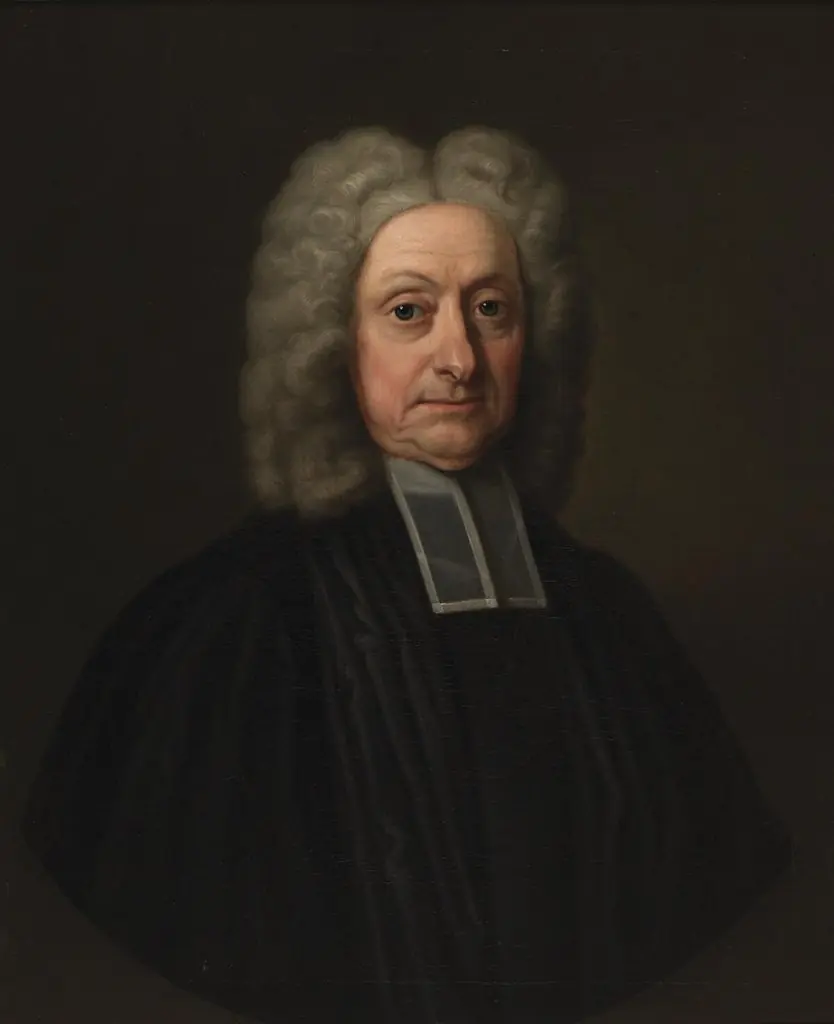 Robert Wynne D. D. ( - 1734)
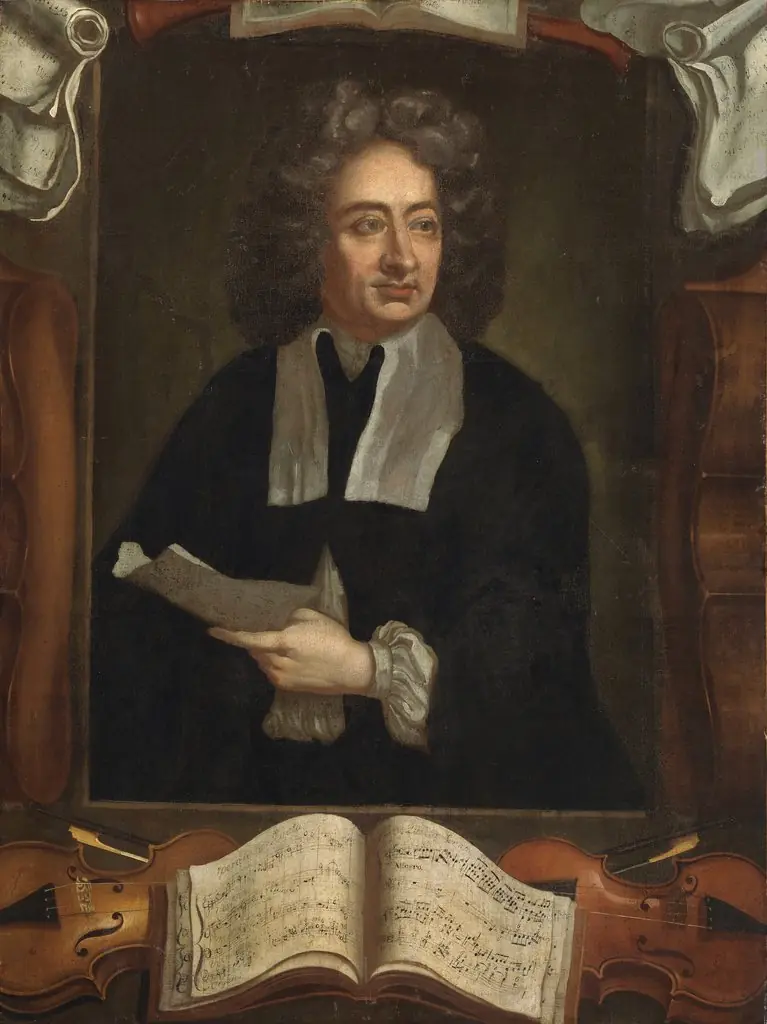 Portrait of Arcangelo Corelli (1653-1713), Composer and Violinist
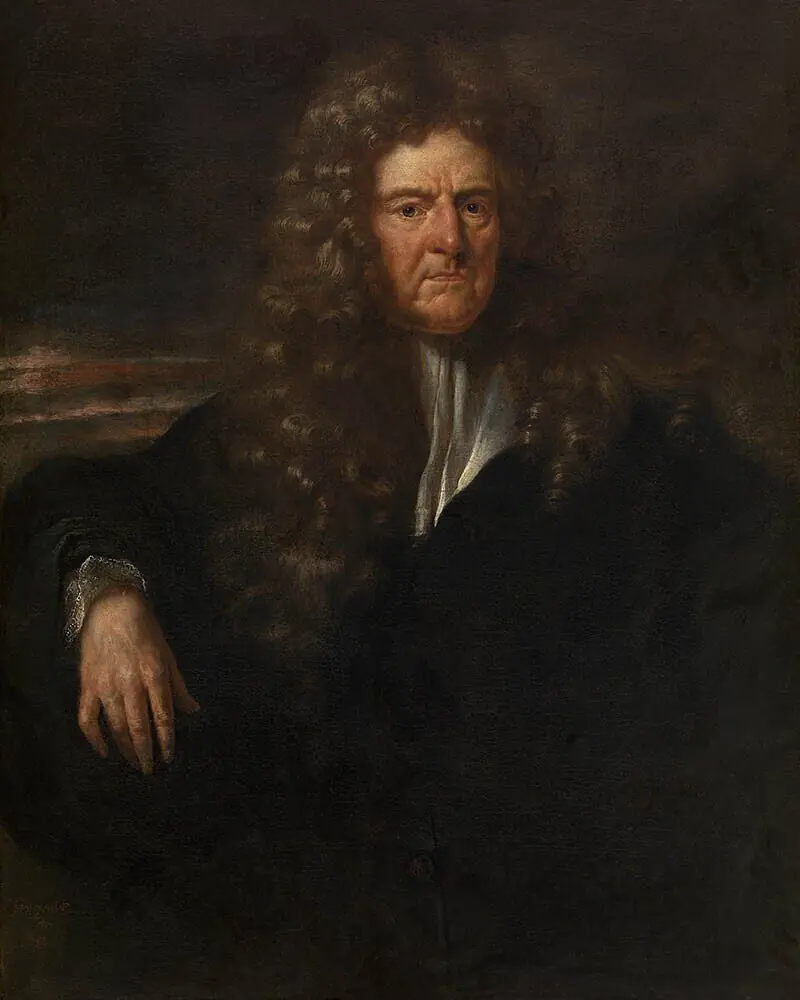 Andries Eugeen Valck Nisse, Secretary of the City of Antwerp
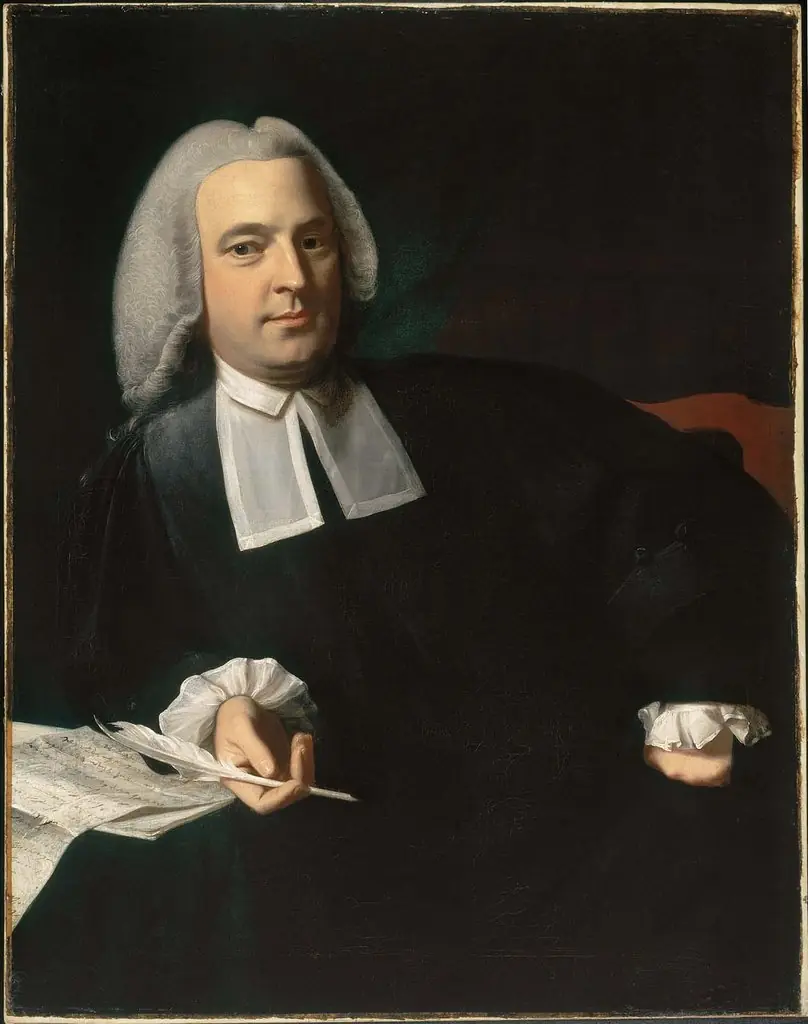 Samuel Quincy
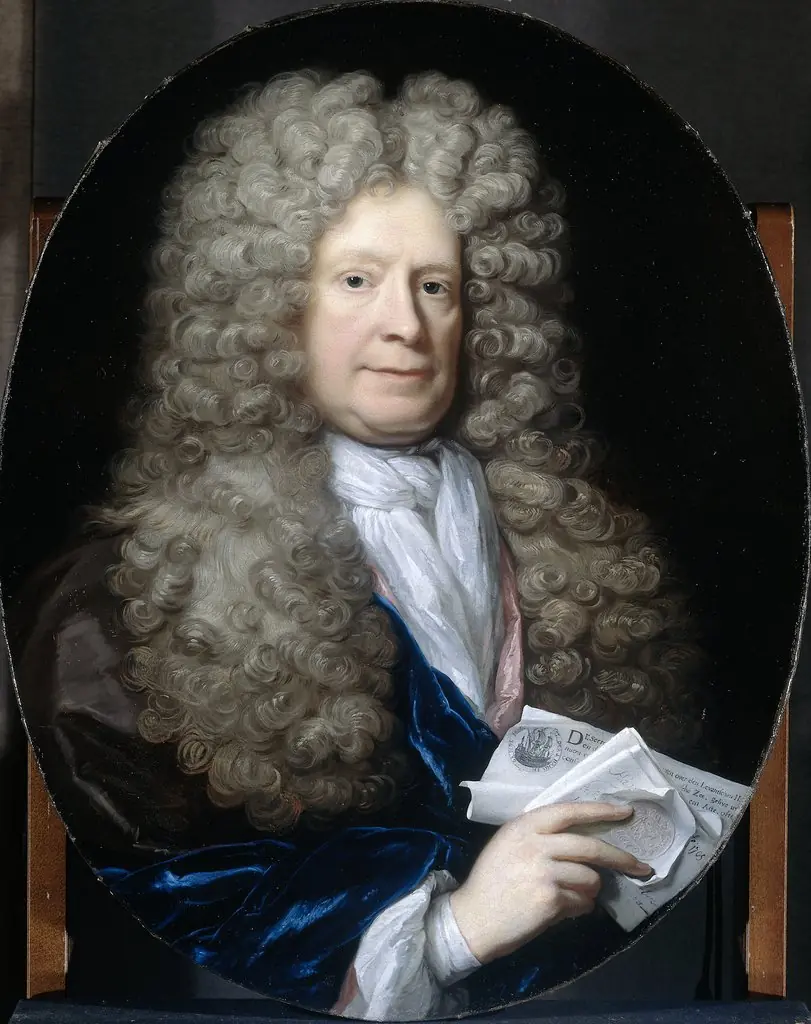 Portrait of Pieter van de Poel
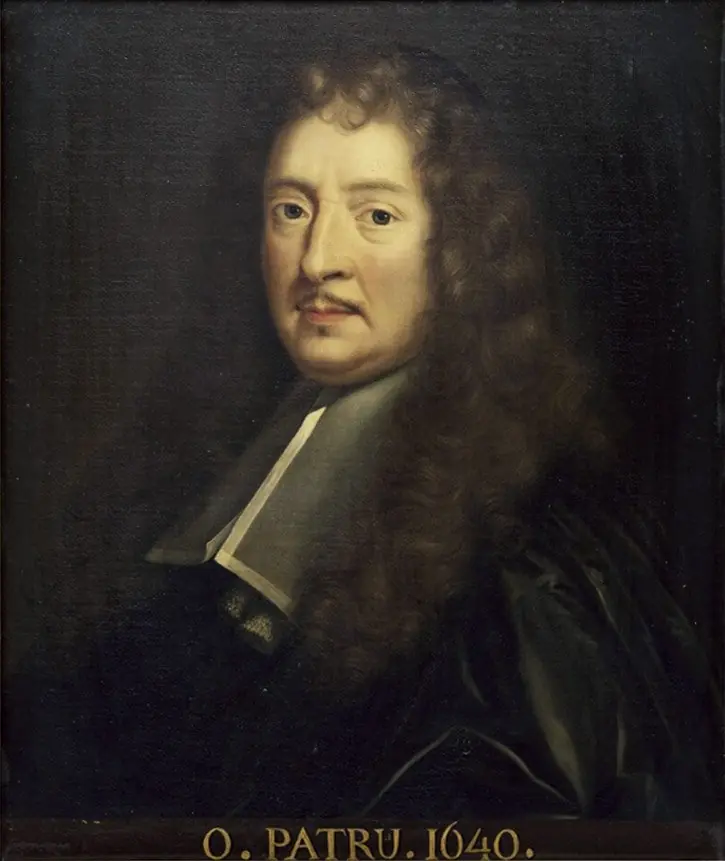 Olivier Patru (1604-1681), avocat au Parlement de Paris, membre de l'Académie française
 Untitled
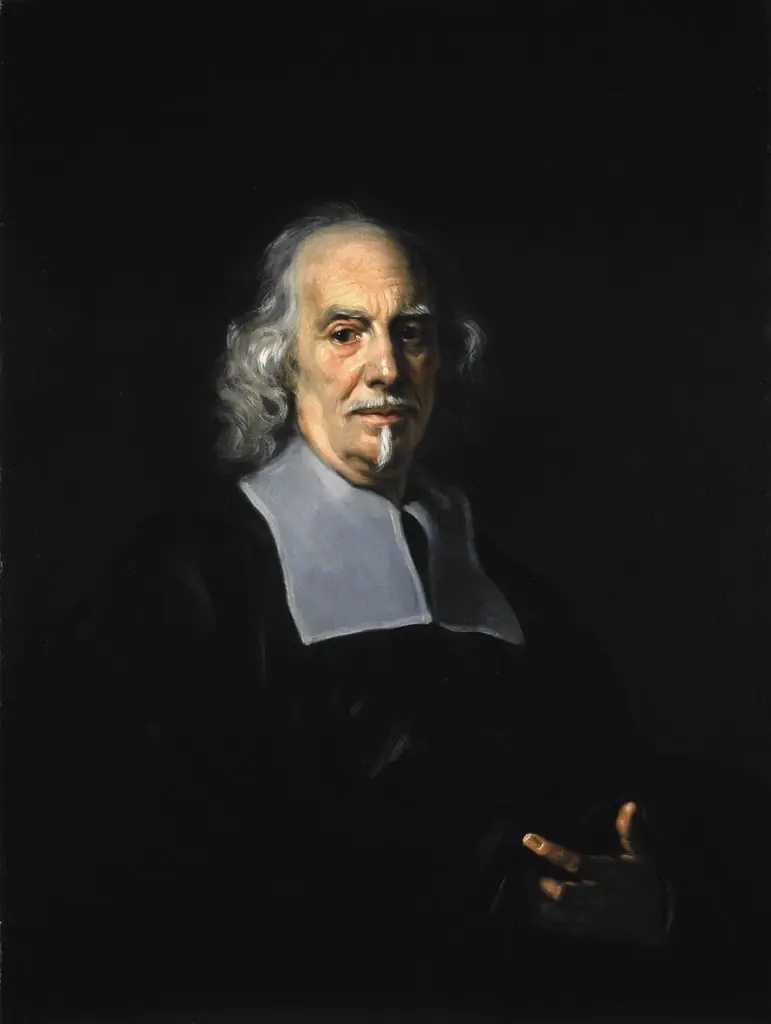 Portrait of Gianlorenzo Bernini (1598 - 1680)
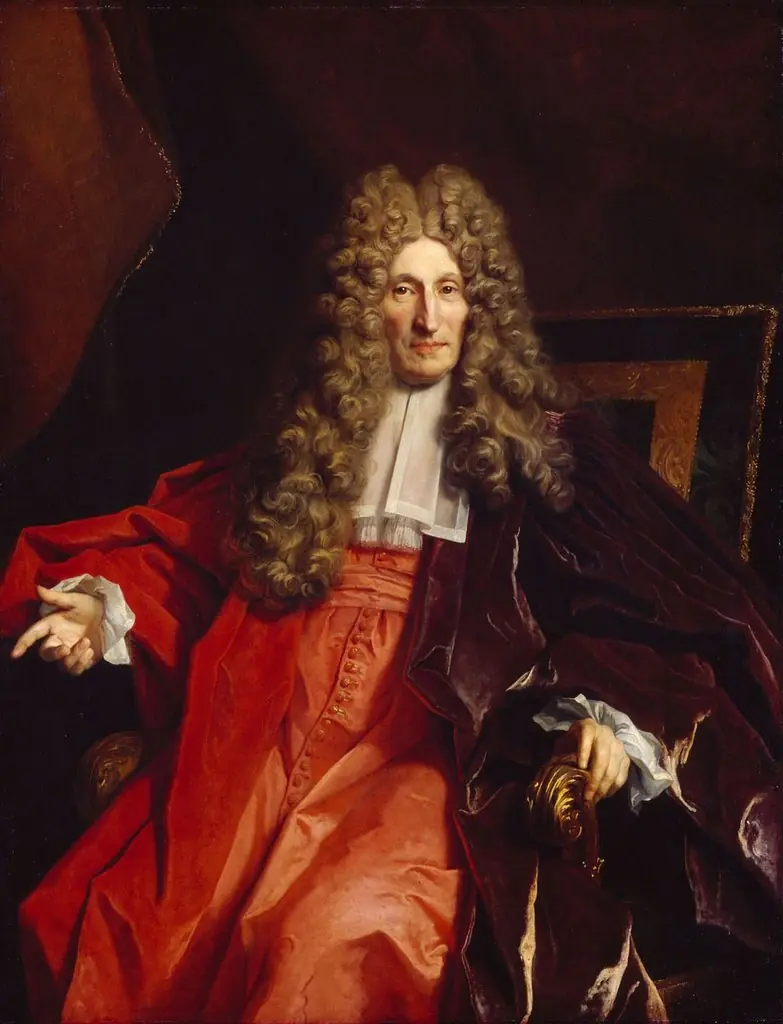 Charles Boucher, Herr von Orsay